Source Modern Bluetooth LED Table Lamp for Office, Bedroom, and Living Room
Explore 30 options for a Modern Bluetooth LED Table Lamp suitable for home and office use. Compare features like remote control, adjustable color temperature, and various certifications to find the right fit for your sourcing needs; compare the available evidence and request quotations based on your requirements.
Key considerations
Products List


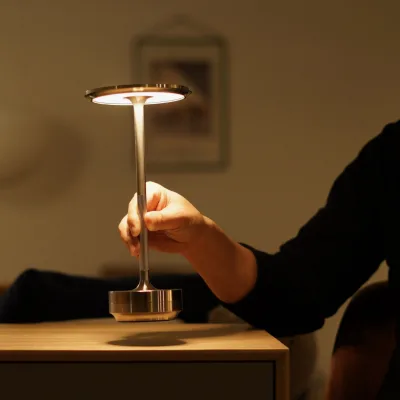
LED APP Control Bluetooth RGB Note Light Rhythm Light Atmosphere Table Lamp
$15.40 - $17.20
MOQ: 100 Pieces




Comprehensive Sourcing Guide
Modern Bluetooth LED Table Lamp Sourcing Guide
Procuring modern Bluetooth LED table lamps requires balancing aesthetic flexibility with functional connectivity, as observed in listings featuring remote controls and touch switches. Buyers should prioritize models with DC motors and adjustable color temperatures ranging from 2700K to 6500K to ensure versatility for home environments. The presence of customizable options allows for tailored designs, yet the specific implementation of these features varies significantly across different product models and manufacturers.
Verification of the power source is critical, as the market offers both AC-powered units and battery-operated devices with rechargeable or button cell options. Sourcing teams must confirm whether the Bluetooth module integrates seamlessly with the LED driver without causing interference or excessive heat generation. Understanding the specific power supply requirements, such as 18650 battery configurations or direct AC input, ensures compatibility with the intended installation site and usage patterns.
Product Scope and Observed Listing Signals
The observed product range includes diverse configurations, from flexible LED strips to rigid table lamps with metal or aluminum construction. Listings indicate a wide price spectrum and minimum order quantities, suggesting that buyers can source either small batches for prototyping or large volumes for retail distribution. The availability of customized packing and standard dimensions like 110x70x13 cm provides logistical flexibility, though specific model numbers like 01 or 855 denote distinct design iterations that may affect compatibility.
Buyers must distinguish between products with fixed specifications and those offering extensive customization, such as adjustable sizes and colors. The data shows that some units come with specific warranties, typically one or two years, while others rely on general quality assurances. Identifying the exact model, such as JYL-4864 or date-coded variants, helps in tracking production consistency and ensures that the selected lamp meets the specific aesthetic and functional requirements of the target market.
Technical Specifications to Verify
Technical due diligence must focus on the light source and control mechanisms, as observed models utilize LED technology with varying switch types including push-button and remote controls. The emitting color capabilities range from static white to changeable spectra, requiring verification of the driver circuitry to ensure smooth transitions and accurate color rendering. Confirming the lamp holder type, whether E or G series, is essential for bulb compatibility and long-term operational stability in home settings.
Power efficiency and battery performance are equally critical, especially for portable units utilizing rechargeable batteries or button cells. Buyers should verify the actual power consumption, noting that some units operate at 5W or less, while others may have higher draw depending on the motor and Bluetooth module integration. The physical weight, observed at approximately 449g for certain models, impacts portability and stability, necessitating a review of the material composition, such as metal or aluminum, to ensure durability.
Compliance and Safety Documentation
Safety compliance is non-negotiable, with observed certifications including CE, RoHS, CCC, GS, and VDE, which indicate adherence to international electrical and environmental standards. Procurement teams must request valid test reports for each specific model to confirm that the Bluetooth module and LED drivers do not exceed electromagnetic interference limits. The presence of multiple certifications suggests a robust supply chain, but buyers should verify that the documentation matches the specific batch being ordered to avoid regulatory hurdles.
Environmental standards like RoHS ensure that hazardous substances are minimized, which is vital for products entering markets with strict chemical regulations. Buyers should also check for specific product standards, such as those defining cable lengths or packaging dimensions, to ensure they align with local safety codes. Confirming that the manufacturer adheres to these standards prevents potential recalls and ensures that the final product is safe for consumer use in residential environments.
Cost Drivers and Commercial Terms
Cost structures are influenced by the level of customization, material quality, and the complexity of the Bluetooth integration. Models with adjustable color temperatures and remote controls often command higher prices due to the additional electronic components and software development required. Buyers should analyze the trade-off between unit price and minimum order quantity, as larger volumes may reduce the per-unit cost but increase the initial capital outlay and inventory risk.
Commercial terms such as delivery times, typically ranging from 15 to 35 days, and packaging specifications significantly impact the total landed cost. Customized packing solutions, while offering branding opportunities, may incur additional fees and extend lead times compared to standard carton packaging. Understanding the warranty terms, which vary from one to two years, is also crucial for calculating the long-term cost of ownership and potential after-sales support expenses.
Supplier Qualification and Quality Control
Supplier qualification should begin with verifying the origin of the products, as many listings indicate manufacturing in Zhejiang, China, a hub for lighting production. Buyers must assess the supplier's capacity to handle customized orders, ensuring they have the necessary infrastructure to maintain consistency across different model numbers and design iterations. Requesting samples with full documentation allows for a physical inspection of build quality, material finish, and the reliability of the Bluetooth connectivity.
Quality control protocols must include rigorous testing of the light source, motor, and battery life to ensure they meet the specified performance standards. Suppliers should provide clear evidence of their production processes, including how they manage the integration of electronic components with the physical housing. Establishing a clear communication channel for addressing defects and ensuring that the warranty terms are honored is essential for maintaining a reliable supply chain and protecting the buyer's brand reputation.
Long-Term Procurement Checks
Long-term success depends on establishing a partnership that supports continuous product improvement and supply chain resilience. Buyers should regularly review the supplier's ability to adapt to changing market demands, such as new Bluetooth standards or evolving energy efficiency regulations. Maintaining open lines of communication regarding production updates and potential supply disruptions ensures that the procurement strategy remains agile and responsive to external factors.
Regular audits of the product quality and compliance documentation are necessary to prevent drift in manufacturing standards over time. Buyers should also monitor the performance of the lamps in the field to identify any recurring issues that may not be apparent during initial testing. By fostering a collaborative relationship with the supplier, buyers can ensure that the modern Bluetooth LED table lamps continue to meet high standards of quality, safety, and functionality throughout their lifecycle.
FAQs
What certifications are available for modern bluetooth led table lamps?
These lamps typically carry CE, RoHS, CCC, and GS certifications to ensure safety and compliance. Some models also include VDE standards for electrical safety. Buyers should verify specific certification documents with suppliers before ordering to confirm regulatory alignment for their target markets.
Can I customize the packaging for modern bluetooth led table lamps?
Yes, customization is available for packaging and product specifications. Suppliers offer options like color boxes or standard cartons, with dimensions such as 110x70x13 cm or 15x15x26.5 cm. Customized packing allows brands to tailor unboxing experiences while maintaining structural integrity during shipping.
What is the typical lead time for modern bluetooth led table lamps?
The delivery time generally ranges from 15 to 35 days depending on order volume and customization needs. Standard models may ship faster, while those requiring specific color or specification adjustments take longer. Buyers should confirm exact lead times with manufacturers to align with inventory planning.
Which power sources are used in modern bluetooth led table lamps?
These lamps utilize electric AC power, battery power, or rechargeable batteries like 18650 cells. Some models feature DC motors and touch or remote controls. The choice depends on portability needs, with battery options offering flexibility and AC options providing consistent performance for stationary use.
What warranty periods are offered for modern bluetooth led table lamps?
Warranty periods typically range from 1 to 2 years for these lighting products. Buyers should check specific model terms, as warranties cover manufacturing defects and component failures. Longer warranties often indicate higher build quality, so verifying the exact duration with the supplier is essential for risk management.
How does customization work for modern bluetooth led table lamps?
Customization is available for colors, specifications, and packaging. Suppliers accept customized orders for models like 01 or 855, allowing tailored CCT ranges from 2700K to 6500K. Buyers must provide detailed requirements to ensure the final product meets their design and functional expectations.