Source Modern Ceramic Tissue Box for Home, Office, and Hotel
Explore 30 listings for the Modern Ceramic Tissue Box featuring diverse styles like Oriental and Modern designs. Buyers can compare specifications such as size, material composition, and customization options across suppliers from China to find the ideal decorative piece for various settings.
Key considerations
Products List




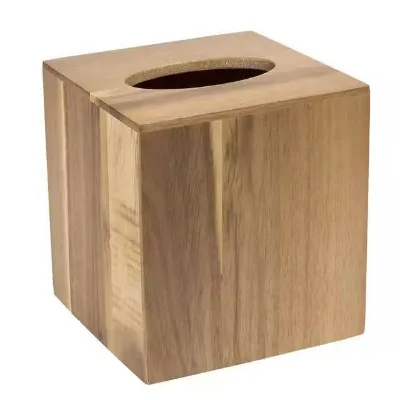

Luxury Decorative Square Shape Wooden Tissue Holder Classic Handmade Tissue Box
$4.50 - $5.50
MOQ: 200 Pieces

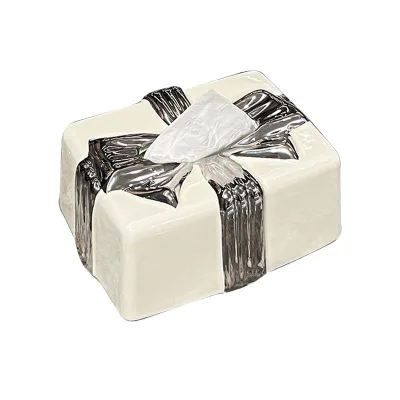


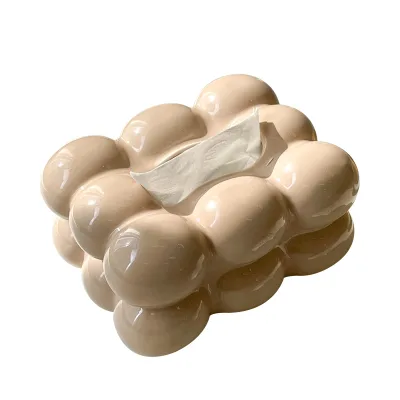
Luxury Living Room Decoration Marshmallow Shaped Decorative Ceramic Tissue Box
$3.50 - $4.90
MOQ: 100 Pieces


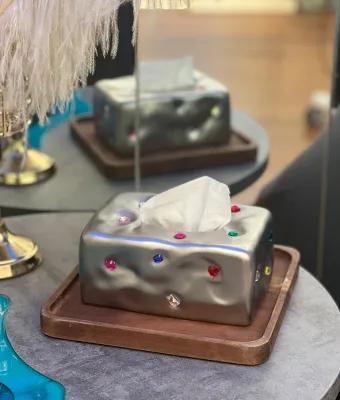


Comprehensive Sourcing Guide
Strategic Sourcing Guide for Modern Ceramic Tissue Boxes
The global market for home and office accessories has seen a sustained shift toward items that blend functional utility with aesthetic sophistication. Among these, the Modern Ceramic Tissue Box has emerged as a critical category for procurement teams in the hospitality, retail, and corporate gifting sectors. Sourcing these items requires a nuanced understanding of material science, manufacturing processes, and supply chain logistics. This guide provides a structured approach to evaluating suppliers and products, ensuring that procurement decisions are grounded in verified data and industry best practices rather than marketing assertions.
Understanding Material Composition and Physical Attributes
The foundation of any ceramic tissue box lies in its material composition. High-quality units typically utilize a blend of Sericite, Quartz, and Kaolinite. This specific triad of minerals is essential for achieving the desired structural integrity and thermal properties. Sericite contributes to the smoothness of the surface, while Quartz provides hardness and resistance to scratching. Kaolinite acts as the primary plasticizer, allowing the clay to be molded into complex shapes before firing. Buyers must verify that the supplier explicitly confirms this mineral composition, as lower-cost alternatives may substitute these with generic clay bodies that lack the necessary durability.
Physical dimensions and shape are equally critical for functional integration. The market offers a diverse range of forms, from rectangular and square profiles to more intricate designs. Standard specifications observed in the sector include dimensions such as 22139cm or larger formats like H9.8L26W14CM. The "modern" designation often implies clean lines and minimalist aesthetics, yet suppliers also offer styles ranging from Oriental to contemporary designs. When evaluating a product, procurement teams should cross-reference the stated dimensions against the intended application space. For instance, a box intended for a hotel bedside table requires different proportions than one designed for a corporate reception desk. The weight of the unit is another key indicator of quality; a standard ceramic tissue box often weighs approximately 1.2kg, suggesting a dense, high-fired body rather than a hollow, lightweight shell that might feel cheap or break easily.
Compliance, Safety Standards, and Regulatory Verification
For products intended for food-adjacent environments or general consumer use, regulatory compliance is non-negotiable. Ceramic items, particularly those with glazed surfaces, must undergo rigorous testing to ensure they do not leach harmful substances. Buyers should demand evidence of compliance with major international standards. Verified certifications often include SGS, FDA, PROP65, and LFGB. These standards address specific concerns: FDA and LFGB relate to food contact safety, ensuring that glazes do not release lead or cadmium; PROP65 addresses California's strict chemical exposure limits; and SGS provides third-party verification of material safety.
It is important to note that while some suppliers may claim compliance with standards like FSC, this certification is primarily associated with wood and paper products, not ceramics. Therefore, buyers should not rely on FSC claims for ceramic tissue boxes and should instead focus on the specific chemical safety certifications listed above. The surface decoration process, often described as "glazed," must be tested to ensure the finish is non-toxic and resistant to wear. A "High Toughness" attribute is frequently cited in product descriptions, which implies a specific firing temperature and cooling rate that enhances the material's resistance to chipping and cracking. Procurement teams must request current test reports that explicitly reference these standards rather than accepting generic "compliant" statements.
Cost Drivers, MOQ Structures, and Pricing Dynamics
The pricing of modern ceramic tissue boxes is influenced by a complex interplay of factors, including material costs, labor intensity, and order volume. The observed price range in the market is broad, spanning from $0.12 to $27 per unit. This variance is not merely a reflection of brand prestige but is heavily dictated by the complexity of the design, the quality of the glaze, and the scale of the order.
Minimum Order Quantity (MOQ) is a significant cost driver. Suppliers often operate on a tiered model where smaller orders incur higher per-unit costs due to setup and production inefficiencies. Observed MOQs can range from as low as 10 pieces for custom or sample orders to 1000 pieces for standard production runs, with some bulk orders extending to 90,000 units. For buyers with limited initial requirements, negotiating a lower MOQ is possible, but it often comes with a premium price. Conversely, larger orders allow for economies of scale, reducing the unit cost significantly.
Additional cost factors include the customization of packaging. While standard packing often involves polyfoam and cartons or simple gift boxes, custom packaging solutions can add to the overall cost. The "Customizable" attribute allows for branding and specific design requests, which requires additional tooling and labor. Buyers should also account for the "Sample Time" and "Delivery Time" in their budget planning. Sample lead times can vary from 3-5 days to 15-20 days, while full production delivery may take 40-50 days after sample confirmation. These timelines must be factored into the total landed cost to avoid delays in product launches.
Typical Applications and Design Versatility
The versatility of the Modern Ceramic Tissue Box makes it suitable for a wide array of applications. The primary use cases include home decoration, business gifts, garden decoration, and wedding favors. In the hospitality sector, these boxes are frequently deployed in hotels, restaurants, and offices, where they serve both a functional purpose and an aesthetic one. The "Design" aspect often features patterns such as plants or cotton candy motifs, aligning with the "Oriental" or "Modern" style preferences of different markets.
The application scenarios are generally categorized as "General," but specific environments dictate specific design choices. For example, a tissue box for a car or a specific office setting might require a compact, square shape with a "Convenient" design that fits easily into cup holders or desk drawers. In contrast, a garden decoration piece might prioritize durability and weather resistance, although standard ceramic is generally intended for indoor use. The "After-Sales Service" offering, such as "Damage Protection," is a critical consideration for buyers shipping large quantities. This service ensures that any breakage during transit is covered, which is vital for maintaining the quality of the final product delivered to the end customer.
Supplier Evaluation and Production Capabilities
Evaluating a supplier for ceramic tissue boxes requires a deep dive into their production capabilities and logistical strengths. The origin of the product is a key indicator of manufacturing expertise. Major production hubs include Hebei, Fujian, and Anhui in China. Each region may have specialized strengths; for instance, some areas are known for high-volume, cost-effective production, while others specialize in handcrafted, high-detail items. The "Process" attribute often distinguishes between "Handmade" and mass-produced items. Handmade pieces typically command a higher price and offer unique variations, whereas mass-produced items offer consistency and lower costs.
Buyers should verify the supplier's ability to handle OEM (Original Equipment Manufacturer) and ODM (Original Design Manufacturer) requests. The "OEM/ODM: Acceptable" and "Orders: OEM and ODM Are Welcomed" attributes indicate a supplier's flexibility in customizing products. This includes customizing the surface pattern, the shape, and the packaging. A robust supplier will have a dedicated team for sample development, ensuring that the "Sample Time" is met and that the final product matches the approved prototype. The "Product Name" and "Model Number" (e.g., RXCD39-A-B, BRTSZ231016-4) serve as unique identifiers for tracking and quality assurance. Buyers should ensure that the model numbers provided in the quotation match the technical specifications exactly to avoid receiving the wrong product.
Quality Control and Long-Term Procurement Strategy
Implementing a rigorous quality control (QC) protocol is essential for mitigating risks associated with ceramic procurement. The "High Toughness" and "Glazed" attributes must be verified through physical testing. This includes drop tests to assess impact resistance and chemical tests to verify glaze stability. The "Packing" method is also a critical component of quality control. Standard packing often involves a foam box within a carton to prevent breakage during shipping. However, for high-value or fragile custom items, a "Customized Package" or "Normal Safe Packing" with additional protective layers may be necessary.
Long-term procurement strategies should focus on building a relationship with suppliers who offer consistent quality and reliable lead times. The "Delivery Time" of 40-50 days for production after sample confirmation is a standard benchmark, but buyers should negotiate for expedited options if their market demands faster turnaround. The "After-Sales Service" of "Damage Protection" provides a safety net, but it is preferable to work with suppliers who have a low defect rate in the first place. Buyers should also consider the "Customization" aspect as a long-term differentiator. As market trends shift, the ability to quickly adapt designs, such as changing from a "Plants" pattern to a "Modern" geometric design, will be a significant competitive advantage.
Comparative Analysis of Product Specifications
To assist in the decision-making process, the following table summarizes key specifications observed across different product profiles. This comparison highlights the variability in dimensions, materials, and compliance standards that buyers must navigate.
| Feature | Profile A (Oriental Style) | Profile B (Modern Style) | Profile C (Custom/Handmade) |
|---|---|---|---|
| Shape | Rectangle / Square | Square | Customizable |
| Material | Sericite, Quartz, Kaolinite | Ceramic | Ceramic |
| Dimensions | 22139cm | H9.8L26W14CM | 101915cm |
| Surface Pattern | Plants | Modern / Custom | Handmade / Other |
| Standard Compliance | SGS, FDA, PROP65, LFGB | SGS, FDA, PROP65, LFGB | Varies by Supplier |
| MOQ | 1000 PCS | 10 PCS | 1000 PCS |
| Origin | Hebei / Fujian | China | Anhui |
| Packaging | Gift Box / Customized | Polyfoam and Carton | Foam box + Carton |
| Weight | ~1.2kg | ~1.2kg | Varies |
This table illustrates that while the core material remains consistent, the specific application and style dictate the dimensions and packaging requirements. Buyers should use this framework to match their specific needs with the appropriate product profile, ensuring that the selected item meets both functional and aesthetic criteria. By adhering to these guidelines, procurement teams can secure high-quality modern ceramic tissue boxes that enhance their brand value and satisfy end-user expectations.
FAQs
What materials are used to make modern ceramic tissue boxes?
Modern ceramic tissue boxes are typically made from a blend of Sericite, Quartz, and Kaolinite. This specific mineral composition ensures high toughness and structural integrity while allowing for complex shapes and smooth glazed surfaces suitable for home or office decoration.
Can suppliers provide custom packaging for these tissue boxes?
Yes, suppliers offer customizable packaging options including gift boxes, polyfoam, and cartons. Buyers can request specific packaging designs to match their branding needs, though this may affect the minimum order quantity and lead time for production.
Which certifications ensure the safety of glazed ceramic surfaces?
Verified safety certifications for these products include SGS, FDA, PROP65, and LFGB. These standards confirm that the glaze does not leach harmful substances, making the items safe for general consumer use and food-adjacent environments like dining tables.
How long does it take to receive samples of these boxes?
Sample delivery times typically range from 3 to 20 days depending on the supplier and design complexity. Some vendors can provide samples within 3 to 5 days, while others with more intricate customization requirements may need up to 20 days for preparation.
What is the typical minimum order quantity for bulk purchases?
Minimum order quantities vary significantly, ranging from 10 pieces for custom samples to 1000 pieces for standard production runs. Some suppliers may accept orders as low as 10 units, while larger bulk orders can extend up to 90,000 units for maximum economies of scale.
Which dimensions are common for rectangular ceramic tissue boxes?
Common dimensions include 22 by 13 by 9 cm or larger formats like 26 cm in length. Buyers should verify specific model numbers against their intended space, as sizes can vary from compact square profiles to elongated rectangular shapes designed for hotel or office desks.
Can buyers request OEM or ODM services for these products?
Yes, OEM and ODM services are acceptable and welcomed by most manufacturers in this category. Suppliers can customize surface patterns, shapes, and branding, allowing businesses to create unique products that align with their specific design requirements and market positioning.