Source Modern Cashmere Sofa for offices, hotels, and apartments
Explore 30 listings of Modern Cashmere Sofa options suitable for offices, hotels, and apartments. Buyers can compare specifications, materials, and pricing to find the right furniture for commercial or residential spaces.
Key considerations
Products List
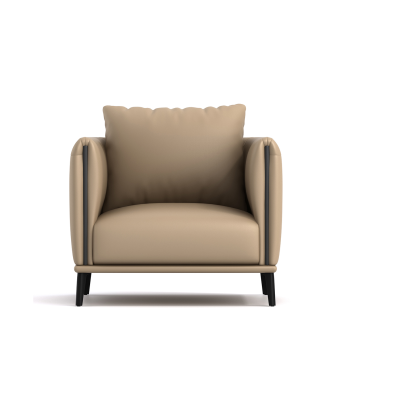


Home Furniture Home Sofa Luxury Couch Modern Sofa Hotel Furniture Luxury Modern Sofa
$2198.00 - $4280.00
MOQ: 1 Pieces

Hotel Furniture Home Sofa Modern Sofa Luxury Modern Sofa Living Room Sofa
$982.00 - $1171.00
MOQ: 1 Pieces

Home Fureniture Home Couche Modern Sofa Hotel Sofa Living Room Leather Sofa
$1865.00 - $2478.00
MOQ: 1 Pieces

Living Room Sofa Home Furniture Living Room Furniture Luxury Modern Sofas
$876.00 - $1322.00
MOQ: 1 Pieces


Comprehensive Sourcing Guide
Strategic Sourcing Guide for Modern Cashmere Sofas in the Commercial Sector
Procuring modern cashmere sofas for commercial environments requires a nuanced understanding of material authenticity, structural integrity, and compliance standards. While the term "cashmere" often evokes images of ultra-soft, luxury residential textiles, in a B2B procurement context, buyers must distinguish between genuine cashmere blends and high-performance synthetic alternatives that mimic the aesthetic. The current market offers a diverse array of options ranging from pure fabric blends to synthetic leathers and velvet, each serving different durability and maintenance profiles. This guide outlines the critical factors for sourcing these items, focusing on technical specifications, regulatory compliance, cost structures, and supplier evaluation based on observed industry data and standard procurement practices.
Technical Specifications and Material Verification
The foundation of any successful sofa procurement lies in verifying the exact material composition and structural specifications. In the observed market data, product attributes vary significantly, with some listings specifying "Synthetic Leather," "Genuine Leather," "Fabric," "Velvet Fabric," or "Linen Fabric." When searching for a "Modern Cashmere Sofa," buyers must scrutinize the "Material" and "Upholstery Options" fields to ensure the product matches the desired tactile and visual profile. Genuine cashmere is a natural fiber known for its softness but can be prone to wear in high-traffic commercial settings. Consequently, many modern commercial sofas utilize blends or high-quality synthetics that offer the cashmere look with enhanced durability.
Structural specifications are equally critical. The frame material is a primary determinant of longevity; observed data indicates that "Wood" and "Ash Wood" are common frame materials, often paired with "Stainless Steel" for legs or structural reinforcement. The "Padding" is typically "Sponge," which provides the necessary cushioning for comfort. Buyers should verify the "Back Height," as modern designs often feature "Medium Back" configurations to balance aesthetics with ergonomic support. Furthermore, the "Size" dimensions must align with the intended space. Observed listings show repetitive dimensions such as w860d800h800, indicating a standardized modular approach. However, customization is frequently available, allowing for tailored dimensions to fit specific office or hotel layouts. The "Sofa Type" is often listed as a "Set," suggesting that procurement should consider the entire suite (e.g., 1+2+Style) rather than individual units to ensure design consistency.
Compliance, Certification, and Safety Standards
In the commercial furniture sector, compliance with safety and environmental standards is non-negotiable. Buyers must verify that suppliers adhere to recognized fire retardant standards, as fire safety is a primary concern in public spaces like hotels, offices, and restaurants. Observed data references specific standards such as "BS" (British Standards) for fire retardancy, which is a common benchmark in international trade. Additionally, environmental certifications play a vital role in modern procurement strategies. The market data lists several high-value certifications including "EPA," "TECO," "CARB," "FSC," "REACH," and "Oeko-Tex Standard."
These certifications indicate adherence to strict regulations regarding volatile organic compounds (VOCs), formaldehyde emissions, and sustainable sourcing of raw materials like wood. For instance, "FSC" certification ensures that the wood used in the frame comes from responsibly managed forests, while "Oeko-Tex Standard" verifies that the fabric is free from harmful substances, which is crucial for indoor air quality. When sourcing a Modern Cashmere Sofa, buyers should explicitly request proof of these certifications. If a supplier claims compliance with "Standard" or "Standard Export Package," the buyer must clarify the specific test protocols used, as generic claims do not guarantee safety. The "Condition" of the product should always be "New," and the "Fire Retardant Standard" must be explicitly stated in the contract to avoid liability issues during inspections.
Cost Drivers and Pricing Dynamics
Understanding the cost drivers for modern cashmere sofas is essential for budgeting and negotiation. The observed price range in the market spans from $89 to $4,280 USD, a wide disparity that reflects differences in material quality, brand positioning, and customization levels. The "Selling Units" are typically listed as "Single item," but the "Sofa Type" often implies a set configuration, which can significantly impact the total cost. Several factors influence the final price:
- Material Composition: Genuine leather or high-grade cashmere blends will command a premium over synthetic leather or standard fabric options.
- Customization: The availability of customization for color, size, and upholstery options adds value but increases the unit cost.
- Certifications: Products with comprehensive certifications (EPA, FSC, REACH) often carry a higher price point due to the cost of compliance and testing.
- Lead Time: Shorter lead times or expedited shipping options may incur additional fees.
Buyers should be wary of prices that seem unusually low, as they may indicate compromised quality or a lack of necessary certifications. Conversely, the upper end of the price range likely reflects premium materials and extensive customization. The "MOQ" (Minimum Order Quantity) observed ranges from 1 to 50 units, offering flexibility for both small offices and large hotel chains. Understanding these variables allows buyers to negotiate effectively and allocate budget resources to the most critical aspects of the purchase, such as durability and safety.
Typical Applications and Usage Scenarios
Modern cashmere sofas are versatile pieces designed for a wide range of commercial applications. The observed data highlights "Home Office," "Office Building," "Hotel," "Resort," "Restaurant," and "Apartment" as primary use cases. The "General Use" is categorized as "Commercial Furniture," indicating that these pieces are engineered to withstand higher traffic and usage frequencies than residential furniture.
In an office setting, the "Style" is often "Modern" or "Contemporary," providing a professional yet inviting atmosphere for meeting rooms or lounge areas. The "Design Style" being "Contemporary" suggests clean lines and a minimalist aesthetic that fits well with modern corporate interiors. For hospitality venues like hotels and resorts, the "Upholstery Options" such as "Velvet Fabric" or "Leather" are particularly relevant, as they offer a luxurious feel that enhances the guest experience. The "Application" field also lists "Home, Office, Apartment, Hotel," confirming the adaptability of these designs across different sectors.
When selecting a sofa for a specific application, buyers should consider the "General Purpose" and "Activity" levels. For high-traffic areas like hotel lobbies or restaurant waiting zones, durability and ease of cleaning are paramount. The "Padding" material, typically "Sponge," should be of high density to maintain shape over time. Additionally, the "Inflatable" attribute is noted as "Non Inflatable," confirming that these are solid, permanent structures rather than temporary seating solutions.
Supplier Evaluation and Production Capabilities
Evaluating potential suppliers requires a thorough assessment of their production capabilities, location, and reliability. The observed data indicates that the "Place of Origin" is primarily "Guangdong, China," with specific mentions of "Longjiang Town, Shunde District, Foshan City," a region renowned for its furniture manufacturing cluster. This concentration of suppliers suggests a mature supply chain with access to high-quality raw materials and skilled labor.
Key evaluation criteria include the "Lead Time," which ranges from 25-30 days to 30-45 days depending on the order complexity. Buyers should verify if the supplier offers "Made-to-Order" services, as indicated by the "Status" attribute, which allows for greater customization. The "Paytime Item" options, such as "T/T" (Telegraphic Transfer) and "L/C" (Letter of Credit), provide secure payment methods for international transactions. Furthermore, the "Warranty Time" of 3 years is a strong indicator of supplier confidence in product quality.
Suppliers should also demonstrate flexibility in "Packing" options. Observed data lists "Standard Export Package," "EPE-Bubble Bag + Cardboard," "Woven Bag," and "Wooden Box." Proper packaging is crucial for preventing damage during transit, especially for items with delicate upholstery. The ability to provide "Samples" for a charge is another positive sign, allowing buyers to physically inspect the quality before committing to a large order. Buyers should avoid suppliers who cannot provide clear documentation regarding their "Model Number" (e.g., gr652, Bella Sanna Sofa, Moon02) or who lack transparency about their production processes.
Quality Control and Long-Term Procurement Considerations
Ensuring long-term value requires a robust quality control (QC) strategy. Buyers must verify that the "Condition" is strictly "New" and that the "Standard" meets or exceeds industry norms. The "Fire Retardant Standard" must be consistently applied across all units, and the "Frame Material" (Wood/Ash Wood) must be free from defects. Regular inspections should focus on the "Upholstery Options" to ensure that the fabric or leather is consistent in color and texture, as variations can be visually jarring in a commercial setting.
Long-term procurement considerations also include the availability of spare parts and the ease of maintenance. The "Customization" feature allows for specific design needs, but buyers should ensure that replacement cushions or fabric panels are available in the future. The "Color" options, listed as "Other" or "as Picture or Customized," should be carefully managed to maintain brand consistency. Additionally, the "Metel" (Metal) components, such as "Golden / Silver Stainless Steel," should be checked for corrosion resistance, especially in humid environments like hotel lobbies.
Finally, buyers should consider the "Delivery Time" and "Lead Time" in their overall project timeline. A lead time of 25-45 days is standard, but delays can occur due to supply chain disruptions. Establishing a clear communication channel with the supplier and defining "Standard" or "Customised" quality benchmarks in the contract will help mitigate risks. By focusing on these technical, compliance, and operational factors, buyers can secure modern cashmere sofas that meet their aesthetic and functional requirements while ensuring long-term durability and safety.
FAQs
What materials are used for modern cashmere sofas?
Modern cashmere sofas typically use synthetic leather, genuine leather, or fabric options like velvet and linen. While cashmere blends exist, many commercial units prioritize durability with sponge padding and wood frames.
Which certifications ensure safety for commercial use?
Look for EPA, FSC, REACH, and Oeko-Tex Standard certifications to ensure safety and environmental compliance. These verify low VOC emissions and sustainable wood sourcing, which are critical for office and hotel environments.
Can I customize the size and color of the sofa?
Yes, customization is available for color, size, and upholstery options to match specific design needs. Buyers can request tailored dimensions and fabric choices, though this may affect the lead time and unit cost.
How long does it take to deliver these sofas?
The standard lead time ranges from 25 to 45 days depending on order complexity and customization. Suppliers typically operate from Guangdong, China, with specific delivery windows varying by manufacturer capacity and current order volume.
What is the minimum order quantity for these items?
The minimum order quantity ranges from 1 to 50 units, offering flexibility for small offices or large hotel chains. Single item selling units are common, but sets are often recommended for consistent design in commercial spaces.
Are these sofas suitable for hotel and office use?
Yes, they are designed for commercial furniture applications including offices, hotels, resorts, and apartments. The modern style and durable construction with medium back height support high-traffic environments effectively.
What warranty is provided for the sofa frame?
A warranty time of 3 years is typically provided to cover structural integrity and material defects. This warranty applies to new condition items and ensures reliability for long-term commercial usage in various settings.