Source Modern Cross Back Accent Chair for Events Hotels Restaurants
Compare 30 Modern Cross Back Accent Chair options from Qingdao suppliers with prices ranging from 1.9 to 5000 USD. Buyers can evaluate materials like wood, customization availability, and lead times for banquet, hotel, and home usage.
Key considerations
Products List


High Back Modern Leather Leisure Armchair Room Brown Accent Furniture Living Room Chair
$250.00 - $5000.00
MOQ: 10 Pieces


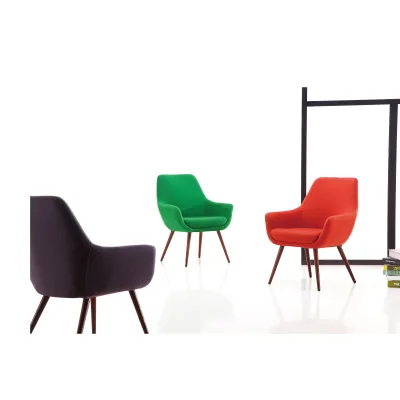


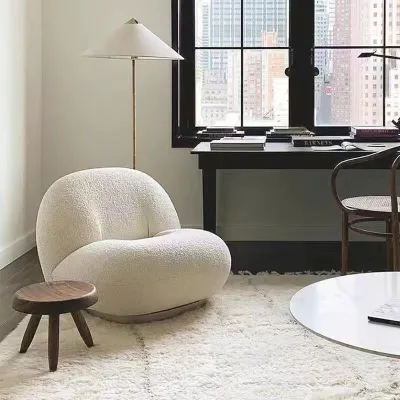


Comprehensive Sourcing Guide
Strategic Sourcing Guide for Modern Cross Back Accent Chairs
Understanding the Product Category and Design Variants
The Modern Cross Back Accent Chair represents a specific intersection of traditional craftsmanship and contemporary interior design. In the context of B2B procurement, this category is defined by a distinct structural feature: two wooden slats on the backrest that intersect in an "X" shape. This design, often referred to as a "cross back" or "antique cross back" configuration, provides both aesthetic appeal and structural rigidity. Buyers must recognize that while the core design element remains consistent, the market offers significant variation in materials, dimensions, and finish.
Procurement data indicates that these chairs are frequently categorized under specific model numbers, such as F1011 or F1010, which often denote specific variations in the cross-back geometry or the type of wood used. The "modern" descriptor in the keyword suggests a preference for clean lines and minimal ornamentation, distinguishing these pieces from more ornate Victorian or Rococo styles. However, the term "antique" is also frequently applied to the same structural design, indicating a vintage-inspired finish rather than a literal age.
When evaluating the product range, buyers should note that the shape of the seat and the overall footprint can vary. Observed listings include both square and rectangular seat configurations. The square variant is often associated with a more compact, traditional footprint, while the rectangular version may offer a slightly more elongated seating area. The back height is typically classified as "medium," providing adequate lumbar support without obstructing the view in open-plan dining or event spaces. The frame construction is generally described as "assembled," meaning the chairs arrive fully built, ready for immediate deployment, which is a critical factor for logistics planning in the hospitality and event sectors.
Technical Specifications and Material Composition
A rigorous understanding of technical specifications is essential for ensuring that the selected chairs meet the functional requirements of the intended environment. The primary material for the Modern Cross Back Accent Chair is wood, with specific species such as beech and oak frequently cited in high-quality listings. These hardwoods are preferred for their durability, resistance to wear, and ability to take a high-quality finish. The choice between beech and oak can influence the final aesthetic; beech often provides a lighter, more uniform grain, while oak offers a more pronounced, textured appearance.
Dimensions are a critical variable in this category. Standard specifications observed in the market include a size of approximately 45cm in width, 50cm in depth, and 90cm in height. Other variations exist, such as a model with dimensions of 42cm in width, 42cm in depth, and 88cm in height. These slight variations can impact stackability and the spatial efficiency of the furniture arrangement. Buyers must verify the exact dimensions against their floor plans, particularly for banquet or restaurant settings where space optimization is paramount.
The weight of the unit is another vital specification. A typical modern cross back chair weighs approximately 4.5 kilograms. This weight class suggests a solid construction that is stable for adult use but heavy enough to prevent tipping during high-traffic events. The chair is designed for a single seater and typically features a fixed rotary mechanism, meaning the legs do not swivel. This fixed base is standard for dining and banquet chairs, providing a stable platform for seated activities.
Color options are diverse, with white and brown being the most common finishes observed. The choice of color often dictates the compatibility with existing interior design schemes. A white finish may be preferred for modern, minimalist, or coastal themes, while a brown finish aligns with traditional, rustic, or warm contemporary aesthetics. The surface finish is usually a result of the wood treatment process, which may involve staining, varnishing, or painting. Buyers should request physical samples to verify the color accuracy and the quality of the finish, as digital representations can vary significantly from the actual product.
Compliance, Certification, and Quality Standards
In the B2B procurement of furniture, compliance with safety and quality standards is non-negotiable. The Modern Cross Back Accent Chair is subject to various quality grading systems. Market data indicates that products are often categorized into Grade A, Grade B, or Grade C. Grade A typically represents the highest quality, with minimal defects and superior finish consistency, while Grade C may include items with minor cosmetic imperfections. Understanding these grades is crucial for budget allocation and expectation management.
Certification plays a significant role in verifying the safety and environmental standards of the product. Trusted certifications such as SGS and TUV are frequently associated with high-quality wooden furniture. These certifications often cover structural integrity, chemical safety (such as formaldehyde emissions), and fire resistance. While FSC (Forest Stewardship Council) certification is a relevant standard for sustainable wood sourcing, its presence should be verified on a case-by-case basis, as it is not universally applied to all listings in this category.
Buyers must also consider the warranty terms provided by the supplier. A standard warranty period for these chairs is often two years, covering manufacturing defects and structural failures. This warranty serves as a key indicator of the supplier's confidence in their product quality. Additionally, the packaging standard is a critical component of the supply chain. High-quality products are typically packed in double-wall corrugated cartons, which provide enhanced protection against crushing and moisture during transit. Some listings specify a packing density of 9 or 10 pieces per carton, which is essential for calculating shipping volumes and costs.
Cost Drivers and Pricing Dynamics
The pricing of modern cross back accent chairs is influenced by a complex interplay of factors, including material costs, labor intensity, and order volume. The observed price range in the market is broad, spanning from approximately $1.90 to $5,000 per unit. This wide disparity is not indicative of a single product but rather reflects the diversity of the category, ranging from basic, mass-produced units to premium, handcrafted pieces.
The primary cost driver is the material. Chairs made from solid oak or high-grade beech will command a higher price than those made from lower-grade wood or composite materials. The finish also plays a significant role; custom stains, high-gloss lacquers, or hand-applied finishes increase production costs. Labor intensity is another factor; chairs with intricate joinery or custom carving will be more expensive than those with simple, machine-cut designs.
Order volume is a critical determinant of the final unit price. The Minimum Order Quantity (MOQ) varies significantly, with some suppliers requiring orders of 100 chairs, while others may accept orders as low as 1 unit for sample purposes. However, the standard MOQ for bulk procurement is often set at 100 chairs. Meeting this threshold can unlock significant volume discounts. Lead times also impact cost; standard production lead times are around 20 days, but expedited orders or specific customizations may incur additional charges or require longer lead times, such as 10 days for larger batches of 400 chairs.
Buyers should be aware that "customization" is a major cost variable. While many suppliers offer customization options, including logo placement or specific color requests, these services often come with a premium. The availability of samples is another cost consideration; while some suppliers offer free samples, others may charge for the sample unit and shipping. Understanding these cost drivers allows buyers to negotiate more effectively and align their procurement strategy with their budget constraints.
Typical Applications and Usage Scenarios
The Modern Cross Back Accent Chair is a versatile piece of furniture designed for a wide range of applications. The primary usage scenarios include events, parties, banquets, and restaurants. In the hospitality sector, these chairs are favored for their durability and aesthetic appeal. They are particularly well-suited for hotel dining rooms, banquet halls, and event venues where a blend of comfort and style is required. The "medium back" height provides adequate support for long dining experiences without feeling restrictive.
Beyond the hospitality industry, these chairs are increasingly popular in residential settings. They are commonly used in living rooms, dining rooms, and home offices. The "modern" style fits seamlessly into contemporary interior design trends, while the "cross back" element adds a touch of classic elegance. The chair's compact size and stackable nature (depending on the specific model) make it ideal for multi-purpose rooms where space is at a premium.
The "Kind" of chair is often categorized as a "Restaurant Chair" or a "Leisure Chair," reflecting its dual functionality. In a restaurant setting, the chair must withstand frequent use and cleaning, which is why the wood material and robust construction are essential. In a home setting, the focus shifts slightly towards comfort and aesthetic integration. The "Rotary" feature, or lack thereof, is a key differentiator; fixed-base chairs are standard for dining, while rotary options may be preferred for lounge or bar settings.
Buyers should consider the specific environment when selecting the chair. For high-traffic commercial spaces, the Grade A quality and SGS/TUV certifications are critical to ensure longevity and safety. For residential use, the aesthetic finish and color options may take precedence. The "Usage" field often lists "Hotel, Home," indicating the broad applicability of the product. Understanding these diverse applications helps buyers select the right specification for their specific needs, ensuring that the furniture performs well in its intended environment.
Supplier Evaluation and Procurement Strategy
Evaluating suppliers for modern cross back accent chairs requires a multi-faceted approach that goes beyond price comparison. The origin of the product is a significant factor, with Qingdao, China, being a prominent manufacturing hub for this category. Buyers should verify the supplier's location and production capabilities to ensure they can meet the required quality and volume standards. The "OEM" (Original Equipment Manufacturer) acceptance is a key indicator of a supplier's flexibility; suppliers that accept OEM orders can produce custom designs, logos, and specifications, which is valuable for branding and unique project requirements.
The sample process is a critical step in supplier evaluation. Buyers should request samples to assess the build quality, finish, and comfort of the chair. While some suppliers offer free samples, others may charge for the unit and shipping. The "Sample" attribute is a vital tool for validating the product before committing to a large order. Buyers should inspect the sample for consistency in the cross-back joinery, the stability of the legs, and the quality of the wood grain.
Lead time management is another crucial aspect of the procurement strategy. Standard lead times are around 20 days, but this can vary based on order volume and customization. For urgent projects, buyers should confirm if expedited production is possible, noting that some suppliers offer a 10-day lead time for specific batch sizes like 400 chairs. The packaging standard, typically double-wall corrugated cartons, should be verified to ensure the product arrives in pristine condition.
Finally, buyers should assess the supplier's responsiveness and communication. A reliable supplier will provide clear information on certifications, grading, and warranty terms. The "Customized" attribute indicates that the supplier can accommodate specific requests, but buyers must clarify the scope and cost of these customizations upfront. By focusing on these evaluation criteria, buyers can build a robust supply chain that delivers high-quality modern cross back accent chairs reliably and efficiently.
Long-Term Procurement Considerations and Maintenance
Sourcing modern cross back accent chairs is not just a one-time transaction but part of a long-term procurement strategy. Buyers should consider the lifecycle of the product, including maintenance, repair, and replacement. The "Warranty" of two years provides a baseline for product reliability, but buyers should also inquire about the availability of spare parts or repair services. Wooden furniture requires specific care to maintain its appearance and structural integrity, and suppliers should provide guidance on cleaning and maintenance.
Sustainability is an increasingly important factor in long-term procurement. While FSC certification is not universally present, buyers should inquire about the sourcing of the wood and the environmental impact of the manufacturing process. The use of non-toxic finishes and sustainable forestry practices can enhance the brand value of the buyer's business, particularly in the hospitality and residential sectors where eco-consciousness is a growing trend.
Scalability is another consideration. As a business grows, the demand for furniture may increase. Buyers should ensure that their supplier can scale production to meet future needs without compromising quality. The "MOQ" of 100 chairs is a starting point, but buyers should negotiate terms that allow for flexible ordering as their requirements evolve. The "Package" and "Standard" attributes should be consistent across orders to ensure uniformity in the product line.
Finally, buyers should monitor market trends and design evolution. The Modern Cross Back Accent Chair is a timeless design, but finishes and materials may change over time. Maintaining a relationship with a supplier who can adapt to these changes ensures that the buyer's inventory remains relevant and competitive. By focusing on these long-term considerations, buyers can build a sustainable and resilient procurement strategy for modern cross back accent chairs.
FAQs
What certifications do modern cross back accent chairs have?
These chairs typically carry SGS and TUV certifications to verify safety and quality standards. Buyers should verify specific grade levels, such as Grade A, B, or C, as these indicate the finish quality and defect tolerance for bulk orders.
Can I customize the color or design of these chairs?
Customization is available for color options like white or brown and specific design requests. However, some listings specify non-customized options, so buyers must confirm the customization status and any associated MOQ requirements before placing an order.
What are the standard dimensions for this chair model?
Standard dimensions vary by model, with common sizes being 45 by 50 by 90 cm or 42 by 42 by 88 cm. These measurements define the seat shape and overall footprint, which are critical for fitting the chairs into specific dining or event spaces.
How long is the production lead time for these chairs?
The standard lead time is approximately 20 days for general orders. Specific batch sizes, such as 400 chairs, may have a lead time of 10 days, depending on the supplier's capacity and current production schedule.
What is the minimum order quantity for these chairs?
The typical minimum order quantity is 100 chairs for bulk procurement. Some suppliers may accept lower quantities for samples, but the standard commercial threshold for securing the unit price is usually set at this 100-unit level.
Which materials are used to construct these cross back chairs?
These chairs are primarily constructed from wood, with beech and oak being common species used for durability. The material choice affects the weight, which is typically around 4.5 kilograms, and the overall aesthetic finish of the furniture.
Where are these chairs manufactured and shipped from?
The chairs are manufactured and shipped from Qingdao, China, a prominent hub for this furniture category. Buyers should account for this origin when calculating shipping costs and logistics timelines for international procurement.