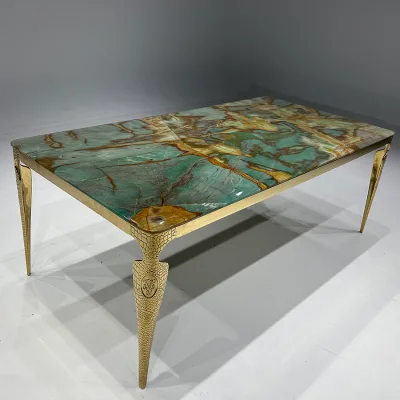
Source Modern Green Marble Dining Table for Hotel, Home, and Restaurant
Explore 30 listings for the Modern Green Marble Dining Table, featuring options with metal frames, tempered glass, and various finishes. Buyers can compare specifications like dimensions, materials, and customization availability for hotel, home, and restaurant applications; compare the available evidence and request quotations based on your requirements.
Updated
Key considerations
Products List


$150.00 - $180.00
MOQ: 30 Pieces


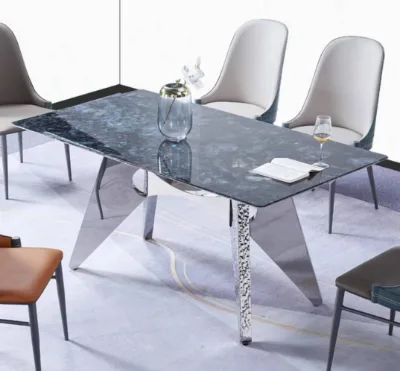


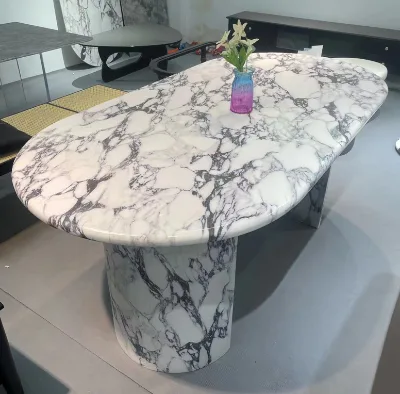


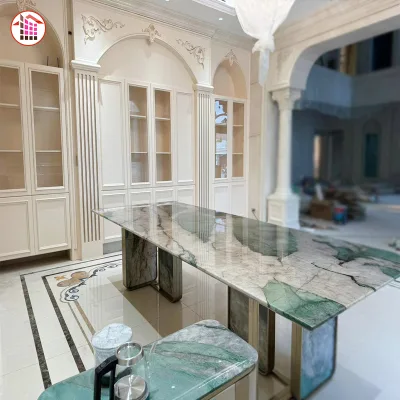
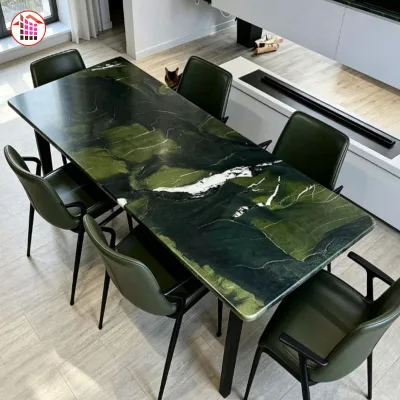
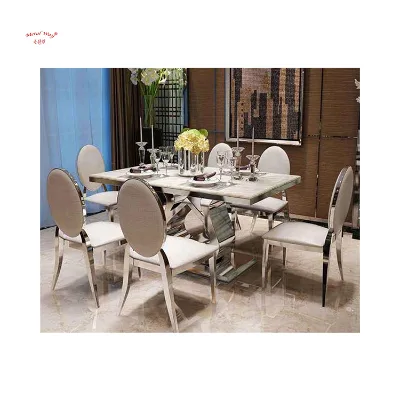
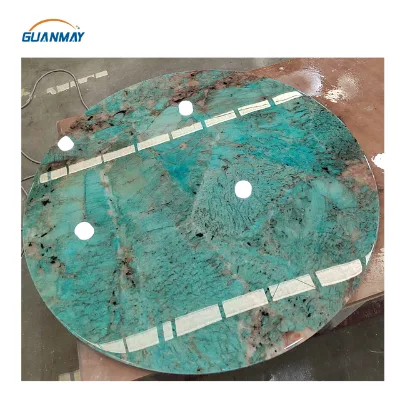
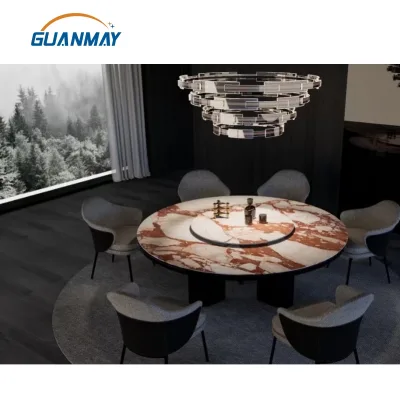
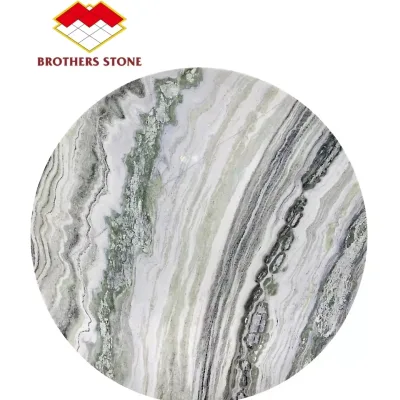
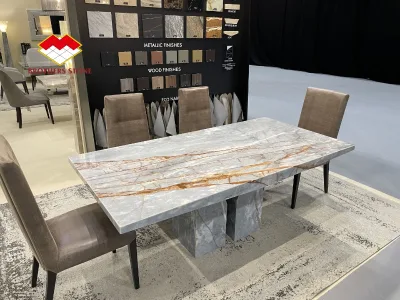
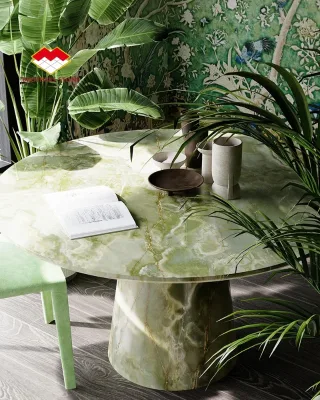
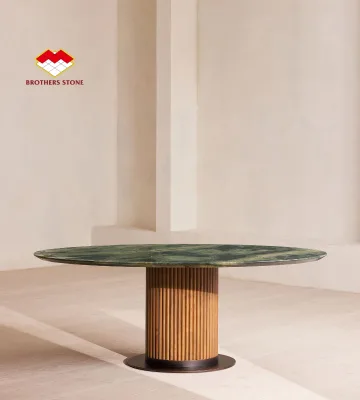
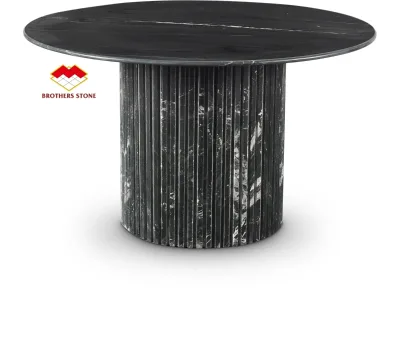
Comprehensive Sourcing Guide
Modern Green Marble Dining Table Sourcing Guide
Sourcing a Modern Green Marble Dining Table requires careful attention to material authenticity and structural integrity, as the market contains both genuine stone and artificial alternatives. Buyers must distinguish between natural green marble, which offers unique veining and premium aesthetics, and engineered or artificial marble, which provides consistency and durability. The supplied data indicates that many listed products utilize 20mm artificial marble, suggesting a strong market segment focused on cost-effective, uniform finishes rather than high-end natural stone. This distinction is critical for procurement teams defining budget constraints and aesthetic expectations for hotel or residential projects.
The visual appeal of these tables often relies on specific color palettes and surface treatments, with white and black glass options frequently paired with metal frames. While the core keyword specifies green marble, the observed listings highlight white marble and various glass colors, indicating that "green" may be a specific variant or a broader category encompassing stone-look finishes. Procurement specialists should verify the exact stone type and color consistency across batches, as natural variations can impact the uniformity required for large-scale hospitality installations. Understanding these material nuances ensures that the final product aligns with the design intent and quality standards of the end client.
Product Scope and Observed Listing Signals
The current market landscape for modern dining tables reveals a diverse range of configurations, with observed models such as OKT-XXX, OKT-2306, and 952-1# representing different design approaches. These products typically feature rectangular or round shapes, with dimensions ranging from 140-200cm in length, catering to various seating capacities. The presence of both folded and unfolded states in the data suggests versatility in storage and transportation, a valuable feature for space-constrained environments. Buyers should evaluate these physical attributes against their specific spatial requirements, ensuring that the table’s footprint and structural form factor meet the functional needs of the intended setting.
Customization options are prominently available, with suppliers offering OEM and ODM services to tailor designs to specific brand identities. The observed MOQ of 30 sets indicates a threshold for personalized orders, balancing production efficiency with bespoke requirements. Additionally, the availability of different glass colors, including black, frosted, and patterned options, allows for significant aesthetic flexibility. Procurement teams should leverage these customization capabilities to create cohesive dining environments, while being mindful of the lead times and minimum order quantities associated with non-standard configurations.
Technical Specifications to Verify
Verifying technical specifications is paramount to ensuring the longevity and safety of the dining table. Key structural components include the frame material, with 1.2mm 201# stainless steel being a common choice, and the tabletop material, which may be 12-15mm tempered glass or 20-40mm artificial marble. Buyers must confirm the thickness and quality of these materials, as thinner glass or lower-grade marble can compromise durability. The rotary mechanism, if present, should be tested for smoothness and stability, ensuring that the table remains fixed or rotates as intended without wobbling or excessive friction.
Packaging and logistics details also play a crucial role in the procurement process. Standard export cartons with wooden frames or waterproof plastic bags and foam boards are used to protect the fragile components during transit. The observed gross weight of approximately 120-123kg per piece highlights the substantial mass of these tables, necessitating careful handling and appropriate freight arrangements. Buyers should verify the carton dimensions and CBM to optimize shipping costs and ensure that the packaging meets the rigors of international logistics, minimizing the risk of damage upon arrival.
Compliance and Safety Documentation
Compliance with international safety and quality standards is essential for modern dining furniture, particularly in commercial settings like hotels and restaurants. While specific certifications such as CE and ISO 9001:2015 are mentioned in the background context, buyers must request current, valid certificates from the supplier to verify adherence to these standards. These documents confirm that the manufacturing processes and final products meet rigorous safety and quality benchmarks, reducing liability risks for the buyer. Procurement teams should ensure that all documentation is up-to-date and covers the specific models being ordered.
Safety features, such as the use of tempered glass and stable metal frames, contribute to the overall safety profile of the dining table. Buyers should verify that the glass meets relevant impact resistance standards and that the metal components are free from sharp edges or defects. Additionally, the warranty period, typically ranging from one to three years, provides a layer of protection against manufacturing defects. Understanding the terms and conditions of the warranty is crucial, as it defines the supplier’s responsibility for repairs or replacements, ensuring long-term satisfaction and operational continuity.
Cost Drivers and Commercial Terms
The cost of a modern dining table is influenced by several factors, including material quality, customization level, and order volume. The observed price range of 30-3000 USD reflects the diversity in product tiers, from basic artificial marble tables to premium designs with intricate glasswork. Buyers should analyze the cost breakdown to understand the value proposition of each option, considering the long-term durability and aesthetic appeal. Higher-priced items may offer superior materials or more complex designs, but the decision should be driven by the specific needs and budget of the project.
Commercial terms, such as MOQ and lead times, also impact the overall cost and planning. The standard MOQ of 30 sets requires buyers to commit to a significant volume, which can be advantageous for large projects but challenging for smaller orders. Lead times, while not explicitly stated, are typically influenced by the customization level and production schedule. Buyers should negotiate clear terms regarding payment methods, shipping responsibilities, and delivery schedules to avoid unexpected costs or delays. Transparent communication with the supplier is key to managing expectations and ensuring a smooth procurement process.
Supplier Qualification and Quality Control
Selecting a qualified supplier is critical to securing high-quality modern dining tables. Buyers should verify the supplier’s business type, with manufacturers often offering better control over quality and pricing compared to trading companies. The observed data indicates that many suppliers are located in Foshan City, a major hub for furniture manufacturing in China, which can be a positive indicator of industry expertise. However, buyers must conduct thorough due diligence, including site visits or third-party audits, to confirm the supplier’s capabilities and reliability.
Quality control measures should be established before production begins, including pre-production samples and in-process inspections. Buyers should define clear acceptance criteria for materials, dimensions, and finishes, ensuring that the final product meets the specified standards. Regular communication with the supplier during the production phase can help identify and address potential issues early, reducing the risk of defects. Implementing a robust quality control plan ensures that the procurement process results in products that meet the buyer’s expectations and satisfy the end users.
Long-Term Procurement Checks
Long-term procurement success depends on establishing strong relationships with suppliers and implementing continuous improvement strategies. Buyers should monitor supplier performance over time, tracking metrics such as delivery accuracy, product quality, and responsiveness to issues. Regular feedback loops can help identify areas for improvement and foster a collaborative partnership. Additionally, staying informed about market trends and new product developments can provide opportunities for innovation and cost savings in future orders.
Maintenance and support are also key considerations for long-term procurement. Buyers should ensure that the supplier provides adequate after-sales support, including spare parts and technical assistance. The warranty period should be clearly understood, and any claims should be processed efficiently to minimize downtime. By focusing on these long-term aspects, buyers can ensure that their investment in modern dining tables delivers sustained value and supports the operational goals of their business.
FAQs
What table sizes are available for the Modern Green Marble Dining Table?
Listed models come in several standard dimensions, including 140-200*80*75cm, 200*100*75cm, and 180*90*75cm configurations. These cover rectangular and round shapes suitable for hotel or home dining spaces. Customization is available, so dimensions outside the listed standards can usually be discussed with the manufacturer before ordering.
What is the minimum order quantity for these dining tables?
The observed MOQ is 30 sets, though some listings allow orders starting from one unit. Because customization is available and OEM or ODM service is accepted, buyers should confirm the exact MOQ for their chosen model, finish, and customization level directly with the manufacturer before placing an order.
Can I customize the tabletop and frame finish of the dining table?
Yes, customization is available and OEM or ODM service is accepted. Glass tops can be specified in black, clear, grey, frosted, or patterned finishes, while stainless steel frames come in gold, rose gold, silver, blue, gray, brushed, or white. Artificial marble thickness can range from 20mm to 40mm depending on the model.
What materials are used in the tabletop and frame construction?
Tables typically feature tempered glass between 12mm and 15mm thick or artificial marble from 20mm to 40mm thick on the tabletop. Frames use 1.2mm 201# stainless steel. Specific material combinations vary by model, so confirm the exact configuration for the model number you intend to purchase before ordering.
How are the dining tables packed for export shipping?
Packing uses standard export cartons with a wooden frame, or standard cartons combined with a waterproof plastic bag and foam board. Some models are packed one piece across four cartons, with volumes around 0.43 to 0.46 cubic meters per piece and gross weights near 120 to 123 kilograms per piece.
What warranty and loading terms apply to these tables?
Warranty periods listed range from one to three years, with some models offering a two-year warranty. Loading ports are Shenzhen and Guangzhou, and the products originate from Foshan City, Guangdong, China. Buyers should confirm the specific warranty duration and shipping terms for their selected model with the manufacturer.