Marble Effect Quartz Slab Suppliers and Manufacturers
Compare 22 Marble Effect Quartz Slab suppliers in China Guangdong by response time, lead time, certifications, and pricing. Review product specs like thickness and surface finishing before contacting factories for samples; review the available evidence before requesting comparable quotations from suitable candidates.
Updated
Suppliers List

Shenzhen Leeste Industry Co., Ltd.
- Trading Company
- China Guangdong
- Lead time15 days
- Avg. response≤ 8h
Main productsGranite, Marble, Sandstone, Slate, Travertine, Basalt, Granite Tiles, Countertops, Marble Tiles, Marble Slabs
Main marketsAustralia,North America

- Verified by TUVRHEINLAND
- Trading Company,Manufacturer/Factory
- China Guangdong
- Lead time0 days
- Avg. response≤ 4h
Main productsQuartz Stone, Mcm Flexible Stone, Kitchen Quartz Countertop /Quartz Vanity Top, Flexible Stone Veneer, Terrazzo/High-Performance Inorganic Terrazzo, Quartz Stone Taj Mahal, Quartz Slab Calacatta, Stone Wall/Floor, Zero-Silica Stone/ Silica-Free Quartz Stone, Artificial Marble Cement Stone
Main marketsSouth America,Mid East,North America,Southeast Asia,Eastern Asia,Oceania,Western Europe

Artificial Marble Tile Composite Quartz Slab for Grey Quartz Countertops
$58.00 - $80.00
MOQ: 150 Square Meters

Chinese Artificial Quartz Granite Paving Stone Gray Marble Quartz Slab
$58.00 - $80.00
MOQ: 150 Square Meters

Quartz Slab Artificial Quartz Quartz Big Slab for Kitchen Countertop
$58.00 - $80.00
MOQ: 150 Square Meters

Engineered Quartz Stone Marble Looking Artificial Quartz Stone Slab for Kitchen Countertop
$58.00 - $80.00
MOQ: 150 Square Meters

Artificial Marble Look Like Solid Surface Quartz Slab for Floor Tile
$58.00 - $80.00
MOQ: 150 Square Meters

Artificial Quartz Stone Slab Engineered Stone Marble for Countertops
$58.00 - $80.00
MOQ: 150 Square Meters
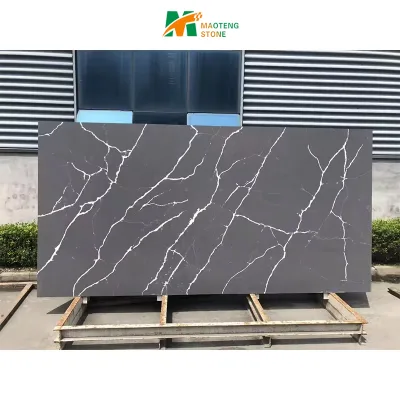
Quanzhou Maoteng Stone Co., Ltd.
- Verified by SGS Group
- Trading Company
- Lead time10 days
- Avg. response≤ 2h
Main productsMarble Stone, Granite Stone, Quartz Stone, Sintered Stone, Countertops
Main marketsNorth America(40%), South America(40%), Mid East(10%)
Xiamen Union Century Imp. & Exp. Co., Ltd.
- Verified by TüVRheinland
- Trading Company
- Lead time15 days
- Avg. response≤ 5h
Main productsGranite, Marble, Sintered Stone, Quartz, Limestone
Main marketsNorth America(60%), Southeast Asia(30%), Northern Europe(5%)
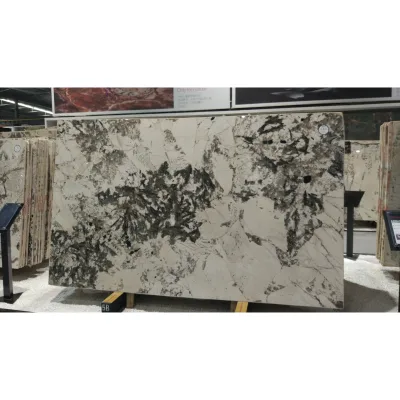
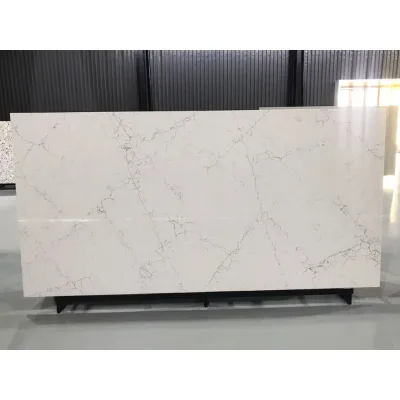
Classical White Quartz Countertop Quartz Stone Slab White New Quartz Stone Countertops
$22.50 - $27.00
MOQ: 50 square
Shenzhen Leeste Building Material Co., Ltd.
- Trading Company, Buying Office, Distributor/Wholesaler
- Guangdong, China
- Lead time0 days
- Avg. response≤ 7h
Main productsMosaic,Marble Mosaic,Marble,Marble Tiles,Marble Slabs
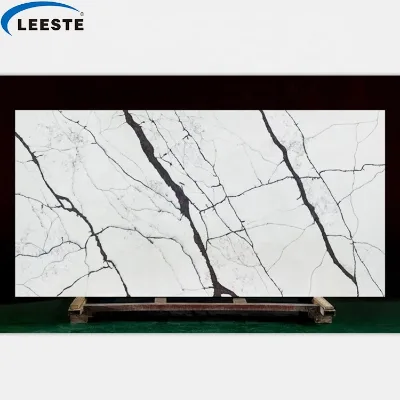
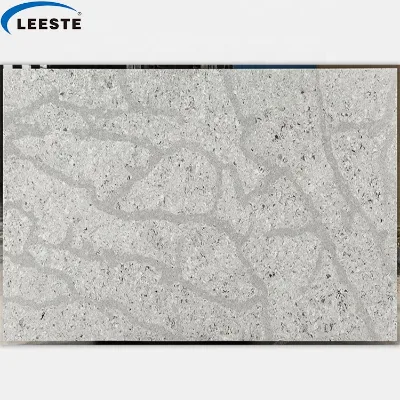
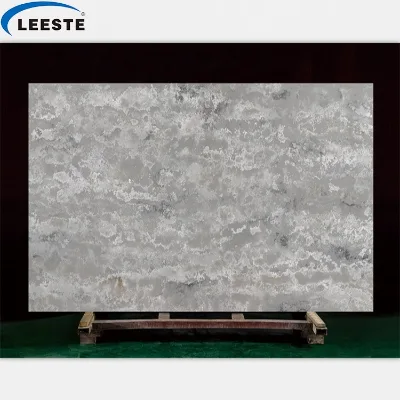
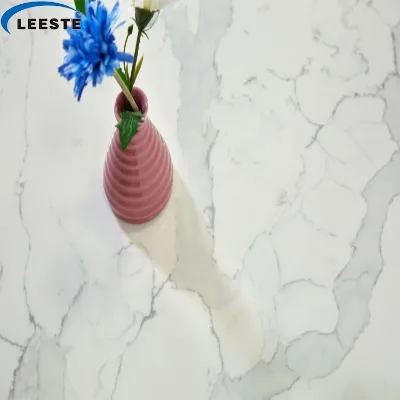
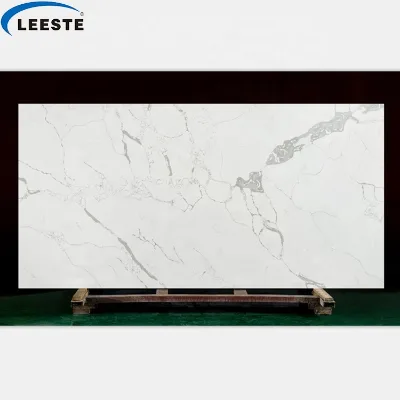
Lilac Quartz Slab New York Marble Quartz Slab and Countertop
$20.00 - $80.00

Foshan Little Blue Whale Stone Co., Ltd.
- Verified by SGS
- Combined
- China Guangdong
- Lead time15 days
- Avg. response≤ 1h
Main productsQuartz Stone, Quartz Slab, Engineered Quartz Stone Slab, Artificial Quartz Stone Slab, Engineered Slab, Engineered Stone, Artificial Quartz, Artificial Stone, Engineered Quartz, Artificial Slab
Main marketsDomestic


White Series Artificial Marble Quartz Stone Slab for Countertops
$20.00 - $59.00
MOQ: 150 Square Meters


Newstar (Quanzhou) Industrial Co., Ltd.
- Verified by BV
- Manufacturer/Factory
- China Fujian
- Lead time15 days
- Avg. response≤ 3h
Main productsStone Products, Marble, Quartz, Onyx, Granite, Travertine, Slate & Quartzite, Sandstone, Benyeequartz, Glass Stone Surface
Main marketsSouth America,Eastern Europe,Mid East,North America,Southeast Asia,Eastern Asia,Oceania,Western Europe,Africa

Quartz Countertops Quartz Slab Black Quartz Price Marble Quartz Stone Slab
$39.00 - $59.00
MOQ: 20 Square Meters


- Manufacturer/Factory
- China Guangdong
- Lead time0 days
- Avg. response≤ 9h
Main productsQuartz Stone, Quartz Countertop, Quartz Slab, Engineered Stone, Artificial Stone, Quartz Stone Flooring, Engineered Quartz Stone, Quartz Benchtops, Quartz Kitchen Tops, Quartz Vanity Top
Main marketsSouth America,Eastern Europe,Mid East,North America,Southeast Asia,Eastern Asia,Oceania,Western Europe,Africa


Strong Quartz Focused on Quartz Slabs and Quartz Countertops More Than 10 Years.
$65.00 - $75.00
MOQ: 150 Square Meters

High Quality Quartz Surface Cut-to-Size White Quartz Slab Countertop
$50.00 - $100.00
MOQ: 100 Square Meters


Xiamen Shun Shun Stone Import & Export Co., Ltd.
- Verified by TUVRHEINLAND
- Trading Company
- China Fujian
- Lead time15 days
- Avg. response≤ 13h
Main productsGranite, Stone, Marble, Countertop, Monument, Slate, Sandstone, Fireplace, Tiles, Slabs
Main marketsSoutheast Asia/ Mideast,Europe,North America


Calacatta Quartz Slab Artificial Quartz/Marble for Quartz Countertop
$19.36 - $26.36
MOQ: 50 Square Meters
Qingdao Maco Building Material Co., Ltd.
- Verified by Intertek
- Trading Company
- Lead time15 days
- Avg. response≤ 5h
Main productsQuartz Slab, Countertop, Kitchen Cabinet, Bathroom Vanity, Porcelain
Main marketsNorth America(35%), South America(18%), Southeast Asia(10%)
Yunfu Jinlijing Stone Company Limited
- Manufacturer, Trading Company
- Guangdong, China
- Lead time7 days
Main productsCalacatta Gold Quartz Stone,Venice White Quartz Stone,Statuario White Quartz Stone,Elizabeth Quartz Stone,Bianco Carrara Venato Quartz Stone
Main marketsDomestic Market(68.00%), South America(15.00%), North America(5.00%), South Asia(5.00%), Southeast Asia(5.00%), Eastern Asia(2.00%)
Shandong Huayijia Raw Material Co., Ltd.
- Verified by SGS Group
- Manufacturer, Trading Company
- Lead time10 days
- Avg. response≤ 2h
Main productsQuartz Stone/Quartz Jade Stone, Sintered Stone Slabs, 3D Printed Quartz, Marble, Granite
Main marketsNorth America(26%), South America(19%), Domestic Market(18%)
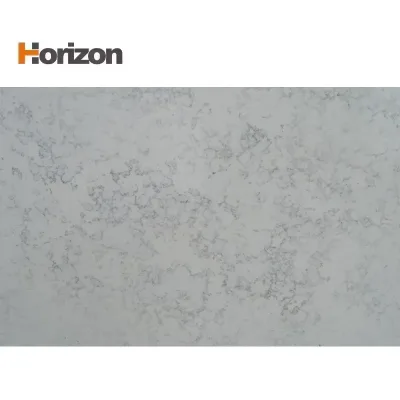
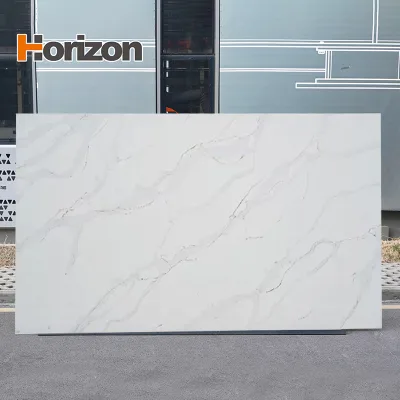
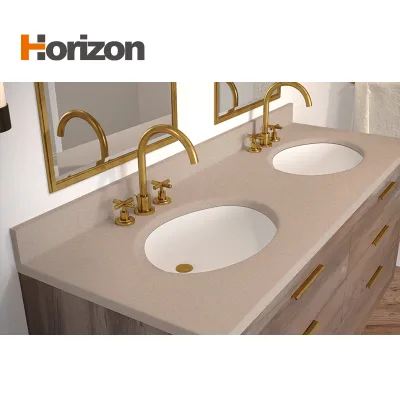
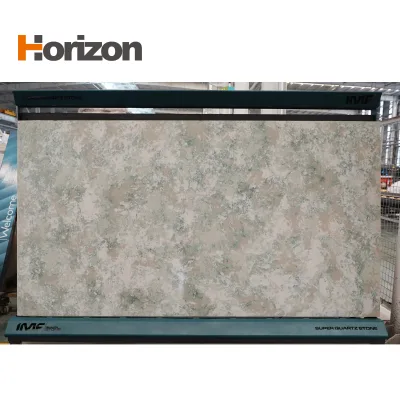
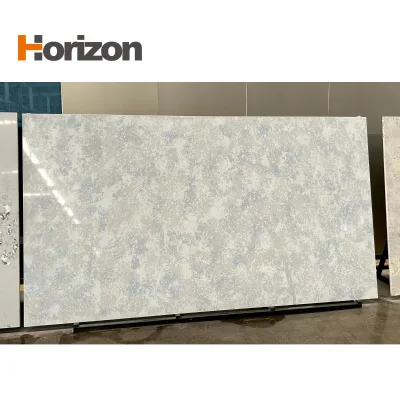
$20.6074 - $51.5163
MOQ: 50 square
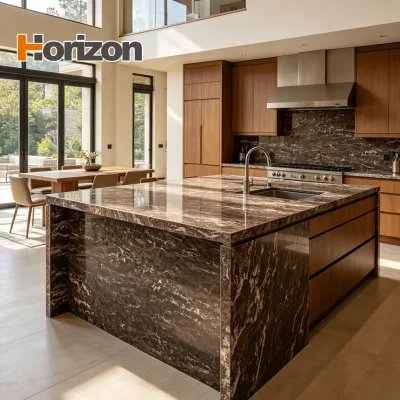

Xiamen Xinzhenxuan Stone Co., Ltd.
- Manufacturer, Trading Company
- Fujian, China
- Lead time15 days
- Avg. response≤ 3h
Main productsGranite,Marble,Artificial marble,Quartz,Slate
Main marketsMid East(64.30%), Africa(12.10%), South America(6.30%), North America(5.30%), Central America(3.20%), Oceania(3.00%), Southeast Asia(2.40%), Southern Europe(2.00%), Western Europe(1.10%), Eastern Europe(0.30%)

- Verified by BV
- Trading Company,Manufacturer/Factory
- China Fujian
- Lead time23 days
- Avg. response≤ 12h
Main productsQuartz, Sintered Stone, Nano Crystallized Glass, Artificial Marble Stone, Terazzo, Marble Tile & Slab, Granite Tile & Slab, Slate & Basalt & Pebble Stone, Sandstone & Limestone& Travertine, Countertop&Vanitytop
Main marketsSouth America,Eastern Europe,Mid East,North America,Southeast Asia,Eastern Asia,Oceania,Western Europe,Africa


White Artificial Quartz Stone Quartz Slab for Home Countertops
$50.00 - $100.00
MOQ: 200 Square Meters


Xiamen Siming District Jiehui Changrong Building Materials Business Department
- Manufacturer, Trading Company, Business Service (Transportation, finance, travel, Ads, etc)
- Fujian, China
- Lead time7 days
- Avg. response≤ 9h
Main productsMarble carving,rtificial rose,Granite,Cultural stone,Real estate building materials and supplies
Main marketsNorth America(50.00%), South America(20.00%), Southern Europe(10.00%), Western Europe(10.00%), Eastern Europe(10.00%)
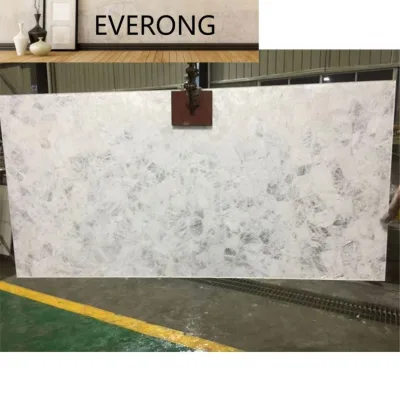
Backlit Raw White Crystal Quartz Slab
$750.00 - $760.00
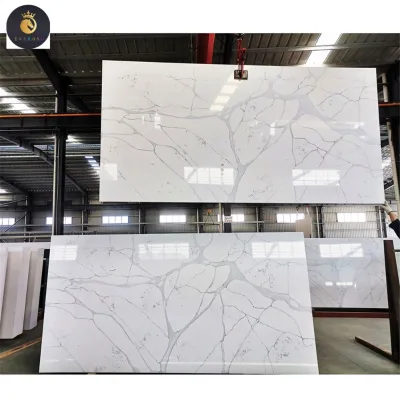
SH8320 Artificial Stone Type and Big Slab Stone Form Artificial Marble Price Marble Quartz Types
$76.9019 - $81.0039
MOQ: 50 pieces

Shenzhen MSUN Sanitary Ware Co., Ltd.
- Manufacturer/Factory
- China Guangdong
- Lead time23 days
- Avg. response≤ 3h
Main productsSolid Surface Sheet, Solid Surface Wash Basin, Solid Surface Bathtub, Solid Surface Worktop, Corian, Stool, Sanitary Ware, Solid Surface Bathroom Sink, Wash Basin, Bathtub
Main marketsSouth America,Eastern Europe,Mid East,North America,Southeast Asia,Eastern Asia,Oceania,Western Europe
Shandong Liyin Intelligent Equipment Co., Ltd.
- Verified by Intertek
- Manufacturer, Trading Company
- Lead time10 days
- Avg. response≤ 2h
Main productsQuartz Stone Slab
Main marketsNorth America(25%), South America(15%), Eastern Europe(10%)
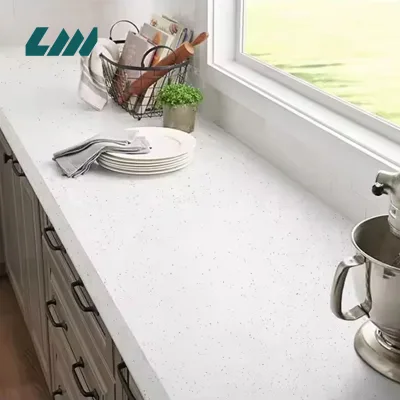
$20.00 - $30.00
MOQ: 50 square
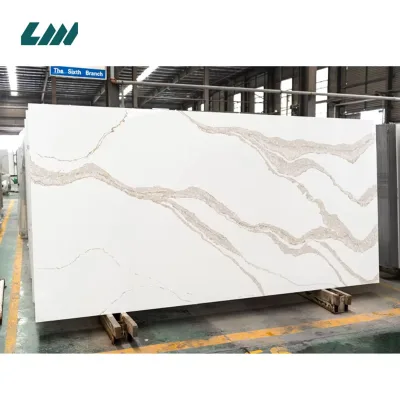
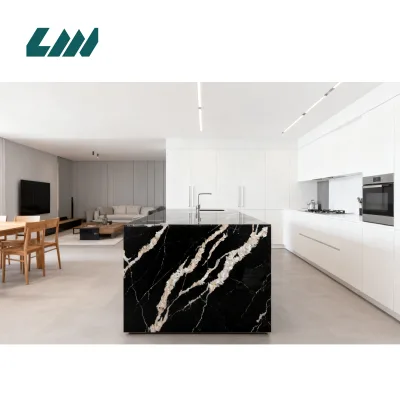
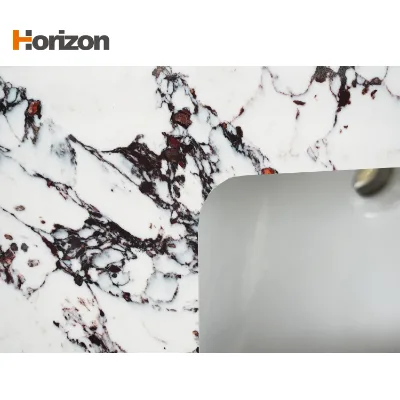
Hot Selling Engineered 0 Silica Quartz Slab Luxury Stone White Quartz Slab OEM&ODM
$30.00 - $60.00
MOQ: 50 square
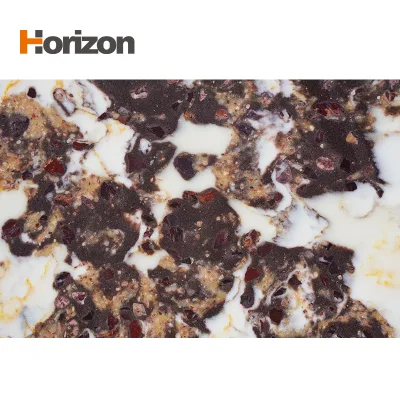
White Quartz with Golden Line Super Strong High Density Countertop Jade Quartz Stone
$30.00 - $50.00
MOQ: 50 square
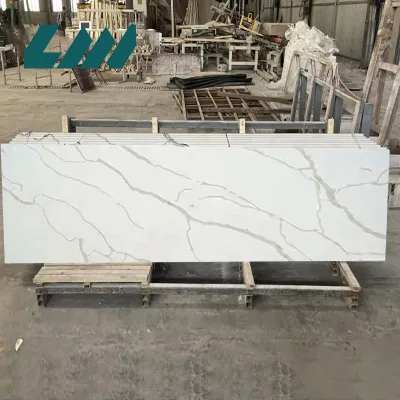

China Arts Building Material Group Co.,Limited
- Trading Company,Manufacturer/Factory
- China Fujian
- Lead time23 days
- Avg. response≤ 6h
Main productsStone/ Granite/ Marble, Kitchen Countertop and Vanity Tops, Slab and Tiles, Quartz and Artificial Stone, Composite Products, Mosaic and Medallion, Sink Basin Sculpture and Tomb, Sand Stone, Crafts and Arts, Paving Stone
Main marketsEastern Europe,Mid East,North America,Southeast Asia,Western Europe
Shandong Hefeng Wanjia Home Furnishing Co., Ltd.
- Verified by SGS Group
- Manufacturer, Trading Company
- Lead time10 days
- Avg. response≤ 2h
Main productsQuartz Stone, Quartz Jade, Quartz Countertop
Main marketsDomestic Market(44%), North America(10%), South America(10%)
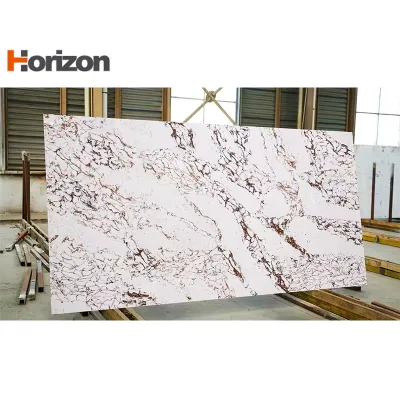
High-end Marble Veins Engineered Luxury Quartz Slabs White and Gold Quartz Slabs Calacatta
$56.2795 - $69.582
MOQ: 100 square
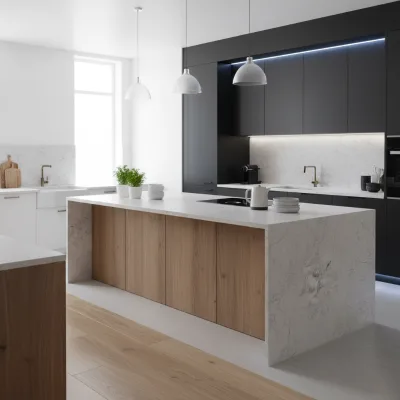
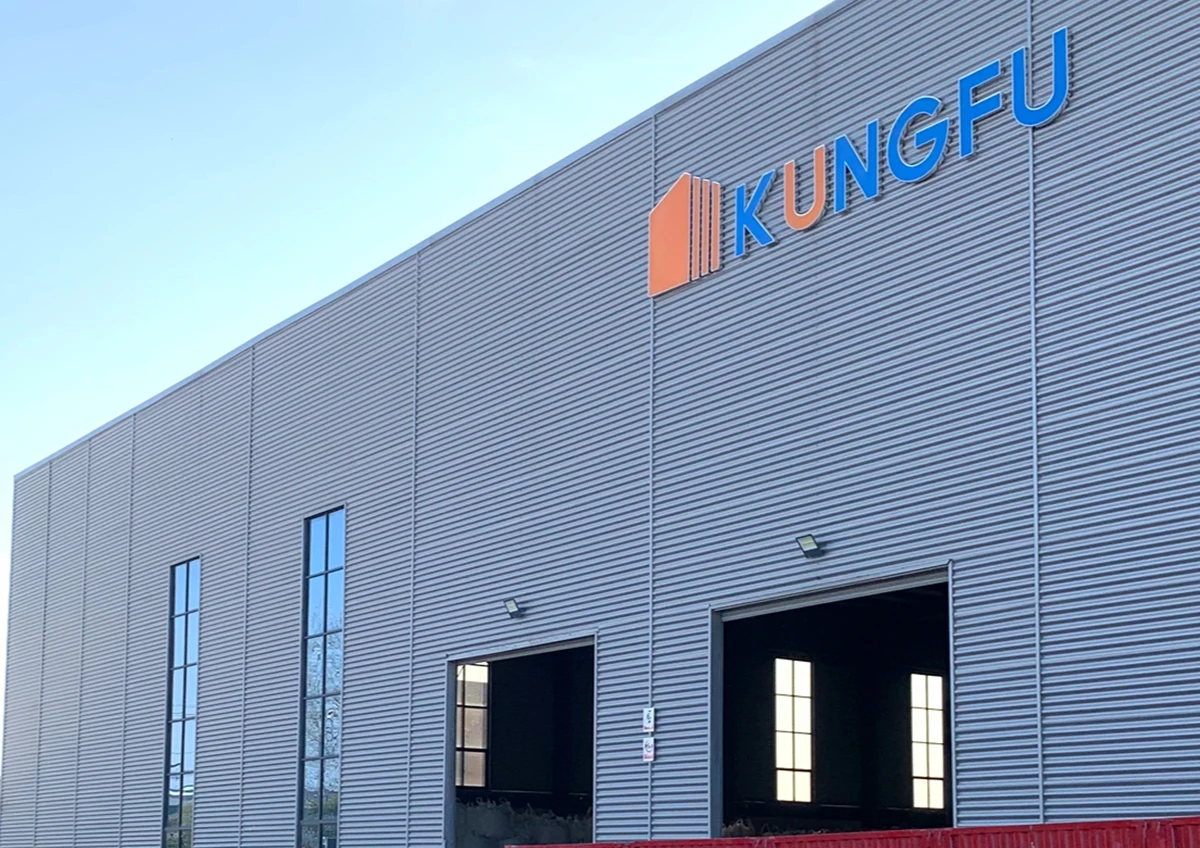
Xiamen Kungfu Stone Import & Export Ltd.
- Manufacturer, Trading Company
- Fujian, China
- Lead time15 days
- Avg. response≤ 5h
Main productsJumbo Quartz Slabs,Printed Quartz Slabs,Silica Free Quartz Slabs,Prefab Quartz Countertops,Chinese Marble
Main marketsNorth America(40.00%), South America(20.00%), Domestic Market(10.00%), Western Europe(10.00%), Mid East(10.00%), Oceania(10.00%)

Xiamen Sunlight Stone lmport & Export Co., Ltd.
- Trading Company,Manufacturer/Factory
- China Fujian
- Lead time15 days
- Avg. response≤ 12h
Main productsGranite, Marble, Quartz Stone, Countertop, Paving Stone, Mosaic, Culture Marble, Tombstone, Slabs, Travertine
Main marketsSouth America,Eastern Europe,Mid East,North America,Southeast Asia,Eastern Asia,Oceania,Western Europe,Africa

Quartz Slab, Quartz Stone Countertop, Artificial Stone, Quartz Stone
$35.00 - $40.00
MOQ: 1 Square Meters

Foshan Love Building Materials Co., Limited
- Verified by SGS Group
- Manufacturer, Trading Company
- Lead time10 days
- Avg. response≤ 6h
Main productsNatural Marble Slabs and Tiles, Onyx Slabs, Granite Tiles, Waterjet Medallion, Stone Column
Main marketsDomestic Market(30%), North America(20%), Mid East(20%)



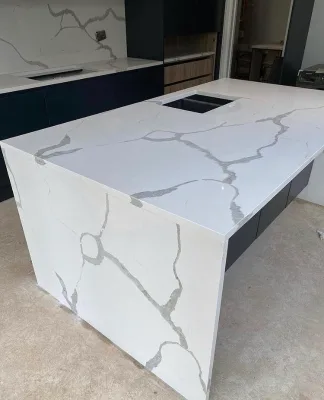
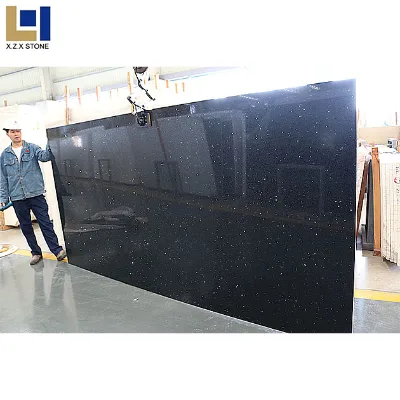
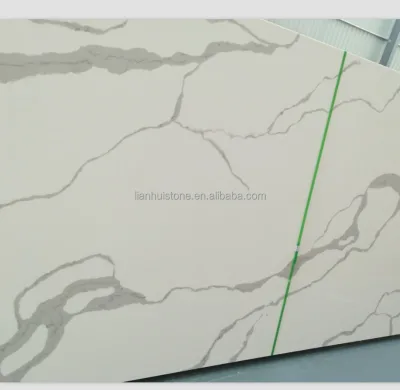


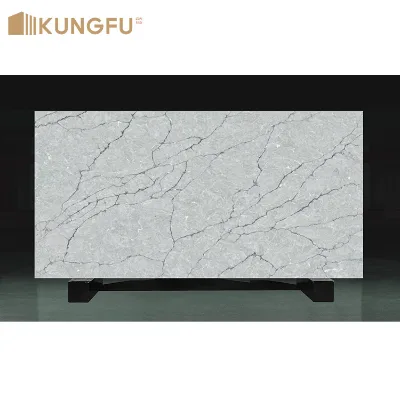
Comprehensive Sourcing Guide
Marble Effect Quartz Slab Supplier Concentration and Factory Types
The current supplier landscape for marble effect quartz slabs is dominated by entities located in China, specifically within the Guangdong region. This geographic concentration suggests a mature industrial cluster where supply chain efficiencies and specialized labor are readily available for artificial stone manufacturing. Buyers evaluating these suppliers will encounter a mix of company types, primarily trading companies and manufacturer-factories. Trading companies often serve as intermediaries, offering a broader portfolio that may include natural stones like granite, marble, sandstone, and slate alongside their engineered quartz offerings. This diversification allows them to act as one-stop shops for construction and real estate projects requiring multiple material types. However, relying solely on trading companies may introduce additional layers of communication and potential markup, making it crucial for buyers to understand the specific role each supplier plays in the value chain.
In contrast, manufacturer-factories provide direct access to production capabilities, often emphasizing their own brand identities and original equipment manufacturing (OEM) services. Some suppliers in this category highlight their capacity for original design manufacturing (ODM) and maintain proprietary brands, such as WAYON, indicating a strong focus on product development and brand equity. These factories typically possess more direct control over the production process, from mixing the quartz aggregate with polymer resins to the final polishing and cutting stages. The presence of both trading companies and manufacturers in the search results offers buyers flexibility in choosing between variety and direct factory engagement. Understanding this distinction is vital for negotiating terms, as manufacturers may offer more competitive pricing on large orders due to lower overheads, while trading companies might provide better customer service and consolidated shipping solutions for smaller, mixed orders.
How to Verify Marble Effect Quartz Slab Suppliers
Verification is a critical step in mitigating risk when sourcing marble effect quartz slabs, as the market contains a mix of verified and unverified entities. Buyers should prioritize suppliers who have undergone third-party verification processes, as these provide an additional layer of trust regarding the supplier's legitimacy and operational capacity. In the current results, some suppliers display verification badges from reputable organizations such as TÜV Rheinland and SGS Group. These certifications indicate that the supplier has met specific standards for business operations, quality management, or product safety. For instance, a TÜV Rheinland verification suggests a rigorous assessment of the company's business license and operational capabilities, while SGS Group verification often relates to product quality and compliance with international standards. Buyers should actively look for these badges on supplier profiles to ensure they are dealing with established and credible entities rather than unverified intermediaries.
Beyond verification badges, buyers should scrutinize the specific certifications listed for the products themselves, as these attest to the material's safety and quality. Common certifications observed in the results include CE, ISO, NSF, and Green Guard Gold. The presence of NSF certification is particularly important for kitchen and bathroom applications, as it indicates the product meets strict health and sanitation standards for food contact surfaces. ISO certifications, such as ISO 9001 for quality management and ISO 14001 for environmental management, demonstrate a supplier's commitment to consistent quality and sustainable practices. Additionally, some suppliers list OHSAS 18001, indicating a focus on occupational health and safety. Buyers should request copies of these certificates and verify their validity with the issuing bodies. It is also advisable to check for any specific product standards, such as the dimensions and thickness tolerances, to ensure they align with local building codes and project requirements.
What to Compare Across Marble Effect Quartz Slab Suppliers
When comparing suppliers, buyers must evaluate a range of operational metrics to determine the best fit for their specific project needs. One of the most significant differentiators is the response time, which indicates the supplier's efficiency in communication and order processing. In the current results, response times vary, with some suppliers responding within 2 hours, while others take up to 7.11 hours. Faster response times are crucial for maintaining project timelines and addressing urgent queries regarding product specifications or shipping logistics. Buyers should prioritize suppliers with quicker response rates, as this often correlates with better customer service and more agile operations. Additionally, the lead time for production and delivery is a key factor. While some suppliers list a lead time of 15 days, others indicate a lead time of 0 days, which may imply ready stock or extremely rapid production capabilities. Understanding these timelines helps in planning project schedules and avoiding delays.
Another critical aspect of comparison is the minimum order quantity (MOQ) and pricing structure. MOQs can vary significantly, with some suppliers requiring as few as 50 units, while others set the bar at 150 units. This distinction is important for buyers with smaller projects or those testing the market with initial orders. Pricing also varies, with some suppliers offering ranges from $35 to $55 per unit, while others quote between $58 and $80. These price differences may reflect variations in material quality, thickness, certification levels, or brand reputation. Buyers should also consider the customization options available, such as cut-to-size services, surface finishing choices, and color variations. Some suppliers offer extensive customization, including graphic design and 3D model design services, which can be valuable for complex architectural projects. By comparing these operational and commercial factors, buyers can make informed decisions that balance cost, quality, and service levels.
Common Marble Effect Quartz Slab Sourcing Risks
Sourcing marble effect quartz slabs involves several inherent risks that buyers must proactively manage to ensure project success. One significant risk is the variability in product quality, as the artificial stone market includes a wide range of manufacturers with differing production standards. Without proper verification, buyers may receive slabs that do not meet the specified thickness, density, or color consistency requirements. For example, while some suppliers list a thickness of 20mm, others may offer 15mm or 18mm options, which can impact the structural integrity and installation process. Additionally, the use of different resin formulations can affect the durability and resistance to staining and heat. Buyers should request physical samples to verify the quality before placing large orders, ensuring that the material meets their aesthetic and functional expectations. This step is crucial for avoiding costly replacements and project delays due to substandard materials.
Another risk is the potential for miscommunication regarding product specifications and shipping logistics. Suppliers may use different terminology or standards, leading to misunderstandings about dimensions, packaging, and handling requirements. For instance, some suppliers pack slabs in wooden crates, while others use fumigated wooden crates or bubble wrap, which can affect the protection of the material during transit. Buyers must clearly specify their packaging and handling requirements in the purchase agreement to prevent damage during shipping. Furthermore, the risk of non-compliance with local building codes and regulations is a concern, especially when importing materials from international suppliers. Buyers should ensure that the products meet all necessary certifications, such as CE, NSF, and Green Guard, to avoid legal issues and ensure safety. By identifying and addressing these risks early in the sourcing process, buyers can minimize disruptions and ensure a smooth procurement experience.
Marble Effect Quartz Slab Regional Sourcing and Logistics
Regional sourcing plays a pivotal role in determining the cost and efficiency of acquiring marble effect quartz slabs. The current results indicate a strong concentration of suppliers in China, particularly in the Guangdong region and Fujian province. This geographic clustering offers buyers access to a robust supply chain with established logistics networks and competitive pricing. However, sourcing from these regions also requires careful consideration of import duties, shipping costs, and transit times. Buyers should evaluate the total landed cost, which includes the product price, freight charges, insurance, and any applicable tariffs. Additionally, the proximity of the supplier to major ports can influence shipping efficiency and costs. Suppliers located in coastal areas like Guangdong may have easier access to international shipping routes, potentially reducing transit times and costs.
Logistics planning is equally important, as marble effect quartz slabs are heavy and fragile, requiring specialized handling and packaging. Buyers should work with suppliers who have experience in exporting and can provide reliable packaging solutions, such as fumigated wooden crates or bubble wrap, to protect the slabs during transit. It is also advisable to use freight forwarders who specialize in stone and construction materials, as they can offer better rates and ensure proper handling. Buyers should also consider the impact of seasonal variations on shipping schedules and costs, as peak seasons may lead to delays and higher freight charges. By understanding the regional logistics landscape and planning accordingly, buyers can optimize their supply chain and ensure timely delivery of materials to their project sites. This proactive approach helps in managing expectations and avoiding unexpected costs or delays.
Marble Effect Quartz Slab Commercial Terms and Order Planning
Effective order planning and clear commercial terms are essential for a successful procurement of marble effect quartz slabs. Buyers should establish a detailed purchase agreement that outlines all specifications, including dimensions, thickness, color, and surface finish. It is crucial to confirm the payment terms, such as deposit requirements and balance payments upon shipment or delivery. Some suppliers may offer flexible payment options, such as escrow services, which provide an additional layer of security for both parties. Buyers should also clarify the warranty terms, as some suppliers offer warranties of up to five years, indicating confidence in their product quality. Understanding the warranty coverage and claim process is vital for long-term project maintenance and customer satisfaction.
Additionally, buyers should plan for post-purchase support, including after-sales service and technical assistance. Some suppliers provide online technical support, onsite installation, and inspection services, which can be invaluable for complex projects. Buyers should confirm the availability of these services and the supplier's responsiveness to any issues that may arise during installation or use. It is also important to consider the scalability of the supplier's capacity, especially for large projects that may require multiple orders over time. Suppliers with OEM and ODM capabilities can offer greater flexibility in meeting evolving project needs. By carefully planning commercial terms and order logistics, buyers can ensure a smooth and efficient procurement process, minimizing risks and maximizing value. This strategic approach helps in building a reliable supply chain and fostering long-term partnerships with suppliers.
FAQs
What certifications are available for marble effect quartz slabs?
Suppliers offer CE, ISO, and NSF certifications for their engineered stone products. Some manufacturers also provide Green Guard and Green Guard Gold certificates to ensure environmental safety. These credentials verify compliance with international quality and health standards for kitchen and bathroom applications.
What is the typical lead time for quartz slab orders?
Lead times vary significantly among suppliers, ranging from zero days for ready stock to fifteen days for standard production runs. Some factories report ten-day turnaround times for customized orders. Buyers should confirm specific delivery schedules with the supplier before placing bulk orders.
What is the minimum order quantity for quartz slabs?
Minimum order quantities typically start at fifty slabs for certain suppliers, while others require one hundred fifty slabs per order. These thresholds depend on the specific product model and customization requirements. Buyers should verify the exact MOQ with the supplier to ensure compliance.
What thickness options are available for quartz countertops?
Standard thicknesses include 20mm and 2cm, with some suppliers offering 15mm, 18mm, and 30mm options. Custom sizes are often accepted to meet specific project requirements. Buyers should check the product specifications to confirm the available thicknesses for their intended application.
What is the price range for marble effect quartz slabs?
Prices generally range from thirty-five dollars to eighty dollars per unit, depending on the supplier and product specifications. Factors such as certification, thickness, and customization availability influence the final cost. Buyers should request detailed quotes to compare pricing across different manufacturers.
Where are these quartz slab suppliers located?
Most suppliers are located in China, specifically in Guangdong and Fujian provinces. These regions are known for their stone processing capabilities and manufacturing infrastructure. Buyers can verify the exact location of the supplier to assess logistics and shipping costs for their orders.
What surface finishes are available for quartz slabs?
Common surface finishes include polished, honed, flamed, sandblasted, rough hammered, and bush hammered options. The polished finish is most popular for kitchen countertops due to its sleek appearance. Buyers should select the finish that best matches their design aesthetic and functional needs.