Polished Roman Travertine Tile Suppliers and Manufacturers
Compare 25 verified suppliers offering Polished Roman Travertine Tile with varying lead times, certifications, and origins. Review response times and MOQs to select the right partner for your project needs; review the available evidence before requesting comparable quotations from suitable candidates.
Updated
Suppliers List

XIAMEN KA UNITED IMP. & EXP. CO., LTD.
- Trading Company,Manufacturer/Factory
- China Fujian
- Lead time30 days
- Avg. response≤ 11h
Main productsCabinets, Counterttop&Vanity, Marble, Quartz, Granite, Quartzite, Tiles, Paving Stone, Mosaic, Carving Stone
Main marketsEastern Europe,North America,Western Europe
Foshan Love Building Materials Co., Limited
- Verified by SGS Group
- Manufacturer, Trading Company
- Lead time10 days
- Avg. response≤ 6h
Main productsNatural Marble Slabs and Tiles, Onyx Slabs, Granite Tiles, Waterjet Medallion, Stone Column
Main marketsDomestic Market(30%), North America(20%), Mid East(20%)
- Trading Company
- Fujian, China
- Lead time10 days
- Avg. response≤ 4h
Main productsmarble,Countertops,granite,travertine,quartz stone
Main marketsNorth America(15.00%), Oceania(8.00%), Africa(8.00%), Southeast Asia(8.00%), Mid East(8.00%), South America(8.00%), South Asia(6.00%), Southern Europe(6.00%), Northern Europe(6.00%), Domestic Market(6.00%), Western Europe(6.00%), Eastern Asia(6.00%), Eastern Europe(6.00%), Central America(3.00%)
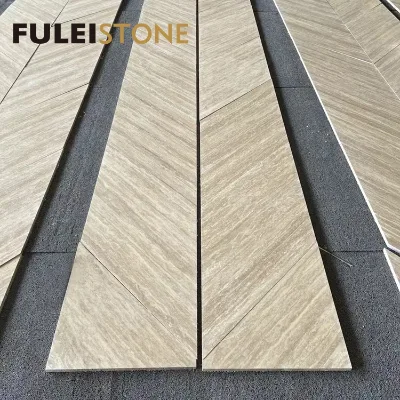
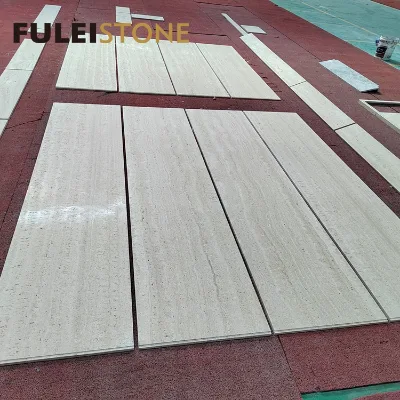
Italian Roman Travertine Tiles for Wall and Vanity Top
$155.00 - $170.00
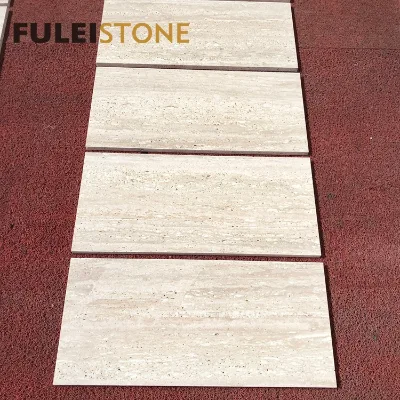
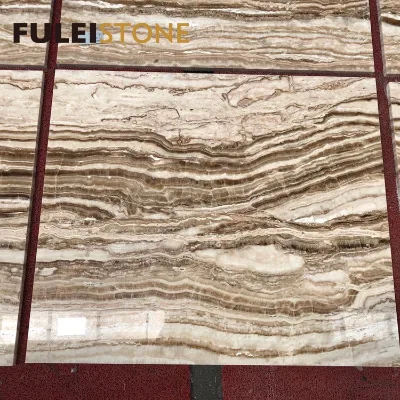
$49.00 - $59.00

Xiamen Sunlight Stone lmport & Export Co., Ltd.
- Trading Company,Manufacturer/Factory
- China Fujian
- Lead time15 days
- Avg. response≤ 13h
Main productsGranite, Marble, Quartz Stone, Countertop, Paving Stone, Mosaic, Culture Marble, Tombstone, Slabs, Travertine
Main marketsSouth America,Eastern Europe,Mid East,North America,Southeast Asia,Eastern Asia,Oceania,Western Europe,Africa

Natural Marble Stone, Polished Beige Roman Travertine Marble Flooring Tiles
$23.00 - $29.00
MOQ: 100 Square Meters

Polished Roman Beige Marble Travertine for Kitchen and Bathroom Tiles
$24.00 - $29.00
MOQ: 100 Square Meters

Beige/Roman Travertine Marble Price Travertine Tile for Flooring or Wall
$35.00 - $42.00
MOQ: 1 Square Meters

Natural Stone Roma Beige Travertine Wall Cladding/ Flooring Tiles, Cream Travertine
$35.00 - $42.00
MOQ: 20 Square Meters

- Verified by BV
- Trading Company,Manufacturer/Factory
- China Fujian
- Lead time23 days
- Avg. response≤ 13h
Main productsQuartz, Sintered Stone, Nano Crystallized Glass, Artificial Marble Stone, Terazzo, Marble Tile & Slab, Granite Tile & Slab, Slate & Basalt & Pebble Stone, Sandstone & Limestone& Travertine, Countertop&Vanitytop
Main marketsSouth America,Eastern Europe,Mid East,North America,Southeast Asia,Eastern Asia,Oceania,Western Europe,Africa


Beige White Black Natural Stone Backsplash Travertine Marble Mosaic Tile Wall
$19.33 - $34.33
MOQ: 50 Square Meters
- Verified by SGS Group
- Manufacturer, Trading Company
- Lead time35 days
- Avg. response≤ 2h
Main productsMarble and Granite and Artificial Stone Tile and Slab, Swimming Pool Coping Stone, Countertop and Sink, Wall Stone and Paving Stone, Statue and Landscaping Stone
Main marketsWestern Europe(20%), North America(15%), Oceania(15%)
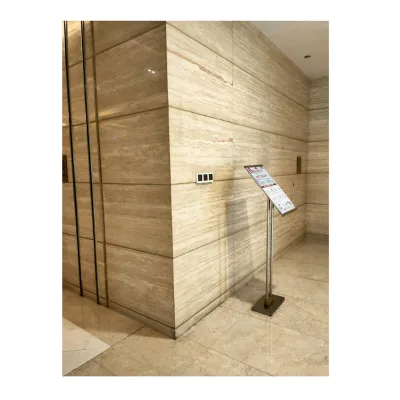
Natural Travertine Italian Roman Polished Beige Ivory Tile Wall Flooring Stone
$39.00 - $89.00
MOQ: 50 Minimum
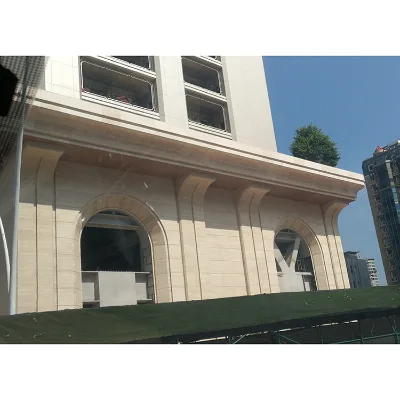
Xiamen Union Century Imp. & Exp. Co., Ltd.
- Verified by TüVRheinland
- Trading Company
- Lead time15 days
- Avg. response≤ 5h
Main productsGranite, Marble, Sintered Stone, Quartz, Limestone
Main marketsNorth America(60%), Southeast Asia(30%), Northern Europe(5%)
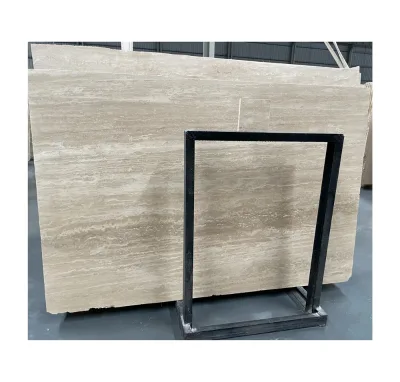
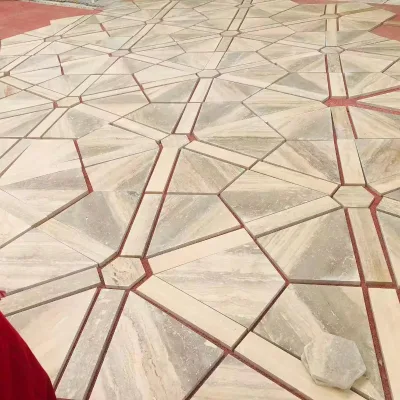
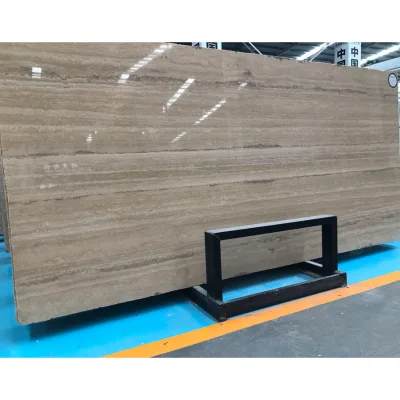
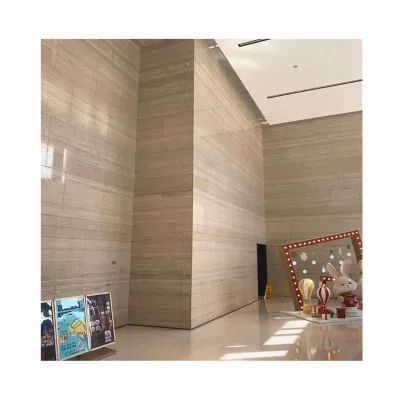
Interior Decoration Flexible Silver Travertine Stone Wall Tiles From Italy
$60.00 - $80.00
MOQ: 50 square
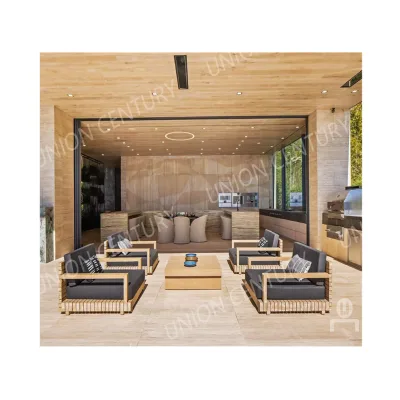
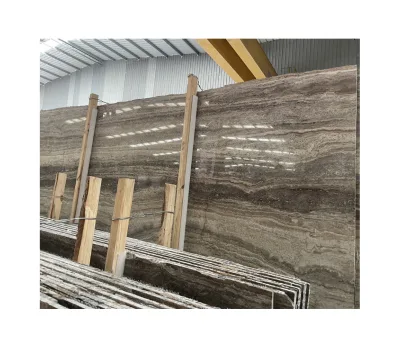

Quanzhou Tianyuan Stone Co., Ltd.
- Verified by BV
- Trading Company
- China Fujian
- Lead time15 days
- Avg. response≤ 3h
Main productsGranite Marble Tile and Slab, Countertop Vanity Table, Slate Sandstone Pebble Travertine, Pillar Column Fountain, Waterjet Medallion Mosaic Tile, Cobblestone Kerbstone Paving, Sculpture Statue, Construction Landscape Stone, Fireplace Bathtub, Floor and Wall Stone
Main marketsSouth America,Southeast Asia/ Mideast,Europe,North America

Roman Travertine/White Travertine/Marble/Floor Tiles/Travertine Marble/ Travertine Tile
$25.00 - $35.00
MOQ: 100 Square Meters


Natural Stone Irregular White Travertine Mosaic Wall Tile/Wall Cladding
$25.00 - $30.00
MOQ: 20 Square Meters


Xiamen Landiview Stone Co., Ltd.
- Trading Company
- Fujian, China
- Lead time20 days
- Avg. response≤ 3h
Main productsMarble, Granite, Quartzite, Artificial Stone, Stone Furniture
Main marketsNorth America(30.00%), Southeast Asia(30.00%), Mid East(10.00%), Southern Europe(6.00%), Oceania(5.00%), Northern Europe(5.00%), South Asia(2.00%), Eastern Asia(2.00%), South America(2.00%), Western Europe(2.00%), Central America(2.00%), Africa(2.00%), Eastern Europe(2.00%)
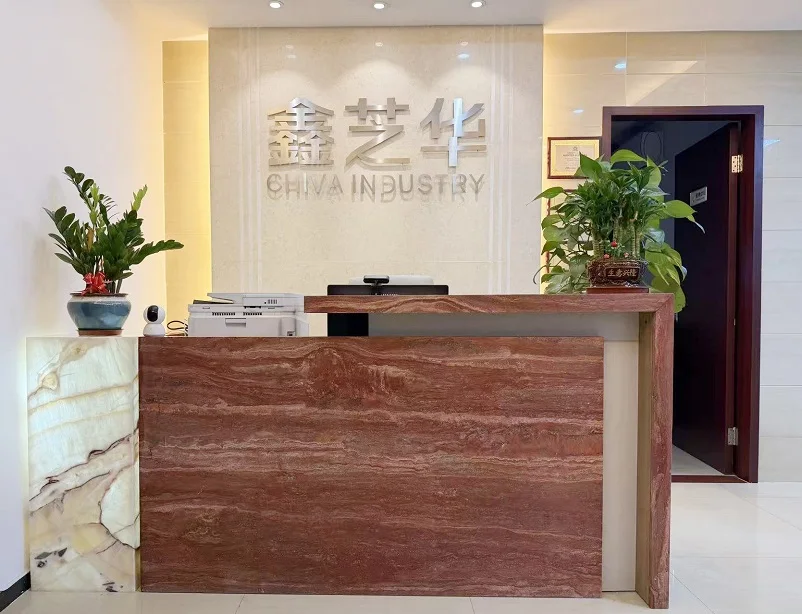
Shenzhen Chiva Industry Co., Ltd.
- Trading Company, Distributor/Wholesaler
- Guangdong, China
- Lead time15 days
- Avg. response≤ 2h
Main productsgranite,marble,natural stone,slate,travertine
Main marketsMid East(25.00%), Africa(25.00%), Eastern Asia(15.00%), North America(10.00%), South Asia(5.00%), Southern Europe(5.00%), Western Europe(5.00%), Eastern Europe(5.00%), South America(5.00%)
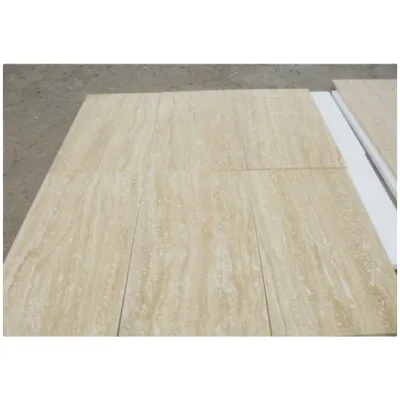
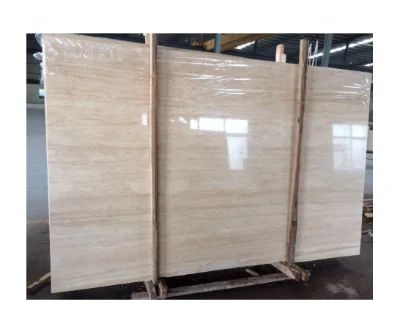
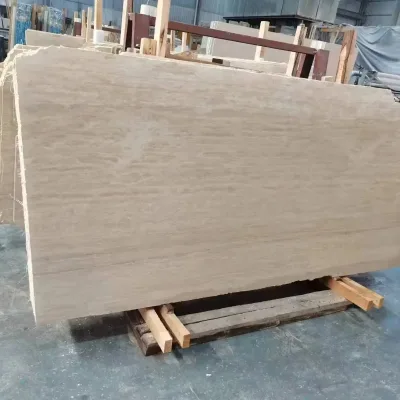
Turkey Travertine Stone Beige Marble Tile
$15.00 - $23.00

XIAMEN SINO TOPSTONE IMP & EXP TRADE CO., LTD.
- Verified by TUVRHEINLAND
- Trading Company
- China Fujian
- Lead time15 days
- Avg. response≤ 4h
Main productsMarble Crafts, Marble Furniture, Marble Slabs, Granite Tile, Countertop, Landscaping Stones, Marble Sink & Bathtub, Marble Mosaic, Waterjet and Medallions, Tombstone
Main marketsEurope


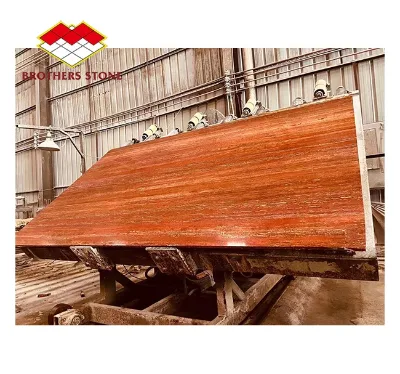
Romano Carve Fluted Red Travertine Wall Panel Cladding Mosaic Tile
$30.00 - $80.00
MOQ: 100 Square Meters


Shenzhen Chiva Industry Co., Ltd.
- Verified by TUVRHEINLAND
- Trading Company
- China Guangdong
- Lead time15 days
- Avg. response≤ 5h
Main productsGranite, Marble, Cheap White Marble, Cheap Grey Beige Granite, Basalt, Travertine, Paver Tile, Slab, Fireplace, Bluestone
Main marketsAfrica,Southeast Asia/ Mideast,Europe

Travertine Tiles Outdoor Marble Tiles Floors Roman Beige Travertine Marble Slab
$19.00 - $29.00
MOQ: 300 Square Meters

Roman Classico Beige Travertine Marble Floor Tiles with Competitive Price
$19.00 - $29.00
MOQ: 300 Square Meters

Building Material Popular White Travertine Stone Travertine Tile for Flooring
$28.00 - $48.00
MOQ: 100 Square Meters


Natural Stone Wall Tile for Granite Marble Slate Sandstone Travertine
$10.00 - $13.00
MOQ: 700 Square Meters
Xiamen Eastwood Industry Co., Ltd.
- Verified by SGS Group
- Manufacturer, Trading Company
- Lead time30 days
- Avg. response≤ 3h
Main productsGranite Paver, Marble Slab, Slate Stone Veneer, Limestone Tile, Sandstone Tile
Main marketsNorth America(82%), Oceania(5%), Mid East(3%)
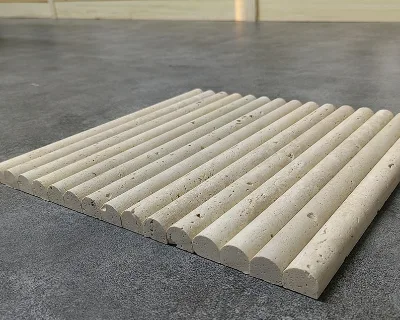
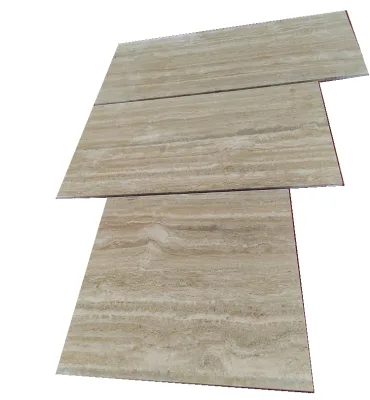
Nature Travertine Stone Italy Silver Travertine Filled Holes Tiles for Wall and Flooring
$38.9899 - $49.2497
MOQ: 50 Minimum
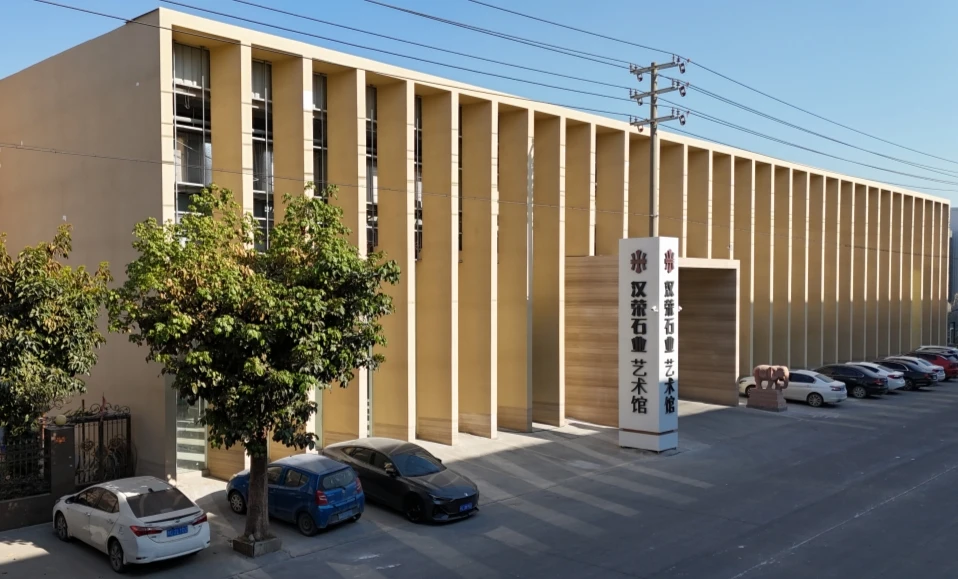
Quanzhou Hanrong Stone Co., Ltd.
- Manufacturer, Trading Company
- Fujian, China
- Lead time0 days
- Avg. response≤ 2h
Main productsCalacatta, Statuario, Palissandro Blue, Serpegiante, Camouflage marble
Main marketsDomestic Market(40.00%), Mid East(30.00%), Eastern Asia(15.00%), North America(10.00%), South Asia(5.00%)
Quanzhou Maoteng Stone Co., Ltd.
- Verified by SGS Group
- Trading Company
- Lead time10 days
- Avg. response≤ 2h
Main productsMarble Stone, Granite Stone, Quartz Stone, Sintered Stone, Countertops
Main marketsNorth America(40%), South America(40%), Mid East(10%)
Foshan Dougbuild Materials Trading Co., Ltd.
- Verified by Intertek
- Manufacturer, Trading Company
- Lead time30 days
- Avg. response≤ 3h
Main productsMarble, Granite, Stone Mosaic, Quartz
Main marketsNorth America(60%), Mid East(20%), Oceania(10%)

Jiangsu Neolithic New Building Materials Technology Co., Ltd
- Verified by SGS
- Combined
- China Jiangsu
- Lead time15 days
- Avg. response≤ 6h
Main productsSoft Porcelain, Flexible Stone, Soft Stone, Soft Stone Wall Panel, Soft Porcelain Veneer, Soft Ceramic Equipment, Flexible Stone Panels, Mcm Flexible Cladding, Flexible Ceramic Tile, Mcm Stone
Main marketsSouth America,Africa,Southeast Asia/ Mideast,East Asia(Japan/ South Korea),Domestic,Europe,Australia,North America

- Trading Company,Manufacturer/Factory
- China Hebei
- Lead time120 days
- Avg. response≤ 25h
Main productsStone Veneer, Cement Ledge Stone, Free Form Stone, Stone Column&Pillar, Mosaic, Paving Stone, Cobble&Pebbles, Stone Tiles, Mortar&Pestle, Stone Candle Holder
Main marketsSouth America,Eastern Europe,Mid East,North America,Southeast Asia,Eastern Asia,Oceania,Western Europe,Africa

Jiangxi WIFi Ceramics Co., Ltd.
- Manufacturer/Factory
- China Guangdong
- Lead time23 days
- Avg. response≤ 4h
Main productsTiles, Porcelain Tiles, Glazed Polished Tiles, Rustic Tiles, Floor Tiles, White Marble Tiles, Mosaic Tiles, Glazed Tiles, Ceramic Tiles, Porcelain Tiles for Floor and Wall
Main marketsSouth America,Eastern Europe,Mid East,North America,Southeast Asia,Eastern Asia,Oceania,Western Europe,Africa

Polished Travertine Stone Tile for Rustic and Elegant Interior Design
$9.00 - $10.50
MOQ: 600 Square Meters

$51.96 - $53.46
MOQ: 10 Square Meters

Travertine Stone Tile Polished Rustic for Indoor and Outdoor Walls and Floors
$9.00 - $10.50
MOQ: 600 Square Meters

Polished Stone Tile Travertine Rustic with Low Water Absorption for Interior and Exterior Use
$9.00 - $15.00
MOQ: 100 Square Meters
Shanghai White Marble Co., Ltd.
- Trading Company
- Shanghai, China
- Lead time0 days
- Avg. response≤ 3h
Main productsmarble tile,marble mosaic,glass mosaic,granite tile,artificial stone
Main marketsNorth America(90.00%), Southern Europe(5.00%), Western Europe(5.00%)
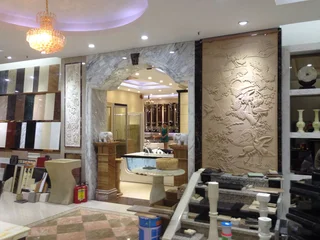
Guangzhou Brothers Stone Co., Ltd.
- Manufacturer, Trading Company
- Guangdong, China
- Lead time7 days
- Avg. response≤ 3h
Main productsMarble,Granite,Quartz,Onyx,Artificial Stone
Main marketsDomestic Market(30.00%), North America(10.00%), Eastern Europe(10.00%), Western Europe(10.00%), South America(10.00%), Mid East(8.00%), Southeast Asia(8.00%), Southern Europe(5.00%), Northern Europe(5.00%), Africa(1.00%), South Asia(1.00%), Central America(1.00%), Oceania(1.00%)
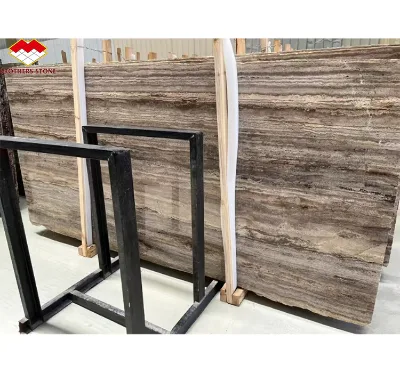
Polished Grey Travertine Wall Tile High Quality Silver Travertine for Villa Floor Decorations
$36.0359 - $41.183
MOQ: 20 square

Shenzhen Leeste Industry Co., Ltd.
- Trading Company
- China Guangdong
- Lead time15 days
- Avg. response≤ 7h
Main productsGranite, Marble, Sandstone, Slate, Travertine, Basalt, Granite Tiles, Countertops, Marble Tiles, Marble Slabs
Main marketsAustralia,North America


Beige Travertine, Travertine Tiles and Travertine French Pattern
$31.00 - $32.00
MOQ: 500 Square Meters


Ivory Golden Travertine, Travertine Tiles and Travertine French Patterns
$27.00 - $28.00
MOQ: 500 Square Meters

White Travertine, Travertine Tile and Travertine French Patterns
$27.00 - $28.00
MOQ: 500 Square Meters


Xiamen Brilliance Import And Export Co., Ltd.
- Manufacturer, Trading Company
- Fujian, China
- Lead time30 days
- Avg. response≤ 7h
Main productsMarble,Granite,Quartz,Stone Furnitures,ONYX
Main marketsSoutheast Asia(20.00%), South America(20.00%), North America(20.00%), Domestic Market(10.00%), Northern Europe(10.00%), Mid East(10.00%), Eastern Europe(10.00%)
Xiamen Siming District Jiehui Changrong Building Materials Business Department
- Manufacturer, Trading Company, Business Service (Transportation, finance, travel, Ads, etc)
- Fujian, China
- Lead time7 days
- Avg. response≤ 9h
Main productsMarble carving,rtificial rose,Granite,Cultural stone,Real estate building materials and supplies
Main marketsNorth America(50.00%), South America(20.00%), Southern Europe(10.00%), Western Europe(10.00%), Eastern Europe(10.00%)

Foshan Oceanland Ceramics Co., Ltd.
- Verified by BV
- Manufacturer/Factory
- China Guangdong
- Lead time15 days
- Avg. response≤ 6h
Main productsCeramic Tile, Tile, Polished Tile, Porcelain Tile, Floor Tile, Wall Tile, Tiles Ceramic, Bathroom Tile, Bathroom Ceramic Tile, Building Material
Main marketsSouth America,Eastern Europe,Mid East,North America,Southeast Asia,Eastern Asia,Oceania,Western Europe,Africa









Comprehensive Sourcing Guide
Polished Roman Travertine Tile Supplier Concentration and Factory Types
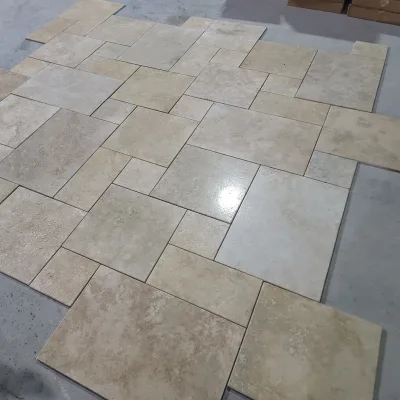
The current supplier landscape for polished Roman travertine tiles reveals a distinct concentration of manufacturing and trading entities located in China, specifically within the Fujian province. This regional clustering is significant for buyers because it indicates a mature industrial ecosystem dedicated to stone processing and export. Suppliers in this area often operate as either trading companies or manufacturer/factories, offering a hybrid approach that can streamline procurement for international buyers. The presence of ISO 9000, ISO 9001, and ISO 14001 certifications among these entities suggests a baseline commitment to quality management and environmental standards, which is crucial for maintaining consistency in natural stone products. Buyers should recognize that while the physical location is China, the raw materials themselves may originate from other regions, such as Turkey, as evidenced by specific product listings that highlight Turkish origins for Roman Classic Light Beige Travertine. This distinction between the supplier’s location and the stone’s origin is a critical factor in evaluating supply chain transparency and potential cost structures.
Furthermore, the diversity of company types allows for flexible engagement models, catering to both large-scale industrial projects and smaller residential renovations. Many suppliers in this cluster offer OEM and ODM capabilities, indicating a capacity for light customization, sample processing, and graphic processing to meet specific design requirements. This adaptability is particularly useful for buyers seeking unique finishes or custom sizes beyond standard offerings. The main products listed by these suppliers extend beyond just polished tiles to include countertops, vanities, mosaics, and paving stones, suggesting that a single supplier might serve as a comprehensive source for various stone applications. However, buyers must carefully verify whether a supplier is primarily a trader sourcing from multiple factories or a direct manufacturer with in-house polishing lines. Understanding this distinction helps in assessing the reliability of lead times and the authenticity of quality control measures. The concentration in Fujian also implies established logistics networks, which can facilitate smoother shipping processes for heavy stone products, although buyers should still confirm specific port capabilities and export experience.
How to Verify Polished Roman Travertine Tile Suppliers
Verifying the legitimacy and capability of Polished Roman Travertine Tile suppliers requires a multi-layered approach that goes beyond simple profile reviews. Buyers should prioritize suppliers who display third-party verification badges, such as those from SGS Group, which provide an additional layer of trust regarding business legitimacy and operational standards. It is essential to cross-reference the supplier’s claimed certifications, such as ISO 9001 or CE marks, with official documentation rather than relying solely on website assertions. For natural stone products, visual verification of the actual material is paramount; buyers should request high-resolution images or videos of the polished surface to assess the consistency of the beige or ivory tones and the quality of the honed or polished finish. Additionally, checking the response time of the supplier can serve as an indicator of their operational efficiency and customer service commitment. A rapid response time, such as under ten hours, often correlates with a more organized and responsive supply chain, which is vital for timely project execution.
Another critical verification step involves examining the product attributes and specifications provided in the supplier’s listings. Buyers should look for detailed information on stone form, such as cut-to-size capabilities, and specific dimensions like 600x600mm or 300x300mm, which are common for Roman travertine. The presence of specific technical details, such as density measurements or edge processing types, indicates a higher level of product knowledge and professionalism. Furthermore, verifying the origin of the stone is crucial, as some suppliers may list products with origins like Turkey or Spain while being located in China. This discrepancy does not necessarily indicate fraud but highlights the need for clear communication about sourcing. Buyers should also inquire about the packing methods, such as wooden packing or paper boxes with wooden crates, to ensure the tiles arrive without damage. By combining verification of business credentials with a thorough review of product technicalities and origin claims, buyers can significantly reduce the risk of engaging with unreliable suppliers.
What to Compare Across Polished Roman Travertine Tile Suppliers
When evaluating multiple suppliers for polished Roman travertine tiles, buyers must systematically compare key operational metrics to identify the most suitable partner for their specific needs. One of the primary dimensions for comparison is the lead time, which can vary significantly between suppliers. Some suppliers may offer a lead time of ten days, while others might require thirty days or more. This difference can impact project schedules and inventory management, making it a critical factor for buyers with tight deadlines. Additionally, the minimum order quantity (MOQ) is another vital comparison point. While some suppliers may have an MOQ of 100 square meters, others might require 300 square meters or more. Buyers should assess whether their project volume aligns with these thresholds to avoid unnecessary costs or stockpiling issues. Comparing these operational constraints helps in narrowing down the list of potential suppliers to those who can meet the buyer’s logistical requirements.
Price and customization capabilities are also essential factors in the comparison process. Buyers should request detailed quotations that include the price range for the polished Roman travertine tiles, noting that prices can vary based on thickness, size, and surface finish. For instance, prices might range from $35 to $80 per square meter depending on the specific product attributes and origin. It is important to compare not just the unit price but also the total landed cost, including shipping and insurance. Furthermore, buyers should evaluate the customization options available, such as the ability to produce cut-to-size tiles or specific edge processing. Suppliers that offer OEM and ODM services may provide greater flexibility for unique project requirements. By systematically comparing lead times, MOQs, prices, and customization options, buyers can make an informed decision that balances cost, quality, and delivery speed. This structured approach ensures that the selected supplier aligns with the buyer’s overall procurement strategy and project goals.
Common Polished Roman Travertine Tile Sourcing Risks
Sourcing polished Roman travertine tiles involves several inherent risks that buyers must proactively manage to ensure a successful procurement outcome. One significant risk is the variability in natural stone quality, as travertine is a natural material with inherent differences in color, texture, and veining. Buyers may receive batches that do not match the samples provided, leading to aesthetic inconsistencies in the final installation. This risk is heightened when dealing with suppliers who have limited quality control processes or who source from multiple quarries. Another common risk is the misrepresentation of the stone’s origin. Some suppliers may claim that their travertine is from Turkey or Italy when it is actually sourced from a different region. This discrepancy can affect the perceived value and durability of the product, as well as impact shipping costs and lead times. Buyers must verify the origin through documentation and, if possible, through third-party inspections.
Packaging and shipping damage is another critical risk associated with natural stone products. Travertine tiles are heavy and brittle, making them susceptible to cracking or chipping during transit if not packed correctly. Buyers should inquire about the packing methods used by suppliers, such as wooden crates or reinforced boxes, to ensure adequate protection. Additionally, there is a risk of delayed shipments due to logistical issues or supplier capacity constraints. Buyers should assess the supplier’s track record for on-time delivery and their ability to handle large orders without compromising quality. Furthermore, the risk of non-compliance with international standards or certifications cannot be overlooked. Buyers must ensure that the suppliers adhere to relevant safety and quality standards, such as ISO certifications, to mitigate potential legal and operational issues. By identifying and addressing these risks early in the sourcing process, buyers can establish stronger safeguards and ensure a smoother procurement experience.
Polished Roman Travertine Tile Regional Sourcing and Logistics
The regional sourcing of polished Roman travertine tiles is heavily influenced by the location of the suppliers and the origin of the raw materials. As observed, many suppliers are concentrated in China, particularly in Fujian, which serves as a major hub for stone processing and export. This concentration offers logistical advantages, such as established shipping routes and competitive freight rates. However, buyers must also consider the origin of the stone itself, which may be Turkey, Spain, or Italy. Sourcing from Chinese suppliers who process imported stone can offer cost efficiencies due to lower labor and processing costs, but it adds an extra layer of complexity to the supply chain. Buyers should evaluate the total logistics cost, including inland transportation from the quarry to the processing facility and then to the export port. Understanding this flow helps in predicting potential delays and cost fluctuations.
Logistics planning for natural stone requires careful attention to weight, volume, and handling requirements. Travertine tiles are dense and heavy, which impacts shipping costs and container utilization. Buyers should work with suppliers who have experience in exporting stone to ensure proper loading and securing of cargo. The choice of shipping method, whether by sea or air, will depend on the order volume and urgency. Sea freight is typically more cost-effective for large orders, while air freight may be necessary for urgent, smaller shipments. Additionally, buyers should consider the impact of regional trade policies and tariffs on the final cost of the product. Understanding the logistical landscape helps buyers make informed decisions about sourcing locations and shipping methods, ensuring that the product arrives on time and in good condition. By aligning sourcing strategies with logistical realities, buyers can optimize their supply chain and reduce overall procurement costs.
Polished Roman Travertine Tile Commercial Terms and Order Planning
Effective order planning for polished Roman travertine tiles requires a clear understanding of commercial terms and payment structures. Buyers should negotiate favorable payment terms, such as using escrow services or letters of credit, to protect their financial interests. These mechanisms ensure that payment is only released upon satisfactory delivery and inspection of the goods. It is also crucial to define the Incoterms clearly, specifying whether the supplier is responsible for delivery to the port or to the buyer’s warehouse. This clarity helps in allocating responsibility for risks and costs during transit. Additionally, buyers should establish a detailed timeline for order placement, production, and delivery, aligning it with their project schedule. This timeline should account for potential delays in production or shipping, allowing for buffer time to mitigate risks.
Quality assurance and after-sales support are integral components of commercial terms. Buyers should specify the acceptance criteria for the polished Roman travertine tiles, including tolerances for color variation and dimensional accuracy. It is advisable to include clauses for replacement or compensation in case of defective goods. Furthermore, buyers should inquire about the after-sales services offered by the supplier, such as online technical support or onsite installation assistance. These services can be valuable for resolving issues that arise during installation. By carefully structuring commercial terms and planning orders with precision, buyers can minimize financial risks and ensure a smooth transaction. This proactive approach to order planning and contract negotiation helps in building a reliable and mutually beneficial relationship with the supplier, ultimately contributing to the success of the procurement project.
FAQs
What is the price range for polished Roman travertine tiles?
Polished Roman travertine tiles typically cost between $35 and $80 per square meter. Prices vary based on origin, with Turkish and Chinese variants often falling in the lower range. Buyers should verify specific quotes for custom sizes or special finishes to ensure accurate budgeting for their project.
What is the minimum order quantity for these tiles?
The minimum order quantity usually ranges from 100 to 300 square meters. Some suppliers require a minimum of 300 square meters for specific beige travertine products. Buyers should confirm the exact MOQ with the supplier before placing an order to avoid fulfillment delays or additional fees.
How long does production and delivery take?
Standard lead times are approximately 10 to 30 days depending on the supplier and order volume. Some manufacturers offer faster turnaround times for customized orders. Buyers should confirm the exact production schedule with the supplier to align with their project timeline and avoid potential delays in installation.
What certifications do these suppliers hold?
Many suppliers hold ISO 9001 and ISO 14001 certifications for quality and environmental management. Some products also carry CE and ISO certifications for compliance. Buyers should request valid certification documents to ensure the materials meet international standards and regulatory requirements for their specific construction projects.
Where are these travertine tiles sourced from?
Polished Roman travertine tiles are sourced from China, Turkey, and Spain. Chinese suppliers often offer competitive pricing, while Turkish and Spanish origins provide specific aesthetic qualities. Buyers should verify the country of origin to ensure the material matches their design preferences and project requirements.
What surface finishes are available for Roman travertine?
Available finishes include polished, honed, leathered, and brushed surfaces. Polished finishes provide a glossy look, while honed finishes offer a matte appearance. Buyers should select the finish that best suits their aesthetic goals and functional requirements for floors, walls, or other architectural applications.