Source Modern Hand Citrus Juicer for Home, Kitchen, and Office
Explore 30 listings for the Modern Hand Citrus Juicer, featuring options with DC motors, alloy blades, and FDA certifications. Buyers can compare capacities, power ratings, and customization features to find the right tool for home, kitchen, or office use.
Key considerations
Products List


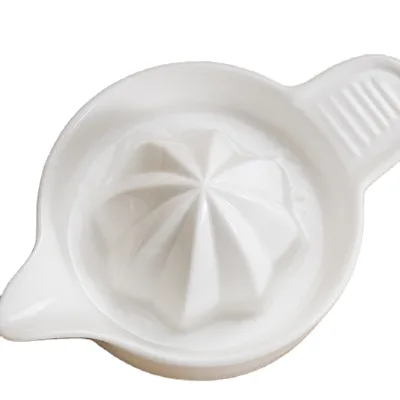


Manual Juicers Ceramic Citrus Orange Lemon Squeezer Hand Juicer for Fresh Juice
$0.46 - $0.50
MOQ: 5000 Pieces


Plastic Handy Multi Citrus Juicer, Lemon & Lime Juice Squeezer with Handle
$0.38 - $0.40
MOQ: 5000 Pieces


Comprehensive Sourcing Guide
Modern Hand Citrus Juicer Sourcing Guide
Sourcing manual citrus juicers requires a nuanced understanding of the distinction between purely mechanical hand-operated devices and electric countertop units that may appear in similar search results. The term "Modern Hand Citrus Juicer" often encompasses a broad spectrum of products, ranging from simple lever-action presses to ergonomic manual squeezers. Buyers must first clarify whether the procurement need is for a low-cost, high-volume promotional item or a durable, premium kitchen tool. The observed market data indicates a wide variance in product attributes, including materials like ABS plastic and alloy blades, and capacities ranging from small handheld units to larger 500ml collection vessels. This diversity necessitates a rigorous filtering process to align supplier offerings with specific functional requirements, such as whether the device is intended for single-fruit squeezing or continuous batch processing.
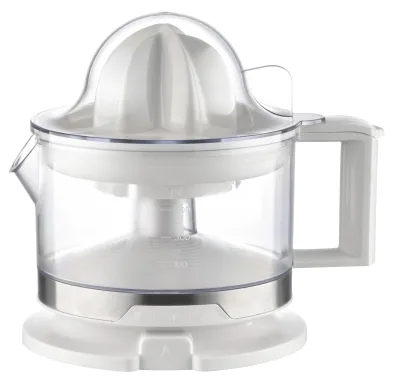
A critical initial step is defining the operational mode and power source. While the core keyword specifies "hand" juicers, the supplied product facts reveal listings for electric models with DC motors and specific wattage ratings, such as 100W and 150W units. These electric variants, often featuring features like non-drip spouts and dishwasher-safe components, are fundamentally different from manual counterparts. Procurement teams must explicitly exclude electric models if the goal is to source purely manual devices, as this distinction impacts cost structures, shipping logistics, and end-user experience. Conversely, if the business model supports electric appliances, verifying motor type and power consumption becomes a primary technical specification rather than a secondary detail.
Product Scope and Observed Listing Signals
The observed product listings reveal a fragmented market where manual and electric juicers are often listed together, requiring careful discrimination. Key material observations include the use of ABS plastic for housings and alloy for cutting blades, which suggests a focus on durability and corrosion resistance against acidic citrus juices. Some listings highlight specific capacities, such as 500ml, indicating that these units are designed to collect juice directly, reducing the need for separate containers. Additionally, the presence of accessories like food pushers in some listings points to a design philosophy centered on ease of use and efficiency, allowing users to maximize juice extraction with minimal effort. These signals help buyers identify products that prioritize user convenience and functional integration.
Color and customization options are significant differentiators in this category, with observed colors including yellow, white, green, and black. The availability of customization for logos and packaging, such as color boxes or gift boxes, suggests that many suppliers cater to private label and promotional markets. This is particularly relevant for buyers seeking branded merchandise or corporate gifts. However, the variation in packing methods, from simple color boxes to complex gift box combinations, also impacts shipping volume and cost. Buyers should evaluate whether the aesthetic appeal of the product justifies the additional packaging complexity, especially when considering bulk orders where shipping efficiency is paramount.
Technical Specifications to Verify
When evaluating technical specifications, the distinction between manual and electric mechanisms is paramount. For manual juicers, buyers should verify the mechanical advantage provided by the design, such as lever ratios or screw mechanisms, which determine the force required to extract juice. The material of the cutting blade is crucial; alloy blades are observed in some listings, offering superior sharpness and longevity compared to standard plastic components. Additionally, the capacity of the juice collection vessel, noted as 500ml in some products, should be matched to the intended usage volume. For electric variants, specifications such as motor type (DC motor) and power consumption (100W-150W) must be confirmed to ensure compatibility with local electrical standards and to assess energy efficiency.
Dimensions and weight are critical for both storage and user ergonomics. Observed dimensions for some models include 16.58.5cm and 2228cm, indicating a range from compact handheld devices to larger countertop units. The unit weight, observed at 80.2g for some items and 1.1kgs for others, further highlights this disparity. Buyers must ensure that the selected product meets ergonomic requirements for the target demographic, particularly if the device is intended for frequent use by individuals with limited hand strength. Furthermore, the presence of features like non-drip spouts and dishwasher-safe components should be verified through product samples, as these features significantly impact user satisfaction and long-term product maintenance.
Compliance and Safety Documentation
Compliance with food safety standards is non-negotiable for citrus juicers, given their direct contact with food products. The observed certifications include FDA, ISO, CE, RoHS, EMC, and LFGB, which cover a broad spectrum of regulatory requirements. FDA and LFGB certifications are particularly relevant for products intended for the US and European markets, ensuring that materials used in the juicer are safe for food contact. CE and RoHS certifications are essential for electric models, verifying compliance with electromagnetic compatibility and hazardous substance restrictions. Buyers must request valid certification documents for each specific model, as certifications are often tied to specific product configurations and materials.
In addition to material safety, electrical safety is a critical concern for electric juicers. The presence of EMC and CE certifications suggests that the electrical components have been tested for interference and safety. However, buyers should also verify that the power cords and plugs meet local regulatory requirements, such as UL for the US or VDE for Germany. For manual juicers, the focus shifts to mechanical safety, ensuring that there are no sharp edges or pinch points that could cause injury during use. Documentation should also include material safety data sheets (MSDS) for any plastics or alloys used, confirming that they are free from harmful substances like BPA or lead.
Cost Drivers and Commercial Terms
Cost structures in the citrus juicer market are influenced by material choices, manufacturing complexity, and customization levels. ABS plastic and alloy blades are observed as common materials, offering a balance of cost and durability. However, the inclusion of electric components, such as DC motors, significantly increases the unit cost. Customization options, including logo printing and specialized packaging like gift boxes, add to the overall expense. Buyers should analyze the cost breakdown to understand the impact of each variable, allowing for more accurate budgeting and negotiation. The observed MOQ range of 1-5000 pieces indicates flexibility, but higher volumes typically yield better unit prices.
Commercial terms, including lead times and payment conditions, vary among suppliers. The observed delivery time of 35 days after receiving the deposit is a key benchmark for planning inventory. Buyers should negotiate clear terms regarding production schedules and potential delays, especially during peak seasons. Payment terms, such as the requirement for a deposit, should be aligned with the supplier's reputation and track record. Additionally, buyers should consider the total landed cost, including shipping and duties, which can significantly impact the final price, particularly for products sourced from regions like Ningbo, China. Understanding these commercial dynamics is essential for maintaining healthy profit margins.
Supplier Qualification and Quality Control
Supplier qualification is a critical step in ensuring product quality and reliability. Buyers should verify the supplier's manufacturing capabilities, including their experience with both manual and electric juicer production. The presence of certifications like ISO and FDA suggests a commitment to quality management systems, but buyers should conduct on-site audits or request third-party audit reports to confirm compliance. Additionally, the supplier's ability to handle customization requests, such as logo printing and packaging design, should be assessed to ensure they can meet specific branding requirements. A robust quality control process, including incoming material inspection and final product testing, is essential to minimize defects and returns.
Quality control measures should also include pre-shipment inspections to verify that the products meet the agreed-upon specifications. Buyers should define clear acceptance criteria for dimensions, weight, color, and functionality. For electric models, functional testing of the motor and electrical components is crucial to ensure safety and performance. The observed product features, such as non-drip spouts and dishwasher-safe components, should be verified through sample testing. Establishing a strong relationship with the supplier and maintaining open communication channels can help address any quality issues promptly and ensure consistent product quality across orders.
Long-Term Procurement Checks
Long-term procurement success depends on continuous monitoring of supplier performance and market trends. Buyers should establish key performance indicators (KPIs) to track supplier reliability, including on-time delivery rates, defect rates, and responsiveness to issues. Regular reviews of these metrics can help identify potential problems early and facilitate corrective actions. Additionally, staying informed about changes in regulatory requirements, such as new food safety standards or electrical safety regulations, is essential to ensure ongoing compliance. Buyers should also monitor market trends to identify new product innovations or material advancements that could offer competitive advantages.
Sustainability and ethical sourcing are increasingly important considerations in modern procurement. Buyers should assess the supplier's environmental practices, including waste management and energy efficiency, to align with corporate sustainability goals. The use of eco-friendly materials and packaging, as observed in some product features, can enhance brand reputation and appeal to environmentally conscious consumers. Furthermore, buyers should evaluate the supplier's labor practices to ensure they adhere to ethical standards. By integrating these long-term checks into the procurement strategy, buyers can build resilient supply chains that deliver value and mitigate risks over time.
FAQs
What materials are used in these modern hand citrus juicers?
The listed products are made primarily of ABS plastic, which is a common food-contact housing material for manual kitchen tools. Some models pair the plastic body with an alloy blade or component for cutting and pressing. Always confirm the exact material composition for each model before ordering, as material details can vary between products in this category.
Can the logo and packaging be customized for my brand?
Yes, customization is available. Listed products support logo customization, and packing options include color box, gift box with carton, and color box with cardboard box. You typically need to provide artwork files and confirm placement with the supplier before production, and custom orders may have different minimum quantities and lead times than stock purchases.
Which certifications do these citrus juicer products hold?
Certifications vary by model. Some products list FDA and ISO certification, while others carry CE, and a few list CE, RoHS, EMC, and LFGB together. Since certification requirements depend on your destination market, verify which certificate applies to the specific model you plan to import and request documentation before placing an order.
How long is the delivery time after placing an order?
One listed product states a delivery time of 35 days after receiving the deposit. Lead times generally depend on order quantity, customization requirements, and whether the item is in stock. Items with eco-friendly and stocked features may ship faster, while customized logos or packaging usually add production days to the standard schedule.
What is the capacity and size range of these manual juicers?
The listed products vary in size. One model has a 500ml capacity and dimensions of 16.5 by 8.5cm, while another measures 22 by 28cm with a capacity under 10 liters. Check the specification table for each model, since compact hand juicers for home use differ significantly in size from larger manual pressing units.
What is the minimum order quantity for modern hand citrus juicers?
Minimum order quantities in this category range widely, from as low as 1 piece to 5000 pieces. One listed model shows an MOQ of 500 pieces. Stocked items often allow small trial orders, while customized production runs with your logo or packaging typically require higher volumes. Confirm the MOQ with the supplier for your chosen model.
Which models are suitable for home kitchen use?
The listed products are designed as kitchen helpers for home use, including manual pepper mills, mixing tools, and citrus juicers. Features such as eco-friendly material, stocked availability, dishwasher-safe parts, and non-drip spouts support everyday home use. Match the model style, whether manual or with a DC motor, to your intended application before ordering.