Source Modern Kids Bed Frame for Bedroom, Hotel, and School
Find 30 Modern Kids Bed Frame options suitable for bedroom, hotel, and school environments. Compare specifications including wood construction, washable fabrics, and various models like Mickey and Sunflower to identify the best fit for your procurement needs.
Key considerations
Products List


Modern Wooden Bed Furniture Good Design Good Quality Solid Wood Kids Bed
$49.00 - $69.00
MOQ: 50 Pieces


Children Bed Modern Kid Bed Kids Bunk Beds Bedroom Wooden Furniture Bed
$185.00 - $555.00
MOQ: 1 Pieces

Children Beds for Bedroom Kid Modern Kids Bed Cartoon Kid Bed Child Bed
$230.00 - $260.00
MOQ: 5 Pieces

Children Bed Modern Bed Kids Bunk Beds Double Kid Bed Bedroom Furniture
$185.00 - $555.00
MOQ: 1 Pieces

Modern Kid Bedroom Furniture Bed Kids Bed Children House Wooden Bed for Girl
$230.00 - $260.00
MOQ: 5 Pieces


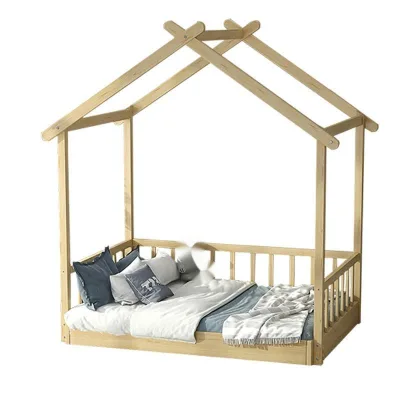
Solid Wood Bed Frame for Kids Safe and Natural for Bedroom or School
$80.00 - $120.00
MOQ: 100 Minimum


Flat Modern Home Furniture Double Frame Bedroom Kids Bed with Storage Shelf
$59.40 - $64.80
MOQ: 1 Pieces


Comprehensive Sourcing Guide
Modern Kids Bed Frame Sourcing Guide
Sourcing modern kids bed frames requires a careful balance between aesthetic appeal, structural safety, and functional versatility. The current market offers a diverse range of designs, from minimalist square profiles to themed models featuring characters like Mickey Mouse or Sunflower patterns. Buyers must navigate a landscape where customization is widely available, allowing for tailored solutions that fit specific interior design themes or brand identities. Understanding the distinction between standard inventory and bespoke manufacturing is crucial for aligning procurement strategies with project timelines and budget constraints.
The procurement process involves evaluating multiple variables, including material composition, assembly requirements, and logistical terms. Products are often constructed from solid wood, leather, fabric, or foam combinations, each offering different durability and maintenance profiles. With options ranging from single to double sizes and including specialized types like bunk beds, buyers must ensure that the selected frame meets the specific age group and usage requirements. This guide provides a structured approach to verifying technical details, compliance standards, and commercial terms to mitigate risk in international sourcing.
Product Scope and Observed Listing Signals
The observed product range indicates a strong emphasis on modern aesthetics, with many listings highlighting square shapes, white or grey color options, and contemporary styling. These frames are designed for both indoor and outdoor applications, including patios, gardens, and home environments, suggesting a versatility that appeals to diverse residential and commercial settings. The availability of customization services, including OEM and ODM options, allows buyers to modify designs to suit specific market demands or private label requirements. This flexibility is particularly valuable for retailers looking to differentiate their offerings in a competitive children’s furniture market.
Condition and assembly status are critical factors in the sourcing decision, with most products listed as new and either folded or unfolded. Disassembly features are noted, which can impact shipping efficiency and storage requirements, especially for large items like bunk beds or double-sized frames. The presence of washable and non-washable variants highlights the importance of selecting materials based on the intended user environment, such as high-traffic family homes versus controlled hotel settings. Buyers should carefully review the packing specifications, which often include high-quality cartons, EPE, and foam board, to ensure adequate protection during transit.
Technical Specifications to Verify
Material composition is a primary technical consideration, with common constructions involving solid wood, leather, fabric, and foam. The specific combination of these materials affects the bed’s weight, durability, and maintenance needs. For instance, wooden frames offer robust structural integrity, while fabric and foam components provide comfort and aesthetic flexibility. Buyers must verify the exact material breakdown to ensure it aligns with safety standards and durability expectations, particularly for children’s furniture which undergoes frequent use. The model numbers, such as Mickey#, Sunflower#, or LD-18B05, serve as unique identifiers for these specific configurations and should be cross-referenced with detailed technical datasheets.
Size and dimensional specifications vary significantly across the product range, with options for single and double beds, as well as specific mattress sizes like 1900*900 mm. Height adjustability is generally listed as unadjustable, meaning the frame’s dimensions are fixed, which simplifies installation but requires precise planning for room layout. The shape is predominantly square, contributing to a modern, streamlined look that fits well in contemporary interiors. Buyers should confirm the exact dimensions and weight limits for each model to ensure compatibility with existing bedding and room constraints, avoiding potential fit issues upon delivery.
Compliance and Safety Documentation
Safety certifications are paramount when sourcing children’s furniture, with some suppliers listing ISO9000, ISO14001, and CCC certifications. These standards indicate adherence to quality management and environmental protection protocols, which are essential for ensuring consistent product quality and safety. Buyers must verify the validity and scope of these certifications, as they may not cover all product lines or manufacturing facilities. Additionally, compliance with local safety regulations, such as those regarding flammability, chemical emissions, and structural stability, is critical to avoid legal liabilities and ensure child safety.
Documentation should also include detailed assembly instructions and maintenance guidelines, particularly for washable versus non-washable components. The warranty period, often listed as three years, provides a baseline for expected product longevity and supplier support. Buyers should clarify the terms of the warranty, including what constitutes valid claims and the process for obtaining replacements or repairs. Ensuring that all safety-related documentation is complete and up-to-date is a key step in mitigating risk and maintaining brand reputation in the children’s furniture market.
Cost Drivers and Commercial Terms
Pricing in the Modern Kids Bed Frame market varies widely, with observed ranges from approximately $31 to over $1000, reflecting differences in materials, complexity, and customization levels. The minimum order quantity (MOQ) typically ranges from 1 to 100 units, offering flexibility for both small-scale buyers and large distributors. Payment terms are diverse, including T/T, L/C, and PayPal, allowing buyers to choose methods that align with their financial policies and risk tolerance. Understanding the cost structure, including material costs, labor, and logistics, is essential for accurate budgeting and negotiation.
Logistics and delivery terms significantly impact the total cost of ownership, with options like EXW and FOB influencing who bears the responsibility for shipping and insurance. The mass delivery time is often cited as 45 days, though some listings mention shorter periods of 10-15 days, highlighting the importance of confirming lead times for specific orders. Port of origin, such as Qingdao or Foshan, affects shipping routes and transit times. Buyers should factor in these logistical variables when planning inventory levels and fulfilling customer orders, ensuring that supply chain delays do not disrupt business operations.
Supplier Qualification and Quality Control
Supplier qualification involves assessing the manufacturer’s capability to meet quality standards and delivery commitments. Factories located in key manufacturing hubs like Foshan and China often have established supply chains and production expertise. Buyers should request samples to evaluate build quality, material finish, and assembly ease before committing to large orders. Verifying the supplier’s production capacity and quality control processes is essential to ensure consistency across batches, particularly when dealing with customized or OEM orders.
Quality control measures should include pre-shipment inspections to check for defects, proper packaging, and compliance with agreed specifications. The use of export cartons and protective materials like EPE and foam board indicates an awareness of transit risks, but buyers should still conduct random checks upon receipt. Establishing clear communication channels with the supplier for addressing issues and providing feedback is crucial for maintaining a productive relationship. Regular audits or third-party inspections may be necessary for high-volume orders to ensure ongoing compliance with quality and safety standards.
Long-Term Procurement Checks
Long-term procurement success depends on continuous monitoring of supplier performance and market trends. Buyers should track delivery times, defect rates, and customer feedback to identify areas for improvement. The availability of customization and OEM services allows for adapting to changing design preferences and market demands, but requires ongoing collaboration with the supplier. Maintaining a diverse supplier base can mitigate risks associated with single-source dependencies and ensure continuity of supply.
Regular review of commercial terms and pricing is necessary to remain competitive and manage costs effectively. As the market evolves, new materials and technologies may emerge, offering improved durability or sustainability. Buyers should stay informed about these developments and assess their potential impact on product offerings. Building a strong relationship with suppliers based on transparency and mutual benefit can lead to better pricing, priority production, and innovative solutions, supporting long-term growth in the children’s furniture sector.
FAQs
What materials are used in modern kids bed frames?
Modern kids bed frames are typically constructed from solid wood, leather, fabric, and foam. These materials ensure durability and comfort for children. The frames often feature a square shape and a modern style. Some models include a bunk bed configuration for space efficiency. The combination of sturdy wood and soft fabrics provides a safe and appealing sleeping environment for young users.
Can modern kids bed frames be customized for specific needs?
Yes, customization is available for many modern kids bed frames. Buyers can request specific designs, colors, or sizes to match their interior decor. OEM and ODM services are welcome for bulk orders. This allows for tailored solutions that meet unique functional or aesthetic requirements. Customization options ensure that the final product aligns perfectly with the buyer's specifications and market demands.
What is the typical lead time for mass delivery?
The typical mass delivery time for these bed frames is 45 days. This timeframe allows for proper manufacturing, quality control, and packaging processes. Buyers should plan their inventory accordingly to avoid stockouts. The lead time may vary slightly based on order volume and customization complexity. Early communication with suppliers helps ensure timely delivery and smooth logistics planning.
Are modern kids bed frames suitable for outdoor use?
Some modern kids bed frames are designed for outdoor, garden, patio, or indoor use. However, most are intended for indoor environments like bedrooms, hotels, or schools. Buyers should verify the specific application for each model. Outdoor suitability depends on material resistance to weather elements. Always check the product specifications to ensure the frame meets the intended usage environment.
What certifications do these bed frames typically hold?
These bed frames often hold ISO9000, ISO14001, and CCC certifications. These standards indicate quality management and environmental responsibility. Buyers can trust that the products meet recognized industry benchmarks. Certifications provide assurance of consistent manufacturing processes and safety compliance. Always request certification documents from suppliers to verify compliance with specific market regulations.
How are modern kids bed frames packaged for shipping?
Modern kids bed frames are packaged in high-quality cartons with EPE and foam board protection. Export cartons are used for sea transportation to ensure safety during transit. This packaging prevents damage and maintains the product's condition. The packing method is designed to withstand long-distance shipping. Buyers should confirm packaging details to ensure adequate protection for their specific logistics requirements.