Source Modern Kia Series Automobile Parts for engines, suspensions, and exhausts
Find and compare 30 listings for Modern Kia Series Automobile Parts including catalytic converters, exhaust pipes, and suspension springs. Buyers can evaluate specifications, certifications, and customization options across verified suppliers.
Key considerations
Products List


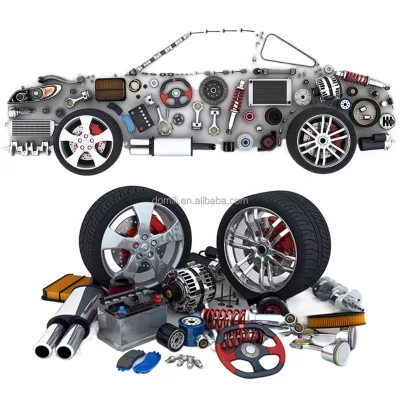
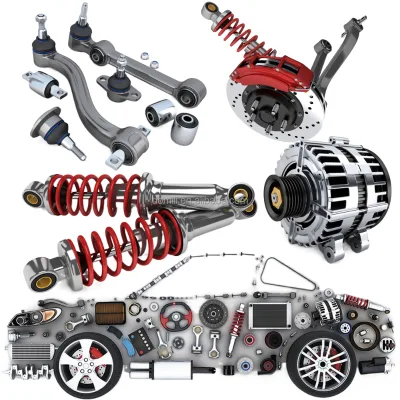


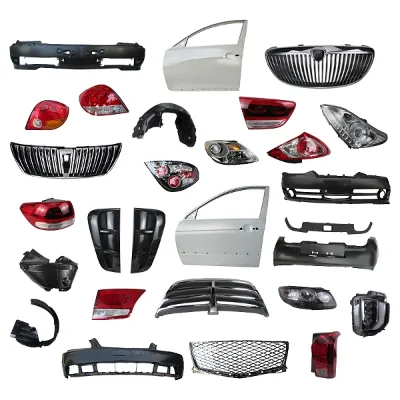
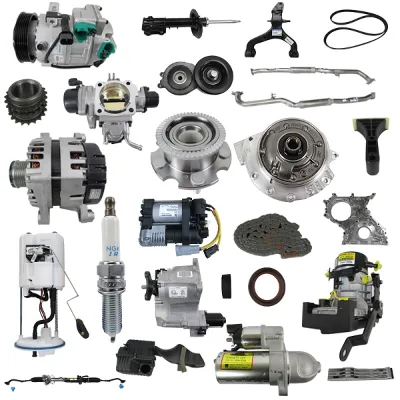
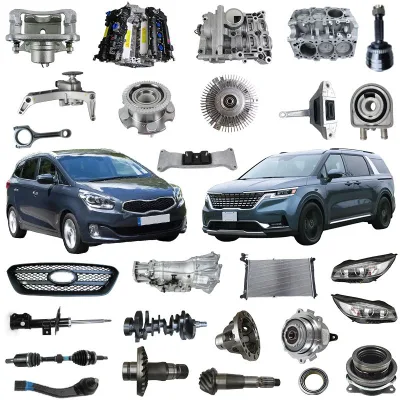
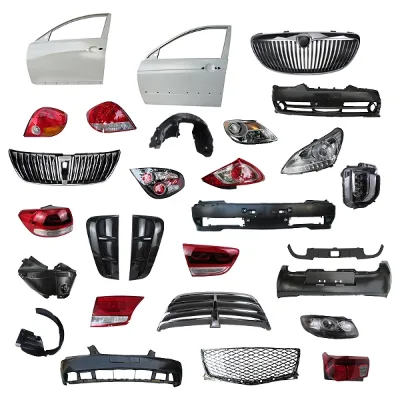
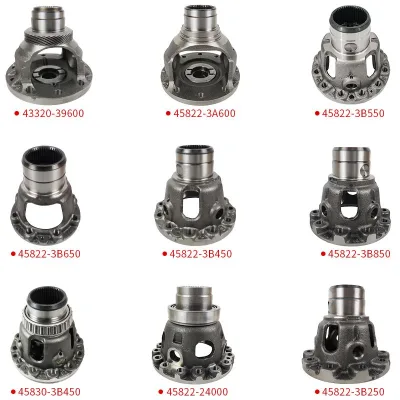


Comprehensive Sourcing Guide
Strategic Sourcing Guide for Modern Kia Series Automobile Parts
Technical Specifications and Component Identification
When sourcing parts for the modern Kia series, buyers must first navigate a complex landscape of specific model numbers and technical attributes. The market data indicates a diverse range of components, from exhaust systems to suspension elements, each requiring precise identification. A critical observation in the current supply pool is the existence of specific model numbers such as 35100-2B150 and 39120-2G650, which often correspond to catalytic converters and exhaust pipes. These components are fundamental to meeting emission standards and ensuring engine performance. For instance, the product attributes explicitly list "Catalytic Converter" and "Exhaust Pipe" as distinct types, suggesting that buyers must verify the exact nature of the part before proceeding with an order.
The technical profile of these parts often includes specific material compositions. Steel is noted as a primary body material for certain exhaust components, while aluminum alloy and plastic are also present in the supply chain for different applications. The "Suspension Spring" category, for example, is associated with plastic materials in some listings, which may indicate specific sub-components or protective housings rather than the spring element itself. Buyers should be aware that the "Type" attribute varies significantly across listings, ranging from "Catalytic Converter" to "Suspension Spring," necessitating a rigorous cross-reference with the vehicle's service manual.
Furthermore, the "OE NO." (Original Equipment Number) serves as the primary technical identifier. The data reveals extensive lists of OE numbers, such as the sequence starting with 571351G000 and extending through 571403B10, as well as another set beginning with DN0722EW00. These numbers are critical for ensuring compatibility with specific Kia and Hyundai models. The "Applicable Models" attribute explicitly mentions "Hyundai KIA," confirming that many parts in this category are designed for cross-compatibility within the Hyundai Motor Group ecosystem. However, the presence of multiple OE number sets suggests that a single part may serve different model years or engine configurations, requiring buyers to validate the specific application against their inventory needs.
Compliance and Certification Verification
Navigating the regulatory landscape is essential for sourcing automotive parts that meet international standards. The provided data highlights several certifications, including CCC, ISOCE, and TS. The "CCC" certification is a mandatory safety mark for products sold in China, while "ISOCE" and "TS" likely refer to specific industry or quality management standards relevant to the automotive sector. Buyers must verify that the supplier can provide valid documentation for these certifications, as they are not merely marketing terms but indicators of regulatory compliance.
Emission standards are another critical compliance factor. The data explicitly references "Euro I" as a discharge standard for certain exhaust components. This is a significant observation because modern vehicles often require compliance with stricter standards such as Euro IV, V, or VI. If a buyer is sourcing parts for a newer Kia model, a component listed with a "Euro I" standard may be incompatible or insufficient for legal road use in many jurisdictions. Therefore, the verification process must involve a direct inquiry to the supplier regarding the specific emission standard of the part, rather than assuming that the listed standard applies to all inventory.
Additionally, the "Standard Component" attribute suggests that some parts are manufactured to generic industry specifications rather than unique OEM designs. While this can offer cost advantages, it requires careful scrutiny to ensure that the "Standard Component" meets the specific performance and safety requirements of the modern Kia series. The "Product Standard" is also listed as "Standard" in some entries, which is a vague descriptor. Buyers should request detailed technical sheets that define what "Standard" entails in the context of the specific part, including tolerance levels and material grades, to avoid ambiguity in procurement.
Cost Drivers and Pricing Dynamics
The pricing structure for modern Kia series parts is influenced by a variety of factors, including material costs, certification requirements, and order volume. The observed price range in the market spans from 0.35 USD to 1000 USD, indicating a vast disparity in value between small accessories and major engine components. This wide range suggests that buyers must carefully evaluate the cost drivers specific to their needs. For example, a catalytic converter, which contains precious metals and requires complex manufacturing, will naturally command a higher price point compared to a plastic housing or a standard suspension spring.
The Minimum Order Quantity (MOQ) is another significant cost driver, with observed ranges between 1 and 150 units. Suppliers offering an MOQ of 1 are ideal for small-scale repairs or prototyping, while those requiring 150 units are better suited for bulk procurement. The "Supply Ability" of 10000 pieces per month indicates that some suppliers have the capacity to handle large orders, which can lead to economies of scale and reduced unit costs. However, buyers should be cautious of suppliers who promise high supply abilities without clarifying their lead times or production capacity constraints.
Packaging also plays a role in the final cost. The data shows variations in packaging, ranging from "Box" to "Wooden Case and Carton." While "Box" packaging is standard for individual items, "Wooden Case" packaging is typically used for heavier or more fragile components to prevent damage during transit. These packaging differences can impact shipping costs and insurance premiums, which should be factored into the total cost of ownership. Additionally, the "Single gross weight" of 1.000 kg for certain items suggests that weight-based shipping charges will be a relevant consideration for buyers sourcing multiple units.
Typical Applications and Market Distribution
Understanding the typical applications of these parts is crucial for effective inventory management and sales planning. The "Main Market" attributes indicate that the primary demand for these parts comes from Southeast Asia and the Middle East. This geographic distribution suggests that the parts are likely designed to withstand specific environmental conditions, such as high temperatures or dusty roads, which are common in these regions. Buyers targeting these markets should ensure that the parts are suitable for the local climate and road conditions.
The "Car Make" attribute explicitly lists "Kia, Hyundai," confirming that the parts are intended for vehicles from these manufacturers. The "Position" attribute, such as "Front," helps buyers identify the specific location of the part on the vehicle, which is essential for correct installation. For example, a suspension spring located at the "Front" position will have different load-bearing requirements compared to a rear component. The "Purpose" of "Original Replacement" indicates that these parts are designed to restore the vehicle to its factory specifications, making them suitable for warranty repairs and maintenance.
The "Fuel" type is listed as "Gasoline," which narrows the application to gasoline-powered vehicles. This is a critical distinction, as diesel and electric vehicles require different components. The "Number of Cylinders" is specified as 4, and the "Displacement" is 1.4L, providing further technical context for the engine compatibility. Buyers should verify that the parts they source match the engine configuration of the vehicles they are servicing, as mismatches can lead to performance issues and customer dissatisfaction.
Supplier Evaluation and Selection Criteria
Selecting the right supplier is a pivotal step in the procurement process. The data indicates that suppliers offer "Customization" services, which can be a valuable asset for buyers with unique requirements. However, the availability of customization does not guarantee quality, and buyers must evaluate the supplier's capability to deliver customized parts that meet technical specifications. The "Service" attribute mentions "Centralized Procurement Available," suggesting that some suppliers can handle large-scale procurement needs, which can streamline the supply chain for buyers with multiple locations.
The "Port of dispatch" is listed as "YANTIAN," a major shipping hub in China. This information is useful for buyers planning logistics and estimating lead times. However, the absence of specific lead time data in the provided facts means that buyers must directly inquire with suppliers about their production and shipping schedules. The "Packaging Details" of "Carton Box" and "Support Customization" for packaging indicate that suppliers are flexible in their delivery methods, which can be beneficial for buyers with specific storage or shipping requirements.
Buyers should also consider the "Brand Name" attribute, which is listed as "OEM." This suggests that the parts are manufactured by original equipment manufacturers or their authorized partners, which can be a proxy for quality. However, the term "OEM" is sometimes used loosely, and buyers should verify the actual manufacturing origin and quality control processes of the supplier. The "Craftsmanship" attribute, listed as "Press," provides insight into the manufacturing method, which can affect the durability and performance of the part.
Quality Control and Long-Term Procurement
Ensuring consistent quality is paramount in the automotive industry. The "Noise Source" attributes, such as "The Noise of Engine," "Mechanical Noise and Combustion," and "Aerodynamic Noise," highlight the importance of acoustic performance in these parts. Buyers should request test results or acoustic data to verify that the parts meet the required noise reduction standards. The "Intake Pressure Impulse" attribute, listed as "Na," suggests that this parameter may be variable or not applicable in all cases, requiring further clarification from the supplier.
Long-term procurement considerations include the availability of spare parts and the reliability of the supply chain. The "Supply Ability" of 10000 pieces per month indicates that some suppliers have the capacity to support long-term contracts. However, buyers should establish clear agreements regarding quality assurance, delivery schedules, and after-sales support. The "OE NO." lists provide a comprehensive reference for identifying parts, but buyers should maintain a robust system for tracking and updating these numbers to ensure compatibility with future vehicle models.
The "Product name" of "Auto parts" is a generic descriptor, and buyers should ensure that the specific part description matches their requirements. The "Single package size" of 10X10X10 cm provides a baseline for storage and shipping calculations, but buyers should verify the actual dimensions of the parts they intend to purchase. Finally, the "Selling Units" of "Single item" suggests that parts can be purchased individually, which is beneficial for small orders, but buyers should negotiate bulk pricing for larger quantities to optimize costs.
Conclusion
Sourcing Modern Kia Series Automobile Parts requires a meticulous approach that balances technical specifications, compliance requirements, and cost considerations. The data provided offers a foundation for understanding the market, but buyers must conduct thorough due diligence to ensure that the parts they select meet their specific needs. By focusing on technical accuracy, verifying certifications, and evaluating supplier capabilities, buyers can build a reliable supply chain that supports the maintenance and repair of modern Kia vehicles. The complexity of the market, with its diverse range of components and varying standards, underscores the importance of a disciplined and evidence-based procurement strategy.
FAQs
What certifications do Modern Kia Series Automobile Parts have?
These parts hold CCC, ISOCE, and TS certifications to ensure regulatory compliance. Buyers must verify specific documentation for each item as standards vary by component type.
Which emission standard applies to the exhaust components?
The exhaust components listed meet the Euro I discharge standard. This is a critical detail as newer models may require stricter standards like Euro IV or V for legal road use.
Can buyers request customization for these auto parts?
Yes, customization is available for many Modern Kia Series Automobile Parts. Suppliers offer flexible packaging and design options to meet specific procurement needs.
What is the typical minimum order quantity for these parts?
The minimum order quantity ranges from 1 to 150 units depending on the supplier. Small repairs may use an MOQ of 1, while bulk orders often require higher quantities.
Which materials are used for the body of these parts?
Common body materials include steel, aluminum alloy, and plastic. The specific material depends on the component type, such as steel for exhaust pipes or plastic for suspension housings.
How is the supply capacity defined for large orders?
Some suppliers offer a supply ability of 10,000 pieces per month. This capacity supports large-scale procurement but requires verification of actual lead times and production schedules.
What is the origin location for these automobile parts?
The products originate from China and are dispatched from the Yantian port. This location influences shipping logistics and potential lead times for international buyers.