Source Modern Kitchen Oil Bottle Platter for Cooking, Home, and Packing
Explore 30 listings for the Modern Kitchen Oil Bottle Platter designed for cooking, home kitchen use, and olive oil packing. Buyers can compare specifications like material, volume, and sealing types to find suitable suppliers.
Key considerations
Products List
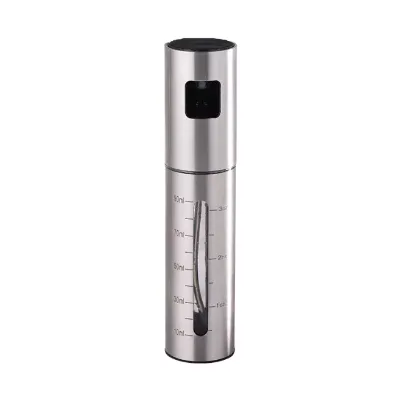
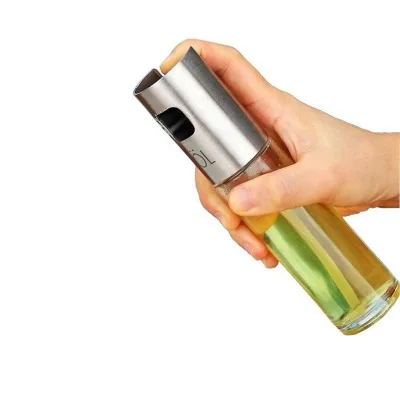
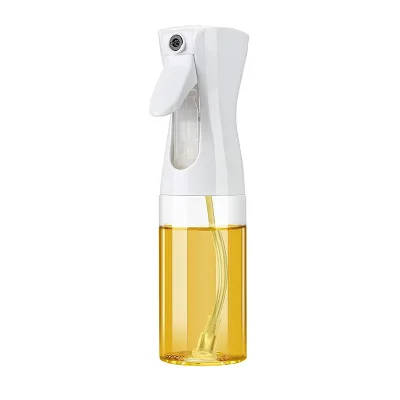


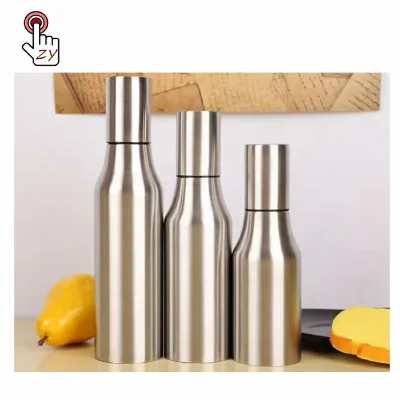
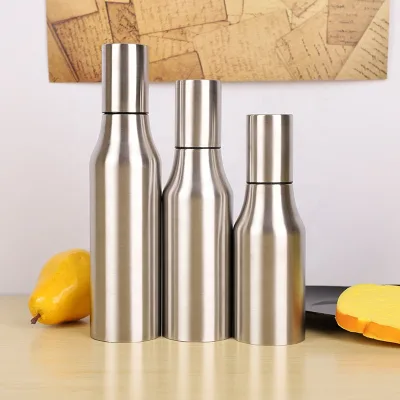


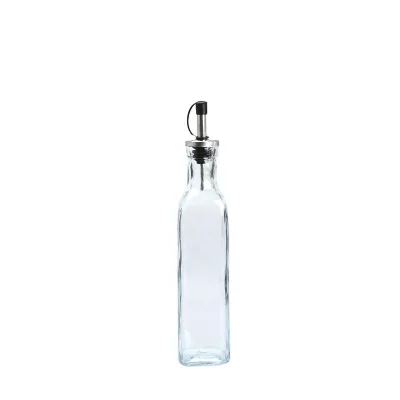


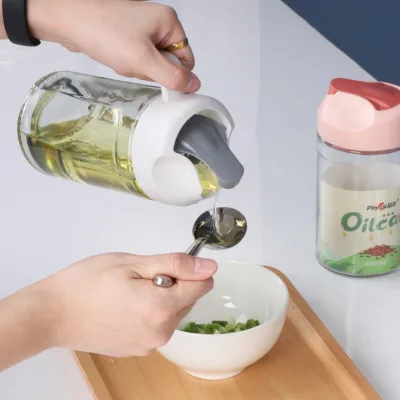
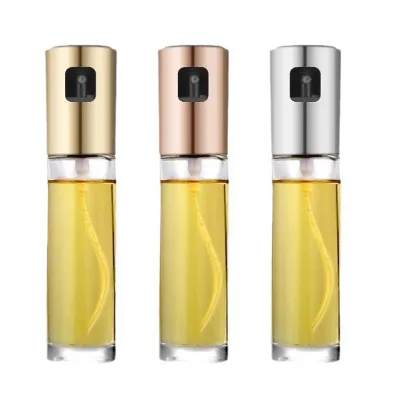


New Design 120ml Kitchen Glass Storage Bottles Oil and Vinegar Dispenser
$0.50 - $1.10
MOQ: 10000 Pieces


Comprehensive Sourcing Guide
Modern Kitchen Oil Bottle Platter Sourcing Guide
Sourcing high-quality oil dispensers for modern kitchen environments requires a nuanced understanding of material durability, dispensing mechanics, and aesthetic integration. The market offers a diverse range of products, from simple glass bottles with aluminum caps to complex push-type spray mechanisms constructed from stainless steel or food-grade plastics. Buyers must navigate these variations by focusing on the specific functional requirements of their end-users, whether that involves precise misting for salad dressings or steady pouring for high-viscosity cooking oils. The distinction between a simple storage vessel and a functional dispensing tool is critical, as it dictates the complexity of the supply chain and the rigor of quality control protocols.
This guide provides a structured approach to evaluating suppliers and products in this category. It emphasizes the verification of technical specifications, such as volume capacity, material composition, and sealing integrity, which are paramount for maintaining food safety and product longevity. By aligning procurement strategies with observed market signals and standard industry practices, buyers can mitigate risks associated with leakage, material degradation, and inconsistent performance. The following sections detail the essential steps for identifying reliable suppliers and ensuring that the final products meet the high standards expected in modern culinary applications.
Product Scope and Observed Listing Signals
The current market landscape for oil dispensers includes a variety of designs, ranging from minimalist stainless steel spray bottles to elegant glass containers with screw-top caps. Observed listings indicate a strong preference for reusable, durable materials such as 304 stainless steel and PET+PP composites, which offer a balance between aesthetic appeal and functional resilience. Products are frequently marketed with specific features like dishwasher safety and compatibility with olive oil, signaling a focus on ease of maintenance and specialized use cases. The presence of OEM and customization options suggests that many suppliers are equipped to handle branded orders, allowing buyers to tailor products to specific brand identities or retail requirements.
Volume capacities vary significantly across different models, with common sizes including 300ml, 100ml, 250ml, 500ml, 750ml, and 1000ml options. This diversity allows buyers to select products that fit specific retail packaging strategies or consumer usage patterns. For instance, smaller 300ml spray bottles are often designed for countertop convenience and frequent refilling, while larger glass bottles may serve as primary storage solutions. The observed price range and minimum order quantities (MOQs) reflect this variability, with simpler plastic or glass items generally having lower entry points compared to more complex metal spray mechanisms. Buyers should carefully assess these signals to determine which product lines align with their target market’s price sensitivity and volume needs.
Technical Specifications to Verify
Material composition is the most critical technical factor to verify, as it directly impacts food safety, durability, and user experience. For metal components, buyers should confirm the use of 304 stainless steel, which offers superior corrosion resistance compared to lower-grade alternatives, ensuring that the bottle does not impart metallic tastes or degrade over time. In cases where plastic components are used, such as in spray mechanisms or bottle bodies, verification of food-grade PET or PP materials is essential to prevent chemical leaching. Additionally, the sealing type, whether it is a screw cap with an aluminum liner or a specialized plastic stopper, must be tested for integrity to prevent leaks and oxidation, which can spoil the oil and reduce shelf life.
Dispensing mechanics and volume accuracy are also key technical areas requiring scrutiny. Push-type spray bottles must be evaluated for mist consistency and flow rate, ensuring that they provide a fine, even spray rather than a erratic stream. For pouring bottles, the spout design should be checked for drip-free operation, a common pain point for consumers. Buyers should request detailed specifications regarding single package dimensions and gross weights to optimize logistics and shipping costs. Furthermore, verifying the model numbers and associated specifications, such as the 4.5x4.5x17.8 cm dimensions for certain stainless steel models, helps in creating accurate product listings and managing inventory expectations.
Compliance and Safety Documentation
Food contact safety is the primary compliance concern for oil dispensers, requiring suppliers to provide documentation that verifies the materials used are safe for direct contact with edible oils. Buyers should request certificates of compliance or test reports that confirm the absence of harmful substances like BPA, phthalates, or heavy metals in plastics and coatings. For stainless steel products, verification of food-grade standards ensures that the metal will not react with acidic or oily substances over time. While specific certification names may vary by region, the underlying requirement remains the same: suppliers must demonstrate that their products meet the relevant food safety regulations of the destination market.
Packaging and labeling compliance are equally important, particularly for international trade. Buyers should ensure that suppliers adhere to proper labeling standards, including clear indication of material composition, care instructions, and recommended uses. The use of pallet or carton packaging must be evaluated for its ability to protect fragile items like glass bottles during transit. Additionally, verifying the HS Code, such as 7010902000 for glass containers, is crucial for accurate customs classification and duty calculation. Buyers should also confirm that suppliers can provide necessary documentation for sample requests and that payment terms, such as T/T, are clearly defined to avoid commercial disputes.
Cost Drivers and Commercial Terms
The cost of oil dispensers is influenced by several factors, including material choice, manufacturing complexity, and order volume. Stainless steel models, particularly those with intricate spray mechanisms, tend to be more expensive due to the higher cost of raw materials and the precision engineering required for their production. In contrast, glass and plastic options generally offer lower unit costs, making them attractive for high-volume, price-sensitive markets. Buyers should analyze the relationship between MOQ and unit price, as larger orders often result in significant cost savings. Understanding these cost drivers allows buyers to negotiate more effectively and select products that fit their budget constraints without compromising on quality.
Commercial terms, including payment methods and sample policies, play a significant role in the procurement process. Many suppliers offer free samples, which is a valuable opportunity for buyers to physically inspect product quality before committing to large orders. Payment terms such as T/T are common, but buyers should negotiate favorable conditions, such as partial payments or escrow services, to mitigate financial risk. Additionally, the availability of customization and OEM services may incur additional setup fees or higher MOQs, which should be factored into the total cost of ownership. Clear communication regarding these terms early in the sourcing process helps prevent misunderstandings and ensures a smooth transaction.
Supplier Qualification and Quality Control
Supplier qualification begins with a thorough assessment of their manufacturing capabilities and quality control systems. Buyers should verify the supplier’s place of origin, such as Guangdong, China, and evaluate their experience in producing kitchenware and food storage solutions. Requesting references or case studies from previous clients can provide insights into the supplier’s reliability and consistency. Additionally, buyers should inquire about the supplier’s internal quality control processes, including inspection protocols for material incoming, production line checks, and final product testing. A robust QC system is essential for minimizing defects and ensuring that every unit meets the specified standards.
Quality control should also extend to the final product performance, particularly for functional aspects like spray mechanism durability and seal integrity. Buyers should conduct random sampling and testing upon receipt of goods to verify that the products match the approved samples. Key tests include checking for leaks, assessing the ease of cleaning, and evaluating the aesthetic finish for any defects. For glass products, impact resistance testing may be necessary to ensure durability during shipping and use. Establishing clear acceptance criteria and communication channels for addressing quality issues is crucial for maintaining a successful long-term partnership with the supplier.
Long-Term Procurement Checks
Long-term procurement success depends on continuous monitoring of supplier performance and market trends. Buyers should regularly review supplier delivery times, product quality consistency, and responsiveness to issues. Establishing a scorecard system to track these metrics can help identify potential problems early and facilitate data-driven decisions regarding supplier retention or replacement. Additionally, staying informed about changes in material costs, regulatory requirements, and consumer preferences allows buyers to adapt their sourcing strategies proactively. For example, increasing demand for sustainable materials may necessitate exploring new suppliers who offer eco-friendly options.
Building a resilient supply chain also involves diversifying suppliers to mitigate risks associated with single-source dependencies. Buyers should identify backup suppliers for critical components or product lines to ensure continuity in case of disruptions. Regular communication and collaboration with suppliers can lead to innovation and cost-saving opportunities, such as joint development of new designs or improved packaging solutions. By maintaining a strategic approach to supplier management and continuously evaluating procurement processes, buyers can ensure that their Modern Kitchen Oil Bottle Platter offerings remain competitive, high-quality, and aligned with market demands.
FAQs
What materials are used for modern kitchen oil bottle platters?
Modern kitchen oil bottle platters are constructed from stainless steel 304 or a combination of PET and PP plastics. Some models feature aluminum caps with plastic stoppers, while others utilize glass for the main container body to ensure durability and food safety.
Can I customize the design of these oil spray bottles?
Yes, customization is available for these oil spray bottles with OEM services offered by the manufacturer. Buyers can request specific modifications to the product design or branding, subject to the supplier's capabilities and minimum order quantity requirements.
Which models are suitable for cooking olive oil?
Models like OP005 and OP001 are specifically recommended for use with olive oil in home kitchens. These units feature push-type mechanisms or spray functions designed to dispense oil evenly, making them ideal for cooking applications requiring precise control.
How do I clean the oil spray bottle after use?
The oil spray bottles are dishwasher safe, allowing for easy and thorough cleaning after each use. This care instruction ensures that the metal and plastic components remain hygienic without requiring manual scrubbing or special cleaning agents.
What is the typical weight of a single oil bottle unit?
The weight of a single unit varies by model, ranging from approximately 85 grams for plastic versions to 227 grams for others. Specific models like OP007-300 weigh 85 grams, while stainless steel variants may weigh up to 190 grams depending on the material.
Are batteries included in the Modern Kitchen Oil Bottle Platter?
No, batteries are not included in these oil spray bottles as they operate manually without electronic components. The devices rely on mechanical push or spray mechanisms to dispense oil, eliminating the need for any power source or battery replacement.