Source Modern Luxury Dining Chair for Hotel, Restaurant, and Home
Explore 30 options for a Modern Luxury Dining Chair suitable for hotel lobbies, restaurant dining rooms, and home kitchens. Compare metal and synthetic leather designs with fixed rotary bases, low or medium back styles, and customizable colors to find the right fit for your space.
Key considerations
Products List


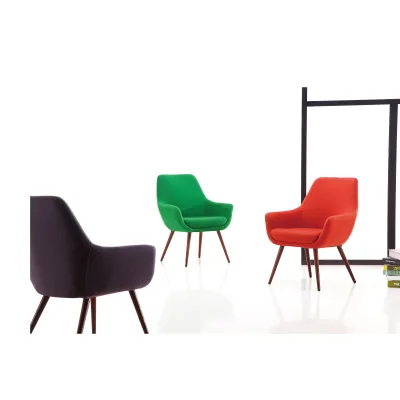


Hot Selling Modern Contemporary Dining Chair for Living Room Restaurant
$10.00 - $18.00
MOQ: 100 Pieces


Contemporary Dining Chairs with Comfortable Backrest for Luxury Spaces
$10.00 - $15.00
MOQ: 100 Pieces


Hotel Chair Dining Chair Copper Chair Home Luxury Furniture Brass Chair
$688.00 - $879.00
MOQ: 1 Pieces
Comprehensive Sourcing Guide
Modern Luxury Dining Chair Sourcing Guide
Sourcing high-end seating for hospitality and residential projects requires a disciplined approach to balancing aesthetic appeal with structural integrity. The Modern Luxury Dining Chair market is characterized by a wide variance in material composition, from solid wood frames to metal constructions with synthetic leather upholstery. Buyers must navigate a landscape where "luxury" is often a marketing term rather than a standardized specification, necessitating rigorous verification of build quality, finish durability, and ergonomic design. This guide provides a structured framework for evaluating suppliers, interpreting product listings, and ensuring that the final delivered goods meet the stringent requirements of hotel, restaurant, and high-end residential applications.
The procurement process for these items is heavily influenced by customization capabilities and packaging efficiency, which directly impact landed costs and project timelines. Suppliers often offer modular designs that allow for variations in back height, armrest configurations, and seat padding, catering to diverse interior design schemes. However, this flexibility introduces complexity in quality control, as inconsistent manufacturing standards across different batches can lead to mismatched aesthetics or premature wear. Understanding the specific technical and commercial signals present in supplier listings is the first step in mitigating risk and securing a reliable supply chain for these critical furniture assets.
Product Scope and Observed Listing Signals
The observed product landscape for modern luxury dining chairs reveals a diverse range of configurations, primarily centered around metal and wood frame constructions. Listings frequently indicate a "New" condition with a "Modern" style, often featuring square or standard-sized profiles that fit contemporary interior design trends. A significant portion of the market offers chairs without armrests, which are typically lighter and more stackable, making them ideal for high-turnover environments like hotels and restaurants. Conversely, options with armrests are available, providing enhanced comfort for longer dining sessions, though they may require more storage space. Buyers should carefully distinguish between these variants, as the presence or absence of armrests significantly affects both the unit price and the logistical footprint of the order.
Material composition and upholstery choices are critical differentiators in this category. While metal frames are common for their durability and sleek aesthetic, wood frames offer a warmer, traditional luxury feel. Upholstery materials range from sponge-padded synthetic leather to other soft furnishings, with color options often being customizable to match specific brand identities or interior palettes. The observed data indicates that many suppliers provide "Customized" or "Customizable" options, allowing buyers to tailor the chair’s appearance to their specific needs. However, buyers must verify whether these customizations are standard offerings or require minimum order quantities (MOQs) that may exceed their initial procurement volume. The distinction between "Standard Size" and bespoke dimensions also plays a crucial role in pricing and lead times, with standard sizes generally offering faster turnaround and lower costs.
Technical Specifications to Verify
When evaluating technical specifications, the structural integrity of the chair frame is paramount. Buyers should verify the material grade and thickness of the metal or wood used in the construction, as these factors directly influence the chair’s load-bearing capacity and longevity. The observed listings mention "Metal" and "Wood" as primary materials, but do not specify alloy types or wood species, which are essential for assessing durability and resistance to wear. Additionally, the "Rotary" attribute is listed as "Fixed," indicating that the chairs are stationary and do not swivel, which is typical for dining settings but must be confirmed to avoid confusion with office or lounge seating. The "Low Back" and "Medium Back" options observed suggest a variety of ergonomic profiles, and buyers should request detailed dimension drawings to ensure the chosen back height aligns with the intended user demographic and table height.
Packaging and volume metrics are equally important for calculating freight costs and warehouse storage requirements. The observed data highlights significant variations in packaging standards, ranging from "Standard Export Carton Packing" to "Export-Specific Packaging," with volume metrics as low as 0.08 CBM per piece and as high as 1 CBM per piece. This wide disparity suggests that some suppliers may use minimalistic packaging to reduce shipping costs, while others may use robust, branded packaging that adds significant volume. Buyers must clarify the exact packaging dimensions and weight per carton to accurately estimate freight charges and ensure that the packaging is sufficient to protect the chairs during transit. Furthermore, the "Unfolded" state of the chairs indicates that they are not collapsible, which reinforces the need for precise volume calculations and may limit the number of units that can be shipped in a single container.
Compliance and Safety Documentation
Safety and compliance documentation are non-negotiable for furniture destined for commercial use, particularly in hotels and restaurants where high traffic and frequent cleaning are common. Buyers should request evidence of fire retardant standards, as the observed listings mention "ISO Frame Material" in the context of fire retardant standards, though the specific ISO standard number is not provided. It is crucial to verify which specific ISO or local regulatory standard the supplier claims to meet, as fire safety regulations vary significantly by region and application. Additionally, buyers should inquire about the flammability ratings of the upholstery materials, such as the sponge padding and synthetic leather, to ensure they meet the required safety benchmarks for public spaces.
Environmental and health standards are also increasingly important in the procurement of luxury furniture. Buyers should ask for Material Safety Data Sheets (MSDS) for any adhesives, finishes, or coatings used in the manufacturing process, particularly if the chairs are intended for residential use where off-gassing could be a concern. While the observed data does not explicitly mention environmental certifications, buyers should proactively ask if the supplier adheres to any green building standards or uses low-VOC (Volatile Organic Compounds) materials. This is especially relevant for projects targeting LEED or similar sustainability certifications, where the environmental impact of furniture materials can contribute to the overall project score.
Cost Drivers and Commercial Terms
The cost of modern luxury dining chairs is driven by several key factors, including material quality, customization level, and packaging efficiency. The observed price range of $7 to $879 USD reflects the vast diversity in the market, from basic metal-frame chairs to high-end, fully customized pieces with premium upholstery. Buyers should be wary of prices that seem unusually low, as they may indicate inferior materials or poor construction quality. Conversely, higher prices do not automatically guarantee superior quality, so it is essential to compare specifications and samples across multiple suppliers to ensure value for money. The MOQ range of 1 to 200 units also suggests that some suppliers are flexible with order sizes, which can be advantageous for smaller projects or initial sampling, but may come with higher per-unit costs.
Commercial terms, including payment methods, lead times, and warranty provisions, are critical components of the procurement agreement. The observed listings mention a "3 Years" warranty, which is a positive indicator of supplier confidence in their product’s durability. However, buyers should clarify the specific terms of this warranty, including what is covered (e.g., frame, upholstery, hardware) and what constitutes voiding the warranty (e.g., improper cleaning or misuse). Additionally, buyers should negotiate clear lead times and penalties for delays, as furniture projects often have tight deadlines that can impact overall construction or renovation schedules. Understanding the total landed cost, including freight, insurance, and customs duties, is also essential for accurate budgeting and avoiding unexpected expenses.
Supplier Qualification and Quality Control
Supplier qualification is a multi-step process that begins with verifying the company’s legitimacy and manufacturing capabilities. Buyers should request business licenses, factory audits, and references from previous clients, particularly those in the hotel or restaurant industry. The observed data indicates that suppliers are located in various regions of China, including Hebei and Guangdong, which are known for their furniture manufacturing hubs. Buyers should consider the geographic location of the supplier, as it may impact logistics and communication, but should primarily focus on the supplier’s track record and quality management systems. Requesting a detailed company profile and organizational chart can also provide insight into the supplier’s operational structure and capacity to handle large orders.
Quality control measures should be established before production begins and maintained throughout the manufacturing process. Buyers should define clear quality standards, including acceptable tolerances for dimensions, finish, and material defects, and communicate these to the supplier in writing. It is advisable to request pre-production samples for approval, followed by in-process inspections and final random inspections before shipment. The observed mention of "Standard Export Carton Packing" suggests that some suppliers have established packaging protocols, but buyers should verify that these protocols are consistently applied. Implementing a third-party inspection service can provide an additional layer of assurance, ensuring that the delivered goods meet the agreed-upon specifications and reducing the risk of receiving substandard products.
Long-Term Procurement Checks
Long-term procurement success depends on establishing a robust relationship with suppliers and implementing continuous improvement processes. Buyers should conduct regular performance reviews, assessing suppliers on metrics such as on-time delivery, product quality, and responsiveness to issues. This data-driven approach allows buyers to identify underperforming suppliers and take corrective action, such as renegotiating terms or sourcing from alternative suppliers. Building a diversified supplier base can also mitigate risk, ensuring that the buyer is not overly reliant on a single source for critical furniture items. The observed customization options suggest that suppliers are willing to adapt to changing market demands, and buyers should leverage this flexibility to stay ahead of design trends and customer preferences.
Sustainability and ethical sourcing practices are becoming increasingly important in the furniture industry, and buyers should incorporate these considerations into their long-term procurement strategies. This includes verifying that suppliers adhere to labor laws, provide safe working conditions, and minimize their environmental impact. Buyers should also consider the end-of-life disposal of the chairs, opting for suppliers who use recyclable materials or offer take-back programs. By prioritizing sustainability and ethical practices, buyers can enhance their brand reputation and contribute to a more responsible supply chain. Finally, maintaining open communication with suppliers and fostering a collaborative partnership can lead to better product innovation, improved service levels, and long-term cost savings.
FAQs
What materials are used for modern luxury dining chairs?
Modern luxury dining chairs are constructed using metal, wood, and synthetic leather. Some models feature sponge padding for comfort. These materials ensure durability while maintaining a sleek, contemporary aesthetic suitable for upscale environments.
Can I customize the color of these dining chairs?
Yes, the color of these dining chairs is customizable to match your specific design needs. Manufacturers offer optional color selections to ensure the furniture integrates seamlessly with your interior decor. This flexibility supports unique branding or interior themes.
What is the warranty period for these chairs?
These dining chairs typically come with a three-year warranty. This coverage protects against manufacturing defects and ensures long-term reliability for your investment. The warranty terms apply to standard models used in hotels, homes, and offices.
How are these chairs packaged for export?
The chairs are packed in standard export cartons or export-specific packaging designed for safe transit. Each unit occupies approximately 0.08 to 1 CBM depending on the model. This packaging ensures the furniture arrives in pristine condition regardless of destination.
Which styles are available for modern dining chairs?
Modern style is the primary design available for these dining chairs. They feature low back or medium back options and are often square-shaped. The design emphasizes clean lines and functional elegance suitable for kitchens, dining rooms, and offices.
Are these chairs suitable for hotel use?
Yes, these chairs are explicitly designed for hotel usage as well as home and office applications. Their durable construction and modern aesthetic make them ideal for restaurants, living rooms, and study areas. They meet the demands of high-traffic commercial environments.
What is the origin of these dining chairs?
These dining chairs originate from China, specifically from regions like Hebei and Guangdong. The manufacturing base ensures access to high-quality materials and efficient production capabilities. This origin supports competitive pricing and reliable supply chain management for international buyers.