Source Modern Luxury Crystal Glass Ashtray for Home Hotel Restaurant
Explore 30 options for the Modern Luxury Crystal Glass Ashtray suitable for home, hotel, and restaurant use. Buyers can compare specifications, materials, and pricing across various models to find the ideal match for their needs.
Key considerations
Products List
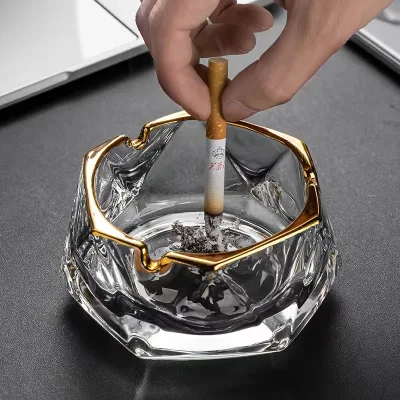
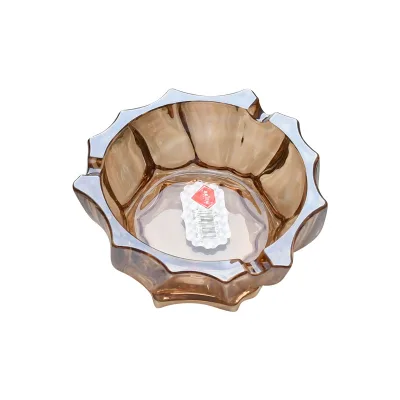
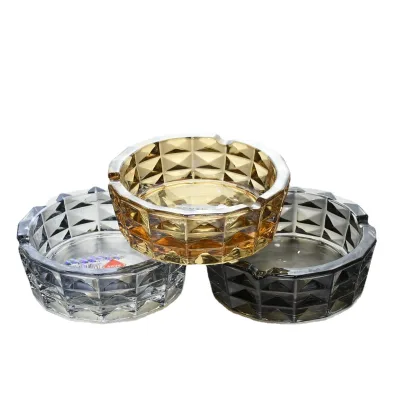
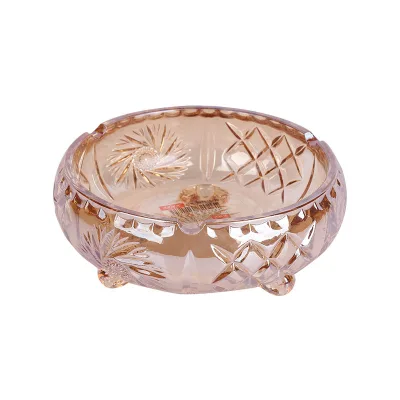
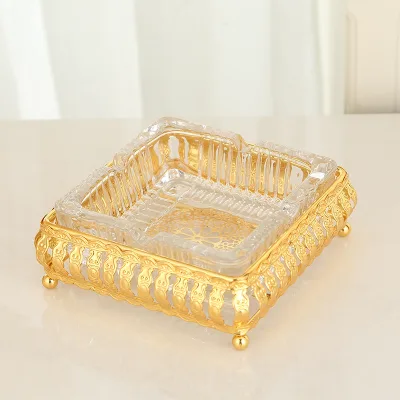
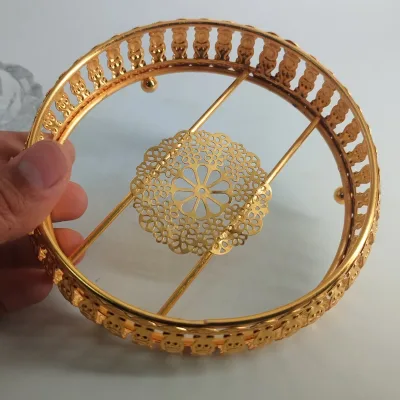
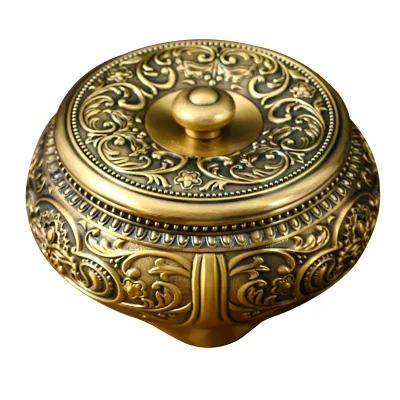
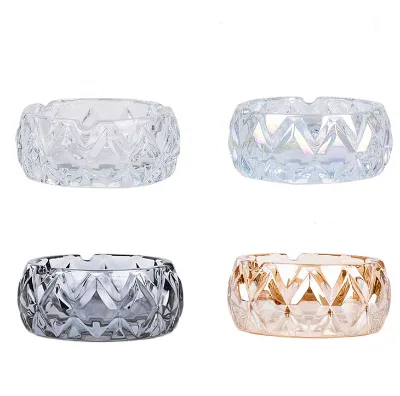
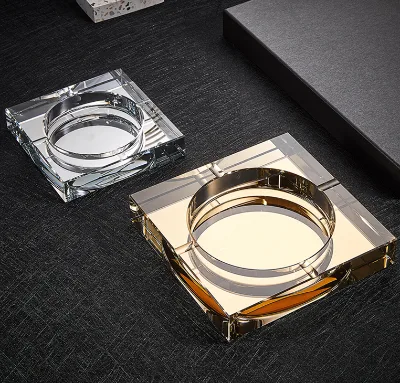
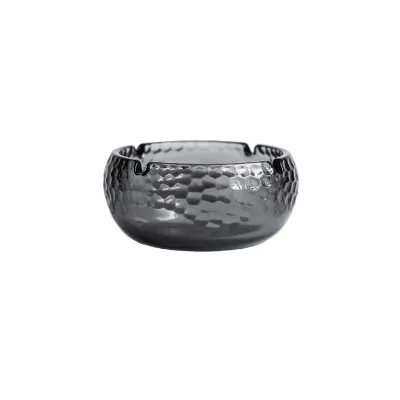
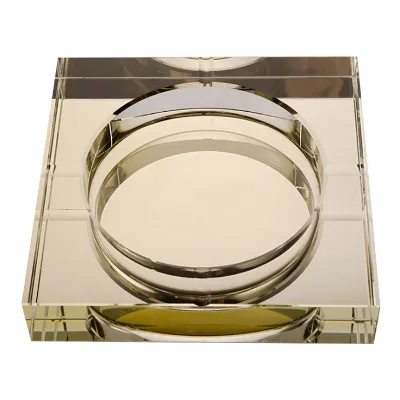
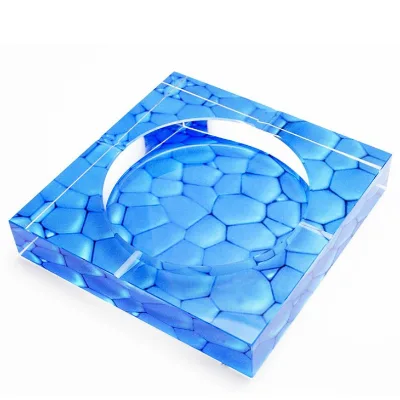
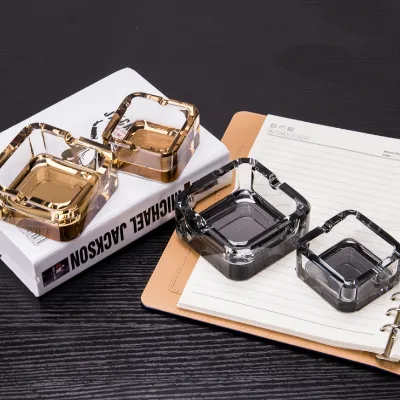


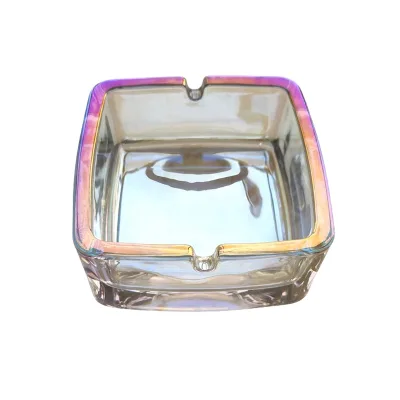
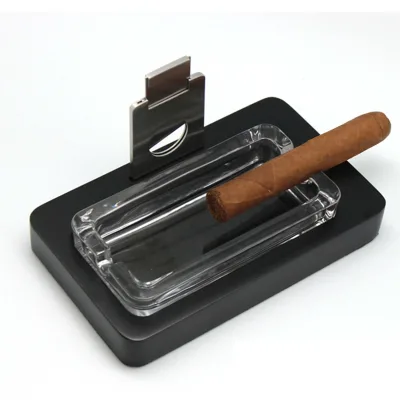

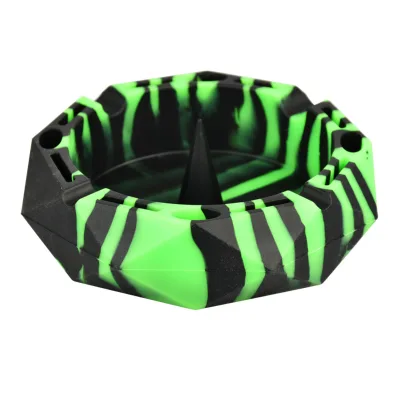


Comprehensive Sourcing Guide
Strategic Sourcing Guide for Modern Luxury Crystal Glass Ashtrays
Defining Product Attributes and Technical Specifications
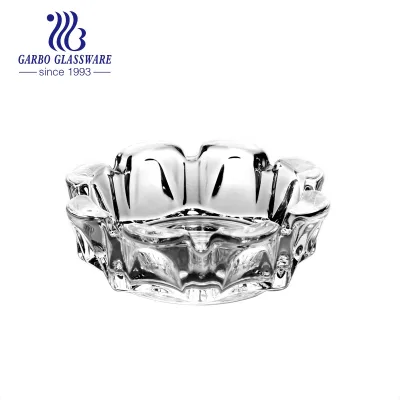
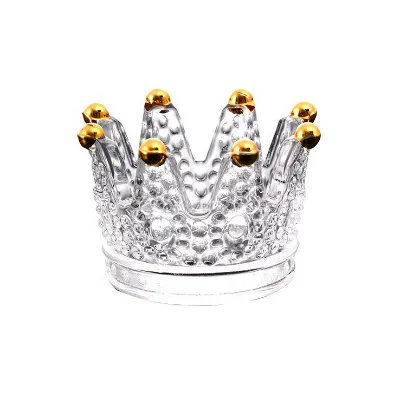
When sourcing a Modern Luxury Crystal Glass Ashtray, the primary objective is to align the physical characteristics of the product with the specific aesthetic and functional requirements of your target market. The term "crystal glass" in a B2B context often refers to high-clarity glass with a refined finish, though it is critical to distinguish between lead crystal and standard high-quality borosilicate or soda-lime glass based on your compliance needs. In the current market, observed specifications for such items vary significantly in dimensions and weight, reflecting the diversity of design styles ranging from minimalist modern to opulent luxury.
Technical evaluation begins with the material composition. While some listings explicitly state "Glass" as the primary material, others specify composite constructions like "Iron and Glass" to add structural weight or decorative accents. The visual profile is equally important; observed data indicates a prevalence of "ROUND" shapes, though square and geometric variations exist to suit "Morden Luxury" or "Exquisite" design themes. Dimensions are a critical variable. Buyers must verify the exact footprint and height, as observed ranges include compact units around 6cm in height and larger desktop models reaching 16.6cm in diameter or length. The single package size also varies, with observed dimensions ranging from 13x10x10 cm to larger cartons measuring 25x10x25 cm, which directly impacts logistics planning.
Weight is another definitive specification that correlates with perceived quality. Heavier units, such as those weighing up to 4.000 kg or 2.200 kg, often signal a premium feel and durability, whereas lighter options around 120g to 460g may be more suitable for high-volume, cost-sensitive deployments. The "Single gross weight" provided by suppliers is essential for calculating shipping costs accurately. Furthermore, the "design style" is a key differentiator; whether the product is marketed as "Luxury," "Modern," or "Exquisite," the physical execution must match these descriptors. Buyers should request physical samples to verify that the glass clarity, edge finishing, and base stability meet the "modern luxury" standard before committing to large orders.
Compliance, Certification, and Material Safety Standards
In the realm of luxury glassware, compliance is not merely a regulatory hurdle but a marker of brand integrity. While specific certification statuses like ISO9000 or ISO14000 are sometimes referenced in background industry data, they should not be assumed to apply to every listed product without verification. Buyers must treat these as potential attributes to be confirmed rather than inherent guarantees. The primary concern for glass ashtrays involves material safety, particularly regarding the presence of lead or other heavy metals if the product is marketed as "crystal."
For products intended for export to markets with strict chemical regulations, verifying compliance with standards such as REACH is essential. Although REACH is mentioned in background contexts, it is the buyer's responsibility to demand current test reports from the supplier to ensure the glass and any metal components (such as iron bases) do not exceed permissible limits for hazardous substances. The "place of origin" is a significant factor in compliance; products originating from major manufacturing hubs like China, specifically regions like Shandong, often have established supply chains but require rigorous vetting to ensure consistent quality control.
Buyers should also consider the packaging materials. While "individual box" or "Paper Box" packaging is common, the sustainability and safety of these materials must be verified if the end-user market has strict environmental requirements. The "Logo: Customized" attribute indicates that branding is a common feature, but the inks and adhesives used for these customizations must also be non-toxic and compliant with relevant safety standards. It is advisable to include specific clauses in the purchase agreement requiring the supplier to provide third-party laboratory test results for the finished product, ensuring that the "modern luxury" claim does not come at the cost of safety compliance.
Cost Drivers and Pricing Dynamics
Understanding the cost structure of modern luxury glass ashtrays requires a nuanced view of several variables. The observed price range in the market spans from $0.13 to $16.62, a wide disparity that reflects differences in material quality, manufacturing complexity, and branding. The primary cost driver is the material itself; pure glass units with intricate cutting or polishing will command a higher price than simple molded glass or composite items. The "design style" also plays a pivotal role; "Luxury" and "Morden Luxury" designs often involve more labor-intensive finishing processes, such as hand-polishing or gold plating, which increase the unit cost.
Minimum Order Quantity (MOQ) is another critical factor influencing the effective unit price. The market shows a broad MOQ range, from as low as 1 piece to as high as 30,000 pieces. Specific listings indicate MOQs of 50, 105, 108, or 120 pieces. For buyers seeking to minimize initial capital outlay, suppliers with lower MOQs are preferable, though the per-unit cost will likely be higher. Conversely, buyers planning for large-scale distribution in hotels or restaurants can leverage higher volume orders to negotiate better pricing tiers. The "brand name" attribute, often listed as "OEM," suggests that many suppliers offer white-label services, which can affect pricing based on the level of customization required.
Packaging costs are frequently overlooked but can significantly impact the total landed cost. The "Single package size" and "Single gross weight" directly influence shipping efficiency. Larger packages, such as those measuring 25x10x25 cm, consume more container space and may incur higher freight charges compared to compact units. Additionally, the "Payment" terms, which may include Trade Assurance, PayPal, Western Union, or TT, can affect cash flow and transaction fees. Buyers should calculate the total cost of ownership, including shipping, insurance, and potential duties, rather than focusing solely on the listed unit price.
Typical Applications and Market Segmentation
The versatility of modern luxury glass ashtrays allows them to serve a diverse range of applications, from high-end hospitality to private residential use. The "Application" attributes observed in the market include "Home," "Hotel," "Restaurant," and "Car," indicating a broad market reach. In the hospitality sector, specifically hotels and restaurants, the ashtray serves both a functional purpose and a branding opportunity. The "design style" of "Exquisite" or "Luxury" makes these items suitable for upscale establishments where the aesthetic of the amenity reflects the overall brand image.
For residential use, the "ROUND" shape and compact dimensions (e.g., 6cm height) make these ashtrays suitable for desktops or side tables. The "Modern" design style appeals to contemporary interior decorators looking for sleek, minimalist accessories. The "Car" application suggests a need for smaller, stable units that can withstand vehicle movement, often requiring a non-slip base or a specific weight distribution. The "color" options, such as "Gold Square" or "Gold Round," allow for customization to match specific interior color schemes or branding guidelines.
When selecting products for specific applications, buyers must consider the durability and maintenance requirements. Glass ashtrays used in high-traffic hotel lobbies or restaurants require a higher level of durability to withstand frequent handling and cleaning. The "Iron and Glass" composite materials may offer better stability for outdoor or high-traffic areas compared to pure glass units. Understanding the end-use environment is crucial for selecting the right product specifications, ensuring that the ashtray not only looks luxurious but also performs reliably in its intended setting.
Supplier Evaluation and Sourcing Strategy
Evaluating suppliers for modern luxury glass ashtrays requires a systematic approach that goes beyond price comparison. The "place of origin" being China, specifically regions like Shandong, indicates a mature manufacturing ecosystem, but it also necessitates rigorous due diligence. Buyers should verify the supplier's production capacity, quality control processes, and ability to handle custom orders. The "OEM" branding status suggests that many suppliers are capable of customizing logos and designs, but the level of customization varies.
Key evaluation criteria include the supplier's responsiveness, their ability to provide samples, and their transparency regarding production timelines. The "PAYMENT" options, such as Trade Assurance, offer a layer of protection for buyers, ensuring that funds are released only upon satisfactory delivery. Buyers should also assess the supplier's inventory management capabilities, especially for products with specific model numbers like "OW3-116" or "HJY26," which may have limited availability.
When comparing suppliers, it is essential to look for consistency in product attributes. Discrepancies in "Single package size," "Weight," or "Material" between different listings from the same supplier can indicate quality control issues. Buyers should request detailed product specifications and compare them against their internal requirements. Additionally, checking the supplier's history of transactions and customer feedback can provide insights into their reliability and service quality.
Quality Control and Long-Term Procurement Considerations
Implementing a robust quality control (QC) protocol is essential for maintaining the integrity of the "modern luxury" brand image. Given the fragility of glass, QC should focus on visual defects such as bubbles, scratches, or uneven edges, as well as structural integrity. The "Single gross weight" and "Single package size" should be verified during the QC process to ensure consistency across the batch. For composite products like "Iron and Glass," the bonding between materials must be inspected to prevent separation or instability.
Long-term procurement considerations involve building a sustainable relationship with suppliers who can consistently deliver high-quality products. This includes establishing clear communication channels for addressing any quality issues that arise post-delivery. Buyers should also consider the scalability of the supply chain; as demand grows, the supplier must be able to increase production without compromising quality. The "MOQ" flexibility is a key factor here, as suppliers who can accommodate varying order sizes offer greater agility.
Furthermore, buyers should plan for product lifecycle management. As design trends evolve, the "design style" of the ashtray may need to be updated. Suppliers who offer a range of models, such as those with model numbers "MY2002" or "HJY7," provide options for refreshing the product line. Regular audits and re-evaluations of supplier performance are necessary to ensure that the procurement strategy remains aligned with market demands and quality standards. By focusing on these long-term aspects, buyers can secure a reliable supply of modern luxury glass ashtrays that meet their evolving business needs.
Comparative Analysis of Key Product Attributes
To facilitate informed decision-making, the following table summarizes the key attributes observed in the market for modern luxury glass ashtrays. This comparison highlights the variability in specifications and helps buyers identify the most suitable options for their specific requirements.
| Attribute | Observation Range / Specific Values | Relevance to Procurement |
|---|---|---|
| Material | Glass, Iron and Glass | Determines durability, weight, and aesthetic finish. |
| Shape | ROUND, Square (implied by Gold Square) | Affects visual appeal and stability on surfaces. |
| Dimensions | Height: 6cm to 16.6cm; Size: 11.4cm to 12.54.511cm | Critical for space planning and compatibility with furniture. |
| Weight | 120g to 4.000 kg | Indicates perceived quality and shipping cost implications. |
| MOQ | 1 to 30,000 pcs (Common: 50, 105, 108, 120 pcs) | Influences initial investment and inventory management. |
| Design Style | Luxury, Modern, Exquisite, Morden Luxury | Aligns product with target market aesthetic expectations. |
| Packaging | Individual Box, Paper Box | Affects product protection and unboxing experience. |
| Origin | China (e.g., Shandong) | Impacts lead times, shipping costs, and compliance verification. |
| Customization | Logo: Customized, Color: As Picture / Specific Codes | Enables branding and color matching for specific projects. |
This comparative overview underscores the importance of detailed specification verification. Buyers should use this data as a baseline for their own requirements, ensuring that the selected products meet the precise needs of their application while maintaining the high standards expected of "modern luxury" goods. By carefully analyzing these attributes, procurement professionals can make strategic decisions that balance cost, quality, and functionality.
FAQs
What materials are used for modern luxury crystal glass ashtrays?
These ashtrays are primarily made of glass, with some models featuring an iron and glass composite construction. The material choice affects the weight, ranging from 120g to over 4kg, and influences the perceived luxury and stability of the product.
How much is the minimum order quantity for these ashtrays?
The minimum order quantity varies significantly by supplier, with observed values ranging from 50 pieces to 120 pieces per model. Some listings indicate a general range from 1 to 30,000 pieces, so buyers must verify the specific MOQ for their selected design.
Can I customize the logo on modern luxury crystal glass ashtrays?
Yes, customization is available as the product attributes list a customized logo option. Suppliers typically offer OEM services, allowing buyers to add branding to the glass or metal components while maintaining the modern luxury design style.
Which design styles are available for glass ashtrays in this category?
Available design styles include Luxury, Modern, Exquisite, and Morden Luxury, often featuring round or square shapes. The color options may include gold finishes or clear glass, with dimensions varying from compact 6cm heights to larger 16.6cm units.
What are the typical applications for these luxury glass ashtrays?
These ashtrays are designed for use in homes, hotels, restaurants, and cars. The durable glass and iron-glass constructions make them suitable for high-traffic hospitality environments as well as private residential desktops or vehicle interiors.
How do I determine the shipping cost for these ashtrays?
Shipping costs depend on the single package size and gross weight, which vary by model from 13x10x10 cm to 25x10x25 cm. Buyers should use the specific single gross weight, ranging from 0.2kg to 4kg, to calculate accurate freight charges.
What payment methods are accepted for these glass ashtrays?
Accepted payment methods include Trade Assurance, PayPal, Western Union, and TT. These options provide flexibility for international buyers, with Trade Assurance offering additional protection for the transaction during the sourcing process.