Source Modern Luxury Jewelry Box for Gifts, Storage, and Collection
Explore 24 listings for the Modern Luxury Jewelry Box, featuring options in wood, leather, and paper with customizable designs. Buyers can compare specifications, materials, and customization services to find the ideal packaging for gifts, storage, and collection needs.
Key considerations
Products List


Comprehensive Sourcing Guide
Sourcing Strategy for Modern Luxury Jewelry Boxes
The global demand for premium packaging solutions has intensified, particularly within the luxury jewelry sector where presentation is as critical as the product itself. For procurement professionals seeking a Modern Luxury Jewelry Box, the sourcing landscape requires a nuanced understanding of material science, aesthetic customization, and supply chain reliability. The market offers a diverse array of options ranging from rigid paper constructions to solid wood and leather alternatives, each serving distinct brand positioning strategies. This guide synthesizes verified product attributes and industry standards to provide a structured approach for evaluating potential suppliers and defining technical requirements.
Material Composition and Structural Integrity
The foundation of a luxury jewelry box lies in its material selection. Based on current market offerings, the primary materials include Art Paper, Cardboard, Rigid Paper, and Kraft Paper, often layered to achieve the necessary structural rigidity. For a truly modern aesthetic, Leather and Wood are frequently utilized to convey a sense of heritage and tactile luxury. The specific choice of material dictates the box's weight and durability. Observed data indicates that finished units typically weigh between 0.5 and 1 kg, a range that suggests a substantial, high-quality feel rather than a flimsy, disposable container.
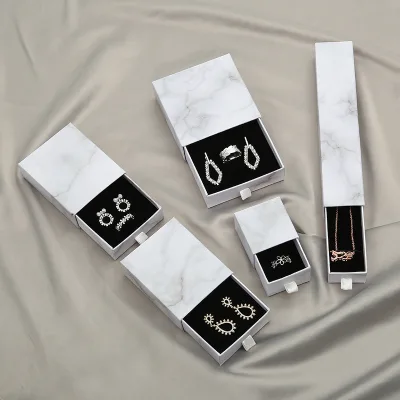
When evaluating suppliers, buyers must distinguish between single-layer and composite constructions. A modern luxury box often employs a rigid core wrapped in art paper or leather to ensure the box maintains its shape under pressure. The Shape of the box is a critical design variable; while Square and Rectangle forms are standard for ring and necklace sets, Circle and Oval shapes offer a softer, more contemporary appeal. Furthermore, the Custom Shape capability is a key differentiator, allowing brands to move beyond standard geometries to create unique unboxing experiences. The Open Way mechanism, such as a Clamshell design, is essential for functionality, ensuring the lid opens smoothly without compromising the structural integrity of the hinge or the alignment of the base.
Aesthetic Customization and Brand Identity
In the luxury sector, visual identity is paramount. The Color palette for these boxes is highly flexible, typically supporting CMYK or Pantone matching to ensure brand consistency. While White is a common neutral base, Customized color options allow for specific brand codes. The surface finish is equally important, with Logo Printing being a standard requirement. Suppliers must support high-resolution artwork in formats such as Ai, Pdf, CDR, Psd, and JPG to facilitate precise reproduction of logos and intricate patterns.
The Style of the box can range from Retro to Luxury, with the latter often incorporating Carved techniques or embossing to add texture. For jewelry sets, the internal Insert is a crucial component for product security and presentation. Available insert materials include Fabric, Flocking, Foam, Blister, or Plastic, all of which can be tailored to the specific dimensions of the jewelry. The inclusion of accessories like Ribbon & Bow or Magnet closures further elevates the perceived value. A modern luxury box should not only protect the item but also serve as a piece of Home Decorations or a collectible item itself, extending the brand's presence in the customer's home.
Technical Specifications and Dimensional Standards
Defining precise technical specifications is essential for minimizing production errors and ensuring fit. The Size of the box is generally categorized as Medium, but exact dimensions vary based on the jewelry type. Standard specifications observed in the market include a model size of 28cm28cm5cm, though many suppliers offer Various sizes to accommodate different product lines. The Product Model codes, such as box-47, NDM-350, or AA, serve as reference points for specific design templates, but buyers should always verify the actual dimensions against their inventory.
The H.S Code for these products is typically classified under 3919909000, which is relevant for international logistics and tariff calculations. Packaging for the boxes themselves is usually done in Standard Export Cartons or customized Carton Boxes to prevent damage during transit. The Product Name often varies by region and supplier, appearing as Gift Paper Box, Ring Box Jewelry Box, or Jewelry Set Box, but the underlying function remains consistent. Buyers must ensure that the Style aligns with the Type of jewelry being packaged; for instance, a Jewelry Set Box requires a different internal layout than a single Ring Box.
Compliance, Sustainability, and Certification
Sustainability is a growing priority in the luxury packaging industry. High-confidence data indicates that many modern jewelry boxes possess Bio-Degradable, Eco-Friendly, and Recyclable features. These attributes are particularly relevant for brands targeting environmentally conscious consumers. While specific certification statuses like FSC are mentioned in background contexts, buyers should verify the actual certification documents provided by the supplier rather than assuming compliance based on general marketing claims.
The Features of the box should be explicitly tested to ensure they meet the claimed environmental standards. This includes verifying the adhesives used in the Clamshell or Magnet closures to ensure they do not contain harmful chemicals that would hinder recycling. The Usage of the box extends beyond mere storage; it is intended for Arts and Crafts, Electronic Products, Jewelry, Food, Garment & Shoes, Greeting Cards, Letters, Gifts, Cosmetic, and Health Care Products. This versatility suggests that the materials must be safe and non-toxic. Buyers should request material safety data sheets (MSDS) to confirm that the Art Paper, Leather, or Wood components meet international safety standards for consumer goods.
Cost Drivers and Procurement Economics
Understanding the cost structure of luxury jewelry boxes is vital for budget management. The MOQ (Minimum Order Quantity) typically ranges from 50 to 1000 units, with specific models like the Ring Box Jewelry Box often starting at 50PCS. This low entry point allows for smaller brands to test the market, though larger orders usually yield better unit economics. The Selling Units are generally listed as Single Item, but bulk pricing applies based on the total volume.
The Price range observed in the market spans from 0.1 to 8.5 USD, a wide variance driven by material complexity, customization level, and order volume. Factors influencing cost include the Technique (e.g., Carved vs. printed), the type of Insert (e.g., Flocking vs. Plastic), and the Open Way mechanism. Customization is a significant cost driver; while Available customization allows for unique designs, it often incurs setup fees and longer lead times. The Sample Time of 3-7 Days is standard, but complex custom designs may extend this period. Buyers should also consider the prod_packing requirements, as custom Carton packaging adds to the overall cost compared to standard export packaging.
Supplier Evaluation and Quality Control
Selecting the right supplier requires a rigorous evaluation process. The prod_origin is predominantly China, with specific hubs like Shenzhen and Hennan noted as manufacturing centers. Buyers should verify the supplier's location to assess logistics efficiency and potential tariffs. The Design capability is a critical factor, with many suppliers offering OEM Service and Customize Design options. This ensures that the final product aligns with the brand's vision.
Quality control should focus on the Features and Material consistency. Buyers must inspect samples for color accuracy, structural stability, and the quality of the Logo Printing. The Artwork Format requirements (Ai, Pdf, CDR, Psd) indicate that the supplier must have the technical capability to handle high-resolution files. Additionally, the prod_standard should be verified to ensure the box meets the specified dimensions and weight. A robust quality control protocol should include checks for Bio-Degradable claims, ensuring that the materials are genuinely sustainable and not just marketed as such.
Long-Term Procurement and Strategic Sourcing
For long-term success, buyers should view the jewelry box as an integral part of the brand experience rather than a disposable commodity. The Usage scenarios, including Packing, Storage, and Collection, suggest that the box should be durable enough to withstand repeated handling. The Style should be timeless yet modern, ensuring the packaging remains relevant for years. Customization allows for seasonal updates or limited edition runs, keeping the brand fresh in the consumer's mind.
Strategic sourcing involves building a relationship with suppliers who can scale with the brand's growth. The MOQ flexibility is a key indicator of a supplier's ability to support both pilot runs and mass production. Buyers should also consider the Sample Time and Lead Time when planning product launches. A supplier with a 3-7 Days sample time can accelerate the design iteration process, reducing time-to-market. Finally, the prod_packing method should be optimized for shipping efficiency to minimize damage and reduce logistics costs. By focusing on these strategic elements, buyers can secure a supply chain that delivers high-quality, modern luxury jewelry boxes that enhance their brand value and customer satisfaction.
FAQs
What materials are used for modern luxury jewelry boxes?
Modern luxury jewelry boxes are constructed from Art Paper, Cardboard, Rigid Paper, Kraft Paper, Leather, and Wood. These materials ensure structural integrity and a premium feel, with finished units typically weighing between 0.5 and 1 kg.
Can I customize the shape and logo on these boxes?
Yes, customization is available for shapes including Square, Circle, Oval, and Rectangle, as well as custom designs. Suppliers support logo printing using artwork formats like Ai, Pdf, CDR, Psd, and JPG to ensure precise brand reproduction.
What is the minimum order quantity for these boxes?
The minimum order quantity ranges from 50 to 1000 units depending on the specific model and customization level. Some models like the Ring Box Jewelry Box start at 50 pieces, allowing smaller brands to test the market.
How long does it take to receive samples?
Sample time typically takes 3 to 7 days for standard requests. Complex custom designs may extend this period, but suppliers generally offer quick turnaround to facilitate design iteration and approval before mass production begins.
Are these boxes eco-friendly and recyclable?
Many modern luxury jewelry boxes feature Bio-Degradable, Eco-Friendly, and Recyclable properties. These attributes cater to environmentally conscious consumers, though buyers should verify specific material safety data sheets to confirm non-toxic adhesives and components.
What are the standard dimensions for these boxes?
Standard specifications often include sizes like 28cm by 28cm by 5cm, though various sizes are available to fit different jewelry types. Boxes are categorized as Medium size, with internal inserts like fabric or foam tailored to specific product dimensions.