Source Modern Multi Color Terrazzo Aggregate for Landscaping, Paving, and Ponds
Explore 30 listings for Modern Multi Color Terrazzo Aggregate suitable for garden paving, outdoor parks, and aquaculture fish ponds. Buyers can compare specifications, prices, and packaging options from verified suppliers in Hebei, China.
Key considerations
Products List

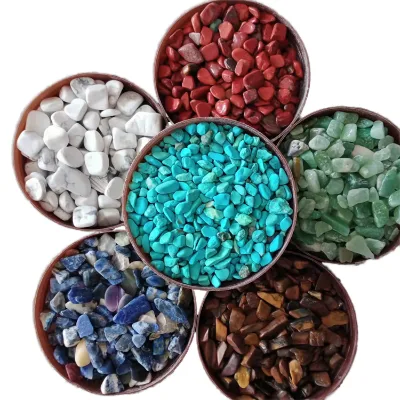
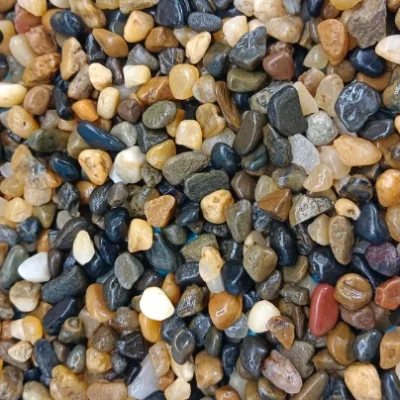

Multiple Design Available Odorless Natural Stone Grains Terrazzo
$20.00 - $35.00
MOQ: 50 Square Meters


Economic and Environmental Building Materials Large Decorative Wallboard Terrazzo Brick
$20.00 - $35.00
MOQ: 500 Square Meters


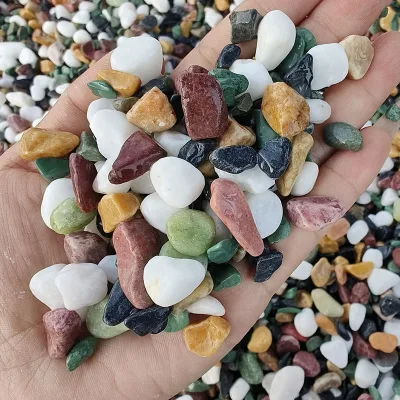


$34.00 - $50.00
MOQ: 50 Square Meters
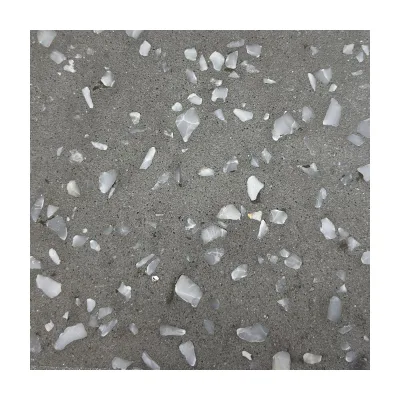
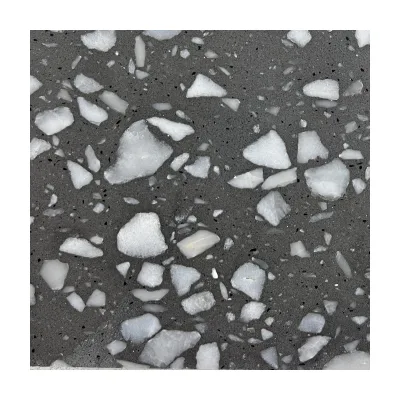
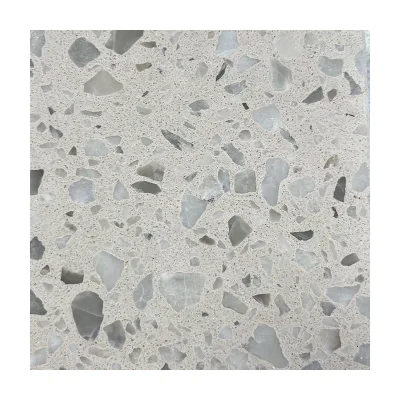
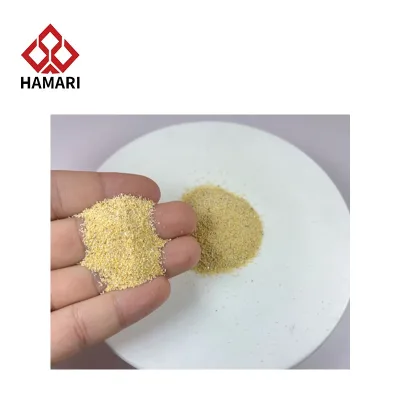
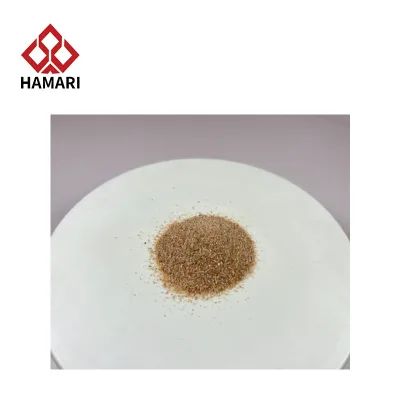
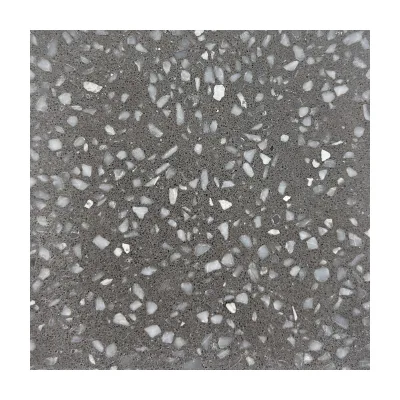

Inorganic Balcony Terrazzo Stone, Color Terrazzo for Floor Wall Tile
$25.00 - $28.00
MOQ: 1 Square Meters


Artificial Inorganic Colorful Terrazzo for Floor Decoration & Interior Furniture
$25.00 - $30.00
MOQ: 10 Square Meters

Hot Sale Artificial Terrazzo for Floor Tiles/Wall Tile/Kitchen Top/ Table Top/ Indoor and Outdoor
$25.00 - $30.00
MOQ: 150 Square Meters

Modern Artificial Terrazzo and Cement Stone for Construction Work
$25.00 - $30.00
MOQ: 10 Square Meters

Customizable Processing Artificial Terrazzo for Wash Basin & Countertop
$25.00 - $30.00
MOQ: 10 Square Meters

High-Strength Pressure-Resistant Terrazzo, Wear-Resistant and Non-Slip
$38.00 - $55.00
MOQ: 10 Square Meters
Comprehensive Sourcing Guide
Sourcing Strategy for Modern Multi-Color Terrazzo Aggregate
Understanding Product Definitions and Material Variations
The search for modern multi-color terrazzo aggregate requires a precise distinction between natural stone components and engineered glass or composite chips. In the current B2B marketplace, the term "aggregate" often encompasses a broad spectrum of materials, ranging from 100% natural stone to processed glass chips designed for engineered stone surfaces. Buyers must first clarify whether the procurement target is natural stone, such as natural marble and granite, or a specific engineered material like terrazzo glass chips. The observed market data indicates a divergence in product attributes where some listings specify "100% Natural" materials while others describe "Black colored terrazzo glass chips for engineered stone." This distinction is critical because the sourcing criteria, technical specifications, and application suitability differ significantly between natural stone and synthetic aggregates.
When evaluating suppliers, it is essential to recognize that "modern" in this context often refers to the aesthetic finish and the color palette rather than a specific manufacturing process. The observed product attributes include finishes ranging from "High Polished" to "Unpolished," suggesting that the visual texture is a primary selection criterion. Furthermore, the color spectrum for these aggregates is not limited to a single hue; listings show variations including "Black," "Gray," "Beige," "White," and "Natural" tones. A buyer seeking a multi-color solution must verify if the supplier offers a single SKU with mixed colors or if the procurement strategy involves bundling multiple single-color SKUs. The physical form factor also varies, with some products described as "Irregular Round" pebbles and others as specific chips with defined sizes like "0-500mm" or "1-2/2-3/3-5/5-8/8-12cm." Understanding these granular differences is the first step in constructing a viable sourcing plan.
Technical Specifications and Sizing Standards
Technical specifications for terrazzo aggregates are defined by size, shape, and surface finish, all of which directly impact the final aesthetic and structural integrity of the installed product. The observed data reveals a wide range of size specifications, from fine aggregates like "0-500mm" to specific pebble gradations such as "1-2cm" up to "8-12cm." This variance suggests that the intended application dictates the required size. For instance, larger pebbles in the "8-12cm" range are often associated with landscape applications like garden paving, whereas smaller, more uniform chips are typically required for engineered stone countertops or flooring.
Shape is another critical technical parameter. The market data highlights "Irregular Round" shapes for natural pebbles, which provide a distinct organic aesthetic suitable for outdoor landscaping. In contrast, engineered stone aggregates often require more uniform shapes to ensure consistent bonding and surface flatness. The finish is equally important; while some natural stones are sold in an "Unpolished" state to retain a rustic look, others are "High Polished" to achieve a glossy, reflective surface. Buyers must align these technical attributes with their design requirements. For example, a project requiring a smooth, non-slip surface might prioritize a specific finish over the raw shape of the stone. Additionally, the packaging dimensions, such as "70X32X8 cm" or "20X20X20 cm," influence logistics planning and storage requirements on the job site.
Compliance, Certification, and Safety Verification
In the B2B procurement of construction and landscaping materials, verifying compliance and safety standards is a non-negotiable step. The observed product attributes mention features such as "Non-Toxic" and "Eco-Friendly," which are significant selling points for projects targeting green building certifications or health-conscious environments. However, these claims must be substantiated through documented evidence rather than accepted as marketing statements. Buyers should request specific test reports or certification documents that verify the non-toxic nature of the material, particularly for indoor applications where off-gassing or leaching could be a concern.
While the provided data does not list specific certification bodies or standard numbers (e.g., ISO, ASTM, or EN standards), the absence of such explicit data in the product listing does not imply non-compliance. Instead, it places the burden of verification on the buyer. When sourcing from regions like Hebei, China, which is noted as a place of origin for several listed products, buyers should be aware that local manufacturing standards may differ from international benchmarks. It is imperative to ask suppliers for third-party laboratory test results that confirm the material meets the safety requirements of the destination market, such as the United States or European Union. Furthermore, for products intended for aquaculture or fish ponds, specific water safety certifications may be required to ensure the material does not alter the pH or toxicity levels of the water.
Cost Drivers and Economic Considerations
The cost of terrazzo aggregates is influenced by a complex interplay of material type, processing level, packaging, and logistics. The observed price range in the market spans from $0.10 to $135.00, a variance that reflects the difference between raw bulk stone and processed, packaged, or specialized engineered chips. Several key factors drive these costs. First, the material composition is a primary driver; "100% Natural" stone and "Natural Marble and Granite" generally command different price points compared to glass chips or composite materials. Second, the level of processing, such as "High Polished" versus "Unpolished," adds labor and equipment costs that are passed on to the buyer.
Packaging and weight also play a significant role in the final landed cost. The data indicates varying package weights, from "25KG /bag" to "20 lb" units, and different single gross weights per package. Heavier or more densely packed shipments increase freight costs, which can be substantial for international trade. The Minimum Order Quantity (MOQ) is another critical economic factor. Observed MOQs range from 1 unit to 2 Tons, with specific listings showing an MOQ of 1 ton or 2 tons. Buyers must balance their order volume against the MOQ to avoid overstocking or incurring high per-unit costs due to small order premiums. Additionally, the "Selling Units" being listed as "Single item" for some products suggests that buyers may need to purchase in bulk to achieve economies of scale, even if the listing allows for single-unit purchases.
Typical Applications and Design Integration
The versatility of terrazzo aggregates allows them to be integrated into a wide array of applications, from residential landscaping to large-scale commercial construction. The observed usage data points to diverse sectors, including "Garden Paving Landscaping," "Construction Material Industry," "Park," "Courtyard," and "Aquaculture Fish Ponds." For outdoor applications like garden paving and courtyards, the "Irregular Round" shape and "Smooth Surface" of natural pebbles are highly valued for their aesthetic appeal and slip resistance. These materials are often used in "Modern" design styles to create a clean, contemporary look that contrasts with natural textures.
In the realm of engineered stone, the application shifts towards interior surfaces such as countertops, wall cladding, and flooring. Here, the "Black colored terrazzo glass chips" or multi-color stone aggregates are used to create a speckled, uniform appearance that is characteristic of modern terrazzo designs. The "Project Solution Capability" of suppliers, which may include "graphic design" and "3D model design," becomes relevant for these applications, as buyers often require visualizations of how the aggregate will look in the final product. For aquaculture projects, the "Non-Toxic" and "Eco-Friendly" features are paramount, ensuring the safety of aquatic life while providing a natural substrate. Understanding these application-specific requirements helps buyers select the right aggregate type and specification for their specific project needs.
Supplier Evaluation and Quality Control Protocols
Evaluating suppliers for terrazzo aggregates requires a rigorous assessment of their production capabilities, after-sales support, and quality control measures. The observed data highlights several service attributes, including "Online Technical Support," "Onsite Installation," "Onsite Training," and "Onsite Inspection." These services indicate a supplier's commitment to ensuring the product is correctly utilized and installed, which is crucial for large-scale projects. Buyers should prioritize suppliers who offer comprehensive support, as this reduces the risk of installation errors and product failure.
Quality control should be verified through the supplier's warranty and return policies. The data mentions a warranty of "More Than 5 Years" for certain products, which suggests a high level of confidence in the material's durability. However, buyers must scrutinize the terms of this warranty to understand what is covered, such as color fading, structural integrity, or surface wear. Additionally, the "Feature" list, which includes "Durable" and "Non-Toxic," should be cross-referenced with physical samples and test reports. For products with specific model numbers like "CW-11206" or "CW-Y," buyers should request detailed specifications to ensure consistency across batches. The "Single gross weight" and "Single package size" should also be verified against the supplier's shipping documents to prevent discrepancies that could lead to logistical delays or cost overruns.
Long-Term Procurement and Supply Chain Stability
Long-term procurement strategies for terrazzo aggregates must account for supply chain stability, lead times, and the potential for future design changes. The observed delivery time of "7 - 15 Days" suggests a relatively quick turnaround for orders, but this can vary based on the supplier's location and current production capacity. Buyers should establish clear communication channels with suppliers to monitor inventory levels and production schedules, especially for projects with tight deadlines. The "Place of Origin" being Hebei, China, indicates a specific supply chain route that buyers should be familiar with, including potential customs regulations and shipping times.
Sustainability and material availability are also key long-term considerations. As the demand for "Eco-Friendly" and "Non-Toxic" materials grows, suppliers who can demonstrate a commitment to sustainable sourcing and manufacturing practices will be better positioned to meet future market demands. Buyers should inquire about the supplier's ability to scale production and their contingency plans for supply disruptions. Furthermore, the "Project Solution Capability" of the supplier, including their ability to provide "Cross Categories Consolidation," can be a significant advantage for buyers managing multiple projects or requiring a diverse range of materials. By building a relationship with a supplier that offers robust after-sales service and flexible ordering options, buyers can ensure a stable and reliable supply of high-quality terrazzo aggregates for their long-term needs.
FAQs
What sizes are available for Modern Multi Color Terrazzo Aggregate?
Available sizes range from 0-500mm for engineered stone to 1-12cm for landscaping pebbles. Specific options include 1-2cm, 2-3cm, 3-5cm, 5-8cm, and 8-12cm for natural stone applications.
Can I find suppliers with a delivery time of 7 to 15 days?
Yes, standard delivery times for these aggregates are typically between 7 and 15 days. This lead time applies to orders originating from manufacturing hubs in Hebei, China.
Which material types are suitable for Modern Multi Color Terrazzo Aggregate?
Materials include 100% natural stone, natural marble, granite, and black colored terrazzo glass chips. These options support both outdoor paving and indoor engineered stone projects.
What is the minimum order quantity for natural stone pebbles?
Minimum order quantities vary by product, with some listings requiring 1 ton or 2 tons. Specific items may also have lower thresholds, but bulk orders are common for stone aggregates.
How are these aggregates packaged for shipping?
Products are typically packed in 25kg bags or custom units like 30x30x30cm boxes. Package dimensions and gross weights vary, with some single packages weighing up to 25kg.
Are these materials certified as non-toxic and eco-friendly?
Many listings feature non-toxic and eco-friendly attributes suitable for aquaculture and residential use. Buyers should request specific test reports to verify these safety claims for their projects.
What after-sales services do suppliers typically offer?
Suppliers often provide online technical support, onsite installation, and training services. Some vendors also offer free spare parts and return policies for quality assurance.