Source Modern Multi-Functional Baby Shower Basket for Nursery, Living Room, Bathroom
Explore 30 listings for a modern multi-functional baby shower basket designed for nursery, living room, and bathroom organization. Buyers can compare woven cotton, bamboo, and PP options with customizable logos and varying dimensions to find the ideal storage solution.
Key considerations
Products List
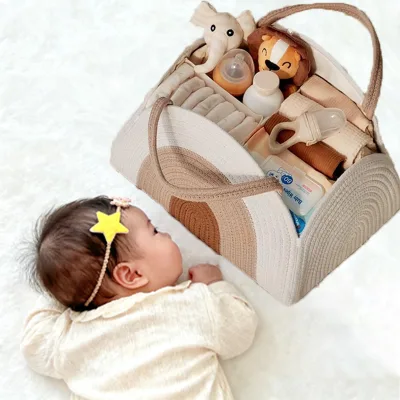
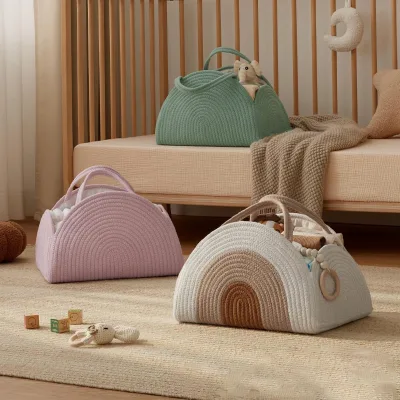
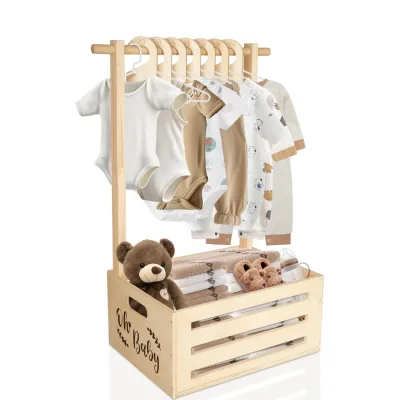
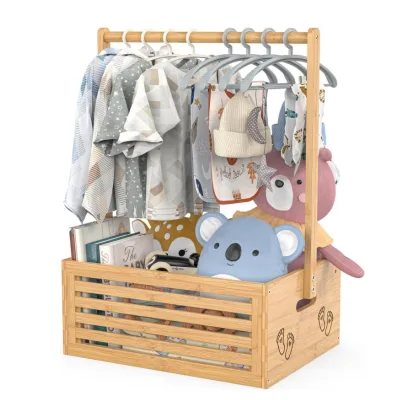


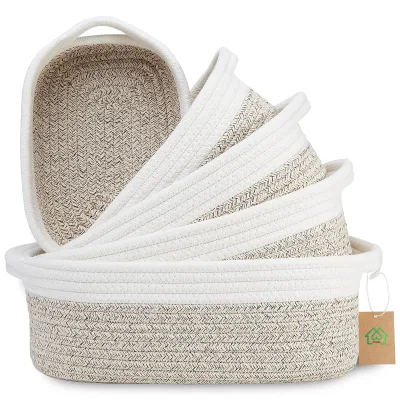
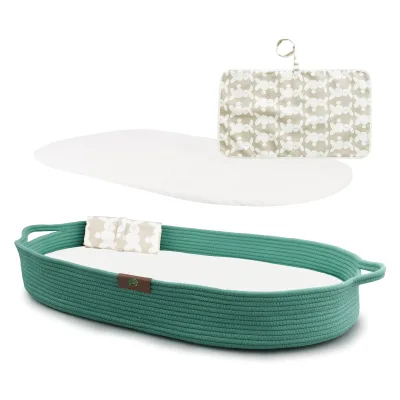
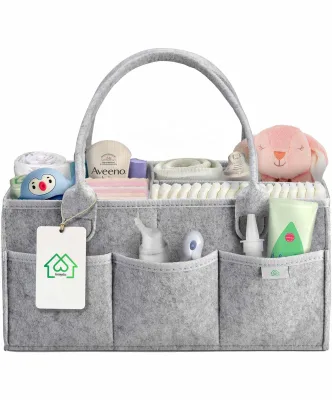
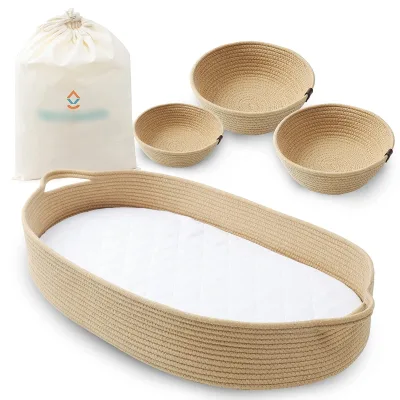
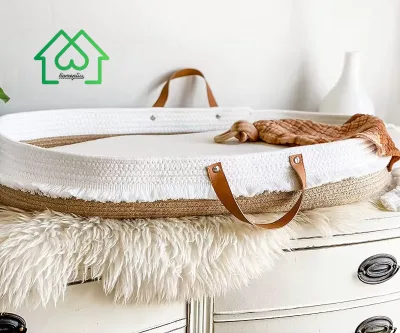
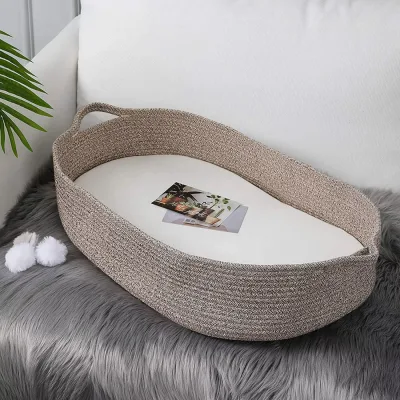
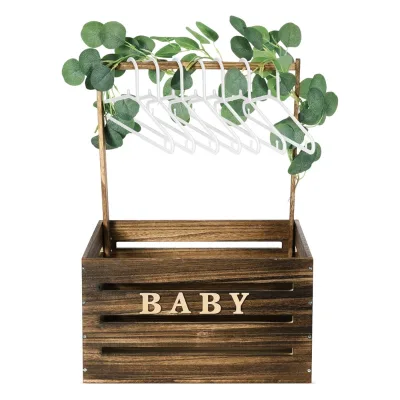
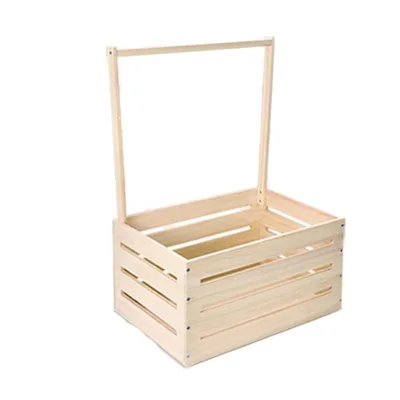


Comprehensive Sourcing Guide
Strategic Sourcing Guide for Modern Multi-Functional Baby Shower Baskets
Understanding Product Attributes and Material Variations
When sourcing a modern multi-functional baby shower basket, buyers must first navigate the diverse landscape of product definitions found in current market listings. The core keyword implies a container designed for organization and gifting, yet the actual product attributes vary significantly based on the intended material and functional design. Based on observed market data, the term "Storage Basket" encompasses items constructed from distinct materials, including cotton, wood, bamboo, and polypropylene (PP). Each material offers unique aesthetic and functional properties that must align with the specific needs of a baby shower or nursery setting.
Cotton-based options are frequently described with woven techniques and specific shapes, such as semicircles, which offer a soft, modern aesthetic suitable for delicate nursery environments. These items often feature eco-friendly attributes and are available in color palettes ranging from white-green and pink to cyan and coffee tones. In contrast, wooden and bamboo variants emphasize natural finishes and multifunctional designs, often marketed for their durability and ability to withstand the rigors of a living room or bathroom. The presence of PP (polypropylene) materials suggests a focus on waterproof or easy-to-clean utility, particularly for applications in bathrooms or high-moisture areas.
The functional scope of these baskets extends beyond simple storage. While some listings explicitly state usage for "Outdoor Home" or "Nursery," others highlight applications in living rooms and bathrooms. This versatility is a critical factor for buyers seeking a multi-functional item that can transition from a baby shower gift to a permanent household fixture. The design patterns are generally categorized as "Modern," aligning with contemporary interior trends that favor clean lines and uncluttered spaces. Buyers should verify that the specific product selected matches the intended environment, as a cotton basket may not be suitable for a bathroom, whereas a PP or bamboo unit might be.
Technical Specifications and Dimensional Standards
Technical precision is paramount when selecting storage solutions for baby-related events, where safety and fit are non-negotiable. Market observations reveal a wide variance in dimensional specifications, requiring careful verification against project requirements. Specific listings indicate a standard size of 322220cm, which provides a substantial volume for holding baby essentials, toys, or gift items. However, other product models, such as those identified by the code OKB016, specify dimensions of 22x20x13cm, representing a more compact option suitable for smaller spaces or specific gift arrangements.
Dimensional tolerance is another critical technical parameter. Observed data suggests a tolerance range of less than ±5mm for linear dimensions and less than ±5% for weight. These tolerances indicate a manufacturing process that prioritizes consistency, ensuring that the baskets fit within designated shelving units or storage systems without issue. Buyers must understand that "Single volume" and "Single gross weight" fields in some listings may appear as zero or generic placeholders; therefore, relying on the explicit dimensional data provided in the specification section is essential for accurate logistics planning.
The mounting type is another technical specification that defines the product's stability. Most modern baskets are designed with a "Standing" mounting type, meaning they are self-supporting and do not require wall attachment. This feature is particularly advantageous for baby showers, where the baskets may need to be moved frequently or placed on various surfaces, from floorboards to changing tables. The "Single package size" is often listed as a variable (e.g., XX cm), necessitating direct communication with the supplier to obtain precise packaging dimensions for shipping cost calculations.
Compliance, Certification, and Safety Verification
In the realm of baby products, compliance and safety are not merely suggestions but mandatory requirements. While the provided product data does not list specific certification bodies or test results, the presence of "Eco-Friendly" as a primary feature suggests that manufacturers are targeting markets with stringent environmental and safety regulations. Buyers must independently verify that the materials used—whether cotton, wood, bamboo, or PP—comply with relevant international safety standards for children's products.
For cotton and woven products, the primary concern is often the absence of harmful dyes or chemical treatments that could irritate a baby's skin. The "Fabric Type" being listed as Cotton implies a natural fiber, but the source of the cotton and the dyeing process must be confirmed. Similarly, wooden and bamboo baskets must be free from toxic varnishes, splinters, or heavy metals. The "Modern" pattern and "Multifunctional" design do not inherently guarantee safety; they are aesthetic and functional descriptors that require backing from material safety data sheets (MSDS) or third-party test reports.
Buyers should also scrutinize the "OEM/ODM" and "Customized Logo" capabilities. While these services allow for brand personalization, the inks or adhesives used for logo application must also meet safety standards. The acceptance of customized logos does not automatically imply that the customization process adheres to child safety regulations. Therefore, a robust compliance check should include a request for specific test reports regarding flammability, chemical content, and physical safety (e.g., small parts testing if applicable) for the specific batch being ordered.
Cost Drivers and Pricing Structure Analysis
The pricing of modern multi-functional baby shower baskets is influenced by a complex interplay of material costs, manufacturing techniques, and order volume. The observed price range in the market spans from $1 to $13.12 USD, a significant variance that reflects differences in material quality, size, and production complexity. A cotton woven basket with a semicircle shape and eco-friendly branding may command a higher price point compared to a standard PP basket, due to the labor-intensive nature of weaving and the perceived value of natural materials.
Order Volume is a primary cost driver, with Minimum Order Quantities (MOQ) ranging from 5 to 1000 pieces. The data indicates a common MOQ of 50 pieces for certain cotton models, while others, particularly those with more complex specifications or custom branding, may require an MOQ of 1000 pieces. This disparity means that buyers with smaller budgets or testing needs must target suppliers with lower MOQ thresholds, while those seeking economies of scale should prepare for higher volume commitments. The "Selling Units" are typically listed as single items, but the pricing structure is almost always tiered based on quantity.
Additional cost factors include customization and logistics. The ability to accept a "Customized Logo" and the "Acceptable" status for OEM/ODM services often incur setup fees or higher unit costs. Furthermore, the "Leadtime" of 20-40 days for production, combined with the "Sample Time" of 3 days, impacts the overall cost of capital and inventory planning. Shipping costs, determined by the "Single gross weight" and "Single volume," also play a role; although some listings show zero weight, the actual shipping weight of a basket, especially when packed in OPP bags or polybags, will significantly affect the final landed cost.
Supplier Evaluation and Geographic Considerations
Selecting the right supplier requires a careful assessment of their geographic location and operational capabilities. The product data highlights two primary regions of origin: Zhejiang, China, and Shandong, China. Zhejiang is a well-known hub for textile and light manufacturing, which aligns with the cotton and woven basket offerings. Shandong, conversely, is often associated with wood and bamboo processing, suggesting that suppliers in this region may specialize in the wooden and bamboo variants of the storage basket.
When evaluating suppliers, buyers should verify the "Place of Origin" against the material claims. A supplier claiming to produce cotton baskets but located in a region known primarily for heavy industry or wood processing may warrant further investigation. The "Fob" (Free on Board) port is listed as Ningbo, a major shipping hub in Zhejiang, which facilitates efficient export logistics for textile-based products. For wooden or bamboo items, the proximity to the port of origin can influence shipping costs and lead times.
The "OEM/ODM" and "Customization" capabilities are also key indicators of a supplier's flexibility. Suppliers that accept "Customized Logo" and offer "Multifunctional" designs demonstrate a capacity to adapt to specific buyer needs. However, buyers should assess the supplier's track record in handling these customizations, particularly regarding the "Technical" aspects like weaving or wood finishing. The "Packing" method, typically 1pc/opp Bag or Polybag, should be evaluated for its ability to protect the product during transit, especially for fragile wooden or bamboo items.
Quality Control and Long-Term Procurement Strategy
Implementing a rigorous quality control (QC) strategy is essential to ensure that the delivered baskets meet the "Eco-Friendly," "Durable," and "Large Capacity" claims. Given the variance in materials, QC protocols must be tailored to the specific product type. For cotton baskets, inspections should focus on the tightness of the weave, the consistency of the color (e.g., white-green, pink, cyan), and the absence of loose threads that could pose a safety hazard. For wooden and bamboo baskets, the focus should be on the smoothness of the finish, the structural integrity of the joints, and the absence of splinters.
Dimensional accuracy is another critical QC checkpoint. Buyers should verify that the delivered products adhere to the stated "dimensional tolerance" of less than ±5mm. Deviations beyond this range could affect the aesthetic appeal and functional fit of the baskets. The "weight tolerance" of less than ±5% is also a useful metric for ensuring consistency in bulk orders, preventing unexpected shipping cost fluctuations.
For long-term procurement, establishing a clear communication channel regarding "Sample Time" and "Leadtime" is vital. The observed sample time of 3 days and leadtime of 20-40 days provide a baseline for production planning, but buyers should negotiate these timelines based on order volume and customization requirements. The "Payment" terms, typically 30% deposit and 70% balance upon shipping, are standard but should be reviewed to ensure they align with the buyer's cash flow and risk management policies.
Finally, buyers should consider the scalability of the supplier. As the demand for baby shower baskets grows, the supplier must be able to maintain quality while increasing production volume. The "MOQ" of 1000 pieces for certain models suggests that the supplier is equipped for large-scale production, but buyers should confirm their capacity to handle both small, custom orders and large, standardized runs without compromising on the "Modern" design or "Eco-Friendly" attributes. By focusing on these long-term considerations, buyers can build a sustainable supply chain that delivers high-quality, multi-functional baby shower baskets consistently.
FAQs
What materials are used for modern multi-functional baby shower baskets?
These baskets are commonly made from cotton, wood, bamboo, or polypropylene. Cotton options often feature woven techniques and eco-friendly claims, while wood and bamboo variants offer natural finishes suitable for nurseries or living rooms.
Which dimensions are standard for these storage baskets?
Standard sizes include 32 by 22 by 20 cm for larger capacity units and 22 by 20 by 13 cm for compact models. Dimensional tolerances are typically kept within plus or minus 5 mm to ensure consistent fit.
Can buyers customize the logo on these baskets?
Yes, most suppliers accept customized logos and offer OEM or ODM services. This allows for brand personalization, though buyers should verify that inks and adhesives used for the logo meet child safety standards.
How does the minimum order quantity vary for these products?
Minimum order quantities range from 50 pieces for certain cotton models up to 1000 pieces for specialized items. Lower MOQs are available for testing, while higher volumes are required for complex customizations or specific material types.
Where are these baskets typically manufactured?
Manufacturing origins are primarily located in Zhejiang and Shandong provinces in China. Zhejiang is a hub for textile and woven cotton products, while Shandong often supplies wooden and bamboo variants.
What is the typical lead time for production?
Production lead times generally range from 20 to 40 days after order confirmation. Sample preparation usually takes about 3 days, and shipping terms often start from the Ningbo port.
Are these baskets suitable for bathroom use?
Yes, polypropylene and bamboo versions are suitable for bathroom storage due to their durability and moisture resistance. Cotton baskets are better suited for dry areas like nurseries or living rooms.