Source Modern Rattan Baby Change Table for Home, Hotel, and Hospital
Explore 30 listings for the Modern Rattan Baby Change Table designed for safety and style. Buyers can compare features like material, size, and certifications across suppliers in China to find the best fit for home, hotel, or hospital use; compare the available evidence and request quotations based on your requirements.
Updated
Key considerations
Products List
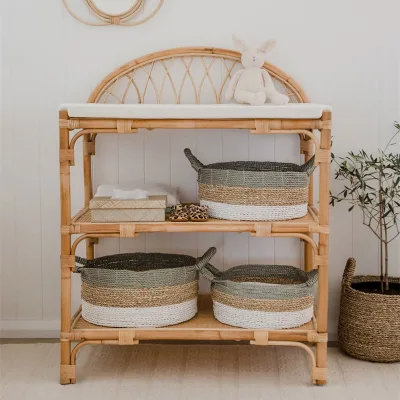
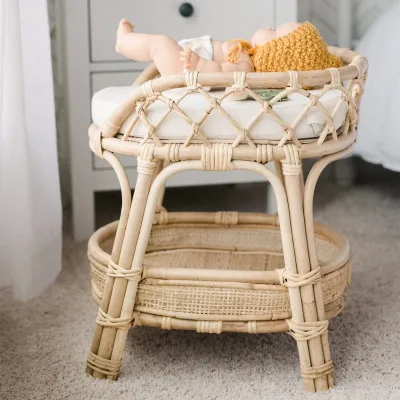
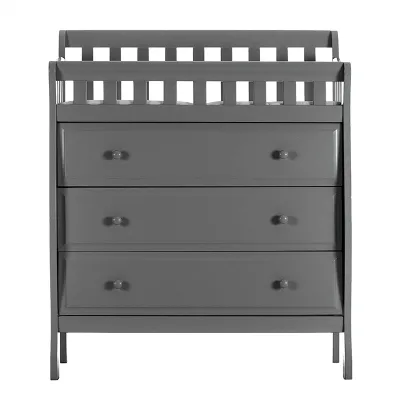
Wooden Baby Changing Table Topper Baby Changing Station Table Baby Bath Changing Table
$13.90 - $18.30
MOQ: 2 cases
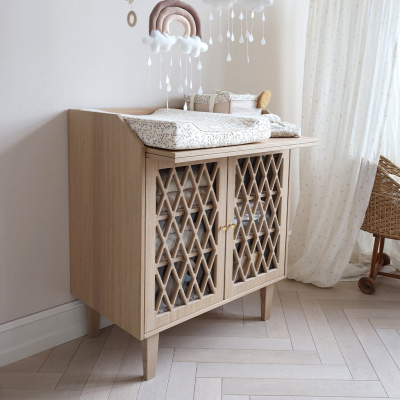
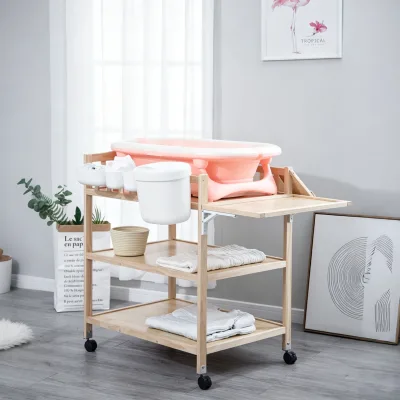
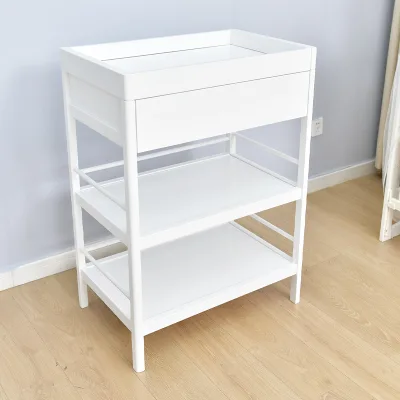
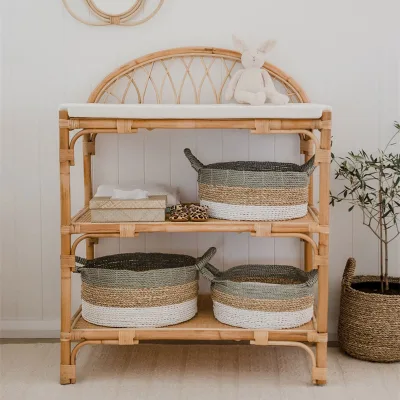
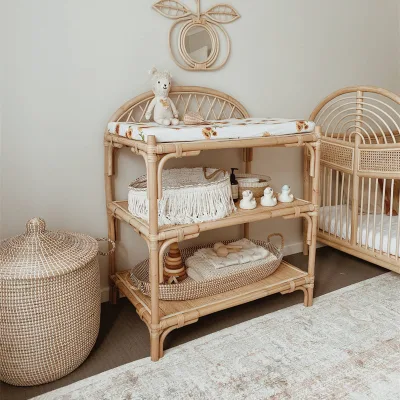
Handmade Eco-Friendly Modern Rattan Baby Changing Table for Bedroom Use Wholesales
$22.5629 - $24.3153
MOQ: 50 cases
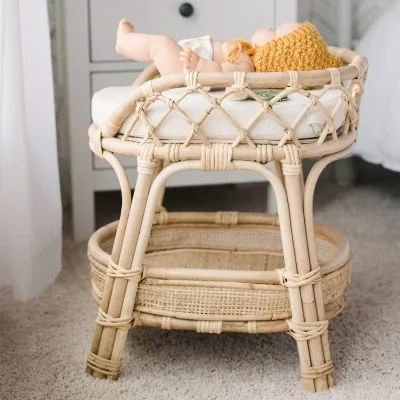
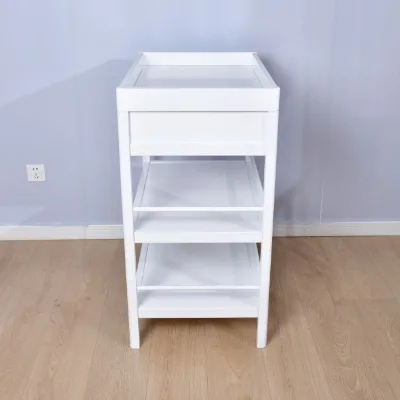
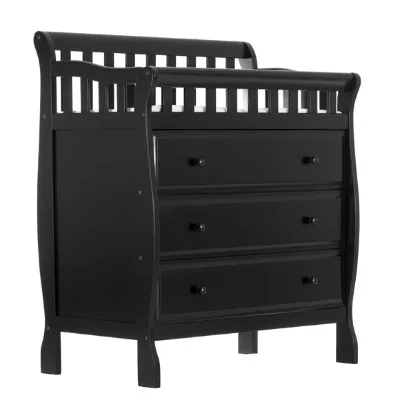
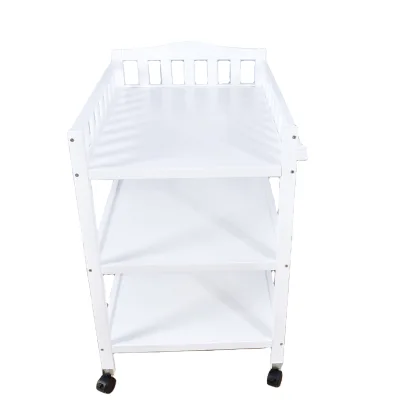
MOOB Pine01 Modern White Pine Wood Changing Table for Babies and Kids
$63.6131 - $71.8216
MOQ: 200 cases


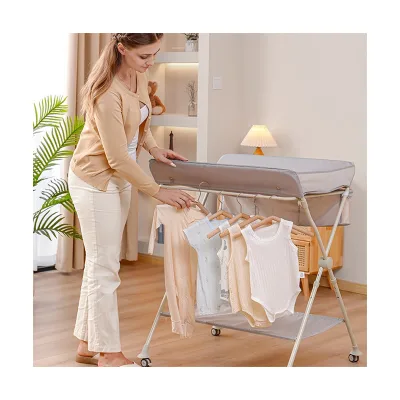
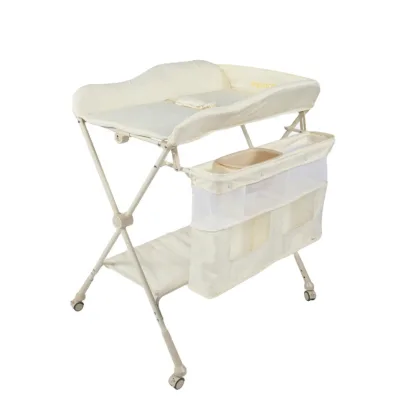
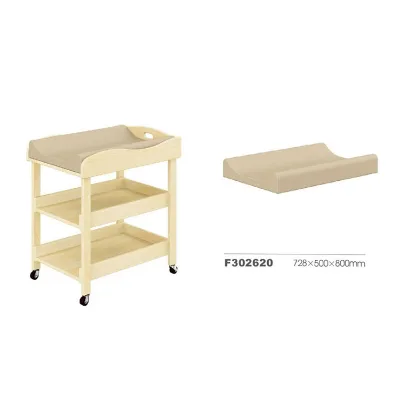
Factory Modern Design Folding Change Table Drawer Baby Changing Table
$20.5243 - $30.7925
MOQ: 100 pieces




Comprehensive Sourcing Guide
Modern Rattan Baby Change Table Sourcing Guide
Sourcing a Modern Rattan Baby Change Table requires balancing aesthetic appeal with rigorous safety standards, as these units serve as critical furniture in nurseries and care facilities. Buyers must recognize that while the visual design often emphasizes natural materials and contemporary lines, the structural integrity depends heavily on the underlying frame and material composition. The observed market data indicates a diverse range of offerings, with some products explicitly utilizing wood cores such as New Zealand pine to ensure durability, while others may incorporate rattan elements for texture and style. Procurement teams should prioritize suppliers who clearly disclose the primary structural material, as this directly impacts the unit’s load-bearing capacity and long-term stability under daily use.
The application scope for these tables extends beyond the home nursery to include hotels, hospitals, schools, and supermarkets, necessitating a versatile design that meets varied environmental demands. Buyers should verify that the selected model supports the intended usage frequency, particularly if deploying units in high-traffic commercial settings like boutique hotels or pediatric clinics. The presence of features such as drawers or customizable sizes adds functional value, allowing for efficient storage of diapers and essentials while adapting to specific spatial constraints. Understanding these application nuances helps in selecting a product that not only fits the visual theme but also withstands the operational rigors of its intended environment without compromising safety or functionality.
Product Scope and Observed Listing Signals
The current market landscape for modern baby change tables reveals a significant variation in product types, ranging from dedicated cribs to standalone cabinets and specialized changing units. Listings indicate that while some products are marketed with rattan aesthetics, the core material is often wood, such as pine, providing a sturdy foundation for the changing surface. Buyers should carefully examine the product type designation, as terms like "cabinet" or "crib" may imply different structural configurations and safety requirements. The observed price range of 9 to 163 USD suggests a broad spectrum of quality and material costs, requiring buyers to correlate price points with specific material specifications and build quality rather than assuming uniform standards across all listings.
Minimum order quantities (MOQ) vary widely, from as low as one unit for sample testing to 1000 units for bulk commercial procurement, offering flexibility for different business models. Some suppliers accept custom designs and OEM requests, which is crucial for brands seeking unique aesthetic integration or specific branding opportunities. The availability of customizable sizes, such as 816099cm or other specific dimensions, allows for tailored solutions that fit particular room layouts or ergonomic needs. Buyers should leverage these customization options to ensure the final product aligns with their spatial requirements and user experience goals, while also considering the impact of customization on lead times and unit costs.
Technical Specifications to Verify
When evaluating technical specifications, buyers must prioritize dimensional accuracy and weight capacity to ensure the change table meets ergonomic and safety standards for infant care. The observed single package sizes, such as 36X20X10 cm or 120X60X15 cm, provide insight into shipping efficiency and storage requirements, which are critical for logistics planning. It is essential to verify the gross weight of the product, as heavier units may indicate more robust construction but also higher shipping costs. Buyers should request detailed technical drawings that specify the exact dimensions of the changing surface, drawer depths, and overall footprint to ensure compatibility with existing nursery furniture or commercial installation spaces.
Material composition is another critical technical aspect, with some products highlighting eco-friendly attributes and specific wood types like New Zealand pine. Buyers should confirm the finish and treatment of the rattan or wood elements to ensure they are non-toxic and resistant to wear and tear. The presence of features such as drawers or storage compartments should be verified for smooth operation and secure locking mechanisms to prevent accidental access by children. Additionally, the color options, including white or raw wood finishes, should be assessed for consistency and durability, ensuring that the aesthetic appeal is maintained over time without chipping or fading under normal use conditions.
Compliance and Safety Documentation
Safety compliance is paramount when sourcing baby change tables, as these products are used in close contact with infants and require strict adherence to international standards. The observed certifications, including JPMA, CPSC, ASTM, EN716, and SEDEX, indicate a commitment to rigorous safety and ethical manufacturing practices. Buyers must verify that the specific model they intend to purchase holds these certifications, as compliance can vary between product lines even within the same supplier. It is crucial to request valid certification documents and test reports to ensure that the product meets the regulatory requirements of the target market, particularly for regions with stringent safety laws such as the United States and Europe.
In addition to product-specific certifications, buyers should assess the supplier’s overall quality management systems, including SEDEX audits, which reflect ethical labor practices and supply chain transparency. This holistic approach to compliance ensures that the procurement process aligns with corporate social responsibility goals and reduces the risk of reputational damage. Buyers should also inquire about the testing procedures used to validate safety features, such as tip-over resistance and edge smoothness, to gain confidence in the product’s reliability. By prioritizing suppliers with comprehensive compliance documentation, buyers can mitigate risks and ensure that the change tables provide a safe environment for babies and caregivers.
Cost Drivers and Commercial Terms
Understanding the cost drivers for modern baby change tables involves analyzing material quality, customization options, and order volume. The observed MOQ range of 1 to 1000 units allows for flexible purchasing strategies, from small-scale testing to large-scale deployment. Buyers should note that higher customization levels, such as specific sizes or branding, may increase unit costs and extend lead times. The supply ability of suppliers, such as 60,000 pieces per month, indicates production capacity and reliability, which can influence pricing negotiations and delivery schedules. Buyers should seek transparent pricing structures that clearly delineate costs for materials, labor, and logistics to avoid hidden fees.
Commercial terms, including packaging details and port of dispatch, also impact the total cost of ownership. Carton packaging is standard, but buyers should verify the robustness of the packaging to prevent damage during transit, especially for products with delicate rattan or wood finishes. The port of dispatch, such as Qingdao Port, affects shipping costs and transit times, which should be factored into the overall budget. Buyers should negotiate favorable payment terms and warranty conditions to protect their investment, ensuring that any defects or non-conformities are addressed promptly. By carefully evaluating these commercial terms, buyers can optimize their procurement strategy and achieve better value for their investment.
Supplier Qualification and Quality Control
Supplier qualification is a critical step in ensuring the reliability and consistency of modern baby change table procurement. Buyers should assess the supplier’s manufacturing capabilities, including their facility location in regions like Guangdong or Shandong, which are known for furniture production. Verifying the supplier’s experience in producing baby furniture and their track record with international certifications is essential to ensure they meet quality expectations. Buyers should request references or case studies from previous clients to gauge the supplier’s reliability and customer service quality. This due diligence helps in selecting a partner who can consistently deliver products that meet safety and aesthetic standards.
Quality control processes should be clearly defined and agreed upon before placing orders. Buyers should inquire about the supplier’s inspection protocols, including pre-production samples and final random inspections, to ensure product conformity. The acceptance of samples, as indicated in some listings, allows buyers to physically evaluate the product’s quality before committing to large orders. Buyers should also establish clear communication channels for addressing any quality issues that may arise during production or delivery. By implementing robust quality control measures, buyers can minimize the risk of receiving defective products and maintain high standards of customer satisfaction.
Long-Term Procurement Checks
Long-term procurement success depends on establishing ongoing performance metrics and relationship management strategies with suppliers. Buyers should regularly review supplier performance based on delivery times, product quality, and responsiveness to issues. This continuous monitoring helps in identifying potential problems early and maintaining a high standard of supply chain reliability. Buyers should also stay updated on changes in safety regulations and market trends to ensure that the procured products remain compliant and relevant. By fostering a collaborative relationship with suppliers, buyers can benefit from early access to new designs and improvements, enhancing their competitive advantage in the market.
Sustainability and ethical sourcing should be integrated into long-term procurement strategies to align with global corporate responsibility goals. Buyers should periodically audit suppliers’ adherence to ethical labor practices and environmental standards, as indicated by certifications like SEDEX. This commitment to sustainability not only mitigates risks but also enhances brand reputation among environmentally conscious consumers. Buyers should also consider the end-of-life disposal and recycling options for the change tables, ensuring that the products align with circular economy principles. By prioritizing long-term checks and sustainable practices, buyers can build a resilient and responsible supply chain that supports both business growth and societal well-being.
FAQs
What materials are used for the Modern Rattan Baby Change Table?
The product is constructed from New Zealand pine wood and rattan. This combination ensures durability while maintaining a modern aesthetic suitable for various home environments like bedrooms and nurseries.
Which certifications does the baby change table hold for safety?
The item holds multiple safety certifications including JPMA, CPSC, ASTM, EN716, and SEDEX. These standards verify that the product meets rigorous international safety requirements for children's furniture.
Can buyers request custom designs for the Modern Rattan Baby Change Table?
Yes, custom designs are acceptable for this product. Buyers can specify unique sizes or features to match their specific needs, as the manufacturer supports customization options for various applications.
What is the minimum order quantity for sourcing this change table?
The minimum order quantity ranges from 1 to 1000 units depending on the specific supplier and model. Some listings indicate an MOQ of 10 or 200 pieces for different product variations.
How is the Modern Rattan Baby Change Table packaged for shipping?
The product is shipped in carton packaging to ensure safe delivery. Single package sizes vary, with some units measuring approximately 36x20x10 cm or 120x60x15 cm depending on the specific model.
Where are the manufacturers of this baby change table located?
Manufacturers are located in Guangdong and Shandong, China. These regions are known for producing high-quality wooden furniture and baby products with established supply chains for international export.