Source Modern Velvet Jewelry Box for rings, bracelets, and gifts
Compare 30 listings for the Modern Velvet Jewelry Box featuring custom sizes, logos, and hexagonal or rectangular shapes. Buyers can evaluate options for rings, bracelets, and gift packaging with eco-friendly materials and OEM services; compare the available evidence and request quotations based on your requirements.
Updated
Key considerations
Products List
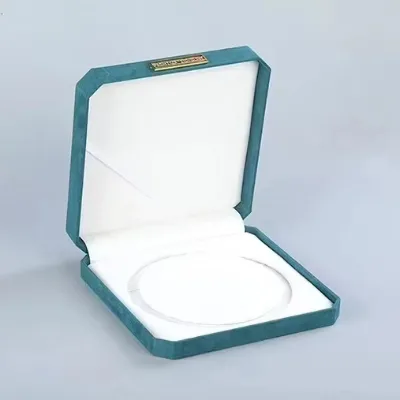
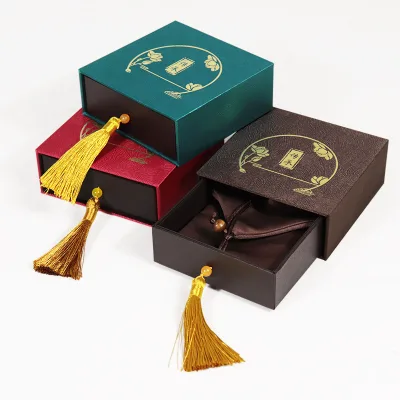
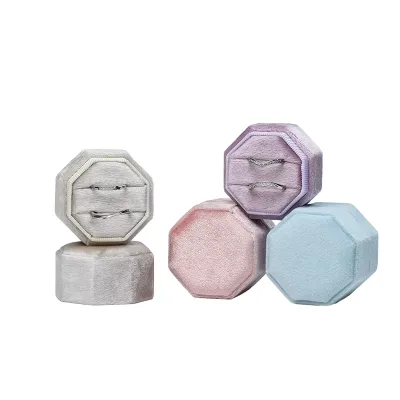
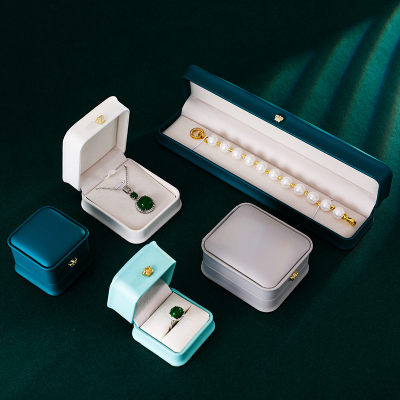
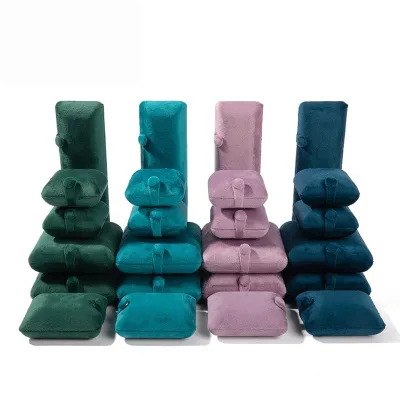
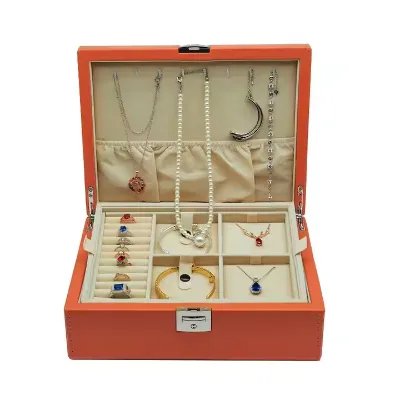

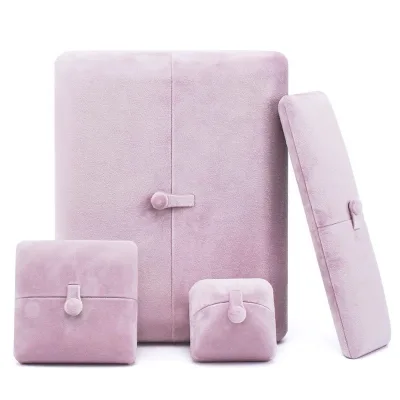

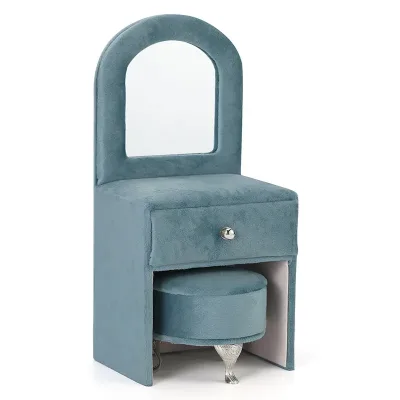
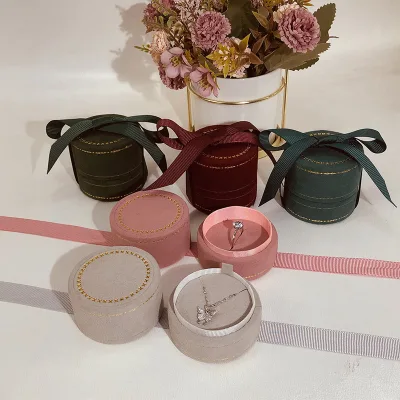
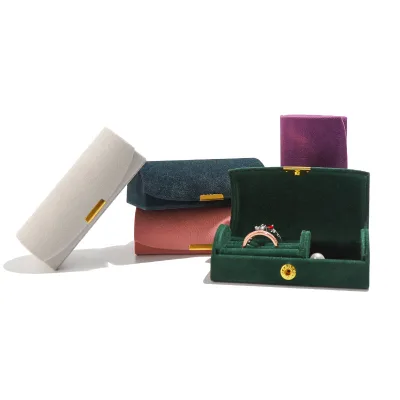


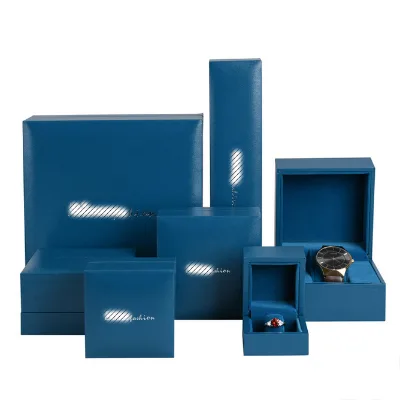
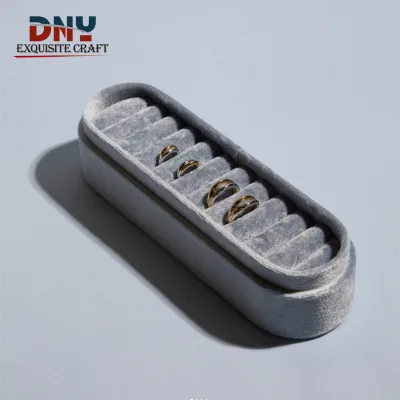


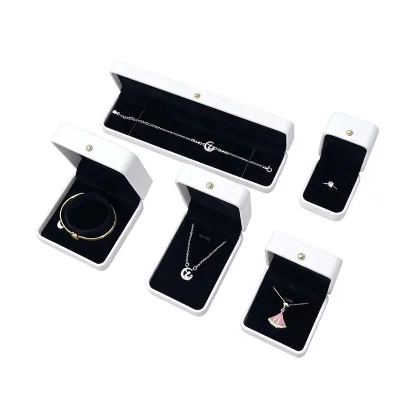
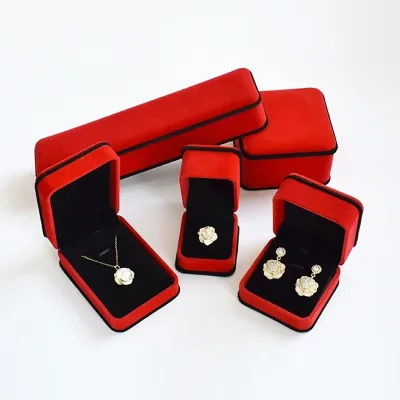
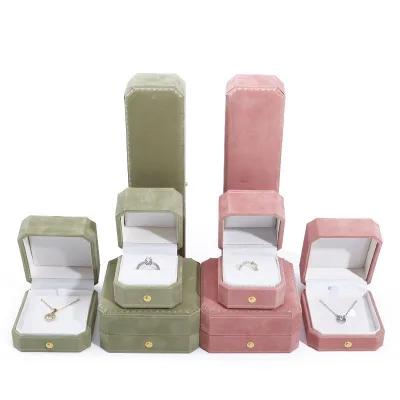
Comprehensive Sourcing Guide
Modern Velvet Jewelry Box Sourcing Guide
Sourcing modern velvet jewelry boxes requires a careful balance between aesthetic appeal and functional durability. Buyers must recognize that "velvet" in this context often refers to a soft-touch exterior finish rather than traditional textile pile, which impacts both cost and perceived luxury. The market offers a wide variety of shapes, including hexagonal and rectangular designs, allowing for distinct brand differentiation. Understanding these material nuances is the first step in defining precise procurement specifications that align with your target market’s expectations for premium packaging.
Commercial listings frequently highlight customization capabilities, such as accepting custom logos and offering a range of color options. This flexibility is crucial for brands seeking cohesive packaging solutions that match their identity. However, the term "modern" can be subjective, so buyers should rely on concrete visual samples and detailed product descriptions to verify style attributes. Establishing clear communication channels with suppliers early in the process ensures that design intent is accurately translated into physical prototypes, reducing the risk of misaligned expectations during mass production.
Product Scope and Observed Listing Signals
The observed product range includes various jewelry storage solutions, such as ring boxes, earring boxes, and bracelet boxes, often categorized under gift boxes or display units. Listings indicate a strong emphasis on customization, with many suppliers offering bespoke sizes and colors to meet specific client needs. The presence of keywords like "luxury" and "fashion" suggests a market segment focused on high-end retail presentation. Buyers should note that while many products claim eco-friendly features, the specific materials used, such as art paper or cardboard, vary significantly across different suppliers and product lines.
Price points in the observed data range from low-cost options to higher-end luxury items, reflecting differences in material quality and customization depth. Minimum order quantities (MOQs) typically start at 500 pieces, though some suppliers may accept lower volumes for standard items. This variability requires buyers to assess their volume requirements against the supplier’s flexibility. Additionally, the inclusion of features like buckle closures or specific interior layouts adds functional value, so buyers must verify these details against their product protection needs before finalizing orders.
Technical Specifications to Verify
Verifying technical specifications is critical to ensuring the packaging meets functional requirements. Buyers should confirm the exact dimensions, as many suppliers offer custom sizes rather than standard measurements. The exterior material is often described as velvet, but the underlying structure may involve paper or cardboard, which affects rigidity and protection. It is essential to request detailed specifications regarding the paper type, such as art paper or recycled options, to ensure the desired feel and durability. Additionally, checking the single package size and gross weight helps in calculating shipping costs and storage requirements accurately.
Surface handling techniques, such as screen printing, play a significant role in the final appearance and branding potential. Buyers must verify the quality of logo printing and color matching, especially if using Pantone or CMYK color systems. The closure type, whether it be a buckle or other mechanism, should be tested for ease of use and security. Furthermore, confirming the model number and any specific design features, such as hexagonal shapes or rectangular forms, ensures that the product matches the intended aesthetic. Clear documentation of these specifications prevents discrepancies between the sample and the final bulk order.
Compliance and Safety Documentation
While some listings mention certifications like ISO 9001 or ISO 14001, these are often background claims rather than guaranteed product attributes. Buyers must independently verify the current status of these certifications with the supplier, as they may not apply to every product line. Similarly, mentions of FSC or REACH compliance should be treated as potential capabilities rather than confirmed facts. It is crucial to request valid certificates and ensure they cover the specific materials used in the jewelry boxes, such as the paper and velvet components, to avoid regulatory issues in target markets.
Safety and environmental standards are increasingly important for modern consumers. Buyers should inquire about the specific environmental claims, such as the use of recycled paper or eco-friendly inks, and request supporting documentation. Understanding the chemical composition of the velvet finish and any adhesives used is vital for compliance with international safety regulations. Proactively addressing these compliance aspects not only mitigates legal risks but also enhances brand reputation by demonstrating a commitment to sustainable and safe packaging practices.
Cost Drivers and Commercial Terms
Several factors influence the final cost of modern velvet jewelry boxes, including material selection, customization complexity, and order volume. Custom sizes and unique shapes, such as hexagonal designs, typically incur higher tooling and production costs compared to standard rectangular boxes. The choice of exterior material and surface handling techniques, like screen printing, also impacts pricing. Buyers should analyze these cost drivers to determine the most cost-effective options that still meet their quality and branding requirements. Understanding the breakdown of costs helps in negotiating better terms and managing budget constraints effectively.
Commercial terms, including minimum order quantities and lead times, vary among suppliers. Many suppliers require an MOQ of 500 pieces, which can be a barrier for smaller buyers. It is important to clarify payment terms, shipping methods, and potential additional fees for customization or sample production. Buyers should also consider the total landed cost, including freight and duties, when evaluating supplier quotes. Establishing clear commercial agreements early in the sourcing process helps avoid unexpected expenses and ensures a smooth transaction from order placement to delivery.
Supplier Qualification and Quality Control
Qualifying suppliers involves more than just reviewing their product listings. Buyers should assess the supplier’s production capabilities, quality control processes, and ability to handle custom orders. Requesting samples is a crucial step to evaluate the physical quality of the velvet finish, the precision of the printing, and the overall construction of the box. It is also important to verify the supplier’s experience in the jewelry packaging industry and their ability to meet specific design requirements. A thorough qualification process helps identify reliable partners who can consistently deliver high-quality products.
Quality control measures should be established before production begins. Buyers should define clear acceptance criteria for color accuracy, material durability, and functional aspects like closure mechanisms. Implementing pre-production samples and in-line inspections can help catch defects early in the manufacturing process. Additionally, establishing a clear communication channel for addressing any issues that arise during production is essential. By proactively managing quality control, buyers can minimize the risk of receiving substandard products and ensure that the final packaging meets their brand’s standards.
Long-Term Procurement Checks
Long-term procurement success depends on maintaining strong relationships with suppliers and continuously monitoring performance. Buyers should regularly review supplier performance metrics, such as on-time delivery rates, product quality consistency, and responsiveness to issues. Establishing a feedback loop with the supplier allows for continuous improvement and adaptation to changing market trends. It is also important to stay updated on any changes in the supplier’s capabilities or certifications that may impact future orders. Regular audits and performance reviews help ensure that the partnership remains beneficial and aligned with business goals.
As market demands evolve, buyers should periodically reassess their packaging needs and explore new supplier options. The jewelry packaging market is dynamic, with new materials and designs emerging regularly. Staying informed about industry trends and technological advancements can provide competitive advantages. Additionally, diversifying the supplier base can mitigate risks associated with single-source dependencies. By maintaining a proactive approach to supplier management and market analysis, buyers can ensure a resilient and efficient procurement process that supports long-term business growth.
FAQs
What materials are used for modern velvet jewelry boxes?
These boxes typically feature an exterior made of soft velvet fabric for a luxurious feel. The internal structure often utilizes paper combined with cardboard to provide necessary rigidity and durability. This combination ensures the packaging is both eco-friendly and sturdy enough to protect delicate jewelry items during storage and transport.
Can I customize the color and logo on these boxes?
Yes, customization is widely available for these products. Buyers can select from CMYK, Pantone, or other custom colors to match their brand identity. Additionally, most suppliers accept custom logo printing, allowing businesses to brand the exterior of the velvet jewelry boxes effectively for retail presentation or corporate gifting purposes.
What shapes are available for velvet jewelry packaging?
Manufacturers offer various shapes to suit different jewelry types. Common options include hexagonal designs for unique appeal and standard rectangular forms for efficient storage. Specific variations may include heart-shaped sets or specialized boxes for rings, earrings, bracelets, and pendants, ensuring the packaging complements the specific item being displayed or sold.
What is the typical minimum order quantity for these boxes?
Minimum order quantities vary by supplier but generally range from two to one thousand pieces. Some vendors may require a higher MOQ, such as five hundred or one thousand pieces, for custom printing services. Buyers should verify specific MOQ requirements with manufacturers, as lower quantities might be available for standard, non-customized stock items.
Where are these velvet jewelry boxes typically manufactured?
These products are predominantly manufactured in China, with many factories located in the Guangdong province. This region is known for its robust packaging industry and efficient supply chains. Buyers sourcing from this location can often benefit from competitive pricing and established logistics networks for international shipping of these decorative and functional packaging solutions.
Are these jewelry boxes suitable for gift packaging?
Yes, they are highly suitable for gift packaging due to their fashion-forward and luxury style. The velvet exterior provides an elegant appearance that enhances the perceived value of the jewelry inside. These boxes are designed for daily use and decoration, making them ideal for presenting necklaces, bracelets, and other accessories as premium gifts.