Source Modern Velvet Dining Chairs and Tables Set for Restaurants, Cafes, Hotels
Compare 30 listings of Modern Velvet Dining Chairs and Tables Set from verified suppliers. Explore options for restaurants, cafes, and hotels with varying materials, styles, and delivery times. Discover scratch-resistant features, custom options, and warranty details for commercial furniture needs.
Updated
Key considerations
Products List


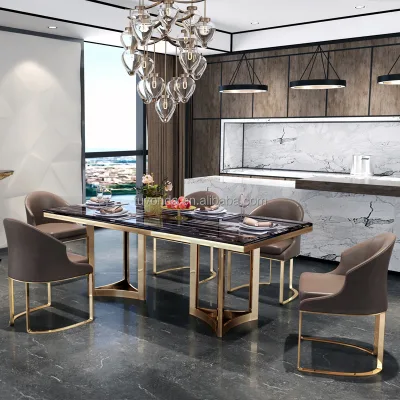
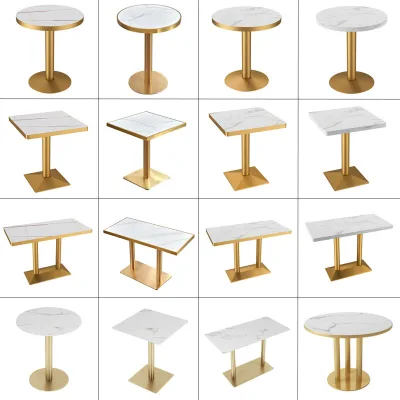
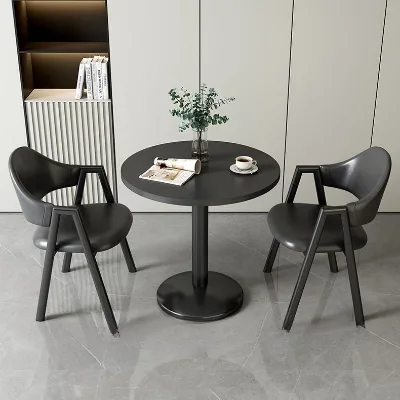
Modern Restaurant Furniture Velvet Upholstered Seats Cafe Table and Chairs Set
$50.00 - $129.00
MOQ: 1 Pieces

Restaurant Furniture Sets with New Style Dining Chairs and New Design Tables
$50.00 - $129.00
MOQ: 1 Pieces
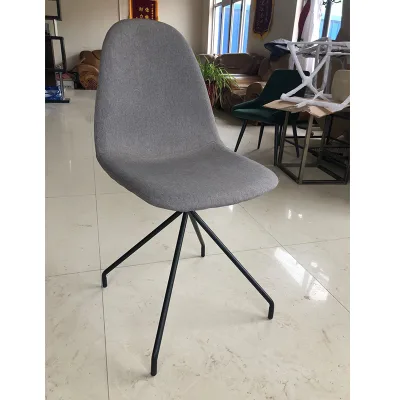
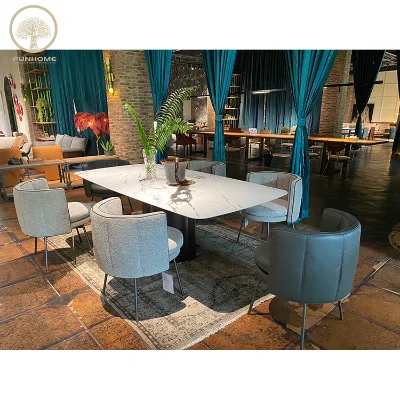

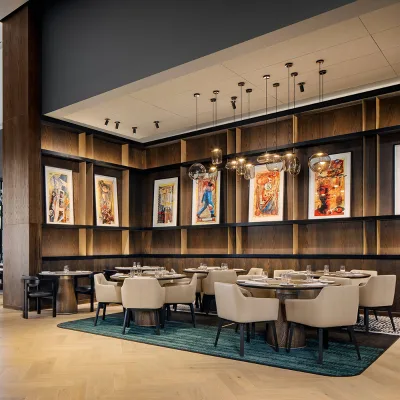


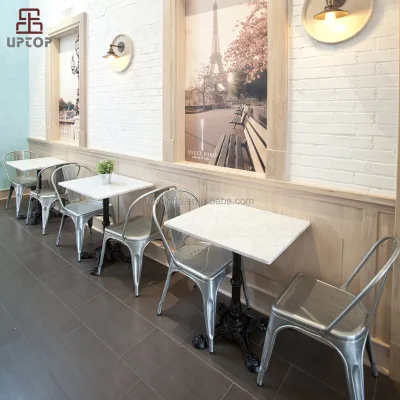
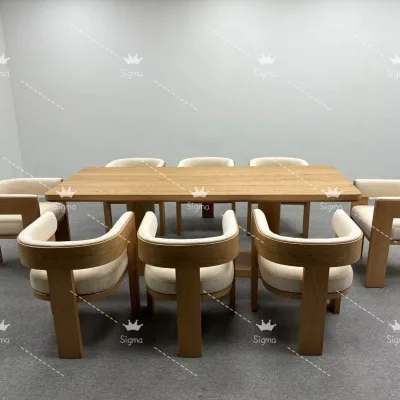
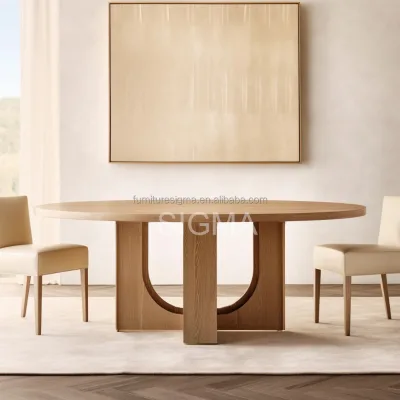
Luxury Furniture Dining Tables Dining Table Set Wood Oak Solid Wooden Table and Chairs Set
$500.00 - $1299.00
MOQ: 1 Minimum


Comprehensive Sourcing Guide
Modern Velvet Dining Chairs and Tables Set Sourcing Guide
Sourcing modern velvet dining chairs and tables sets requires a strategic approach to balancing aesthetic appeal with commercial durability. Buyers must recognize that while velvet offers a luxurious tactile experience, it presents unique maintenance challenges in high-traffic environments. The decision to specify velvet involves evaluating stain resistance, cleaning protocols, and the specific velvet blend used by manufacturers. Procurement teams should prioritize suppliers who provide detailed fabric composition data, as generic "velvet" labels often obscure the underlying durability metrics. Understanding these material nuances is critical for ensuring the furniture meets both design intent and operational longevity requirements.
The visual impact of modern designs often relies on clean lines and contemporary finishes, which must be harmonized with the softness of velvet upholstery. Buyers should assess how the chair frames and table surfaces complement the upholstery to create a cohesive aesthetic for restaurants, cafes, or hotels. It is essential to verify that the modern style does not compromise structural integrity, as sleek designs can sometimes lack the robustness needed for commercial use. Sourcing guides must emphasize the importance of reviewing product images against actual samples to confirm that the "modern" label accurately reflects the intended design language and spatial footprint.
Product Scope and Observed Listing Signals
The observed product landscape reveals a diverse range of materials and styles, indicating that "modern velvet" is often a specific subset within broader furniture categories. Listings frequently highlight materials such as metal and wood, suggesting that the structural frame may vary significantly even when the upholstery is consistent. Buyers should note that some products are explicitly labeled for outdoor use, which implies specialized weather-resistant fabrics rather than traditional indoor velvet. This distinction is crucial for procurement, as using standard velvet in outdoor settings can lead to rapid degradation and warranty claims. Understanding the material composition of the frame helps in predicting the overall weight, stability, and aesthetic compatibility of the set.
Customization options are prominently featured, with many suppliers offering tailored solutions for color, fabric, and dimensions. This flexibility allows buyers to align the furniture with specific brand identities or interior design schemes. However, customization often impacts lead times and minimum order quantities, which must be factored into the procurement timeline. The presence of features like scratch resistance and specific packing methods, such as KD packing or standard export cartons, indicates a focus on logistics efficiency and product protection during transit. Buyers should leverage these signals to negotiate terms that balance customization needs with logistical constraints, ensuring that the final delivery meets both quality and timing expectations.
Technical Specifications to Verify
Verifying technical specifications is paramount to ensuring that the dining sets meet the functional requirements of the intended environment. Buyers must scrutinize the frame construction, noting that some products utilize metal frames with powder-coated finishes for enhanced durability and corrosion resistance. The thickness of the frame material, such as 3mm specifications, should be confirmed to ensure adequate load-bearing capacity. Additionally, the type of glass or rattan used in table tops and chair backs must be evaluated for safety and aesthetic consistency. These structural details directly influence the longevity and safety of the furniture, making them critical points of verification during the sourcing process.
Upholstery specifications, including fabric type and seat material, require careful examination to ensure they align with the "velvet" expectation. Buyers should verify the specific weave or blend, such as 2*1 Textilene, which may be used in place of traditional velvet for outdoor or high-durability applications. The availability of any color for fabric and frame allows for customization but necessitates strict quality control to prevent color inconsistency across batches. Furthermore, dimensions provided for tables and chairs, such as specific millimeter measurements, must be cross-referenced with spatial planning requirements. Accurate specification verification prevents costly mismatches between the ordered furniture and the physical space it is intended to occupy.
Compliance and Safety Documentation
Compliance with international standards is a non-negotiable aspect of sourcing commercial furniture, particularly for establishments serving the public. Buyers must request and verify certification documents such as CE and ISO, which indicate adherence to European and international quality management standards. These certifications provide assurance that the manufacturing processes and product safety meet rigorous regulatory requirements. Additionally, standards like SGS and MFC should be confirmed to ensure that materials and finishes comply with specific industry benchmarks. Documentation serves as a legal safeguard and a quality indicator, protecting buyers from liability and ensuring that the furniture is safe for commercial use.
Safety documentation also extends to material safety and environmental compliance, which are increasingly important in modern procurement. Buyers should inquire about test reports that verify the absence of harmful substances in fabrics and finishes. The presence of specific certifications like ISOCCC suggests a commitment to environmental standards, which can be a valuable selling point for eco-conscious brands. It is essential to ensure that all provided documentation is current and issued by recognized testing bodies. Relying on valid compliance documentation mitigates risk and ensures that the sourced furniture meets the legal and ethical standards of the target market.
Cost Drivers and Commercial Terms
Understanding the cost drivers associated with modern velvet dining sets is essential for effective budget management and negotiation. The choice of materials, such as metal versus wood frames, and the complexity of the modern design significantly influence the unit price. Customization options, including specific colors and fabric blends, often incur additional costs due to the specialized production requirements. Buyers should analyze how these factors contribute to the overall price range, which can vary widely based on the level of customization and material quality. Recognizing these drivers allows for more informed decision-making and helps in identifying areas where cost savings can be achieved without compromising quality.
Commercial terms, including minimum order quantities and lead times, play a crucial role in the total cost of ownership. MOQs of 10 pieces or more are common, which may impact inventory management and cash flow for smaller buyers. Lead times of 15-25 days must be factored into the procurement schedule to avoid delays in project completion. Warranty terms, such as a 5-year warranty, provide long-term value and reduce the risk of replacement costs. Buyers should negotiate terms that align with their operational needs, considering the balance between upfront costs and long-term benefits. Clear understanding of these commercial terms ensures a smoother procurement process and better alignment with business objectives.
Supplier Qualification and Quality Control
Supplier qualification is a critical step in ensuring the reliability and consistency of the sourced furniture. Buyers should assess suppliers based on their production capabilities, quality control processes, and track record in the industry. The origin of the products, such as Guangdong or Zhejiang Province in China, can provide insights into the manufacturing ecosystem and supply chain efficiency. Suppliers with established quality control measures, including standard export packing and high-quality carton packaging, are more likely to deliver products in good condition. Verifying these aspects helps in selecting partners who can consistently meet quality expectations and delivery schedules.
Quality control extends to the inspection of samples and the implementation of pre-shipment checks. Buyers should request samples to evaluate the actual quality of materials, finishes, and upholstery before placing large orders. Pre-shipment inspections can identify potential defects or inconsistencies, allowing for corrective actions before the goods are dispatched. Suppliers who offer detailed product models and specific packing instructions demonstrate a commitment to transparency and quality. Establishing a robust quality control process, including clear communication channels and defined acceptance criteria, ensures that the final products meet the specified requirements and reduce the risk of post-delivery issues.
Long-Term Procurement Checks
Long-term procurement checks involve monitoring supplier performance and product durability over time to ensure sustained value. Buyers should establish key performance indicators, such as on-time delivery rates, defect rates, and customer satisfaction scores, to evaluate supplier reliability. Regular audits and feedback loops can help identify areas for improvement and strengthen the partnership. Additionally, tracking the performance of the furniture in the field, including wear and tear on velvet upholstery and frame integrity, provides valuable insights for future sourcing decisions. Continuous monitoring ensures that the supplier remains aligned with the buyer's evolving needs and quality standards.
Sustainability and adaptability are also important considerations for long-term procurement. Buyers should assess the supplier's ability to adapt to changing market trends and regulatory requirements, such as new environmental standards. Suppliers who invest in sustainable practices and innovative materials can provide a competitive advantage and reduce long-term risks. Furthermore, maintaining a diverse supplier base can mitigate supply chain disruptions and provide flexibility in sourcing. By focusing on long-term relationships and continuous improvement, buyers can ensure that their procurement strategy supports both immediate operational needs and future growth objectives.
FAQs
What certifications do the dining sets have?
The dining sets carry CE and ISO certifications to ensure safety and quality standards. Some models also include SGS test reports for material verification. These certifications confirm the products meet international requirements for commercial furniture use in restaurants and hotels.
Can I customize the color and fabric of the chairs?
Yes, customization is available for fabric and frame colors to match your specific design needs. You can select any color for the textileene fabric and frame finish. This flexibility allows buyers to tailor the modern style to their venue requirements without compromising on durability.
What is the minimum order quantity for these sets?
The minimum order quantity is typically 10 pieces for standard models. Some specific items may allow orders starting from just one piece depending on the supplier. Buyers should verify the exact MOQ for their chosen model before placing a bulk order for commercial projects.
How long does delivery take for these furniture sets?
Delivery time generally ranges from 15 to 25 days after order confirmation. This lead time accounts for production and standard export packing processes. Buyers planning large commercial projects should factor in this duration to ensure timely installation at their restaurant or hotel locations.
Which materials are used for the frames and seats?
Frames are constructed from metal or rattan with powder-coated finishes for durability. Seats often utilize 2*1 Textilene fabric for comfort and weather resistance. Some models feature wood or glass components, ensuring a robust build suitable for high-traffic commercial environments like cafes and bars.
What warranty is provided for the dining furniture?
A five-year warranty is provided to cover manufacturing defects and structural integrity. This warranty applies to the metal frames and fabric components under normal commercial use conditions. Buyers receive assurance of long-term performance for their investment in modern restaurant furniture.
Where are these dining sets manufactured and shipped from?
These sets are manufactured in Guangdong and Guangzhou, China, with some origins in Zhejiang Province. Products are shipped using standard export cartons or KD packing to ensure safe transit. The location ensures access to established supply chains for efficient global distribution of commercial furniture.