Source Modern Waterproof LED Wall Lamp for Patios, Corridors, and Stairs
Compare 30 Modern Waterproof LED Wall Lamp options featuring adjustable angles, IP65 ratings, and various wattages from Chinese manufacturers. Buyers can review specifications like beam angles, materials, and certifications to find suitable fixtures for outdoor and indoor applications.
Key considerations
Products List






Comprehensive Sourcing Guide
Strategic Sourcing Guide for Modern Waterproof LED Wall Lamps
Navigating the global market for modern waterproof LED wall lamps requires a disciplined approach that balances aesthetic requirements with rigorous technical verification. The term "Modern Waterproof LED Wall Lamp" encompasses a diverse array of fixtures designed for both interior and exterior applications, ranging from decorative surface-mounted units to high-performance linear systems. Buyers must distinguish between general marketing descriptions and verifiable product attributes to ensure procurement success. This guide outlines the critical dimensions of sourcing these fixtures, focusing on technical specifications, compliance frameworks, cost structures, and quality assurance protocols derived from current market data.
Technical Specifications and Performance Metrics
The core of any successful procurement strategy lies in understanding the specific technical parameters that define the product's performance. In the current market, modern waterproof LED wall lamps are characterized by a variety of wattage configurations, beam angles, and LED chip types. Data indicates that wattage options are not uniform; they range from compact 10W units to more powerful 18W, 24W, 36W, and even higher configurations up to 48W depending on the model. For instance, specific models are identified with wattages of 10W, while others offer a spectrum of 10W through 48W to accommodate different lighting intensity needs.
Beam angle is another critical variable that dictates the utility of the fixture. The observed market data reveals a wide disparity in beam angles, including narrow spotlights with angles of 5, 10, 15, 30, and 60 degrees, as well as wide-angle floodlights reaching 120, 160, and even 270 degrees. A 270-degree beam angle suggests a specific application for wide-area illumination, whereas a 15-degree angle is suitable for accent lighting. The light source technology also varies significantly between suppliers. Some units utilize Epistar SMD2835 or SMD3030 LEDs, known for their reliability and color rendering, while others employ COB (Chip on Board) LED technology, which offers a different light distribution profile.
Color Rendering Index (CRI) is a vital metric for modern installations where color accuracy is paramount. The available data points to a CRI (Ra) of 80 as a standard baseline for these products. While this is acceptable for general utility, buyers requiring higher fidelity for retail or architectural applications must verify if higher CRI values are available. Furthermore, the working lifetime is a key differentiator, with observed specifications indicating a lifespan of up to 40,000 hours. This figure should be treated as a manufacturer claim that requires validation through independent testing reports rather than an absolute guarantee.
Compliance and Certification Verification
Compliance with international safety and environmental standards is non-negotiable for modern waterproof LED wall lamps, particularly when importing from major manufacturing hubs. The most frequently observed certifications in the current product landscape include CE and RoHS. These marks indicate conformity with European health, safety, and environmental protection standards. Some product listings also reference CCC (China Compulsory Certification), which is essential for domestic sales in China but may serve as an indicator of rigorous internal manufacturing controls for export markets.
When evaluating a supplier, buyers must request valid certification documents rather than relying solely on product page assertions. The presence of CE and RoHS marks suggests that the electrical components and materials used in the fixture do not exceed hazardous substance limits. However, the specific scope of these certifications must be verified. For example, does the CE marking cover the entire fixture assembly, or only the driver component? Similarly, RoHS compliance must be confirmed for all materials, including the housing and glass components.
Waterproofing is a critical aspect of the "waterproof" keyword in the search query. The IP (Ingress Protection) rating is the standard metric for this. Observed data lists an IP65 rating for specific models, which implies protection against low-pressure water jets from any direction. Another attribute mentions an "IPIrradiated Area: 3-5m," which appears to be a descriptive attribute regarding the illuminated zone rather than a standard IP rating. Buyers must ensure that the IP rating provided matches the intended installation environment. An IP65 rating is suitable for covered outdoor areas, but fully exposed locations may require IP66 or IP67 ratings, which must be explicitly confirmed by the supplier.
Cost Drivers and Pricing Structures
Understanding the cost drivers for modern waterproof LED wall lamps is essential for budgeting and negotiation. The observed price range in the market spans from $1.99 to $160 USD, a significant variance that reflects differences in materials, technology, and brand positioning. The lower end of this spectrum typically corresponds to basic models with standard aluminum or iron housings and simple SMD LED configurations. The higher end often includes premium materials such as tempered glass, advanced COB LEDs, and sophisticated control systems.
Material composition is a primary factor influencing cost. The market data highlights several material combinations, including Aluminum+Arylic, Aluminum+Tempered Glass, and Steel+Arylic. Tempered glass generally commands a higher price point than acrylic due to its durability and safety features. Additionally, the choice of LED chip affects the unit cost; Epistar chips are widely recognized for quality, but the specific series (SMD2835 vs. SMD3030 vs. COB) will impact the final price.
Minimum Order Quantity (MOQ) is another critical cost driver. The observed MOQ range is extensive, spanning from 1 unit to 1,000 units. This flexibility allows buyers to test the market with small orders or secure bulk pricing for large projects. However, buyers should be aware that lower unit prices are often contingent on meeting higher MOQ thresholds. Customization options, such as ODM/OEM services, are available and can influence the final cost. Custom branding, specific color temperatures, or unique housing shapes may incur additional tooling or setup fees, which should be factored into the total cost of ownership.
Typical Applications and Design Considerations
The versatility of modern waterproof LED wall lamps allows them to be deployed in a wide range of applications. The design attributes observed, such as "Square" shape and "Modern" style, make these fixtures suitable for contemporary architectural designs. The "Decorative" style attribute suggests that these lights are not merely functional but also serve as aesthetic elements in the built environment.
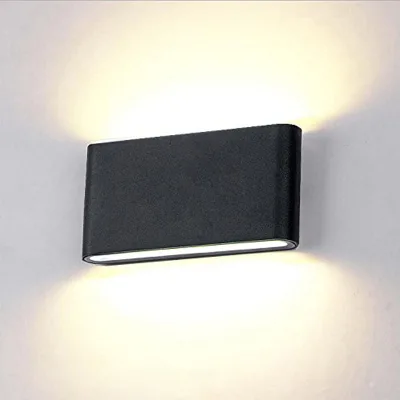
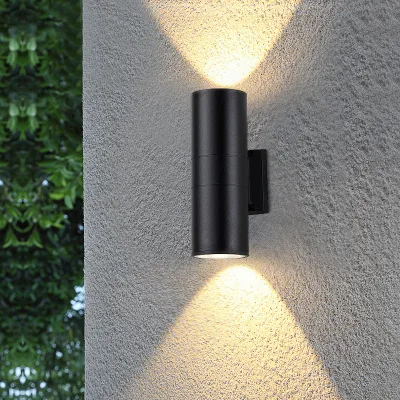
Surface-mounted wall lights are ideal for corridors, stairwells, and exterior facades where a sleek, unobtrusive installation is required. The "Adjustable Angle" feature found in some models provides flexibility for directing light precisely, which is beneficial for highlighting architectural features or artwork. Up-down wall lights, which cast light in both directions, are particularly effective for creating ambient lighting in hallways or enhancing the texture of walls.
Linear wall lights offer a continuous line of illumination, making them perfect for modern commercial spaces, retail stores, or high-end residential lobbies. The beam angle options allow for customization based on the specific application; a narrow beam angle is suitable for accent lighting in a gallery, while a wide beam angle is better for general area lighting in a parking structure. The control modes, including remote control, APP control, and switch control, add a layer of smart functionality that is increasingly demanded in modern building management systems.
Supplier Evaluation and Selection Criteria
Selecting the right supplier is as important as selecting the right product. Buyers should prioritize suppliers who demonstrate transparency in their product specifications and provide clear documentation. The availability of ODM/OEM services indicates a supplier's capacity to adapt products to specific buyer requirements, which is a strong indicator of flexibility and technical capability.
When evaluating potential partners, buyers should verify the supplier's production capacity and lead times. While specific lead times are not provided in the general data, the MOQ range suggests that suppliers can handle both small and large volume orders. It is crucial to inquire about the production timeline for custom orders, as these may require additional time for tooling and setup.
Quality assurance processes should be a central part of the supplier evaluation. Buyers should ask about the supplier's internal testing protocols, particularly regarding waterproofing and electrical safety. The presence of certifications like CE and RoHS is a positive sign, but buyers should request third-party test reports to validate these claims. Additionally, the warranty period, observed to be between 2 to 3 years, is a key indicator of the supplier's confidence in their product quality. A longer warranty period often correlates with higher reliability and better after-sales support.
Quality Control and Long-Term Procurement Considerations
Ensuring long-term reliability requires a robust quality control strategy. Buyers should implement a pre-shipment inspection process that verifies the physical condition of the fixtures, the accuracy of the specifications, and the functionality of the light sources. Key checks should include verifying the IP rating through water spray tests, checking the beam angle and light distribution, and ensuring the color temperature matches the order requirements.
The warranty terms are a critical component of long-term procurement. A 2-3 year warranty provides a safety net against premature failures, but buyers should clarify the terms of the warranty, including what is covered and the process for claims. It is also important to consider the availability of replacement parts, such as drivers or LED modules, to extend the life of the installation beyond the initial warranty period.
Sustainability is another consideration for modern procurement. The use of materials like aluminum and tempered glass, combined with the long working lifetime of 40,000 hours, contributes to energy efficiency and reduced waste. Buyers should encourage suppliers to adopt sustainable manufacturing practices and provide information on the recyclability of the products.
Comparative Analysis of Product Attributes
To facilitate decision-making, the following table summarizes the key attributes observed in the market for modern waterproof LED wall lamps. This comparison helps buyers identify the specific features that align with their project requirements.
| Attribute Category | Observed Options | Typical Application |
|---|---|---|
| Wattage | 10W, 18W, 24W, 36W, 48W | Varies from accent to flood lighting |
| Beam Angle | 5°, 10°, 15°, 30°, 60°, 120°, 160°, 270° | Spot, accent, or area illumination |
| LED Type | Epistar SMD2835, SMD3030, COB | General lighting or high-performance |
| Material | Aluminum+Arylic, Aluminum+Tempered Glass, Steel+Arylic, Iron | Durability and aesthetic finish |
| IP Rating | IP65 | Outdoor or damp location protection |
| CRI (Ra) | 80 | Standard color rendering |
| Lifespan | 40,000 hours | Long-term reliability |
| Control | Remote, APP, Switch | Smart home or building integration |
| Certification | CE, RoHS, CCC | Safety and environmental compliance |
| Warranty | 2-3 Years | Post-purchase support |
Final Procurement Recommendations
Sourcing modern waterproof LED wall lamps requires a meticulous approach that prioritizes verified specifications over marketing claims. Buyers must carefully review the technical data, ensuring that wattage, beam angle, and material composition align with the intended application. Compliance with CE, RoHS, and CCC standards is essential for safety and market access. Cost considerations should balance the initial price against the total cost of ownership, including warranty and maintenance.
By focusing on suppliers who offer transparent documentation, flexible ODM/OEM capabilities, and robust quality control, buyers can secure high-quality fixtures that meet their aesthetic and functional needs. The wide range of available options, from compact 10W units to high-power linear systems, ensures that there is a solution for every project. Ultimately, the success of the procurement depends on a clear understanding of the product attributes and a commitment to rigorous evaluation standards.
FAQs
What certifications do modern waterproof led wall lamps typically have?
Most units carry CE and RoHS certifications, with some models also including CCC marks. These indicate compliance with safety and environmental standards, but buyers should request valid documents to verify the scope of coverage for the entire fixture assembly.
Which wattage options are available for these wall lights?
Wattage ranges from compact 10W units to powerful configurations up to 48W depending on the specific model. Buyers can find options like 18W, 24W, 36W, and 48W to accommodate different lighting intensity needs for various architectural applications.
Can I customize the design and branding of these fixtures?
Yes, customization is available with ODM and OEM services offered by many suppliers. This allows for specific branding, unique housing shapes, or tailored color temperatures, though buyers should confirm if additional tooling fees apply for custom orders.
What is the typical working lifetime of these LED wall lamps?
The observed working lifetime is up to 40,000 hours for these products. This figure represents a manufacturer claim that requires validation through independent testing reports rather than serving as an absolute guarantee for every listed unit.
How does the IP rating affect outdoor installation suitability?
Some models feature an IP65 rating, which protects against low-pressure water jets from any direction. This makes them suitable for covered outdoor areas, though fully exposed locations may require higher ratings like IP66 or IP67 that must be explicitly confirmed.
What materials are commonly used for the housing of these lights?
Common material combinations include Aluminum with Arylic, Aluminum with Tempered Glass, and Steel with Arylic. Tempered glass generally commands a higher price point due to its durability and safety features compared to acrylic alternatives.