Source Modern Waterproof Modular Capsule Hotel for Villa, Warehouse, Dormitory
Find 30 Modern Waterproof Modular Capsule Hotel units from Chinese manufacturers. Compare specifications including steel structure, ISO and CE certifications, and features like thermal insulation and earthquake resistance for use in villas, warehouses, and dormitories.
Key considerations
Products List

Tiny Mobile Homes House Modern Space Capsule /Soundproof Water Proof Vessel Modular Capsule Hotel
$16000.00 - $24285.00
MOQ: 1 Pieces

$16000.00 - $24285.00
MOQ: 1 Pieces


$16000.00 - $24285.00
MOQ: 1 Pieces


Space Capsule House/Luxury Hotel/Scenic Spots/Beach House/Modular Hotel
$20888.00 - $35888.00
MOQ: 1 units


Modern Modular Movable Container Hotel Smart Sleeping Space Capsule Container Hotel
$13000.00 - $25000.00
MOQ: 1 Pieces


Prefab Container House Space Capsule /Modern Design Customized Sleeping Capsule Hotel
$16500.00 - $24000.00
MOQ: 1 Pieces


Sustainable Resort Space Capsule Modular House Prefab House
$600.00 - $767.00
MOQ: 1 Square Meters
Youran Mushe (Shandong) Cultural and Creative Technology Co., Ltd


Outdoor Mobility Travel Resort Mobile Hotel Prefab Space Capsule Modern Modular House
$8599.00 - $8999.00
MOQ: 1 Sets
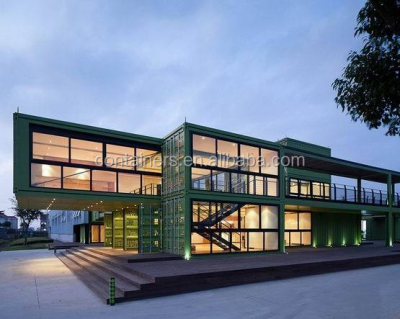


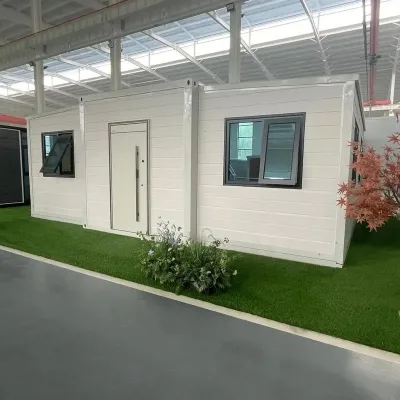
Waterproof Apple Cabin House Capsul Hotel Expandable Modular Capsule House
$8000.00 - $20000.00
MOQ: 1 Pieces



Comprehensive Sourcing Guide
Sourcing Strategy for Modern Waterproof Modular Capsule Hotels
The global demand for rapid-deployment accommodation solutions has elevated the profile of modern waterproof modular capsule hotels. These structures represent a convergence of prefabricated construction efficiency and high-performance design, specifically tailored for hospitality, tourism, and temporary lodging sectors. For procurement professionals, navigating this market requires a disciplined approach that distinguishes between generic prefabricated units and specialized capsule housing designed for commercial hotel operations. The following guide outlines the critical technical, compliance, and operational factors necessary for a successful sourcing strategy, grounded in verified product attributes and industry standards.
Technical Specifications and Structural Integrity
The foundation of any successful procurement decision lies in a rigorous understanding of the technical specifications. Modern modular capsule hotels are not merely prefabricated boxes; they are engineered systems designed to withstand specific environmental stresses while offering rapid deployment. A primary observation in the current market is the prevalence of steel structures, which provide the necessary tensile strength and durability required for long-term use. These units often feature a standardized footprint, with dimensions frequently observed in the range of 11.5 meters in length, 3.3 meters in width, and 3.2 meters in height. This specific sizing is critical for logistics, as it often aligns with standard container transport requirements, facilitating efficient global shipping.
Waterproofing is a non-negotiable attribute for any hotel application. The market offers units with advanced sealing technologies, including outer tent waterproof indices exceeding 3000mm, ensuring that the structure remains dry even in heavy precipitation. Furthermore, thermal insulation is a key performance metric. Buyers must verify that the wall systems utilize EPS (Expanded Polystyrene) sandwich panels, which offer superior thermal resistance compared to single-layer materials. The flooring is equally important, with MGO (Magnesium Oxide) boards frequently cited as a durable, fire-resistant, and moisture-proof option.
Structural resilience is another critical technical dimension. In regions prone to seismic activity, the design must account for high seismic intensity levels. Verified data indicates that robust models are engineered to withstand seismic intensity up to Level 9, a standard that significantly enhances safety and insurance viability. The ability to be easily moved and flexibly combined allows for scalable deployment, where multiple units can be clustered to form larger accommodation complexes without compromising structural integrity.
Compliance, Certification, and Safety Standards
Navigating the regulatory landscape is essential for international procurement. The absence of proper certification can lead to significant legal and operational hurdles, particularly when deploying units in foreign jurisdictions. The most common and trusted certifications observed in the supply chain for these structures include ISO and CE marks. These certifications indicate that the manufacturer adheres to international quality management systems and European safety standards, respectively.
When evaluating a supplier, buyers must explicitly request proof of these certifications rather than accepting them as implied. The "ISO" designation typically refers to ISO 9001 for quality management, while "CE" signifies compliance with health, safety, and environmental protection standards for products sold within the European Economic Area. Additionally, specific material certifications should be verified. For instance, the frame materials, often constructed from aluminum or steel, and the sail finishing, which may involve fluorocarbon paint for enhanced durability and UV resistance, should meet specific environmental and safety standards.
It is also vital to verify the origin of the materials. Products originating from regions like Shandong or Hebei in China are common, but the specific manufacturing standards applied at these locations must be consistent with the buyer's local regulations. The "Customized Or Not" attribute suggests that while standard models exist, many suppliers offer tailored solutions. In such cases, the customization must still adhere to the core safety standards of the destination country. Buyers should ensure that any custom modifications do not void existing certifications or compromise the structural integrity verified by the original test data.
Cost Drivers and Financial Considerations
Understanding the cost structure of modern modular capsule hotels is crucial for budgeting and ROI analysis. The price range for these units is substantial, with observed market values spanning from approximately $600 to $35,888. This wide variance is driven by several key factors, including the complexity of the design, the quality of materials, and the level of customization. A basic unit with standard specifications will sit at the lower end of this spectrum, while a fully customized, high-end capsule with advanced thermal insulation, premium finishes, and integrated smart systems will command a premium price.
The total net weight of the structure is another significant cost driver. Units weighing up to 11,000kg require specialized heavy-lift equipment for installation and transport, which adds to the overall logistics cost. Conversely, lighter units, such as those weighing around 8.5 tons, may offer more flexibility in terms of foundation requirements and transport methods. The power consumption is also a factor; with a standard power rating of 10kw, buyers must calculate the ongoing energy costs and ensure that the site infrastructure can support this load.
Payment terms and trade conditions play a pivotal role in the financial planning of the project. Common trade terms include EXW (Ex Works), FOB (Free on Board), and DDP (Delivered Duty Paid). EXW places the maximum responsibility on the buyer for logistics and insurance, while DDP offers a more turnkey solution where the supplier handles all costs up to the delivery point. The Minimum Order Quantity (MOQ) typically ranges from 1 to 4 units, allowing for flexibility in small-scale pilot projects or large-scale deployments. Buyers should negotiate based on their specific volume needs, as larger orders often unlock better pricing tiers and more favorable lead times.
Typical Applications and Deployment Scenarios
The versatility of modern waterproof modular capsule hotels makes them suitable for a diverse range of applications. While the primary use case is clearly defined as "Hotel," the specific deployment scenarios vary widely. These units are frequently utilized as villas in resort settings, offering a unique, eco-friendly accommodation experience that blends with natural landscapes. The "Green House" classification and "Eco-Friendliness" features make them particularly attractive for sustainable tourism projects that aim to minimize environmental impact.
Beyond hospitality, these structures serve as multi-functional spaces. They are effectively deployed as dormitories for construction sites or event venues, providing safe and sanitary living quarters for workers. The "Warehouse" and "Temporary Office" applications highlight their utility in industrial and commercial sectors, where rapid setup and teardown are essential. The ability to be flexibly combined allows for the creation of temporary workshops or storage facilities that can be reconfigured as project needs change.
The "Fast Installation" attribute is a critical advantage in these scenarios. Whether setting up a pop-up hotel for a music festival or establishing a temporary medical facility, the speed of deployment is often the deciding factor. The modular nature of the units allows for on-site assembly that is significantly faster than traditional construction methods. This speed reduces the time-to-revenue for hotel operators and minimizes the disruption to the surrounding environment.
Supplier Evaluation and Quality Assurance
Selecting the right supplier is the most critical step in the procurement process. Buyers must look beyond the product specifications and evaluate the supplier's capacity, track record, and after-sales support. The production capacity of a supplier, often measured in sets per month (e.g., 300 sets/month), is a key indicator of their ability to meet large-scale demand without compromising quality. A supplier with a high production capacity is more likely to have established supply chains for raw materials and a streamlined manufacturing process.
Quality control should be embedded in the supplier selection criteria. Buyers should inquire about the specific testing protocols used for waterproofing, thermal insulation, and structural integrity. The "Seismic Intensity" and "Earthquake Resistant" claims must be backed by verifiable test results or engineering certifications. Additionally, the warranty period is a strong indicator of the manufacturer's confidence in their product. A warranty of "More Than 5 Years" is a significant differentiator, suggesting a long-term commitment to product reliability.
After-sales service is another vital component of the evaluation. The availability of "Online Technical Support" and detailed "Instructions" and "Drawing Video Installation" guides can significantly reduce the risk of installation errors. Suppliers who provide comprehensive documentation and remote support demonstrate a customer-centric approach that is essential for international buyers who may not have local technical teams. The "After-Sale Service" should also include provisions for spare parts and maintenance, ensuring that the units remain operational throughout their lifespan.
Long-Term Procurement and Lifecycle Management
Procuring modular capsule hotels is not a one-time transaction but the beginning of a long-term relationship. Buyers must consider the lifecycle management of the units, including maintenance, upgrades, and eventual decommissioning. The "Warranty" period is just the starting point; buyers should plan for ongoing maintenance costs and the availability of replacement parts. The "Non" warranty option for some models indicates a higher risk profile, and buyers should weigh this against the lower initial cost.
The modularity of these units offers a unique advantage in lifecycle management. As needs change, units can be relocated, reconfigured, or repurposed rather than discarded. This flexibility supports a circular economy approach, reducing waste and maximizing the return on investment. The "Eco-Friendliness" and "Environmental Protection" features align with global sustainability goals, making these units a future-proof investment as regulations regarding construction and energy efficiency become stricter.
Finally, buyers should establish a clear communication channel with the supplier for long-term support. The "Customization" attribute suggests that future modifications may be required. A supplier that is responsive and capable of handling custom requests will be an invaluable partner as the project evolves. By focusing on these long-term considerations, buyers can ensure that their investment in modern waterproof modular capsule hotels delivers value and performance for years to come.
FAQs
What certifications do modern waterproof modular capsule hotels typically have?
These units typically hold ISO and CE certifications to ensure international compliance. Buyers should verify these marks directly as they indicate adherence to quality management and safety standards required for global deployment.
How fast can these modular capsule hotels be installed on site?
Fast installation is a standard feature for these structures, allowing rapid deployment for hospitality or temporary housing. This speed is achieved through prefabricated designs that minimize on-site construction time compared to traditional methods.
Which materials are used for the walls and floors of these units?
Walls commonly use EPS sandwich panels for thermal insulation while floors often utilize MGO boards for durability. These materials provide moisture proofing and fire resistance essential for safe and comfortable accommodation environments.
Can these hotels be customized to specific design requirements?
Yes, customization is available for many models to meet specific project needs. Buyers can request tailored dimensions or finishes while ensuring the structural integrity and safety certifications remain intact during the modification process.
What is the typical price range for a Modern Waterproof Modular Capsule Hotel?
Prices generally range from 600 to 35888 USD depending on specifications and customization levels. The final cost is influenced by factors such as total net weight, power requirements, and the specific trade terms selected for shipping.
How much weight can these structures withstand during seismic events?
Robust models are engineered to withstand seismic intensity up to Level 9 for enhanced safety. This high resistance ensures the structures remain stable in earthquake-prone regions, protecting occupants and assets effectively.