Source Modern Woven Table Cover for Dining, Events, and Home
Find 30 options for a Modern Woven Table Cover suitable for dining, events, and home use. Compare specifications including GSM, width, and material grades to identify the best fit for your sourcing needs; compare the available evidence and request quotations based on your requirements.
Key considerations
Products List


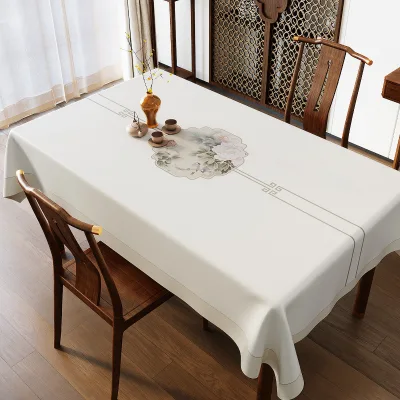


$0.50 - $0.60
MOQ: 3000 Pieces


Comprehensive Sourcing Guide
Modern Woven Table Cover Sourcing Guide
Sourcing modern woven table covers requires a clear understanding of the material distinctions between spun-bonded non-woven fabrics and traditional woven textiles. The supplied product data highlights a significant presence of 100% Polypropylene spun-bonded materials, which are frequently marketed for their lightweight, waterproof, and eco-friendly characteristics. Buyers must distinguish between these non-woven options and genuine woven structures, as the term "woven" in some listings may refer to the visual texture or a specific manufacturing technique rather than a traditional interlaced yarn structure. This distinction is critical for determining durability, drape, and suitability for high-traffic commercial environments versus disposable event use.
The observed market signals indicate a wide range of applications, from fashion shopping bags to home textile table covers. Products are available in various GSM ranges, typically between 40-50 GSM for lighter applications and up to 220 GSM for heavier duty uses. The customization options are extensive, including custom sizes, colors, and logos, which suggests that suppliers are flexible in meeting specific branding or dimensional requirements. However, the presence of both "Domestic" and "Imported" grade materials indicates that quality tiers vary significantly, necessitating careful verification of the material origin and processing standards before placing bulk orders.
Product Scope and Observed Listing Signals
The product scope encompasses a diverse array of table cover models, including specific identifiers like Flora-358-Tablecloth and Emma-Table Cloth, which suggest standardized product lines within the supplier catalog. These items are often designed for disposable supplies or temporary event use, given their lightweight nature and features such as being mothproof, anti-tear, and anti-static. The observed width specifications vary, with some products listed at 58/60 inches and others at 42/43 inches, indicating that buyers must verify the exact width compatibility with their table dimensions. The availability of customized sizes, such as 1.8m x 1.8m or 100x100cm, further emphasizes the need for precise measurement checks during the sourcing phase.
Color and pattern options are broadly available, with listings noting "All" colors and "Dyed" styles, alongside plain patterns. This flexibility allows for extensive branding opportunities, as suppliers accept customized logos and colors. The packaging methods also vary, ranging from packing in rolls with paper tubes to plastic with carton packaging, which impacts storage and shipping logistics. Buyers should note that while some products are described as eco-friendly, the material is 100% Polypropylene, a synthetic polymer, so sustainability claims should be verified against specific recycling or biodegradability certifications if environmental impact is a primary concern.
Technical Specifications to Verify
Technical verification must begin with the GSM (grams per square meter) range, which directly correlates to the fabric's durability and opacity. The observed data shows a wide spectrum from 9-220 GSM, with specific products targeting 40-50 GSM or 20-150 GSM. Buyers should request physical samples to assess the hand feel and tensile strength, as lightweight spun-bonded fabrics may tear easily under stress. The thickness is often described as "Light Weight," which is suitable for single-use events but may lack the premium feel required for upscale dining or long-term home use. Confirming the exact GSM with the supplier is essential to ensure the product meets the intended performance standards.
Width and size specifications are critical for minimizing waste and ensuring proper fit. Standard widths observed include 58/60 inches and 42/43 inches, with custom widths available up to 320cm. Buyers must verify the drop length and table dimensions to avoid excess material or insufficient coverage. The production standards listed, such as 100x100cm or 1.6/2.4/3.2m, provide a baseline, but custom orders require precise communication of dimensions. Additionally, the yield capacity of 9000t/Year suggests large-scale production capabilities, which can be advantageous for bulk orders but requires careful scheduling to align with project timelines.
Compliance and Safety Documentation
Compliance documentation is vital for ensuring that table covers meet regional safety and environmental regulations. While the products are described as eco-friendly and anti-bacterial, buyers must request specific test reports to validate these claims. For food-contact applications, it is crucial to verify that the polypropylene material is food-grade and free from harmful chemical residues. The presence of features like mothproof and anti-static properties may involve chemical treatments that require safety data sheets (SDS) to ensure they do not pose health risks to users or handlers.
Environmental certifications, such as OEKO-TEX or specific recycling standards, should be requested if sustainability is a key procurement criterion. The term "eco-friendly" is often used broadly, so buyers should clarify whether it refers to recyclability, biodegradability, or the use of recycled content. Additionally, for products intended for export, compliance with import regulations regarding synthetic textiles must be confirmed. Buyers should ensure that all safety documentation is up-to-date and covers the specific grade of material, whether domestic or imported, to avoid customs delays or product recalls.
Cost Drivers and Commercial Terms
Cost drivers for modern woven table covers include material grade, GSM, and customization complexity. Higher GSM values and imported materials typically command higher prices due to increased raw material costs and processing requirements. Customization of colors, logos, and sizes adds to the production cost, as it requires additional setup and quality control steps. The observed MOQ of 1 ton for some products indicates that economies of scale are significant, and smaller orders may incur higher per-unit costs. Buyers should negotiate based on volume commitments to secure better pricing.
Commercial terms such as delivery time and payment conditions are also key factors. The observed delivery time of 7-10 days after receiving the deposit suggests a relatively quick turnaround, which is beneficial for time-sensitive events. However, buyers should confirm if this timeline applies to customized orders or only standard stock items. Payment terms, including the requirement for a deposit, should be clearly defined in the contract. Additionally, shipping costs and packaging methods, such as the use of paper tubes and polybags, can impact the total landed cost, so these should be factored into the overall budget.
Supplier Qualification and Quality Control
Supplier qualification involves verifying the manufacturer's production capabilities and quality management systems. The observed production yield of 9000t/Year and origins in China, Quanzhou, and Fujian indicate established manufacturing hubs with experience in textile production. Buyers should request evidence of quality control processes, such as in-line inspections and final random inspections, to ensure consistency in product quality. The availability of free samples allows buyers to assess the material quality before committing to large orders, which is a critical step in mitigating risk.
Quality control checks should focus on dimensional accuracy, color fastness, and physical durability. Buyers should specify acceptable tolerances for width and length variations, as well as color matching standards for customized orders. The presence of features like anti-tear and anti-pull properties should be verified through practical testing, such as tear strength tests. Additionally, packaging integrity should be checked to prevent damage during transit. Establishing a clear quality agreement with the supplier, including rejection criteria and remediation steps, is essential for maintaining product standards.
Long-Term Procurement Checks
Long-term procurement checks involve monitoring supplier performance and market trends to ensure continued value and reliability. Buyers should track delivery times, defect rates, and responsiveness to issues over multiple orders. Consistent performance indicates a reliable partner, while recurring issues may signal the need for supplier evaluation or replacement. The ability of the supplier to adapt to changing market demands, such as new eco-friendly materials or design trends, is also a key indicator of their long-term viability.
Regular audits of the supplier's quality control processes and compliance documentation are recommended to ensure ongoing adherence to standards. Buyers should also stay informed about changes in regulations regarding synthetic textiles and environmental impact. Building a strong relationship with the supplier can lead to better pricing, priority production, and access to new product developments. Continuous communication and feedback loops are essential for maintaining a successful procurement partnership and ensuring that the table covers meet evolving business needs.
FAQs
What materials are used for modern woven table covers?
Modern woven table covers are typically made from 100% Polypropylene using Spun-Bonded technics. This material offers a lightweight yet durable structure suitable for various applications. The fabric is available in different GSM ranges, allowing buyers to select the appropriate weight for their specific usage needs and durability requirements.
Can I customize the size and pattern of the table cover?
Yes, customization is available for both size and pattern. Buyers can request specific dimensions such as 1.8m*1.8m or standard sizes like 100x100cm. Patterns can be plain or dyed, and colors can be customized to match brand requirements. This flexibility ensures the table cover fits specific event or retail needs perfectly.
What features do these table covers offer?
These table covers feature waterproof, mothproof, and eco-friendly properties. They are also breathable, anti-tear, anti-static, anti-pull, and anti-bacterial. These characteristics make them suitable for fashion shopping bags and home textile applications, ensuring longevity and hygiene while providing practical protection against common environmental factors and wear.
What is the typical lead time for delivery?
The typical delivery time is 7-10 days after receiving the deposit. This efficient turnaround supports timely project completion for buyers. The production capacity reaches 9000 tons per year, ensuring that large orders can be fulfilled within standard timeframes without significant delays, provided the deposit is processed promptly.
How are the table covers packaged for shipping?
Packaging options include packing in rolls with 20PCS per bag or using plastic with carton. Some variants use a 2/3'' paper tube with a polybag, while others utilize a 3'' paper tube with a polybag. These methods protect the product during transit and ensure it arrives in optimal condition for immediate use.
Where are these table covers manufactured?
These table covers are manufactured in China, specifically in regions like Quanzhou and Fujian. The domestic and imported grades are processed in these locations, leveraging local expertise in textile production. This origin ensures access to established supply chains and competitive manufacturing capabilities for global buyers seeking reliable sourcing partners.