Source Modified Car Seat for Repair, Replacement, and Customization
Compare 30 listings for Modified Car Seat options including PU and leather materials with customizable colors and memory foam fillers. Buyers can evaluate universal adaptation models from Shandong suppliers for various vehicle needs.
Key considerations
Products List


Airbag Seat Modification for Enhanced Comfort, Ventilation and Heating.
$190.00 - $240.00
MOQ: 1 Pieces


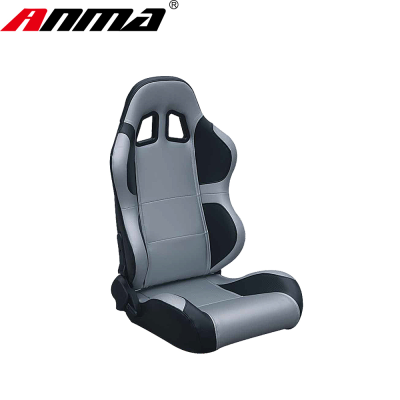


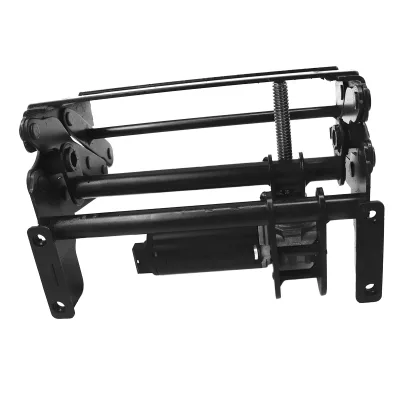
Comprehensive Sourcing Guide
Strategic Sourcing Guide for Modified Car Seat Components
Understanding Product Variability and Technical Specifications
The market for Modified Car Seat components is characterized by significant diversity in materials, structural designs, and intended applications. When sourcing these parts, buyers must first recognize that a single product listing often represents a family of variations rather than a single standardized item. The available inventory includes components labeled as "Seat Parts" and "General Seat" units, indicating that procurement strategies must accommodate both individual replacement pieces and complete seating assemblies.
Material composition is a primary differentiator in this category. Current market observations indicate the presence of Polyurethane (PU) and Leather options. Specifically, listings distinguish between standard PU materials and leather variants classified as "A Class," suggesting a tiered approach to quality based on surface finish and durability. The structural integrity of these seats often relies on a steel frame, which provides the necessary rigidity for automotive safety standards. Furthermore, the internal filling is a critical specification; "Memory Foam" is noted as a specific filler type, implying a focus on comfort and ergonomic support for modified applications.
Dimensional specifications vary widely depending on the vehicle model and the specific modification required. Packaging dimensions observed in the market range from compact units like 50x40x10 cm to larger assemblies measuring up to 180x60 cm. These variations suggest that logistics planning must be flexible. Buyers should verify the exact dimensions of the specific model they intend to purchase, as the "Universal Adaptation" attribute implies compatibility with multiple vehicle types but does not guarantee a perfect fit without further technical verification. The "Knitted" technique is also noted for certain cushion types, which may influence breathability and aesthetic appeal for four-season use.
Compliance, Certification, and Standard Verification
Navigating the compliance landscape for automotive seat components requires a rigorous approach, as the supplied data does not explicitly list third-party certifications such as ISO or specific automotive safety ratings. Instead, the focus must be on verifying the standards and model numbers provided by the supplier. Several model identifiers appear in the market data, including H002, H003, H004, 01, and specific part numbers like 2606062004, 805001, and 805003. These codes are essential for cross-referencing with vehicle manufacturer databases to ensure the part is designed for the correct application.
One specific observation is the association of certain models with the "HOWO" brand and "Sinotruk" as a reference point. This indicates that some inventory is tailored for heavy-duty commercial vehicles rather than passenger cars. Buyers must confirm whether the "Universal Adaptation" claim applies to their specific vehicle class or if the part is strictly for the intended commercial sector. The standard "50X40X10cm" or "85x75x60cm" listed in the data likely refers to packaging standards rather than product performance standards. Therefore, procurement teams should not assume these dimensions represent safety or performance benchmarks.
When evaluating compliance, buyers should request documentation regarding the origin of the steel frame and the chemical composition of the foam and leather. While the "A Class" leatheriness is mentioned, this is a descriptive attribute rather than a certified grade. It is prudent to ask for material safety data sheets (MSDS) to ensure the components meet the flammability and toxicity regulations of the destination market. The "Country of Origin" is consistently listed as China, specifically from the Shandong province, with Jinan being a noted hub. Buyers should verify if the supplier holds any local manufacturing licenses or export permits relevant to the destination country's import regulations for automotive parts.
Cost Drivers and Pricing Dynamics
The pricing structure for Modified Car Seat components is highly variable, reflecting the wide range of materials and customization levels available. The observed price range spans from $1.24 to $60,000 USD. This massive disparity suggests that the lower end of the spectrum likely covers individual seat cushions, covers, or small replacement parts, while the upper end encompasses complete seating systems, high-end leather assemblies, or bulk orders with significant customization.
Several factors drive these costs. Material selection is a primary driver; "A Class" leather and memory foam fillers will naturally command higher prices than standard PU and basic foam. Customization is another significant cost variable. The market data confirms that customization is available, including color customization and specific packaging requests. Orders requiring unique colors or non-standard packaging dimensions will incur additional charges compared to standard "Black" or "Carton" options.
The Minimum Order Quantity (MOQ) also plays a crucial role in the unit price. The observed MOQ range is from 1 piece to 906 pieces. A buyer purchasing a single unit for a prototype or a specific repair may face a higher per-unit cost compared to a bulk buyer who can leverage economies of scale. The "MOQ: 1PC" option allows for low-risk testing of the product, whereas an MOQ of "160PCS" suggests a threshold for wholesale pricing. Buyers should calculate the total landed cost, including shipping and potential tariffs, rather than focusing solely on the unit price, especially when dealing with large, heavy items like steel-framed seats.
Typical Applications and Use Cases
Modified Car Seat components serve a diverse array of applications, ranging from personal vehicle customization to commercial fleet maintenance. The "Universal Adaptation" attribute suggests these parts are designed for retrofitting existing vehicles, allowing owners to upgrade comfort or aesthetics without replacing the entire vehicle. This is particularly relevant for enthusiasts seeking to install "General Seat" units with specific features like memory foam or knitted covers.
In the commercial sector, the association with "HOWO" and "Sinotruk" points to a strong application in heavy-duty trucking. These vehicles often require durable, high-capacity seating that can withstand long hours of operation. The "Steel Material" frame and "Memory Foam" filler are ideal for this environment, providing the necessary support and longevity. The "Purpose: for Replace/Repair" attribute confirms that these parts are essential for maintaining fleet uptime, allowing operators to swap out worn seats quickly without waiting for a complete vehicle overhaul.
Additionally, the "Seasonal Classification: for Four Seasons" indicates that these seats are designed for year-round use, making them suitable for vehicles operating in varied climates. The "Knitted" cushion type may offer better breathability in summer, while the memory foam provides insulation in winter. This versatility makes them attractive for both passenger car modifications and commercial vehicle upgrades. Buyers should ensure that the specific model selected matches the intended use case, as a seat designed for a passenger car may not meet the durability requirements of a heavy-duty truck.
Supplier Evaluation and Geographic Considerations
The majority of the observed supply originates from the Shandong province in China, with Jinan specifically highlighted as a production hub. This concentration suggests a robust supply chain ecosystem in the region, likely benefiting from established logistics networks and specialized manufacturing expertise. When evaluating suppliers, buyers should prioritize those with clear origins in this region, as it indicates a higher likelihood of consistent production capabilities.
Key evaluation criteria should include the supplier's ability to handle customization requests. The availability of "Customizable" colors and "According to Customer Request" packaging demonstrates flexibility. Buyers should assess the supplier's responsiveness to specific design requirements, such as the "OEM: HOWO" compatibility. A reliable supplier should be able to provide detailed technical drawings and confirm the compatibility of their "Seat Parts" with the buyer's specific vehicle model.
Payment terms are another critical factor in supplier evaluation. The observed payment methods include "West Union," "Paypal," and "Tt" (Telegraphic Transfer). While these options offer flexibility, buyers should exercise caution with non-traditional methods like Western Union for large orders. Establishing a clear contract with defined quality control measures and dispute resolution mechanisms is essential. The "Standard Packaging" and "Carton Box" options suggest that the supplier has experience in shipping fragile automotive parts, but buyers should verify the packaging integrity to prevent damage during transit.
Quality Control and Long-Term Procurement Strategies
Ensuring quality in Modified Car Seat procurement requires a proactive approach to quality control. Given the variation in materials like PU and leather, buyers should request physical samples before committing to large orders. This is particularly important for verifying the "A Class" leatheriness and the density of the memory foam. The "Steel Material" frame should be inspected for weld quality and structural integrity to ensure it meets safety standards.
Long-term procurement strategies should focus on building relationships with suppliers who offer consistent quality and reliable lead times. The "Packing: Standard Packaging" and "Product Packing: Carton" details indicate that the supplier has established logistics protocols. However, buyers should confirm the lead times for customized orders, as "Customization: Available" may extend production schedules. Establishing a recurring order schedule can help stabilize production and reduce costs.
Buyers should also consider the lifecycle of the product. Seats with "Memory Foam" and "Steel Frames" are generally durable, but the longevity of the leather or PU cover depends on the quality of the material and the care instructions provided. Implementing a regular inspection schedule for fleet vehicles can help identify wear and tear early, allowing for timely replacements. By maintaining a clear inventory of spare parts and understanding the specific model numbers like "H002" or "805001," buyers can ensure a steady supply of components, minimizing downtime and maximizing the value of their investment in modified seating solutions.
FAQs
What materials are used for Modified Car Seat frames and cushions?
Modified car seats typically use steel frames and memory foam fillers. Some variants feature PU or A Class leather surfaces, while knitted cushions offer four-season breathability for diverse applications.
Can I customize the color and packaging for these seat parts?
Yes, customization is available for colors and packaging details. Buyers can request specific carton sizes or custom packaging according to their requirements, though standard black options are also common.
Which models are compatible with Sinotruk or HOWO vehicles?
Specific models like H002, H003, and H004 are designed for heavy-duty applications including Sinotruk and HOWO vehicles. These parts serve as replacements or repairs for existing commercial fleet seating.
How does the minimum order quantity affect the unit price?
The minimum order quantity ranges from 1 piece to 906 pieces depending on the supplier. Lower MOQs allow for single-unit testing, while higher volumes often unlock better pricing tiers for bulk procurement.
Where are these Modified Car Seat components manufactured?
These components originate from China, specifically the Shandong province with Jinan as a key production hub. Suppliers in this region offer standard packaging and various payment methods like TT or PayPal.
What is the price range for different Modified Car Seat types?
Prices range from 1.24 to 60,000 USD based on material and customization. Lower costs cover small parts or basic cushions, while higher prices reflect complete assemblies with premium leather and memory foam.