Source Modern Woven Waterproof Doormat for Hotel, Home, Office
Source 30 Modern Woven Waterproof Doormat options for hotel, home, and office use. Compare specifications including rubber backing, anti-slip features, and certifications like BSCI and ISO9001 to find the right fit for your procurement needs; compare the available evidence and request quotations based on your requirements.
Updated
Key considerations
Products List


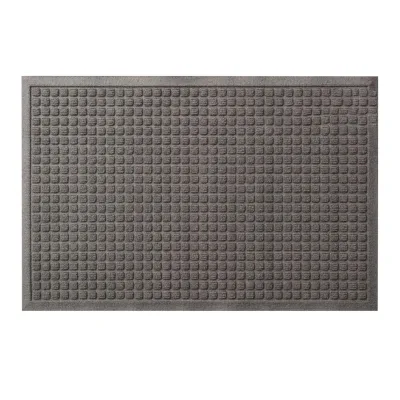
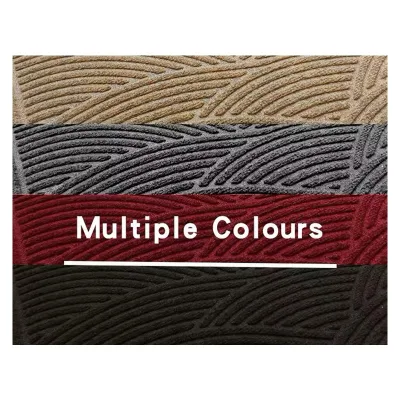
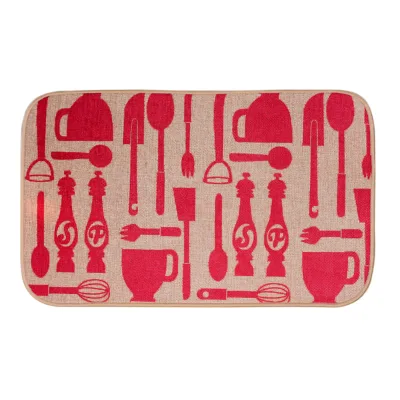
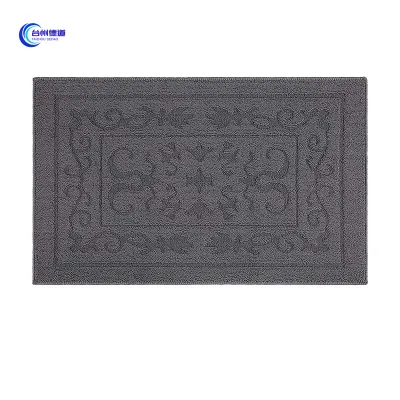
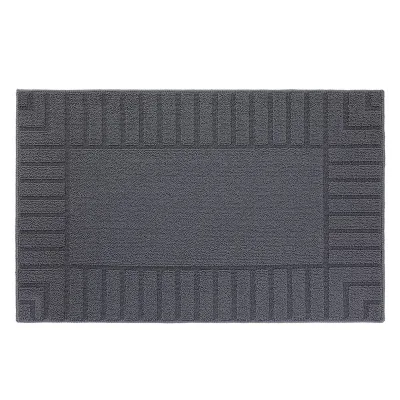
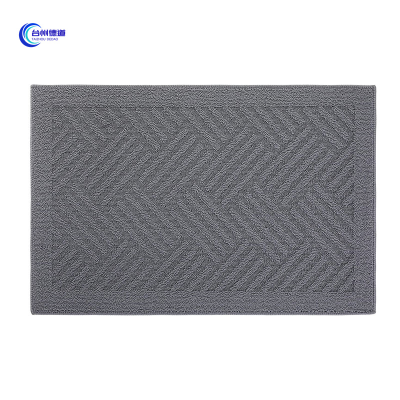
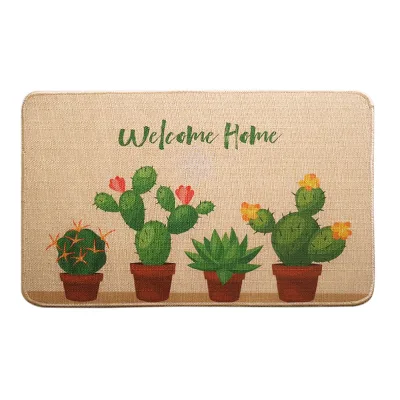
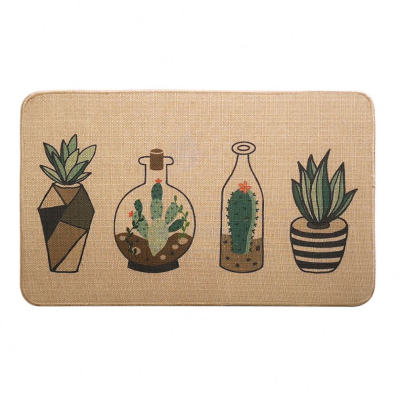


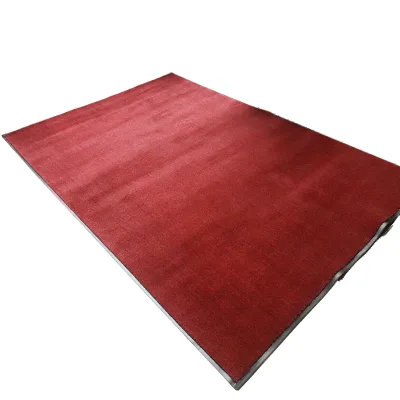
Customized Anti-Slip Modern Design Printing Polyester Surface Doormat
$2.32 - $3.98
MOQ: 1000 Square Meters

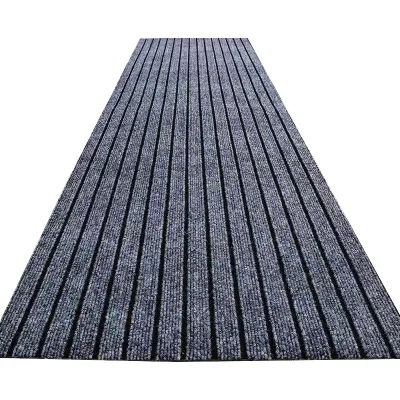
Waterproof and Durable Non-Woven Double Stripe Doormat with PVC Backing
$2.76 - $2.88
MOQ: 1000 Square Meters


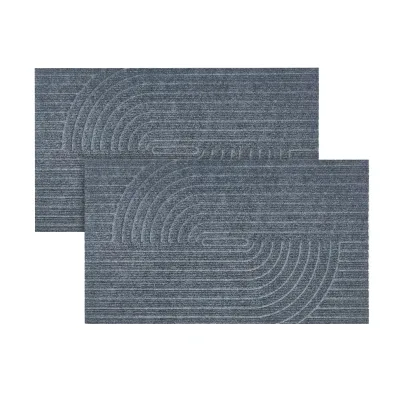
Environmental Friendly Water Proof Polyester Double Ribbed Door Mat
$2.89 - $3.98
MOQ: 1000 Square Meters


Comprehensive Sourcing Guide
Modern Woven Waterproof Doormat Sourcing Guide
Sourcing modern woven waterproof doormats requires balancing aesthetic versatility with functional durability, particularly for high-traffic commercial and residential entrances. Buyers must recognize that while many listings emphasize "waterproof" capabilities, the actual performance often depends on the specific backing material and weave density rather than the surface fiber alone. The observed market includes products labeled as rubber, Nappa fiber, or woven linen, each offering distinct advantages in terms of slip resistance and moisture management. Understanding these material distinctions is critical for selecting the right product for specific environments, such as hotel lobbies or home entryways, where both style and safety are paramount.
Procurement teams should also evaluate the customization options available, as many suppliers offer tailored solutions for branding and sizing. The data indicates that customization is widely available, allowing buyers to specify colors, logos, and dimensions to match interior design schemes. However, this flexibility often comes with minimum order quantities and longer lead times compared to stock items. Buyers need to weigh the benefits of branded, custom-sized mats against the cost and inventory risks associated with larger production runs. Clear communication of design requirements early in the sourcing process helps prevent misunderstandings and ensures the final product meets both aesthetic and functional expectations.
Product Scope and Observed Listing Signals
The current market for modern woven doormats features a diverse range of materials, including rubber, Nappa fiber combined with diatomaceous earth, and woven linen. These materials are often marketed with features such as stain resistance, machine washability, and anti-slip properties, which are essential for maintaining hygiene and safety in busy areas. Listings frequently highlight eco-friendly attributes and certifications like BSCI, Sedex, and RoHS, signaling a commitment to sustainable and safe manufacturing practices. Buyers should verify these claims through direct supplier inquiry, as the presence of a certification label does not guarantee compliance for every SKU in a supplier’s catalog.
Visual and structural attributes also play a significant role in product selection, with options ranging from solid colors to printed patterns and minimalist designs. The observed listings include various thicknesses, from thin rubber mats to thicker woven options, and different pile weights that affect comfort and durability. Some products are described as having a "luxury" feel, often achieved through high-density weaving or premium backing materials. Buyers must carefully review product specifications to ensure the selected mat aligns with their specific usage requirements, whether for indoor decoration, outdoor entrance protection, or commercial corridor use.
Technical Specifications to Verify
When evaluating technical specifications, buyers should prioritize the backing material and thickness, as these factors directly influence the mat’s stability and longevity. Common backing options include rubber, which provides excellent anti-slip performance, and specialized layers that enhance water absorption or durability. The observed data shows thicknesses ranging from thin profiles suitable for tight door thresholds to thicker, cushioned options for added comfort. It is crucial to confirm the exact backing composition, as some products may use multiple layers to achieve both waterproofing and slip resistance. Verifying these details helps prevent issues such as mat displacement or premature wear in high-traffic areas.
Weave type and pile weight are also critical technical parameters that affect the mat’s appearance and maintenance requirements. Options include loop pile, woven, and machine-made constructions, each offering different textures and durability levels. Pile weights can vary significantly, with some products offering options from 430g/sqm to 600g/sqm, impacting the mat’s ability to trap dirt and withstand foot traffic. Buyers should request sample swatches to assess the weave density and feel, ensuring the product meets their aesthetic and functional standards. Additionally, confirming the standard dimensions, such as 500x800mm or custom sizes, ensures the mat fits the intended installation space without modification.
Compliance and Safety Documentation
Compliance with international safety and environmental standards is a key consideration for global procurement, particularly for products used in hotels and commercial spaces. Many suppliers list certifications such as BSCI, Sedex, Reach, Ca65, PAHs, RoHS, and ISO9001, which indicate adherence to specific regulatory requirements. Buyers must verify that these certifications are current and applicable to the specific products being ordered, as certification status can vary by production batch or facility. Requesting valid certificates and test reports from accredited laboratories helps ensure that the mats do not contain harmful substances and meet local safety regulations.
In addition to chemical safety, buyers should also consider the environmental impact of the materials used. Some products are marketed as eco-friendly or PET friendly, suggesting the use of recycled or sustainable materials. While these claims are appealing, they should be substantiated with supporting documentation, such as material safety data sheets or sustainability reports. Understanding the full compliance landscape helps mitigate legal and reputational risks, ensuring that the sourced products align with corporate social responsibility goals and customer expectations. Clear documentation of compliance status is also essential for customs clearance and market entry in regulated regions.
Cost Drivers and Commercial Terms
Several factors influence the final cost of modern woven doormats, including material selection, customization complexity, and order volume. Rubber and specialized fiber blends tend to be more expensive than standard woven options due to their enhanced performance characteristics. Customization, such as adding logos or specific colors, often incurs additional setup fees and may increase the minimum order quantity. Buyers should request detailed quotations that break down costs for materials, labor, and customization to understand the true price drivers. Comparing quotes from multiple suppliers helps identify competitive pricing and potential areas for cost savings without compromising quality.
Commercial terms, including lead times and payment conditions, also play a significant role in procurement planning. Typical lead times can range from 20 to 25 days after deposit, depending on the order size and customization requirements. Buyers should negotiate clear delivery schedules and penalty clauses for delays to manage inventory risks. Payment terms often involve a deposit followed by balance payment before shipment, but flexible arrangements may be available for long-term partners. Understanding these commercial dynamics helps buyers budget accurately and maintain smooth supply chain operations, ensuring timely delivery for project deadlines or seasonal demand.
Supplier Qualification and Quality Control
Supplier qualification is a critical step in ensuring the reliability and consistency of modern woven doormat orders. Buyers should conduct thorough due diligence, including verifying business licenses, production capacity, and quality management systems. Suppliers with ISO9001 certification and relevant social compliance audits, such as BSCI or Sedex, are generally more reliable in terms of ethical manufacturing and consistent quality. Requesting references from existing clients and reviewing past performance data can provide additional insights into the supplier’s capabilities and reliability. Building a relationship with a qualified supplier reduces the risk of defects and delivery issues.
Quality control measures should be established before production begins to ensure the final product meets specified standards. Buyers should define clear quality criteria, including acceptable tolerances for dimensions, color matching, and material composition. Implementing pre-production samples and in-line inspections helps identify and correct issues early in the manufacturing process. Final random inspections before shipment are essential to verify that the goods conform to the agreed specifications. Establishing a robust quality control protocol ensures that the sourced mats meet performance expectations and reduces the likelihood of returns or complaints from end-users.
Long-Term Procurement Checks
Long-term procurement success depends on continuous monitoring of supplier performance and market trends. Buyers should regularly review supplier metrics, such as on-time delivery rates, defect rates, and responsiveness to issues. Establishing key performance indicators (KPIs) helps track supplier reliability and identify areas for improvement. Regular communication and feedback loops foster a collaborative relationship, encouraging suppliers to maintain high standards and innovate. Periodic audits, whether on-site or virtual, can verify ongoing compliance with quality and ethical standards, ensuring sustained partnership value.
Market dynamics and material costs can fluctuate, impacting the availability and pricing of doormats over time. Buyers should stay informed about industry trends, such as new sustainable materials or design innovations, to remain competitive. Diversifying the supplier base can mitigate risks associated with single-source dependencies, ensuring continuity of supply. Regularly reviewing and updating procurement strategies helps adapt to changing business needs and market conditions. By maintaining a proactive approach to supplier management and market analysis, buyers can secure high-quality, cost-effective solutions for their modern woven doormat requirements.
FAQs
What sizes are available for the Modern Woven Waterproof Doormat?
The standard size is 500*800mm (19.69*31.50inch), and customized sizes are available on request. Thickness is typically 5mm, with backing thickness options from 1mm to 1.4mm depending on your needs. If your project requires a different dimension, confirm it during customization since minimum order quantities vary by specification.
Can I customize the color, pattern, and brand of the doormat?
Yes, customization is available. Colors can be customized beyond the listed brown, patterns include printed and solid color options, and the brand can be customized for private label needs. You can also choose packaging such as OPP bag, EVA bag, box, or carton, so discuss your branding and packing requirements with the supplier before ordering.
Which materials are used in this woven doormat?
Surface materials include nappa fiber combined with diatom, as well as woven linen, with a rubber base providing anti-slip performance. The woven construction uses loop pile technics and machine-made production. Pile weights range from 430g/sqm to 600g/sqm, and total weights from 2.3kg/sqm to 2.9kg/sqm, so select based on your durability needs.
How should I clean and maintain the waterproof doormat?
The doormat is stain resistant, machine washable, and suitable for hand wash, making routine upkeep simple. For daily care, shake out or vacuum loose dirt, then machine wash when deeper cleaning is needed. Avoid harsh chemicals that could affect the rubber backing, and let it dry fully before placing it back on the floor.
Which certifications do the listed doormat products carry?
Listed certificates include BSCI, Sedex, Reach, CA65, PAHs, RoHS, ISO9001, and PFAS-related documentation. These cover social compliance, chemical safety, and quality management. Always request current, product-specific certificate copies from the supplier before ordering, because certification coverage can differ between individual models and production batches.
Where is the doormat produced and what are typical delivery terms?
Products originate from China, with Shandong listed as a place of origin and Qingdao and Ningbo as ports. Normal delivery is loading within 20 to 25 days after the deposit is received. Actual lead time depends on order size, customization level, and production scheduling, so confirm the schedule in writing before confirming your order.