Source Modular 40ft Prefab Home for Villas, Warehouses, and Dorms
Explore 30 options for a Modular 40ft Prefab Home suitable for villas, warehouses, and dormitories. Compare steel structure and sandwich panel models with ISO and CE certifications. Features include fast installation, earthquake resistance, and customizable layouts for temporary offices or permanent housing.
Key considerations
Products List




Comprehensive Sourcing Guide
Modular 40ft Prefab Home Sourcing Guide
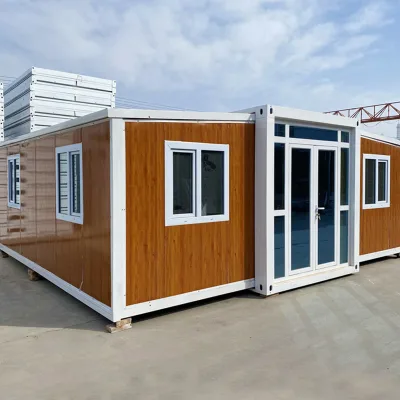
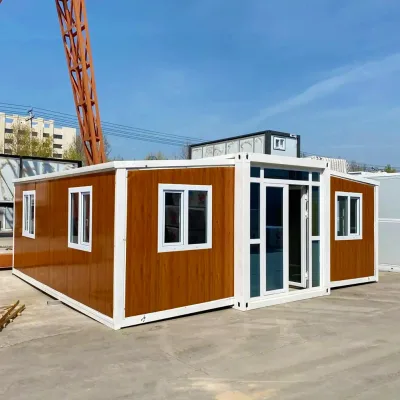
Procuring a Modular 40ft Prefab Home requires a strategic approach that balances structural integrity with rapid deployment capabilities. Buyers must recognize that these units are often engineered as prefabricated modular houses designed for versatile applications, ranging from temporary offices and dormitories to permanent villas and warehouses. The core value proposition lies in the ability to assemble complex living or working spaces quickly, leveraging standardized components that reduce on-site construction time. Understanding the specific configuration, such as whether the unit is a single-story container or part of a two-story stack, is essential for accurate logistical planning and site preparation.
The sourcing landscape for these structures is diverse, with manufacturers offering various customization options to meet distinct architectural and functional needs. Observations indicate that materials typically include steel structures and sandwich panels, providing a balance of durability and thermal efficiency. Buyers should evaluate the specific model numbers, such as hk105 or hk191, to understand the intended load-bearing capacity and spatial layout. Furthermore, the availability of customized colors and wood grain finishes allows for aesthetic integration into residential or commercial environments, ensuring that the final product aligns with the project’s visual and operational requirements.
Product Scope and Observed Listing Signals
The product scope for modular 40ft prefab homes encompasses a wide array of configurations, including expandable houses and standard container units. Listings frequently highlight features such as wind resistance, waterproofing, and earthquake resistance, which are critical for safety in diverse geographic locations. The observed data suggests that these units are often marketed with fast installation advantages, making them suitable for urgent housing needs or temporary office setups. Buyers should note that while some models offer a twelve-month warranty, others may not, indicating a significant variance in manufacturer confidence and after-sales support structures.
Observed listing signals reveal that packaging methods vary significantly, ranging from plywood packing to bare bones or film packages, which directly impacts shipping costs and on-site assembly complexity. The standard packing configurations often involve multiple units per 40ft HQ container, optimizing logistics efficiency. Additionally, the presence of specific size specifications, such as 632059002480mm, provides precise dimensional data for site planning. Buyers must carefully review these physical attributes to ensure compatibility with existing infrastructure, particularly when integrating units into larger complexes like hotels or apartment buildings.
Technical Specifications to Verify
Technical verification begins with confirming the structural material composition, which is predominantly steel structure combined with sandwich panels for insulation. Buyers should verify the exact thickness and density of these materials to ensure adequate thermal insulation and moisture proofing. The standard dimensions for many units are approximately 3x6x2.8 meters, but variations exist, such as the 20ft, 30ft, and 40ft options. It is crucial to confirm the load-bearing capacity, especially if planning to stack units for two-story configurations, as this affects the foundation requirements and overall stability of the structure.
Window and door specifications are another critical technical aspect, with aluminum windows being a common feature that enhances natural lighting and ventilation. Buyers must verify the quality of these fixtures to ensure they meet local climate demands, particularly regarding wind resistance and leak-proofing. The layout options, which can range from one to four bedrooms, allow for flexible interior design but require careful planning to ensure proper utility connections. Additionally, the fast installation feature relies on precise pre-drilling and modular connectivity, so verifying the accuracy of these pre-fabricated elements is essential for seamless assembly.
Compliance and Safety Documentation
Compliance with international standards is a primary concern for buyers of modular homes, with ISO and CE certifications frequently cited as key indicators of quality. These certifications suggest that the manufacturing processes and final products adhere to specific safety and environmental guidelines. Buyers should request valid certification documents to verify that the supplier’s quality management systems are up to date. The presence of these certifications often correlates with better structural integrity and material safety, providing a baseline assurance for the end-user’s safety and regulatory compliance in their respective markets.
Beyond certifications, buyers must verify specific safety features such as earthquake resistance and fire safety measures, which are often highlighted in product descriptions. The ability of the structure to withstand seismic activity is crucial for regions prone to earthquakes, requiring detailed engineering documentation. Additionally, the moisture-proof and leak-proof attributes must be validated through material test reports or third-party inspections. Ensuring that the supplier provides comprehensive safety documentation helps mitigate risks associated with structural failures and ensures that the prefab home meets local building codes and regulations.
Cost Drivers and Commercial Terms
Cost drivers for modular 40ft prefab homes include the choice of materials, customization levels, and packaging methods. Steel structures and high-quality sandwich panels typically increase the base price but offer superior durability and insulation. Customization options, such as specific colors or interior layouts, add to the complexity and cost of production. Buyers should also consider the impact of packaging on total landed cost, as plywood packing may be more expensive than bare bones options but offers better protection during transit. Understanding these variables allows for more accurate budgeting and cost comparison across different suppliers.
Commercial terms, including lead times and warranty periods, significantly influence the overall procurement strategy. Observed lead times of 10-15 days suggest a relatively quick turnaround, but this can vary based on order volume and customization requirements. Warranty terms, which range from twelve months to none, reflect the manufacturer’s confidence in their product and affect long-term maintenance costs. Buyers should negotiate clear terms regarding delivery schedules, payment conditions, and after-sales support to ensure a smooth procurement process. Transparent commercial terms help avoid hidden costs and ensure that the project stays within budget.
Supplier Qualification and Quality Control
Supplier qualification involves assessing the manufacturer’s production capabilities, quality control processes, and track record. Buyers should verify the supplier’s ability to produce consistent quality across large orders, particularly when dealing with complex modular configurations. The presence of certifications like ISO and CE is a positive indicator, but direct audits or third-party inspections can provide deeper insights into manufacturing standards. Evaluating the supplier’s experience in exporting to the buyer’s region ensures that they understand local regulatory requirements and logistical challenges.
Quality control measures should be established before production begins, including pre-production samples and in-process inspections. Buyers should define clear acceptance criteria for structural integrity, material quality, and finish aesthetics. The use of safe packaging and film packages indicates a supplier’s attention to detail in protecting the product during transit. Establishing a robust quality control protocol helps identify and rectify issues early, reducing the risk of costly rework or delays upon delivery. Regular communication with the supplier during production ensures that any deviations from specifications are addressed promptly.
Long-Term Procurement Checks
Long-term procurement checks focus on the durability and maintainability of the modular homes over their lifecycle. Buyers should assess the warranty coverage and the supplier’s responsiveness to post-installation issues. A twelve-month warranty is a common offering, but buyers should inquire about extended warranty options or maintenance contracts. The ease of moving and reconfiguring the units is a key long-term benefit, allowing for flexibility in space utilization. Ensuring that the supplier provides detailed maintenance guidelines helps extend the lifespan of the structure and preserves its value.
Additionally, buyers should monitor the supplier’s ability to provide spare parts and technical support over time. The modular nature of these homes means that individual components may need replacement or upgrading in the future. A reliable supplier should have a steady supply of compatible parts and the technical expertise to assist with repairs. Evaluating the supplier’s commitment to continuous improvement and product updates ensures that the buyer remains competitive and that the structures meet evolving safety and efficiency standards. Regular reviews of supplier performance help maintain a strong partnership and secure long-term value.
FAQs
What certifications do these modular homes have?
These modular homes carry ISO and CE certifications to ensure quality and safety standards. The products are manufactured in China and meet international requirements for steel structure and sandwich panel construction used in various applications like warehouses and villas.
How long is the delivery time for these units?
The standard delivery time for these units is typically between 10 to 15 days after order confirmation. This fast installation capability allows for quick deployment in temporary offices, dormitories, or permanent residential settings depending on the specific model selected.
Can I customize the color and layout of the home?
Yes, customization is available for both color and layout configurations. Buyers can choose customized colors and layouts ranging from one to four bedrooms, ensuring the modular house fits specific needs for hotels, apartments, or private homes effectively.
What is the minimum order quantity for these homes?
The minimum order quantity ranges from one unit up to five hundred units depending on the specific product model and configuration. Flexible packaging options like plywood or film packages are available to ensure safe transport of the steel structure units.
Which features make these homes suitable for camping rooms?
These homes feature wind resistance, waterproofing, thermal insulation, and earthquake resistance making them ideal for camping rooms. They are also easily movable and moisture proof, providing a safe and comfortable living environment in various outdoor or temporary settings.
What warranty is provided for the modular house structure?
Some models come with a 12-month warranty while others may have no warranty depending on the specific product type. Buyers should verify the warranty terms for each model, such as the hk105 or SFKK series, before finalizing their purchase decision.