Source Moisture Proof DTF Transfer Film for Clothing, Textiles, Cosmetics
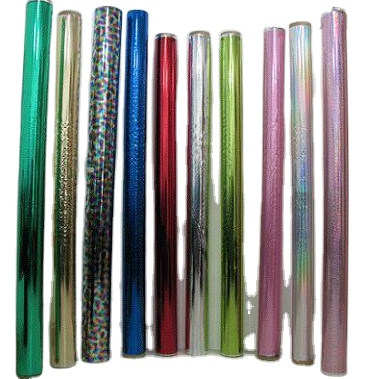
Compare 30 listings of Moisture Proof DTF Transfer Film suitable for clothing, textiles, and cosmetic packaging. Buyers can evaluate specifications like release force, transfer temperature, and film thickness to find the right supplier for their printing needs.
Key considerations
Products List

$3320.00 - $4150.00
MOQ: 1 Pieces



Comprehensive Sourcing Guide
Strategic Sourcing Guide for Moisture-Proof DTF Transfer Film
The global demand for Direct-to-Film (DTF) transfer technology has surged, driven by the need for versatile, high-quality textile printing solutions. Among the various materials available, moisture-proof DTF transfer film has emerged as a critical component for buyers seeking reliability in humid environments or for products requiring long-term storage stability. Sourcing this specific material requires a disciplined approach that balances technical specifications with supply chain realities. This guide provides a comprehensive framework for procurement professionals to evaluate suppliers, verify product attributes, and mitigate risks associated with moisture-sensitive printing media.
Understanding Technical Specifications and Material Composition
The foundation of a successful DTF procurement strategy lies in a precise understanding of the film's physical and chemical properties. The core material for high-performance DTF films is typically Polyethylene Terephthalate (PET). In the observed market data, PET is explicitly cited as the primary material for DTF film products, distinguishing it from other substrates like PU (Polyurethane) which may be used for different transfer applications. The thickness of the film is a critical parameter; standard specifications often range between 80 and 100 micrometers (um). This thickness ensures sufficient rigidity for the printing process while maintaining flexibility for application on various textiles.
Moisture resistance is not merely a marketing claim but a functional requirement defined by the film's barrier properties. Buyers must verify the film's ability to maintain adhesion and ink integrity when exposed to humidity. While specific moisture absorption rates are not universally standardized in the provided data, the presence of "moisture-proof" as a descriptor implies a specialized coating or treatment. The release force of the film is another vital technical metric. The market data indicates variations between "Light" and "Heavy" release forces. For moisture-proof applications, the release force must be calibrated to ensure the ink layer separates cleanly from the film even after exposure to environmental moisture. A mismatch in release force can lead to film tearing or incomplete transfer, resulting in significant production waste.
Furthermore, the dimensions of the film roll are essential for production planning. Observed specifications include standard widths such as 30cm, 45cm, 60cm, and 80cm, with lengths extending up to 100 meters. The standard size of 60cm by 100 meters appears frequently, suggesting it is a common industry benchmark. However, custom dimensions are also available, as indicated by the "Customized" attribute. Procurement teams should align their order specifications with the dimensions of their specific printers, such as those with A3 or A4 print beds, to minimize material waste.
Compliance, Certification, and Safety Standards
In the B2B procurement landscape, compliance is non-negotiable. When sourcing DTF transfer films, buyers must rigorously verify that products meet international safety and environmental standards. The provided data highlights several key certifications, including CE, RoHS, and FCC. The CE mark indicates conformity with health, safety, and environmental protection standards for products sold within the European Economic Area. RoHS (Restriction of Hazardous Substances) compliance is particularly relevant for ensuring that the film and associated inks do not contain restricted hazardous materials, which is crucial for exporting to markets with strict environmental regulations.
While the data mentions OEKO-TEX as a background standard, it is noted as low-confidence background information. Therefore, buyers should not assume OEKO-TEX certification is automatically included unless explicitly confirmed by the supplier. Instead, procurement teams should request specific test reports or certificates of compliance for OEKO-TEX Standard 100, which verifies that the textile printing materials are free from harmful substances. This is especially important for applications involving clothing and textiles that come into direct contact with human skin.
Additionally, the product origin plays a role in regulatory compliance. Many suppliers in the observed data list their origin as Shenzhen or China. While this is a major manufacturing hub, buyers must ensure that the specific batch of film complies with the import regulations of their target market. The "Wooden Box" or "Carton Box" packing methods observed in the data also require verification to ensure they meet international phytosanitary standards if the packaging involves raw wood.
Cost Drivers and Pricing Structures
The pricing of moisture-proof DTF transfer film is influenced by several dynamic factors. The observed price range in the market spans from $0.20 to $7,605.00. This vast disparity indicates that the market includes everything from small sample rolls to industrial-grade bulk orders or complete printer systems. For a buyer specifically seeking the film material, the unit price is likely at the lower end of this spectrum, but it can vary significantly based on volume and customization.
The Minimum Order Quantity (MOQ) is a primary cost driver. The observed MOQ range is between 1 and 500 units. A lower MOQ of 1 allows for sample testing and small-batch production, which is ideal for startups or those validating new suppliers. However, higher MOQs, such as 500 units, typically correlate with lower per-unit costs due to economies of scale. Buyers must balance their inventory holding costs against the potential savings from bulk purchasing.
Customization is another significant factor affecting cost. The data confirms that customization is available, including custom sizes and potentially custom release forces. Custom orders often incur higher setup costs and may have longer lead times, which can impact the total cost of ownership. Additionally, the packaging method, whether a "Wooden Box" or "Carton Box," can influence shipping costs. Wooden boxes offer superior protection for moisture-sensitive films but are heavier and more expensive to ship compared to cartons.
Typical Applications and Performance Requirements
DTF transfer films are primarily designed for the textile and apparel industry, as indicated by the "Application" attribute listing "Clothing" and "Textiles." However, the versatility of the technology extends to other sectors. The data also notes applications in "Cosmetic Box" and "Beverage" packaging, suggesting that the film can be used for decorative labeling on rigid surfaces as well. The "Transfer Temperature" range of 110-180 degrees Celsius and the "Transfer Time" of 8-12 seconds are critical parameters for these diverse applications.
For moisture-proof films, the primary application advantage is the ability to maintain print quality in humid conditions. This is particularly beneficial for industries where products are stored in warehouses with fluctuating humidity or for garments that will be washed frequently. The "Without Heating and Powder Shaking" advantage mentioned in the data suggests a specific type of DTF process that simplifies production, reducing the need for additional equipment and labor. This efficiency is a key selling point for buyers looking to streamline their manufacturing workflows.
The "Heavy" and "Light" release force options allow for tailored solutions. Heavy release forces are often preferred for high-volume, industrial applications where rapid separation is necessary to maintain throughput. Light release forces might be better suited for delicate fabrics or intricate designs where a gentler separation is required to prevent damage to the print.
Supplier Evaluation and Verification Protocols
Selecting the right supplier requires a multi-faceted evaluation process. Buyers should prioritize suppliers who provide transparent technical data sheets and are willing to provide samples for testing. The availability of "Free Sample" is a positive indicator of supplier confidence in their product quality. When evaluating suppliers, buyers should verify the consistency of their production standards. The data mentions a specific model "3360 UV-DTF" and "mks-214," which suggests that suppliers may have distinct product lines. Buyers must ensure that the specific model they are sourcing matches their technical requirements.
Geographic location is another factor to consider. With origins listed as Shenzhen and China, buyers should be aware of potential logistics challenges, including shipping times and customs duties. The "Wood Box" packing observed for some products indicates a focus on robust protection, which is essential for preventing moisture damage during transit. However, buyers should also consider the environmental impact of wooden packaging and whether alternative eco-friendly options are available.
Supplier reliability can be assessed by checking their certification status. The presence of CE, RoHS, and FCC certifications in the data suggests a baseline level of compliance. However, buyers should not rely solely on these labels; they must request current, valid certificates for the specific batch of film being purchased. Additionally, the "Condition: New" attribute confirms that the products are not refurbished or used, which is standard for raw materials but worth verifying.
Quality Control and Long-Term Procurement Strategies
Implementing a robust quality control (QC) protocol is essential for maintaining the integrity of moisture-proof DTF films. Buyers should establish clear acceptance criteria based on the technical specifications provided, such as film thickness (80-100um), width (30cm, 45cm, 60cm), and length (100m). Regular sampling and testing for moisture resistance should be part of the QC process. This involves exposing the film to controlled humidity levels and verifying that the ink adhesion and release properties remain consistent.
Long-term procurement strategies should focus on building strong relationships with suppliers who demonstrate consistency and reliability. The "Customized" attribute suggests that suppliers are capable of adapting to specific buyer needs, which can be a valuable asset for long-term partnerships. Buyers should also consider the scalability of their supply chain. As production volumes increase, the ability to secure consistent supply without compromising quality becomes paramount.
The "Advantage: Without Heating and Powder Shaking" feature highlights a trend towards more efficient production methods. Buyers should evaluate whether their current infrastructure supports these advanced techniques or if they need to invest in new equipment. Furthermore, the "Software: Riprint" attribute indicates that the printing process may require specific software integration. Buyers should ensure that their IT systems are compatible with the supplier's recommended software to avoid production bottlenecks.
Final Considerations for Procurement Success
In conclusion, sourcing moisture-proof DTF transfer film requires a meticulous approach that integrates technical verification, compliance checks, and strategic supplier management. The market offers a wide range of options, from standard PET films to customized solutions with specific release forces and dimensions. By focusing on the core attributes of material composition, thickness, and moisture resistance, buyers can ensure they select products that meet their operational needs.
The observed data provides a solid foundation for understanding the market landscape, including the prevalence of PET material, the range of certifications, and the variety of packaging options. However, buyers must remain vigilant in verifying these attributes through direct communication with suppliers and rigorous testing. The cost drivers, including MOQ and customization, must be carefully managed to optimize the total cost of ownership.
Ultimately, the success of a DTF printing operation depends on the reliability of the transfer film. By adhering to the guidelines outlined in this guide, procurement professionals can navigate the complexities of the market, mitigate risks, and secure a supply chain that supports high-quality, moisture-resistant printing solutions. The journey from sourcing to production is a continuous process of evaluation and improvement, and a disciplined approach is the key to achieving long-term success in this dynamic industry.
FAQs
What material is used for Moisture Proof DTF Transfer Film?
The core material is typically Polyethylene Terephthalate (PET), which provides necessary rigidity and flexibility. Standard thickness ranges between 80 and 100 micrometers to ensure ink integrity during the transfer process on various textiles.
Which certifications should buyers verify for DTF film safety?
Buyers must verify CE, RoHS, and FCC certifications to ensure compliance with international safety standards. While OEKO-TEX is a relevant standard, it is not guaranteed in all listings and requires specific confirmation from the supplier.
How does release force affect the transfer process on textiles?
Release force determines how cleanly the ink layer separates from the film during application. Options include light or heavy release forces, which must be calibrated to prevent tearing or incomplete transfer depending on the specific fabric type.
Can buyers order custom dimensions for DTF transfer film rolls?
Yes, customization is available for film dimensions to match specific printer beds and reduce material waste. Common standard widths include 30cm, 45cm, and 60cm, with lengths extending up to 100 meters for various production needs.
What is the typical transfer temperature and time for this film?
The transfer temperature typically ranges from 110 to 180 degrees Celsius with a transfer time of 8 to 12 seconds. Some advanced processes may not require heating or powder shaking, simplifying the production workflow for manufacturers.
How does packaging protect moisture sensitive DTF film during shipping?
Products are often packed in wooden boxes or carton boxes to ensure robust protection against moisture damage. Wooden boxes offer superior shielding for sensitive films, though buyers should verify phytosanitary standards for international shipments.