Source Moisture Proof Flower Paper for Gift Wrapping, Shoe Packaging, and Crafts
Find 30 verified options for Moisture Proof Flower Paper suitable for gift wrapping, shoe packaging, and craft projects. Buyers can compare specifications like material, size, and customization features from suppliers in Zhejiang, China.
Key considerations
Products List


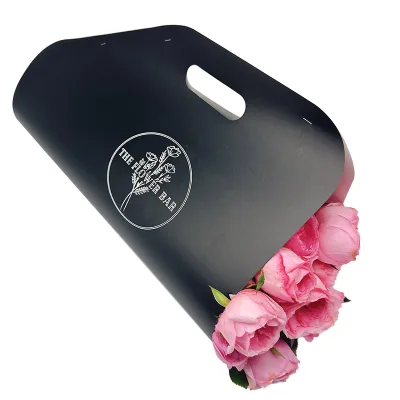
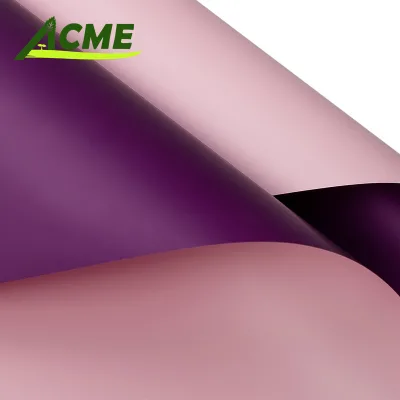
Comprehensive Sourcing Guide
Strategic Sourcing Guide for Moisture Proof Flower Paper
Understanding Material Composition and Functional Attributes
When sourcing Moisture Proof Flower Paper, the primary objective is to identify materials that balance structural integrity with water resistance while maintaining the aesthetic flexibility required for floral arrangements. The supply market presents a diverse array of options, ranging from traditional paper-based substrates to advanced polymer films. A critical observation in the current market is the divergence in material composition. Some suppliers offer products based on PVC (Polyvinyl Chloride), utilizing a casting plastic molding method to achieve specific rigidity and opacity. These materials are often characterized by their rigid hardness and opaque transparency, which can be advantageous for creating structured, durable packaging that protects delicate blooms from humidity and physical compression.
Conversely, other segments of the market focus on tissue paper variants derived from wood pulp. These products often feature a weight range of 15g to 30g, with specific listings noting 17gsm as a common standard for lightweight applications. While tissue paper is traditionally associated with breathability, specific processing techniques and coatings can impart moisture-proof characteristics. It is essential to distinguish between uncoated varieties and those with specialized surface treatments. The market data indicates that some products are explicitly labeled as "uncoated," which may imply a reliance on the inherent density of the wood pulp or specific fiber treatments rather than a chemical barrier layer. Buyers must verify if the "moisture proof" claim relies on the material's density, a specific coating process, or a hybrid polymer structure.
The functional attributes of these materials vary significantly based on the intended use. For instance, shrink films made from PVC offer a tight, conforming fit that can shield flowers from external moisture, whereas rigid plastic sheets provide a more structural barrier. The choice between a one-layer construction and multi-layer options is also a key decision point. Single-layer products are often lighter and more cost-effective for simple wrapping, while multi-layer structures might be necessary for high-humidity environments or long-distance shipping. The market also offers a wide spectrum of colors, including pink, black, purple, and yellow, with customization options available for specific branding needs. This variety allows procurement teams to align the material's visual properties with the brand identity of the floral product without compromising the protective function.
Technical Specifications and Dimensional Standards
Technical specifications form the backbone of any successful procurement strategy for Moisture Proof Flower Paper. Dimensions, thickness, and weight are the primary metrics that determine the suitability of a product for specific floral applications. The market exhibits a wide range of standard sizes, with common widths observed at 50cm and 58cm. Length specifications are equally diverse, ranging from specific measurements like 5858cm to larger formats such as 5070cm. For custom applications, suppliers often provide options for lengths like 0x15", 15"x20", and 20"x30", alongside fully customizable dimensions. This flexibility is crucial for accommodating different flower types, from small bouquets to large, sprawling arrangements.
Thickness is another critical specification that directly impacts the material's protective capabilities. In the plastic film segment, thickness is often measured in microns, with 60mic being a notable standard for heavier-duty applications. For paper-based products, the weight is typically expressed in grams per square meter (GSM), with 17gsm being a frequently cited figure. However, the market also includes lighter options at 15g and heavier variants up to 30g. The relationship between weight and moisture resistance is not linear; a heavier paper does not automatically equate to better moisture protection if the fiber density or coating is insufficient. Therefore, buyers should request detailed technical data sheets that correlate weight, thickness, and specific moisture resistance test results.
The processing methods employed by manufacturers also influence the final product's performance. Blow molding is a common technique for creating plastic films, resulting in a material with specific tensile strength and flexibility. In contrast, casting plastic methods are used for PVC products, which may offer different optical and mechanical properties. The surface finish is another variable; while some products are uncoated, others offer customized surfaces to enhance grip, printability, or water repellency. Understanding these processing nuances is vital for predicting how the material will behave in real-world conditions, such as during the hydration phase of flower arrangement or during transit in humid climates.
Compliance, Certification, and Regulatory Considerations
Navigating the compliance landscape for Moisture Proof Flower Paper requires a careful assessment of both environmental standards and product safety regulations. While the market data does not explicitly confirm FSC (Forest Stewardship Council) certification for all listed products, this remains a critical verification point for buyers prioritizing sustainability. For paper-based products derived from wood pulp, verifying the source of the raw material is essential to ensure that the supply chain adheres to responsible forestry practices. Buyers should explicitly request certification documentation from suppliers to confirm compliance with international environmental standards, rather than relying on general market claims.
In addition to environmental certifications, regulatory compliance regarding chemical safety is paramount, especially for products intended for direct contact with fresh flowers and subsequent consumer use. Materials such as PVC must be evaluated for the presence of harmful additives, such as phthalates or heavy metals, which could leach into the water used for flower hydration or transfer to the blooms. Although specific test results are not provided in the general market overview, buyers must insist on compliance with relevant regional standards, such as REACH in Europe or CPSIA in the United States, depending on the target market. The "Communicable" standard mentioned in some product listings is unusual for packaging materials and warrants further clarification; it may refer to a specific internal classification or a misinterpretation of a different standard. Buyers should seek clarification on what this standard entails and how it impacts the product's safety profile.
Furthermore, the customization of logos and colors introduces additional compliance considerations. Custom inks and dyes used for branding must be non-toxic and safe for the intended application. Suppliers should provide Material Safety Data Sheets (MSDS) for any customized color options to ensure that the pigments do not contain hazardous substances. For products marketed as "moisture proof," the chemical composition of the coating or the polymer matrix must be transparent. Buyers should verify that the moisture-proofing agents used are approved for food-contact or plant-contact applications, depending on the specific use case. This due diligence ensures that the packaging not only protects the product but also meets the regulatory requirements of the destination market.
Cost Drivers and Pricing Dynamics
The pricing of Moisture Proof Flower Paper is influenced by a complex interplay of material costs, production complexity, and order volume. The observed price range in the market spans from $0.01 to $2,500, reflecting the vast diversity in product types, from small samples to bulk industrial orders. This wide range underscores the importance of understanding the cost drivers specific to each product category. For paper-based products, the cost is heavily tied to the price of wood pulp and the efficiency of the manufacturing process. Thicker, heavier papers (e.g., 30g) generally command higher prices than lighter variants (e.g., 15g), but the moisture-proofing treatment can significantly alter the cost structure.
In the plastic film segment, the cost is driven by the price of raw polymers like PVC or PP, as well as the energy-intensive nature of molding processes such as blow molding or casting. Customization is a major cost driver; products with custom logos, specific colors, or unique dimensions often incur additional setup fees and higher per-unit costs. The market data indicates that samples are often available for free, but freight charges are collected, which can impact the initial cost of evaluation. For bulk orders, the Minimum Order Quantity (MOQ) plays a significant role in pricing. While some suppliers offer low MOQs starting at 1 unit, others require substantial volumes, such as 50,000 pieces, to achieve competitive pricing.
Lead times also influence the overall cost of procurement. Standard products with a delivery time of approximately 20 days after deposit may offer more stable pricing compared to rush orders or highly customized items that require extended production times. The packaging method, such as the standard 38 pieces per bag and 100 bags per carton, affects logistics costs and must be factored into the total landed cost. Buyers should negotiate based on the total cost of ownership, including shipping, handling, and potential waste from damaged goods, rather than focusing solely on the unit price. Understanding these dynamics allows procurement teams to make informed decisions that balance budget constraints with quality requirements.
Supplier Evaluation and Quality Assurance Protocols
Evaluating suppliers for Moisture Proof Flower Paper requires a rigorous assessment of their manufacturing capabilities, quality control systems, and track record. The origin of the products, primarily Zhejiang, China, indicates a concentration of manufacturing expertise in this region, but it also necessitates a thorough vetting process to ensure consistency and reliability. Buyers should verify the supplier's production capacity and their ability to meet specific customization requests, such as unique sizes or specialized coatings. The availability of free stock samples is a positive indicator, allowing buyers to physically test the material's moisture resistance, rigidity, and aesthetic qualities before committing to a large order.
Quality assurance protocols are critical for maintaining product integrity. Buyers should inquire about the supplier's internal testing procedures for moisture resistance, tensile strength, and colorfastness. While specific test results are not universally available, a reputable supplier should be able to provide a quality control plan that outlines how they monitor production batches. The "Hardness: Rigid" and "Transparency: Opaque" attributes observed in some products suggest that the supplier has control over the molding process, but buyers should confirm that these attributes are consistent across all batches. Additionally, the "Production Time" of 7-9 working days for certain items indicates a streamlined process, but buyers should verify if this timeline is achievable for customized orders.
Supplier communication and responsiveness are also key indicators of reliability. The ability to provide detailed specifications, such as the "Width: 50cm" or "Thickness: 60mic," demonstrates a level of transparency that is essential for successful procurement. Buyers should assess the supplier's willingness to accommodate changes in order volume or specifications, as flexibility is often required in the floral industry where demand can fluctuate. Establishing a clear line of communication regarding delivery timelines, such as the "About 20 days after getting deposit" standard, helps manage expectations and ensures timely receipt of goods.
Strategic Procurement and Long-Term Sourcing Considerations
Long-term procurement of Moisture Proof Flower Paper requires a strategic approach that goes beyond immediate cost savings. Buyers should focus on building relationships with suppliers who demonstrate a commitment to quality, innovation, and sustainability. The ability to customize products, such as accepting specific logos and colors, is a valuable asset that can enhance brand differentiation in the competitive floral market. However, this customization must be balanced with the need for consistency and reliability. Buyers should develop a clear specification sheet that outlines all critical requirements, including dimensions, material composition, and performance standards, to minimize the risk of misunderstandings.
Sustainability is an increasingly important factor in long-term sourcing strategies. As environmental regulations tighten and consumer awareness grows, the demand for eco-friendly packaging materials is likely to increase. Buyers should explore options for biodegradable or recyclable moisture-proof materials, even if they come at a premium. The availability of FSC-certified wood pulp, if verified, can be a significant competitive advantage. Additionally, optimizing packaging efficiency, such as the standard 38 pieces per bag and 100 bags per carton, can reduce waste and lower logistics costs over time.
Finally, buyers should consider the scalability of their supply chain. As the business grows, the ability to increase order volumes without compromising quality or lead times is essential. Establishing a diversified supplier base can mitigate the risk of supply disruptions, while maintaining strong relationships with key partners ensures priority treatment during peak seasons. By focusing on technical specifications, compliance, cost drivers, and supplier reliability, buyers can build a robust procurement strategy that supports the long-term success of their floral operations. The market offers a wide range of options, from rigid PVC films to lightweight tissue papers, and careful selection based on specific needs will yield the best results.
FAQs
What materials are used for Moisture Proof Flower Paper?
Materials include PVC, PP, and wood pulp tissue paper. PVC options offer rigid and opaque properties, while tissue paper variants range from 15g to 30g weight for lightweight applications.
Can I customize the size and color of the paper?
Yes, customization is available for size, color, and logo. Sizes include 50cm width or custom dimensions like 15x20 inches, with colors such as pink, black, and purple available for selection.
What is the minimum order quantity for these products?
Minimum order quantities vary significantly by product type. Some listings accept orders as low as one unit, while others require a minimum of 50,000 pieces for specific plastic film variants.
How long does delivery take after placing an order?
Standard delivery takes about 20 days after receiving the deposit. Some custom tissue paper items may have a production time of 7 to 9 working days depending on the specific requirements.
Are free samples available for testing moisture resistance?
Free stock samples are available, but freight charges are collected. Buyers can request samples to verify attributes like rigidity, opacity, and moisture proofing before committing to bulk orders.
What are the standard packaging dimensions for the paper?
Packaging typically consists of 38 pieces per bag and 100 bags per carton. Specific product dimensions may include 50x70cm or 58x58cm depending on the selected model and type.
Where are these moisture proof flower papers manufactured?
Products originate from Zhejiang, China, which is a major manufacturing hub. The location supports various processing methods including blow molding and casting plastic for different material types.