Source Moisture Proof Date Bunch Cover for Fruit Bag, Agriculture, Transport
Find 30 suppliers offering Moisture Proof Date Bunch Cover designed for fruit bagging, agricultural use, and transport protection. Compare specifications including size, material, and customization options to select the right solution for your needs.
Key considerations
Products List




Comprehensive Sourcing Guide
Strategic Sourcing Guide for Moisture Proof Date Bunch Covers
The global agricultural supply chain relies heavily on specialized protective gear to maintain fruit quality from the orchard to the processing facility. For buyers researching the core keyword "Moisture Proof Date Bunch Cover," the procurement landscape involves navigating a diverse array of polymeric solutions designed to shield delicate produce from environmental stressors. These covers, often constructed from high-density polyethylene (HDPE) or similar polymers, serve a critical function in preventing water ingress, pest intrusion, and physical damage during the growth and transport phases. This guide provides a structured approach to evaluating suppliers, verifying technical specifications, and establishing a robust procurement strategy for these essential agricultural tools.
Technical Specifications and Material Composition
Understanding the physical and chemical properties of date bunch covers is the first step in any sourcing initiative. The primary material identified in the market for these applications is High-Density Polyethylene (HDPE), though some listings also reference standard Polyethylene (PE). The choice of material dictates the bag's tensile strength, flexibility, and resistance to UV degradation. A critical technical attribute for moisture-proof covers is the micron rating. While specific micron values vary by manufacturer, the observed market data indicates a "Mix Micron" availability, suggesting that buyers must request specific gauge thicknesses to ensure adequate protection against heavy rainfall or irrigation water.
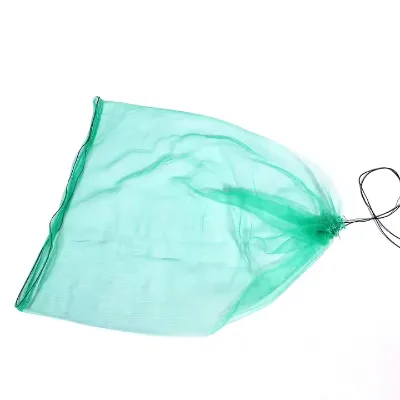
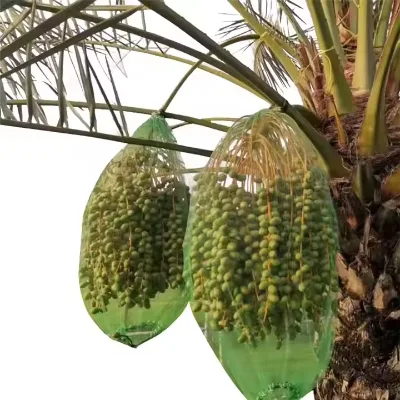
The structural design of these bags is equally vital. Most effective date bunch covers feature an "Open at Both Ends" design, allowing them to be slipped over the fruit bunch without cutting the stem. This design facilitates easy installation and removal. The shape is typically square or rectangular, with dimensions ranging from 70x90 cm to 80x100 cm, and some larger variants reaching 90x120 cm. The "High Breathability" of the mesh structure is a paradoxical but necessary feature; while the bag must be moisture-proof, it must also allow for air circulation to prevent mold and fungal growth within the bunch. The "Rain-Pellent" feature is a standard expectation, ensuring that water beads off the surface rather than soaking through.
Buyers should verify the "Eco-friendly Material" claims carefully. While some products are marketed as eco-friendly, the supplied data notes that the material is "Non-biodegradable." This distinction is crucial for sustainability reporting. The "Multi-use" recyclability attribute suggests that while the bags are not biodegradable, they are designed for repeated use in the field or can be recycled through specific industrial channels. The "High Temperature Fiber" capability indicates that these covers can withstand the extreme heat of outdoor orchards without melting or deforming, a key performance metric for tropical and subtropical growing regions.
Compliance, Certification, and Regulatory Checks
When sourcing agricultural packaging, compliance with international and local standards is non-negotiable. Although specific certification data for every product is not universally available in the general market listings, buyers must demand proof of compliance with food safety standards. The core keyword "Moisture Proof Date Bunch Cover" implies direct contact with food products; therefore, the material must be food-grade. Buyers should verify that the HDPE or PE material used does not leach harmful chemicals into the fruit, especially under high-temperature conditions.
The "High Standard" quality attribute observed in supplier listings is a qualitative claim that requires quantitative verification. Procurement teams should request test reports confirming that the material meets relevant food contact regulations, such as FDA standards in the United States or EU Framework Regulation (EC) No 1935/2004 in Europe. While a "CE" certification is mentioned in background data, it should not be assumed as a standard for all agricultural mesh bags without explicit verification from the supplier. Instead, buyers should focus on certifications related to agricultural safety and material purity.
Furthermore, the "Production Year Identifier" is a significant compliance feature. This attribute allows for batch tracking, which is essential for quality control and recall management. If a specific batch of bags fails to perform or causes contamination, the ability to trace the production date and batch number is invaluable. Buyers should ensure that the supplier's production process includes clear marking or labeling systems that align with these identifiers. The "Quality: High Standard" claim should be backed by ISO certifications or equivalent quality management system audits, ensuring that the manufacturing process is consistent and reliable.
Cost Drivers and Pricing Dynamics
The pricing of moisture-proof date bunch covers is influenced by several variable factors, primarily material costs, order volume, and customization requirements. The observed price range in the market spans from $0 to $888, a wide disparity that reflects the difference between single-unit samples and bulk industrial orders. The "MOQ" (Minimum Order Quantity) is a significant cost driver, with observed ranges extending from 1 unit to 200,000 units. Suppliers often offer tiered pricing structures where the unit cost decreases significantly as the order volume increases.
Customization is a major determinant of cost. The "Available for Mesh, Size & Color" customization option allows buyers to tailor the product to their specific branding or operational needs. However, custom printing, such as the "Customized Printing" feature noted in the data, often incurs additional setup fees and higher per-unit costs. The "Brand Name" attribute, such as "HUIHE," suggests that branded products may carry a premium compared to generic unbranded alternatives.
The "Loading Capacity" of the bags, observed at 10 kg, also impacts the material thickness and, consequently, the price. Bags designed to hold heavier loads require more material and higher-grade polymers, increasing the manufacturing cost. Additionally, the "Useage" lifespan, which ranges from 1 year to 3-5 years, affects the long-term cost of ownership. A bag with a 3-5 year lifespan may have a higher upfront cost but offers better value over time compared to a single-season bag. Buyers should calculate the total cost of ownership rather than focusing solely on the initial purchase price.
Typical Applications and Operational Use Cases
Moisture-proof date bunch covers are primarily designed for agricultural applications, specifically for the cultivation and protection of date palms. The "Application: Fruit Bag" designation highlights their primary use case, but the versatility of these products extends to other areas. The "Application: Transport, Sand Bag, Fruit Bag" listing indicates that these bags can serve dual purposes, such as protecting fruit during transport or acting as sandbags for erosion control in garden settings.
The "Usage: Agriculture; Garden; Outdoor" specification confirms that these bags are robust enough for outdoor environments. They are particularly useful in regions prone to heavy rainfall or high humidity, where moisture can lead to fruit rot or fungal infections. The "Feature: Rain-Pellent Mesh Bag" and "Usage: Rain and Pest Protection" attributes underscore their role in creating a physical barrier against insects and birds, which can cause significant crop loss.
In addition to fruit protection, the "Application: Garden Worker" suggests that these bags may be used in broader horticultural contexts, such as protecting other delicate plants or organizing garden supplies. The "Design: Open at Both Ends" makes them suitable for wrapping around various shapes and sizes of produce, not just date bunches. The "Style: Modern" and "Feature: Durable; Breathable; Easy to Assemble" attributes indicate that these products are designed for efficiency, allowing farm workers to install them quickly without specialized tools.
Supplier Evaluation and Selection Criteria
Selecting the right supplier is critical for ensuring consistent product quality and reliable delivery. Buyers should evaluate suppliers based on their "Production Year Identifier" capability, which demonstrates a commitment to traceability and quality control. The "Sample: Samples Available" attribute is a positive indicator, suggesting that the supplier is confident in their product quality and willing to provide samples for testing. Buyers should always request samples to verify the "High Breathability," "Moisture Proof" claims, and overall durability before committing to a large order.
The "Place of Origin" is another key factor, with "Henan, China" being a common source for these products. While this location offers competitive pricing, buyers should assess the supplier's logistics capabilities and "Lead Time" to ensure timely delivery. The "Warranty: 10 Years" claim is a strong indicator of supplier confidence, though buyers should clarify the terms of this warranty, as it may apply to specific manufacturing defects rather than normal wear and tear.
Suppliers should also demonstrate flexibility in "Customization," offering options for mesh size, color, and printing. The "Advantage: High-quality" attribute should be substantiated by customer reviews or third-party testing. Buyers should avoid suppliers who cannot provide clear information about their "Material" composition or "Structure." A transparent supplier will provide detailed specifications regarding the "Micron" rating, "Weight" (e.g., 40g/50g), and "Shape" of the bags.
Quality Control and Long-Term Procurement Considerations
Implementing a rigorous quality control process is essential for mitigating risks associated with agricultural packaging. Buyers should establish clear acceptance criteria based on the "High Standard" and "Quality" attributes observed in the market. This includes verifying the "Breathability" and "Moisture Proof" performance through practical testing in field conditions. The "Multi-use" aspect of the bags suggests that they should be durable enough to withstand multiple seasons of use, which requires testing for UV resistance and tensile strength.
Long-term procurement considerations involve building a relationship with suppliers who can provide consistent quality over time. The "Useage" lifespan of 3-5 years for some products indicates that buyers should plan for replacement cycles that align with these durability expectations. The "Package: Carton Packaging" and "prod_packing: Bag" details highlight the importance of proper storage and handling to prevent damage before the bags reach the field.
Buyers should also consider the environmental impact of their procurement decisions. While the material is "Non-biodegradable," the "Recyclability" and "Eco-friendly Material" claims suggest that there are pathways for responsible disposal or recycling. Procurement teams should work with suppliers to develop a plan for managing used bags, ensuring they do not contribute to environmental pollution. The "Production Year Identifier" can be leveraged to track the lifecycle of the product and optimize replacement schedules.
Comparative Analysis of Product Attributes
To facilitate decision-making, the following table summarizes key attributes observed in the market for moisture-proof date bunch covers. This comparison helps buyers identify products that align with their specific operational needs and quality requirements.
| Attribute | Observed Value / Range | Relevance to Procurement |
|---|---|---|
| Material | HDPE, PE | Determines durability and food safety compliance. |
| Structure | HDPE, Mesh | Affects breathability and pest protection. |
| Size | 70x90 cm, 80x100 cm, 90x120 cm | Must match fruit bunch dimensions. |
| Micron | Mix Micron | Critical for moisture resistance; requires verification. |
| MOQ | 1 - 200,000 PCS | Influences unit cost and inventory management. |
| Lifespan | 1 - 5 Years | Impacts long-term cost of ownership. |
| Customization | Mesh, Size, Color, Printing | Allows for branding and specific operational needs. |
| Origin | China (Henan) | Affects logistics costs and lead times. |
| Warranty | 10 Years | Indicates supplier confidence and product reliability. |
| Features | Rain-Pellent, Breathable, Durable | Core performance requirements for fruit protection. |
Conclusion
Sourcing moisture-proof date bunch covers requires a balanced approach that considers technical specifications, supplier reliability, and long-term value. By focusing on high-quality HDPE or PE materials, verifying customization options, and demanding clear quality standards, buyers can secure products that effectively protect their agricultural assets. The wide range of available options, from single-item samples to bulk industrial orders, allows for flexible procurement strategies tailored to specific operational scales. Ultimately, the success of the procurement process depends on rigorous due diligence, clear communication with suppliers, and a commitment to maintaining high standards of quality and sustainability in the agricultural supply chain.
FAQs
What material is used for moisture proof date bunch covers?
The primary material used is High-Density Polyethylene (HDPE) or Polyethylene (PE). Some listings specify a mix of micron ratings, and the material is noted as non-biodegradable despite eco-friendly marketing claims.
Can these bags be customized for size and color?
Yes, customization is available for mesh, size, and color. Specific dimensions like 70x90 cm, 80x100 cm, or 90x120 cm are offered, and customized printing options exist for branding purposes.
What is the minimum order quantity for these bags?
The minimum order quantity varies, with observed values starting at 100 pieces. However, the general market range extends from 1 unit up to 200,000 units depending on the supplier and customization needs.
How long do these date bunch covers typically last?
The usage lifespan ranges from 1 year to 3-5 years depending on the specific product model. Some listings claim a warranty of 10 years, though this likely covers manufacturing defects rather than normal wear.
Are these bags suitable for high-temperature environments?
Yes, the bags are designed with high-temperature fiber capabilities to withstand extreme outdoor heat. This ensures they do not melt or deform in tropical and subtropical orchard conditions during fruit growth.
What is the loading capacity of these protective bags?
The observed loading capacity is up to 10 kg per bag. This capacity influences the material thickness and pricing, as heavier loads require more robust polymers to prevent tearing during transport.
Where are these products typically manufactured?
Products are primarily sourced from China, with specific origins noted in Henan. Buyers should verify the place of origin and logistics capabilities to ensure timely delivery for their agricultural operations.