Source Moisturizing Lightening Lip Sleeping Mask for lips, skin, night care
Compare 30 listings for the Moisturizing Lightening Lip Sleeping Mask from verified Chinese suppliers. Options include OEM/ODM services, custom packaging, and ingredients like Vitamin C and Hyaluronic Acid with MOQs ranging from 100 to 1000 pieces; compare the available evidence and request quotations based on your requirements.
Updated
Key considerations
Products List

ODM Effectively Moisturizing Lip Skin Remove Dead Skin Lip Sleeping Mask
$1.00 - $1.28
MOQ: 1000 Pieces

Natural Moisturizing Nourishing Anti-Aging & Anti-Wrinkle Lip Sleeping Mask
$1.00 - $1.28
MOQ: 1000 Pieces


Long Lasting Nourishing Lip Mask Moisturizing Lip Mask Reduces Lip Line
$0.10 - $0.25
MOQ: 1000 Pieces
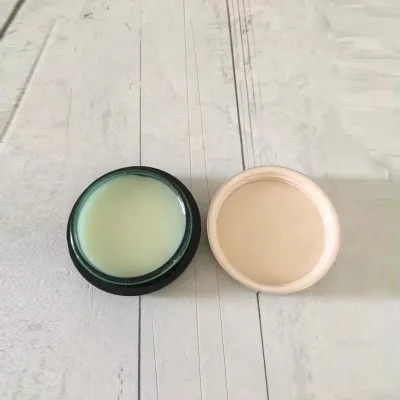


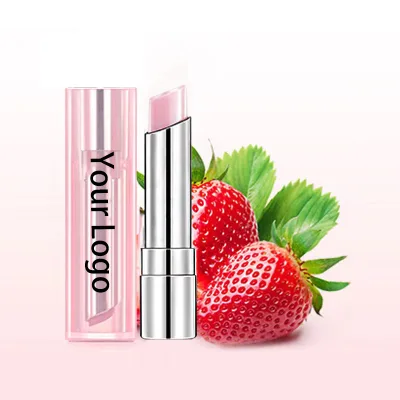
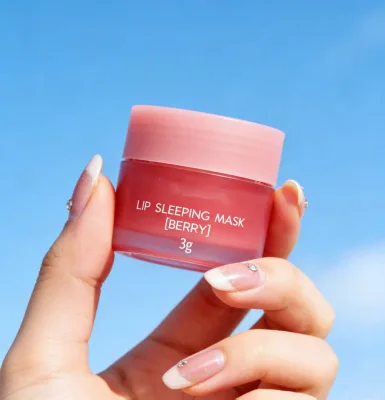
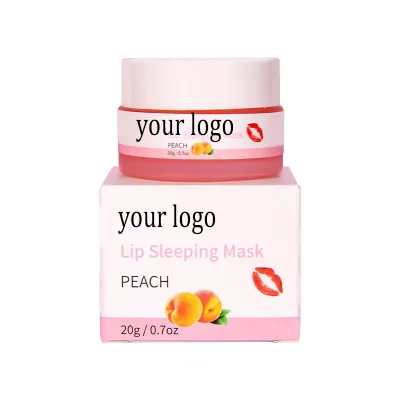
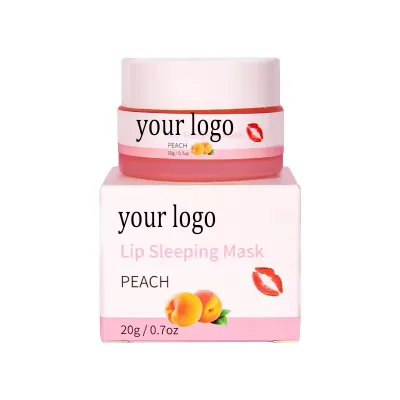
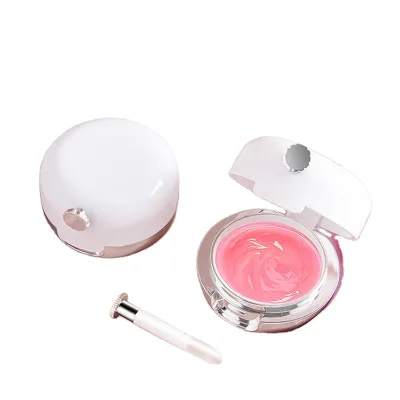
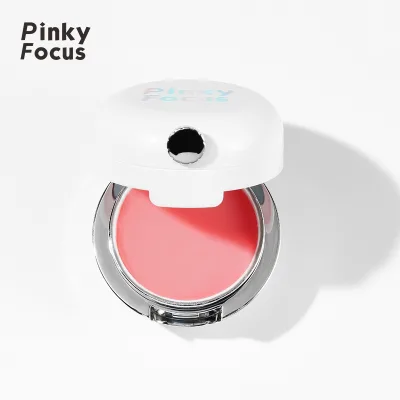
Lip Mask Night Sleeping Maintenance Moistened the Lips Pink Cream Lip Care
$0.85 - $2.65
MOQ: 6000 pieces


Cosmetics Collagen Nourishing Exfoliator Lip Mask Sleeping Lip Mask Skin Care
$1.65 - $1.82
MOQ: 3000 Pieces

OEM Custom Aatural Lip Care Treatment Lip Sleeping Mask with Avocado Oil
$0.69 - $1.39
MOQ: 3000 Pieces
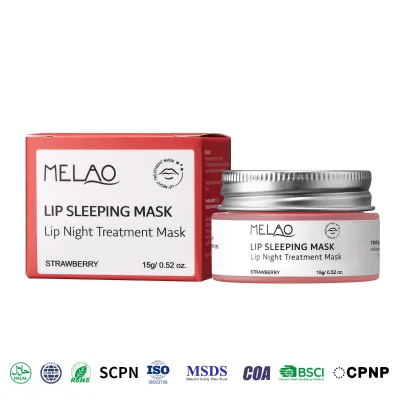
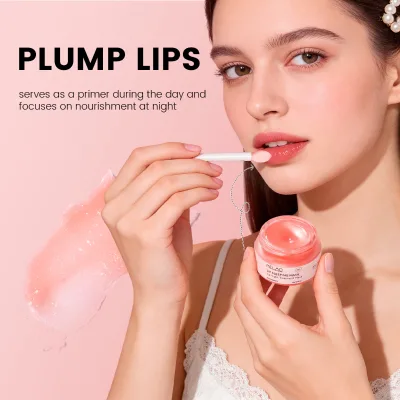
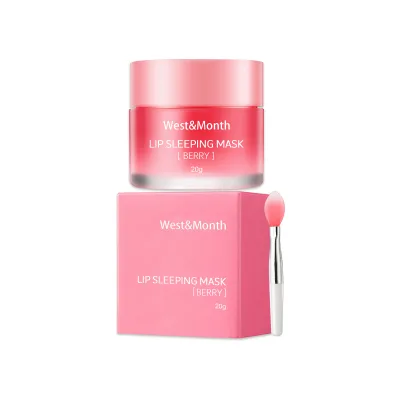
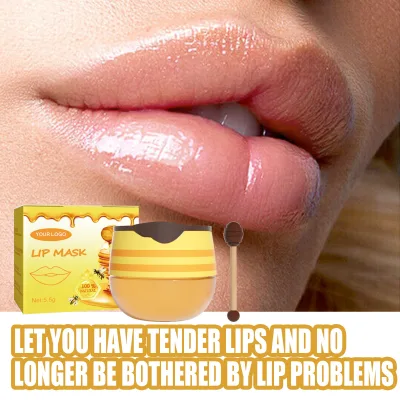
Comprehensive Sourcing Guide
Moisturizing Lightening Lip Sleeping Mask Sourcing Guide
Sourcing high-performance lip care products requires a nuanced understanding of formulation stability, regulatory compliance, and supply chain reliability. The global demand for overnight lip treatments has surged, driven by consumers seeking intensive hydration and brightening effects without daily reapplication. Buyers must navigate a complex landscape of OEM and ODM providers, particularly those based in major manufacturing hubs like Guangdong, China, where infrastructure supports rapid prototyping and large-scale production. This guide provides a structured approach to evaluating suppliers, ensuring that the final product meets both aesthetic expectations and safety standards.
Procurement decisions for these specialized cosmetics hinge on verifying the integrity of active ingredients and the consistency of the manufacturing process. Key components such as Vitamin C, Hyaluronic Acid, and herbal extracts like Jojoba Oil and Green Tea are frequently cited for their moisturizing and lightening properties. However, the presence of these ingredients does not guarantee efficacy without proper concentration and preservation. Buyers need to establish clear communication channels with suppliers to define custom formulations, packaging requirements, and branding elements, ensuring that the final output aligns with their market positioning and quality benchmarks.
Product Scope and Observed Listing Signals
The current market for lip sleeping masks exhibits a diverse range of product forms, primarily focusing on cream-based and sheet-style applications. Observations indicate that cream formulations are prevalent, often packaged in glass bottles or standard boxes, with sizes ranging from 20g to 30ml. These products are typically marketed with specific efficacy claims, such as moisturizing, nourishing, and anti-wrinkle benefits. The use of herbal ingredients, including Shea Butter and Vitamin C, suggests a trend toward natural and organic positioning, appealing to consumers who prioritize clean beauty standards. Buyers should carefully review product descriptions to distinguish between actual ingredient lists and marketing terminology.
Customization is a dominant feature in this sector, with many suppliers offering OEM and ODM services to accommodate private label requirements. Buyers can expect options for customized colors, flavors, and packaging designs, allowing for significant brand differentiation. The observed supply chain indicates a strong capability for one-stop services, from design to final delivery. However, the variability in product specifications, such as single package sizes and gross weights, necessitates thorough verification of logistical details. Understanding these signals helps buyers assess whether a supplier’s capabilities align with their specific volume and customization needs.
Technical Specifications to Verify
Verifying technical specifications is critical to ensuring product consistency and consumer satisfaction. Buyers must confirm the exact form of the product, whether it is a cream or a sheet mask, as this impacts application and shelf-life stability. Key ingredients such as Vitamin C, Hyaluronic Acid, Jojoba Oil, and Green Tea should be validated against the supplier’s formulation sheet. It is essential to determine the concentration of active ingredients, particularly for lightening and moisturizing claims, to ensure efficacy. Additionally, the shelf life, often cited as three years, should be cross-referenced with preservation systems to guarantee product integrity over time.
Packaging specifications also require close attention, as they influence both product protection and brand perception. Common packaging materials include glass bottles and paper boxes, with dimensions varying based on product volume. Buyers should verify the single gross weight and package dimensions to calculate accurate shipping costs and storage requirements. Furthermore, the availability of customized packaging options, such as private branding and specific color schemes, should be confirmed. Ensuring that the packaging material is compatible with the product’s chemical composition prevents degradation and maintains the aesthetic appeal of the final product.
Compliance and Safety Documentation
Regulatory compliance is non-negotiable for cosmetic products, especially those intended for sensitive areas like the lips. Buyers must request comprehensive documentation from suppliers, including certifications such as MSDS, CE, FDA, and ISO. These certifications indicate adherence to international safety and quality standards, reducing the risk of regulatory hurdles in target markets. It is crucial to verify that the supplier’s quality management systems are up-to-date and that they conduct regular audits to maintain compliance. Documentation should also cover ingredient sourcing, ensuring that materials are free from harmful contaminants and meet organic or vegan standards if claimed.
Safety data sheets and ingredient lists must be transparent and accurate, reflecting the actual composition of the product. Buyers should pay particular attention to the presence of fragrances and other potential allergens, especially if the product is marketed as fragrance-free or suitable for sensitive skin. The verification of cruelty-free and vegan claims requires additional scrutiny, as these labels are often subject to strict regulatory definitions. Ensuring that all safety documentation is complete and verifiable protects the buyer from liability and enhances consumer trust in the brand.
Cost Drivers and Commercial Terms
Understanding the cost structure of lip sleeping masks involves analyzing several key drivers, including raw material quality, packaging complexity, and order volume. The use of premium ingredients like Vitamin C and Hyaluronic Acid can significantly impact the base cost, while custom packaging designs may incur additional setup fees. Buyers should negotiate clear pricing tiers based on MOQs, which can range from 100 to 6000 pieces depending on the supplier and product complexity. Transparent communication about these variables helps in budgeting and forecasting, ensuring that the final product remains competitive in the target market.
Commercial terms, such as lead times and payment conditions, also play a vital role in procurement planning. OEM production lead times typically range from 20 to 45 days, depending on the customization level and order size. Buyers should establish realistic timelines to avoid stockouts and ensure timely market entry. Additionally, the availability of samples, often offered freely, allows for quality assessment before committing to large orders. Clear agreements on delivery terms, port of dispatch, and return policies are essential to mitigate risks and ensure a smooth transaction process.
Supplier Qualification and Quality Control
Supplier qualification is a multi-step process that begins with verifying their manufacturing capabilities and quality control systems. Buyers should assess the supplier’s production capacity, which may be indicated by metrics such as kilograms per day, to ensure they can meet demand fluctuations. It is also important to evaluate their experience with OEM and ODM projects, as this indicates their flexibility and expertise in custom formulation. Requesting references or case studies from previous clients can provide insights into the supplier’s reliability and consistency in delivering high-quality products.
Quality control measures should be integrated into the procurement process, starting from raw material inspection to final product testing. Buyers should establish clear quality benchmarks and conduct regular audits to ensure compliance. The availability of professional and high-quality standards, as claimed by some suppliers, should be verified through independent testing or third-party inspections. Implementing a robust quality control plan helps in identifying and addressing potential issues early, reducing the risk of defects and ensuring that the final product meets consumer expectations.
Long-Term Procurement Checks
Long-term procurement success depends on continuous monitoring and relationship management with suppliers. Buyers should establish regular review cycles to assess supplier performance, including delivery accuracy, product quality, and responsiveness to issues. Building a strong partnership with reliable suppliers can lead to better pricing, priority production, and collaborative innovation. It is also important to stay updated on regulatory changes and market trends, ensuring that the product line remains compliant and competitive. Continuous improvement initiatives, such as feedback loops with consumers, can drive product enhancements and brand loyalty.
Risk management strategies should include diversifying the supplier base to mitigate disruptions in the supply chain. Buyers should also invest in inventory management systems to optimize stock levels and reduce holding costs. Regularly updating product specifications and formulations in response to market feedback ensures that the brand remains relevant. By maintaining a proactive approach to procurement, buyers can secure a stable supply of high-quality lip sleeping masks, supporting long-term business growth and customer satisfaction.
FAQs
Can I get private label Moisturizing Lightening Lip Sleeping Mask?
Yes, private label services are available for this product. You can customize the brand name and packaging details to match your business identity. The supplier offers OEM and ODM services, allowing for custom designs and colors. This ensures your product stands out in the market while maintaining professional quality standards for your customers.
What is the MOQ for custom lip masks?
The minimum order quantity varies by product specification. Some items require 100 pieces, while others may need 1000 pieces or more. You should check the specific listing for the exact MOQ. This flexibility allows small businesses to start with lower volumes, while larger orders benefit from established production capacities and streamlined logistics.
What certifications do these lip masks have?
These products typically hold MSDS, CE, FDA, and ISO certifications. These documents verify safety and quality compliance for international trade. Buyers should request specific certificates for the exact SKU they intend to purchase. This ensures that the goods meet the regulatory requirements of your target market and protects your brand reputation.
How long is the delivery time for OEM orders?
OEM delivery times generally range from 20 to 45 days. This period depends on the complexity of customization and current production schedules. Factors like packaging design and ingredient sourcing can influence the final timeline. Planning your inventory well in advance helps avoid delays and ensures timely arrival of your branded lip care products.
What ingredients are used in these moisturizing masks?
Common ingredients include Vitamin C, Hyaluronic Acid, Jojoba Oil, Green Tea, and Shea Butter. These components provide moisturizing, nourishing, and anti-wrinkle benefits. Some formulations are organic, vegan, and cruelty-free. The specific ingredient list depends on the product model, so verify the details for the exact item you wish to source.
Are samples available for testing before bulk order?
Samples are freely offered to potential buyers for quality evaluation. This allows you to test the texture, scent, and efficacy before committing to a large purchase. Sample availability supports informed decision-making and reduces sourcing risks. Contact the supplier to request samples, keeping in mind that shipping costs may apply depending on the destination.