Source Moisturizing Lavender Bath Bomb for Relaxing, Hydrating, and Skin Care
Explore 30 listings for the Moisturizing Lavender Bath Bomb, featuring customizable scents, natural ingredients, and varied shapes like balls and flowers. Buyers can compare specifications, packaging options, and OEM services to find suitable suppliers for bathroom and body skin care applications.
Key considerations
Products List


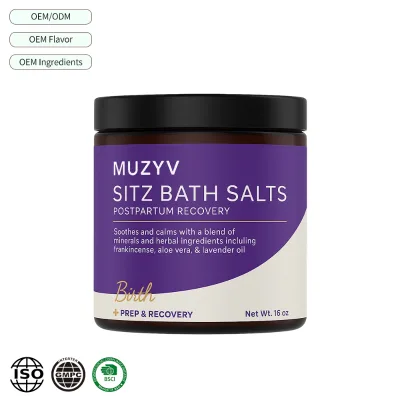


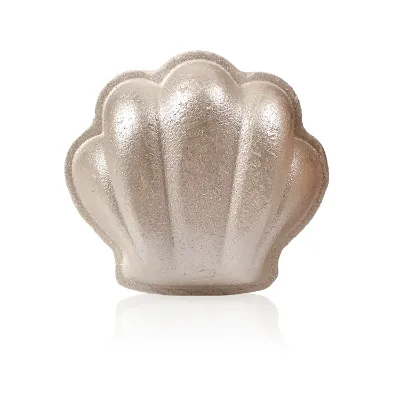
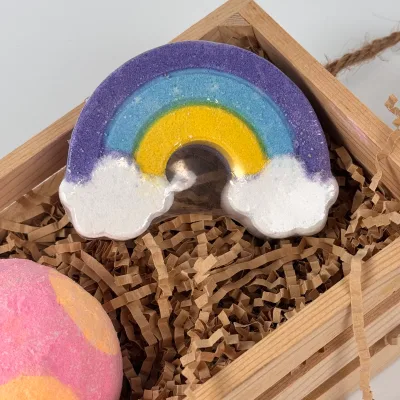
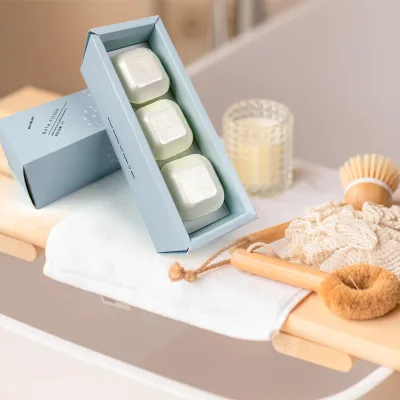
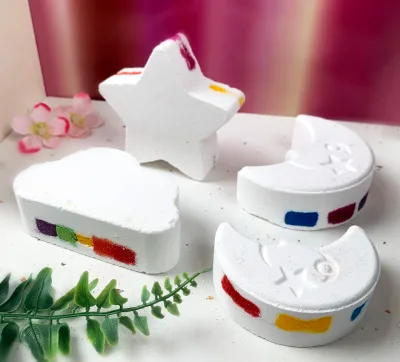
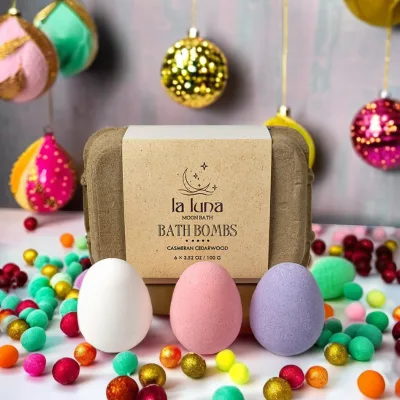
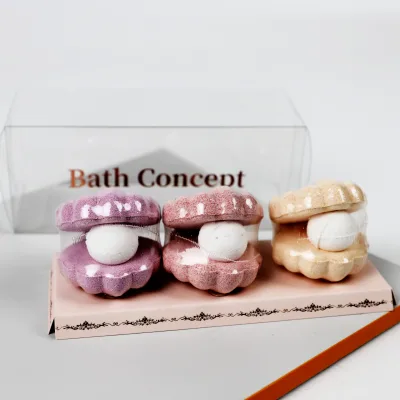
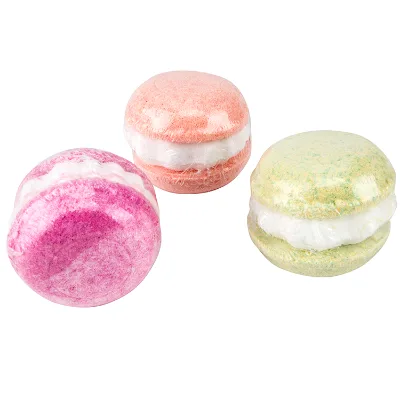
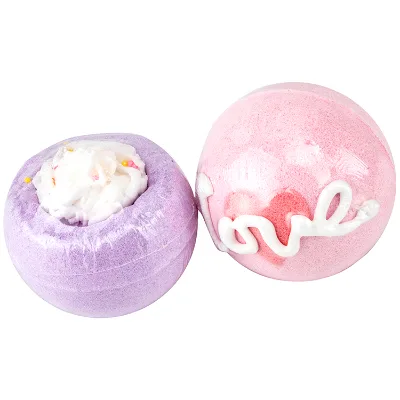
Wholesale Private Label Natural Coconut Oil rainbow Heart-shaped Bath Bombs
$0.15 - $0.31
MOQ: 1 pieces




Comprehensive Sourcing Guide
Strategic Sourcing Guide for Moisturizing Lavender Bath Bombs
Understanding Product Specifications and Variability
When sourcing a Moisturizing Lavender Bath Bomb, buyers must first navigate the inherent variability in product definitions found in the global marketplace. The core keyword implies a specific functional profile—moisturizing and scented with lavender—but the physical attributes of the product can vary significantly between suppliers. Based on observed market data, the product is frequently categorized under "Bath Bomb" or "Shower Bath Bomb," with specific model identifiers such as KidsMind-RB76, KidsMind-RB72, and KidsMind-RB73 appearing in technical listings.
A critical observation for procurement teams is the inconsistency in product weight. Listings indicate weights ranging from 100g to 600g for similar items. This variance directly impacts shipping costs, packaging requirements, and the perceived value proposition for the end consumer. A 100g unit is typically a single-use sample or a travel-sized item, whereas a 600g unit suggests a bulk or family-sized product. Furthermore, the shape of the bath bomb is not standardized; observed forms include ball shapes, flower shapes, square shapes, and rainbow shapes. This aesthetic diversity allows for customization but requires precise communication with the supplier to ensure the final product matches the intended brand identity.
The material composition is another pivotal specification. The supplied facts confirm that many products utilize "Natural" materials and "Plant Extracts" as key ingredients. This aligns with the "moisturizing" claim, as natural ingredients often provide emollient properties. However, buyers must verify if the "Natural" designation refers to the raw materials or the final blend. Additionally, the product form is listed as a "Tablet," which is the standard physical state for bath bombs before they dissolve in water. The single package size for some units is recorded as 7x7x12 cm, while others specify dimensions in inches, such as 3.15 x 3.15 x 3.15 inches. These discrepancies highlight the necessity of confirming exact dimensions before finalizing a purchase order to avoid logistics errors.
Compliance, Certification, and Safety Verification
In the personal care sector, compliance is not merely a formality but a fundamental requirement for market entry. While the supplied data mentions "Standard Specifications or Customized" standards, it does not explicitly list specific international certifications like ISO 22716 (Cosmetics Good Manufacturing Practices) or specific FDA registration numbers. Buyers must therefore treat the absence of explicit certification data as a signal to request verification rather than assuming compliance.
The product is described as having "100% Natural Ingredients," a claim that requires rigorous substantiation. In many jurisdictions, the term "natural" is not legally defined without specific thresholds of organic content or exclusion of synthetic additives. Procurement teams should demand a Certificate of Analysis (CoA) that details the botanical origin of the plant extracts and confirms the absence of prohibited substances. Furthermore, the product is noted as suitable for "All Ages" and "Dry Skin," which implies a safety profile that must be validated. Claims regarding skin type suitability, such as "Dry," necessitate dermatological testing data to ensure the product does not cause irritation or adverse reactions.
Safety regarding physical hazards is also a consideration. The product specifications mention being "Material Type Free" of "Glass, Metal, Sharp Objects." This is a critical safety feature, particularly for products marketed to children or those with specific usage contexts. However, buyers should verify that this claim is backed by a physical inspection protocol or a third-party safety report. The "Toy Department" classification for some listings suggests a dual-use potential, which might trigger additional regulatory requirements depending on the target market's classification of bath products as toys or cosmetics.
Cost Drivers and Pricing Dynamics
The pricing structure for moisturizing lavender bath bombs is influenced by several dynamic factors, primarily driven by customization levels and order volume. The observed price range in the market spans from $0.15 to $100 USD. This wide disparity is not indicative of quality alone but rather reflects the scope of the transaction. The lower end of the spectrum likely represents bulk raw materials or unbranded generic units, while the higher end may include fully customized packaging, premium natural ingredients, or small-batch artisanal production.
Minimum Order Quantity (MOQ) is a significant cost driver. Data indicates an MOQ range of 1 to 5000 pieces, with a specific high-confidence fact noting an MOQ of 1000 pieces for certain listings. For buyers with smaller budgets or those testing a new market, an MOQ of 1000 pieces may present a barrier. Conversely, suppliers offering an MOQ of 1 piece are likely catering to sample orders or very small niche retailers, which often come with a higher per-unit cost. The "Sample: Available" attribute confirms that buyers can procure samples before committing to large volumes, a crucial step for validating the "moisturizing" and "lavender" claims.
Logistics and packaging also impact the final landed cost. The product is available in "Standard Packaging or Customized" options, with some units coming in "Paper Box" packaging. Customized packaging, including silk screen printing for logos, adds to the unit cost but enhances brand value. The single gross weight of 0.700 kg for certain units must be factored into freight calculations. Buyers should request a detailed breakdown of costs, separating the unit price, tooling fees for custom molds (e.g., flower or square shapes), and packaging costs, to understand the true cost drivers.
Typical Applications and Market Positioning
The application of moisturizing lavender bath bombs extends beyond simple hygiene; they are positioned as wellness and self-care products. The listed usage includes "Bathroom" and "Body Skin Care," with specific benefits noted as "Hydrating," "Moisturizing," and "Relaxing." The inclusion of "Lavender" as a scent option directly supports the relaxing claim, as lavender is widely recognized for its calming aromatic properties. This makes the product suitable for a broad demographic, including adults seeking stress relief and families looking for a soothing bath experience.
The product's versatility is further highlighted by its "Multi Function" attribute. This suggests that the bath bomb may serve multiple purposes, such as exfoliation, skin softening, and aromatherapy, all within a single use. The "Unit Count: 12" observation indicates that some products are sold in multi-packs, which is a common strategy for retail distribution to increase the average order value. The "Unisex" classification ensures that the product can be marketed to a wide audience without gender-specific restrictions, broadening the potential customer base.
In terms of market positioning, the "OEM" and "ODM" service availability allows brands to create unique products. Suppliers offering "Customization" for the logo and "Customer Selection" for the smell enable buyers to tailor the product to specific brand narratives. For instance, a brand focusing on organic wellness might prioritize the "Natural" and "Plant Extract" attributes, while a brand targeting children might emphasize the "Flower Shape" and "Rainbow Shape" options. The ability to customize the product model, such as selecting between KidsMind-RB76 and other variants, provides flexibility in product line development.
Supplier Evaluation and Sourcing Strategy
Evaluating suppliers for bath bomb production requires a multi-faceted approach that goes beyond price comparison. The geographical origin of the products is a key factor, with "Hebei China" and "Guangdong, China" identified as primary locations. Guangdong is often associated with a mature manufacturing ecosystem for cosmetics and personal care, potentially offering higher quality control and more advanced customization capabilities. Hebei may offer competitive pricing but requires closer scrutiny of the supplier's infrastructure and quality assurance processes.
Buyers should prioritize suppliers that offer "ODM OEM" services, as this indicates a capacity for both original design manufacturing and original equipment manufacturing. This flexibility is essential for brands that want to differentiate their products through unique shapes, scents, or packaging. The availability of "Silk Screen Printing" for logos is a standard method for branding, but buyers should verify the durability of the print and the quality of the ink used, especially for products that will be exposed to water and humidity.
The "Service: ODM OEM" and "Sample: Available" attributes are strong indicators of a supplier's willingness to engage in a partnership. A reputable supplier should be transparent about their production capacity, lead times, and ability to scale. Buyers should request references or case studies of previous work, particularly for products with similar specifications, such as "100% Natural Ingredients" or specific shapes like "Ball Shape" or "Flower Shape." Additionally, the ability to provide "Customized Package" and "Standard Packaging" options demonstrates the supplier's logistical flexibility.
Quality Control and Long-Term Procurement Considerations
Maintaining consistent quality is paramount in the bath bomb industry, where product integrity can be compromised by moisture, temperature, and handling. The "Standard Specifications or Customized" standard suggests that buyers have the option to define their own quality benchmarks. However, without specific numerical standards provided in the source data, buyers must establish their own quality control protocols. This includes testing for dissolution time, scent longevity, and the consistency of the moisturizing effect.
Long-term procurement considerations involve building a sustainable supply chain. The "Customization" attribute for the logo and shape implies that buyers may need to invest in tooling or mold development. These investments should be amortized over a sufficient volume to ensure cost-effectiveness. Buyers should also consider the shelf life of the product, as natural ingredients can degrade over time. Requesting batch testing and stability data from the supplier is essential to ensure the product remains effective and safe throughout its intended shelf life.
The "Product Weight" variance (100g vs. 600g) also presents a long-term consideration for inventory management. Buyers must decide whether to standardize on a single weight to simplify logistics or offer a range of weights to cater to different market segments. The "Single package size" and "Single gross weight" data points are critical for calculating storage requirements and shipping efficiency. Finally, the "Recommended Uses for Product" such as "Hydrating" and "Moisturizing" should be backed by ongoing quality checks to ensure that the product continues to meet consumer expectations over time.
Comparative Analysis of Product Attributes
To facilitate decision-making, the following table summarizes key attributes observed in the market for moisturizing lavender bath bombs. This comparison helps buyers identify the specific features that align with their procurement needs.
| Attribute Category | Observed Variations | Procurement Implication |
|---|---|---|
| Product Weight | 100g, 600g | Impacts shipping costs and unit pricing; define target weight early. |
| Shape | Ball, Flower, Square, Rainbow | Affects mold costs and aesthetic appeal; choose based on brand identity. |
| Material | Natural, Plant Extract | Supports "moisturizing" claims; verify CoA for ingredient authenticity. |
| Scent | Customer Selection, Rose, Lavender | Lavender is key for "relaxing" claim; confirm scent concentration. |
| Packaging | Paper Box, Standard, Customized | Custom packaging adds cost but enhances branding; check durability. |
| Origin | Hebei China, Guangdong China | Guangdong may offer higher tech; Hebei may offer lower cost. |
| MOQ | 1, 1000, up to 5000 | Determines entry barrier; negotiate based on volume commitments. |
| Customization | Logo, Shape, Scent, Packaging | High flexibility; requires clear specifications to avoid errors. |
This table underscores the need for precise specification management. Buyers must clearly articulate their requirements for weight, shape, and scent to avoid receiving products that do not meet their expectations. The variability in these attributes is a feature of the market, allowing for diverse product offerings, but it requires diligent communication and quality control to ensure the final product delivers on the "moisturizing lavender" promise.
FAQs
What shapes are available for moisturizing lavender bath bombs?
Bath bombs come in ball, flower, square, and rainbow shapes. You can select from these forms based on your brand identity, as customization is available for the product shape and logo design.
How much is the minimum order quantity for these products?
The minimum order quantity is typically 1000 pieces. Some suppliers may offer lower quantities for samples, but bulk orders usually require this volume to secure standard pricing and customization options.
Can I customize the scent and logo on the bath bombs?
Yes, you can select the scent and customize the logo. The product allows customer selection for smells like lavender and offers silk screen printing for logos with OEM and ODM services available.
What materials are used to make these moisturizing bath bombs?
The products are made from natural materials and plant extracts. They are formulated with 100% natural ingredients to provide moisturizing and relaxing benefits suitable for dry skin and all age groups.
Where are the manufacturers of these bath bombs located?
Manufacturers are located in Hebei and Guangdong, China. These regions supply products with standard or customized packaging, offering a range of options for international buyers seeking specific production capabilities.
What is the weight range for a single bath bomb unit?
Single units weigh between 100g and 600g depending on the specific model. This variance affects shipping costs, so you should confirm the exact weight before finalizing your order specifications.
Are samples available for testing the moisturizing and relaxing effects?
Samples are available for testing before placing a large order. This allows you to verify the natural ingredients, scent quality, and physical shape like the ball or flower design before committing to bulk production.