Source Moisturizing Night Eye Cream Stick for Anti-Aging
Find 30 Moisturizing Night Eye Cream Stick options from China. Compare OEM brands with ingredients like retinol and schisandra for anti-wrinkle and hydrating effects. View CE ISO certified suppliers and request samples for your beauty line; compare the available evidence and request quotations based on your requirements.
Updated
Key considerations
Products List
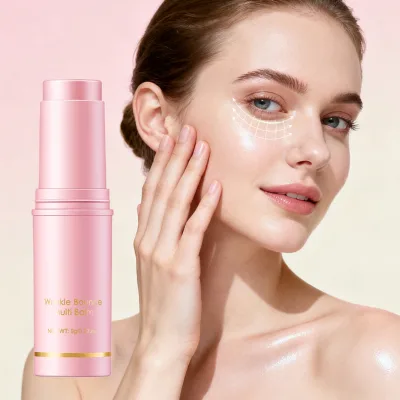
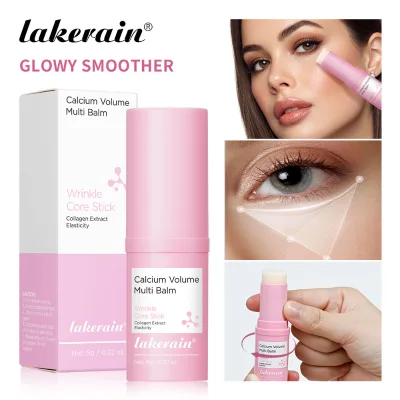
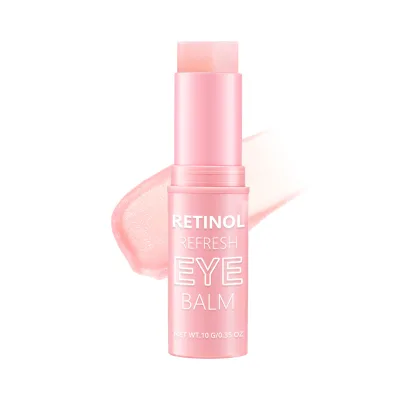
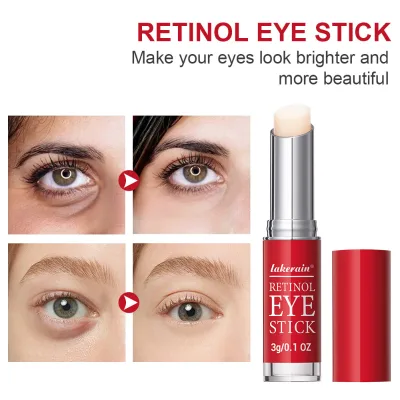


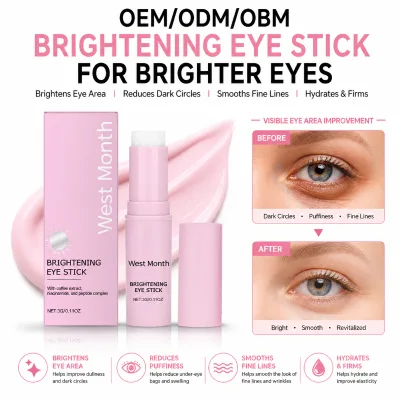
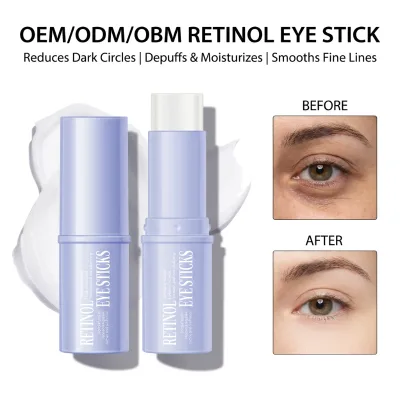


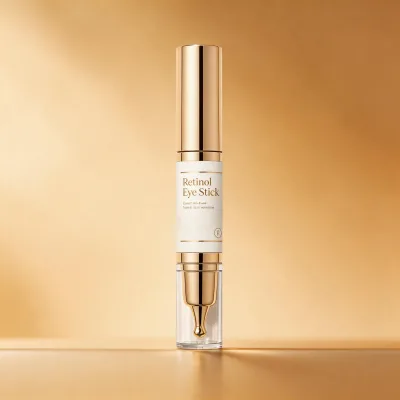
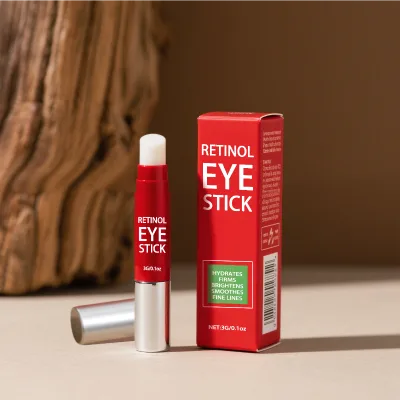
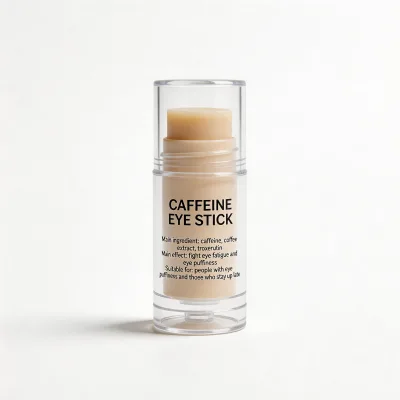
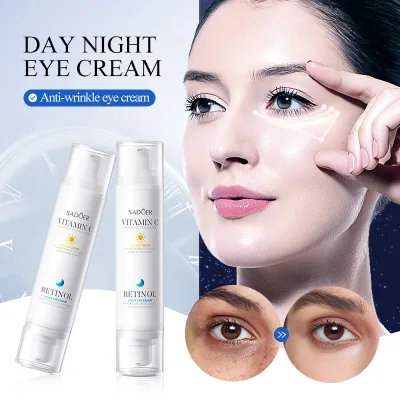
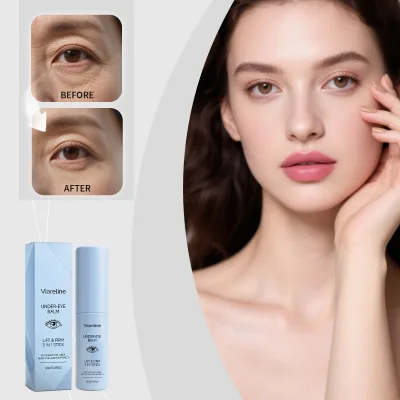
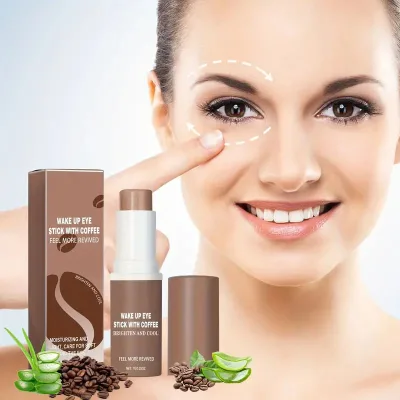
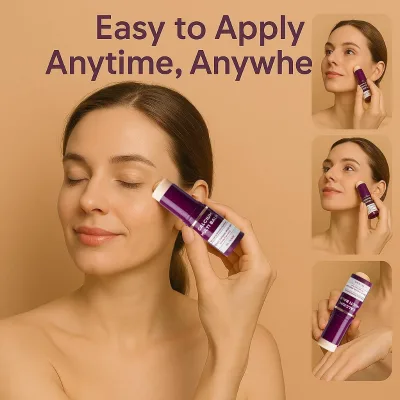
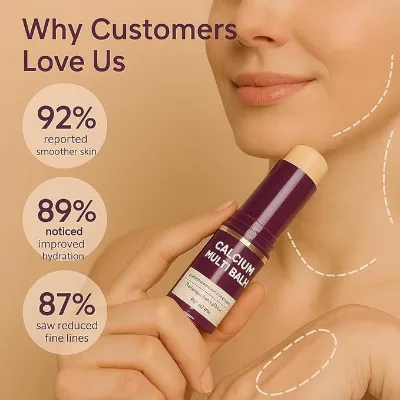
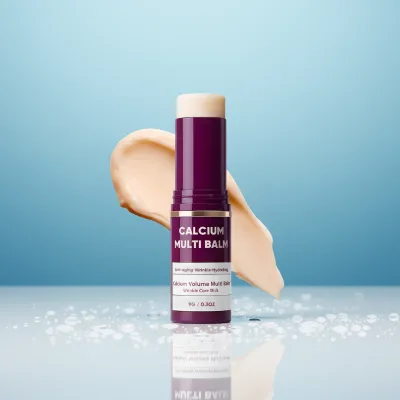
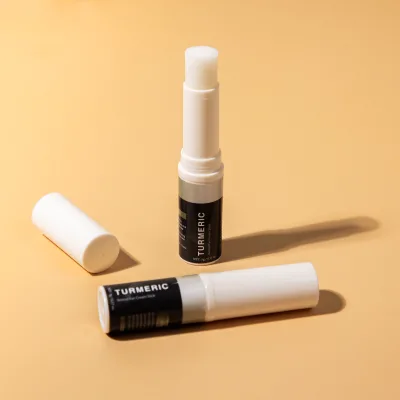
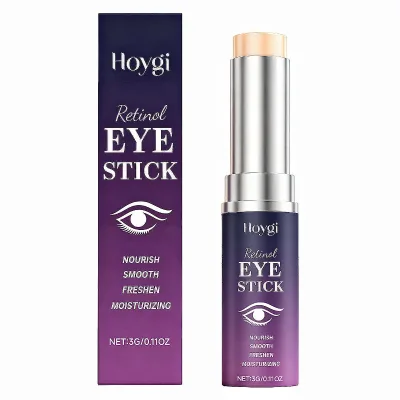

Daily Anti-Aging Eye Cream Wrinkles Dark Spots Retinol Collagen Eye Stick
$1.75 - $2.65
MOQ: 100 Pieces

Comprehensive Sourcing Guide
Moisturizing Night Eye Cream Stick Sourcing Guide
Procuring moisturizing night eye cream sticks requires a strategic approach to balancing efficacy, packaging integrity, and supplier reliability. This guide synthesizes observed market data to help buyers navigate the complexities of sourcing these specialized cosmetic items. By focusing on verified attributes and commercial realities, purchasers can mitigate risks associated with ingredient consistency and regulatory compliance. The following sections provide a structured framework for evaluating potential suppliers and ensuring that the final product meets both quality standards and business objectives.
Product Scope and Observed Listing Signals
The current market for eye cream sticks reveals a diverse range of formulations targeting adult consumers, with a strong emphasis on moisturizing and anti-wrinkle benefits. Observed listings indicate that products are primarily designed for female demographics, though some specifications suggest universal applicability. Key ingredients frequently cited include Schisandra, Root of Sinkiang Arnebia, and Gardenia Jasminoides, alongside other components like Retinol and Glycerin. These natural extracts are often combined with chemical moisturizers to enhance hydration and nourishment, addressing specific concerns such as dark circles and puffiness.
Packaging variations are significant, with single package sizes ranging from compact sticks measuring approximately 2.7x2.7x8.7 cm to larger bulk boxes. The net weight of individual units varies considerably, with some products weighing as little as 3g while others reach up to 10g. This diversity suggests that buyers must carefully define their volume requirements and packaging preferences. The presence of OEM logo options indicates that many manufacturers support private labeling, allowing brands to customize the product identity while leveraging established supply chains for production.
Technical Specifications to Verify
Verifying technical specifications is critical to ensuring product consistency and consumer satisfaction. Buyers should confirm the exact weight and dimensions of each unit, as observed gross weights range from 0.018 kg to 0.500 kg depending on packaging configuration. The form factor is consistently described as a cream, but the delivery mechanism via a stick format requires specific manufacturing expertise to prevent breakage or melting. It is essential to validate that the single gross weight aligns with shipping calculations to avoid unexpected logistics costs.
Ingredient lists must be scrutinized for accuracy, as some listings mention "Other" or "Chemical" ingredients without full disclosure. Key active components like Retinol and Calcium Complex are highlighted for their efficacy, but buyers should request detailed ingredient breakdowns to ensure safety and compliance. Additionally, the shelf life is typically stated as three years, which is a standard benchmark for stability. Confirming the expiration date calculation method and storage conditions is necessary to maintain product integrity during transit and long-term storage.
Compliance and Safety Documentation
Regulatory compliance is a non-negotiable aspect of sourcing cosmetic products, particularly those applied near the eyes. Suppliers should provide relevant certifications such as CE and ISO, which indicate adherence to quality management systems. Some listings also mention MSDS certification, which is crucial for understanding the safety data of chemical ingredients. Buyers must verify that these documents are current and applicable to the specific product batch, as regulatory requirements can vary by destination market.
Beyond certifications, safety documentation should include detailed ingredient safety assessments and allergen information. Given the presence of floral fragrances and potential allergens like beef tallow in some formulations, transparency is key. Buyers should ensure that suppliers conduct rigorous testing for microbial contamination and heavy metals. Requesting third-party lab reports for each batch can provide additional assurance of product safety and help prevent potential health risks for end consumers.
Cost Drivers and Commercial Terms
Understanding the cost structure of eye cream sticks involves analyzing several variables, including ingredient quality, packaging complexity, and order volume. The observed price range of 0.5 to 6 USD suggests significant variation based on formulation sophistication and branding requirements. Minimum order quantities (MOQ) typically range from 1 to 1000 units, offering flexibility for both small startups and large enterprises. Buyers should negotiate terms that align with their inventory management strategies and cash flow capabilities.
Sample availability is a common feature, allowing buyers to evaluate product quality before committing to large orders. However, sample costs and shipping fees should be factored into the overall procurement budget. It is also important to clarify payment terms, such as deposits and balance payments, to manage financial risk. Suppliers offering OEM services may charge additional fees for mold creation or custom packaging, which should be discussed upfront to avoid hidden costs during production.
Supplier Qualification and Quality Control
Selecting a qualified supplier requires a thorough assessment of their manufacturing capabilities and quality control processes. Buyers should verify the supplier’s place of origin, with many products originating from Zhejiang, China, a hub for cosmetic manufacturing. It is essential to confirm that the supplier has experience in producing stick-format cosmetics, as this requires specialized equipment and expertise. Requesting references or case studies from previous clients can provide insights into their reliability and consistency.
Quality control measures should include in-process inspections and final product audits. Buyers should inquire about the supplier’s defect rate and their procedures for handling non-conforming products. Establishing clear communication channels for addressing quality issues is crucial for maintaining long-term partnerships. Additionally, verifying the supplier’s ability to scale production without compromising quality is important for meeting future demand spikes or expanding market reach.
Long-Term Procurement Checks
Sustaining a successful procurement strategy for eye cream sticks involves continuous monitoring and adaptation. Buyers should regularly review supplier performance metrics, including on-time delivery rates and product quality consistency. Establishing a schedule for periodic audits or re-evaluations can help identify potential issues before they impact the supply chain. Staying informed about regulatory changes in target markets is also essential to ensure ongoing compliance and avoid disruptions.
Building a diversified supplier base can mitigate risks associated with single-source dependencies. Buyers should explore opportunities to engage with multiple manufacturers to compare pricing, quality, and service levels. Investing in strong relationships with key suppliers can lead to better terms and priority treatment during high-demand periods. Finally, gathering feedback from end consumers can provide valuable insights for product improvements and future sourcing decisions, ensuring that the procurement strategy remains aligned with market trends.
FAQs
What are the main ingredients in this eye cream stick?
The product contains Schisandra, Root of sinkiang Arnebia, and Gardenia Jasminoides. Some variants also include Retinol, Glycerin, and Beef Tallow. These ingredients provide moisturizing, anti-wrinkle, and soothing effects for adult skin types, ensuring effective hydration and nourishment around the eye area.
Can I get a sample before placing a bulk order?
Yes, samples are available for this eye cream stick. Buyers can request samples to verify product quality, texture, and packaging specifications before committing to larger quantities. This allows for thorough evaluation of the moisturizing and anti-wrinkle features to ensure they meet your brand standards.
What certifications does the manufacturer hold for this product?
The manufacturer holds CE, ISO, and MSDS certifications for this eye cream stick. These credentials ensure compliance with international safety and quality standards. Buyers can rely on these documented certifications to verify product safety and regulatory adherence for global distribution and market entry requirements.
What is the shelf life of the eye cream stick?
The shelf life is three years from the date of manufacture. This duration ensures product stability and efficacy for moisturizing and anti-wrinkle benefits. Buyers should store the product in a cool, dry place to maintain its integrity and ensure optimal performance throughout its usable period.
Is OEM logo customization available for this eye cream stick?
Yes, OEM logo customization is available for this eye cream stick. Buyers can request their brand logo to be printed on the packaging or product. This service allows for personalized branding, helping businesses establish a unique identity in the global market while leveraging the product's moisturizing features.
What is the net weight of the eye cream stick?
The net weight varies by variant, with options including 3g, 7g, 9g, and 10g. These weights cater to different consumer preferences and usage patterns. Buyers can select the appropriate size based on target market demands, ensuring the product meets specific retail and packaging requirements.