Source Moisturizing Glitter Lip Gloss for Daily Life, Events, and Gifts
Compare 30 Moisturizing Glitter Lip Gloss options from verified manufacturers. Buyers can evaluate specifications like volume, ingredients, and certifications to find suitable products for daily use, special occasions, and promotional gifts.
Key considerations
Products List
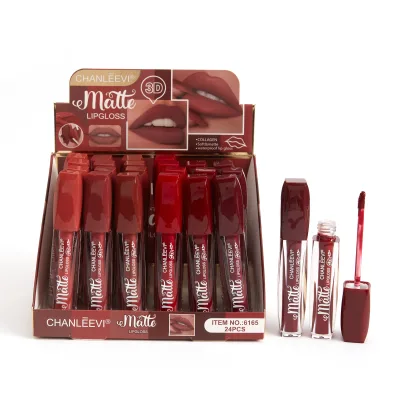


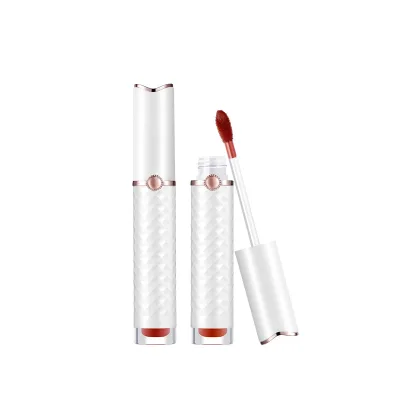


Waterproof Long Lasting Custom Glair High Quality Mini Capsule Lip Gloss
$0.55 - $0.65
MOQ: 1000 Pieces


Comprehensive Sourcing Guide
Strategic Sourcing Guide for Moisturizing Glitter Lip Gloss Procurement
Understanding Product Specifications and Formulation Variability
When sourcing Moisturizing Glitter Lip Gloss, buyers must first establish a clear understanding of the technical specifications that define the product category. The market offers a diverse range of formulations, and the core keyword implies a specific intersection of texture, finish, and functional benefit. Based on observed product attributes, the primary form factor for these items is consistently liquid. This liquid state is essential for delivering the desired moisturizing properties while allowing for the suspension of glitter particles that create the signature visual effect.
The physical characteristics of the lip gloss vary significantly across different suppliers and product lines. A critical observation in the current market data indicates that volume specifications are not uniform. While some standard offerings are listed at 4g or 4.4g, other specific models, such as those intended for travel or sampling, may be found in 5ml configurations. Buyers must verify the exact volume per unit, as this directly impacts the unit cost and the perceived value proposition. Furthermore, the packaging dimensions are a vital specification for logistics planning. For instance, specific bulk packaging configurations have been observed with measurements around 63.243.225.8cm for carton packs, while individual units may have dimensions like 112*20mm. These physical constraints dictate the number of units that can be shipped per container, influencing freight costs and inventory management strategies.
Color and finish are equally critical technical parameters. The market data reveals a split between single-color and multi-colored options. Some product lines are explicitly described as "Multi-Colored," suggesting a range of shades available within a single SKU or a mixed assortment, while others are "Single-Color." The presence of glitter is implied by the core keyword, but the specific particle size and density are not standardized in the provided facts. Buyers should request sample swatches to verify the dispersion of glitter within the liquid base and ensure the moisturizing agents are evenly distributed. The "Main Ingredient" profiles also vary, ranging from Mineral and Chemical combinations to formulations that include Herbal components. This variability requires buyers to align the ingredient profile with their target demographic's preferences and regulatory requirements in their destination markets.
Compliance Framework and Certification Verification
Navigating the regulatory landscape is a paramount concern for any B2B procurement of cosmetic products. The lip gloss market is heavily regulated, particularly regarding ingredients and manufacturing practices. The observed data highlights a strong emphasis on specific certifications that serve as proxies for quality and safety. The most frequently cited certifications include GMPC (Good Manufacturing Practice for Cosmetics), ISO standards, FDA (Food and Drug Administration) compliance, GMP (Good Manufacturing Practice), and MSDS (Material Safety Data Sheet).
Buyers must treat these certifications as verification points rather than automatic guarantees. The data explicitly lists ISO 22716:2007(E) as a relevant standard for cosmetic Good Manufacturing Practices. This standard is crucial for ensuring that the manufacturing process maintains hygiene and quality control throughout the production cycle. When evaluating potential suppliers, procurement teams should request valid, up-to-date certificates for GMPC, ISO 22716, and FDA registration. It is important to note that while some product listings mention "ISO" generally, the specific standard ISO 22716 provides a more rigorous framework for cosmetic safety.
Additionally, the presence of MSDS documentation is non-negotiable for international shipping and safety compliance. This document details the chemical composition and safety handling procedures for the product, which is essential for customs clearance and warehouse safety. The data also indicates that some suppliers offer GMP certification, which reinforces the commitment to quality management systems. However, buyers should be cautious of generic claims and verify that the certification applies specifically to the facility manufacturing the lip gloss, not just the parent company.
The "Used for" attribute in the data specifies "Women," which helps in segmenting the market, but regulatory compliance applies regardless of the target gender. For markets like the European Union or North America, additional regulations regarding specific banned substances or labeling requirements may apply beyond the general certifications listed. Buyers must verify that the supplier's compliance framework covers the specific regulatory bodies of their target export markets. The "Certification" field in the data often lists combinations like "GMPC,ISO,MSDS,FDA,GMP," suggesting that high-quality suppliers tend to hold a comprehensive suite of credentials. Procurement teams should prioritize suppliers who can provide current, verifiable documentation for all these standards to mitigate the risk of product recalls or regulatory penalties.
Cost Drivers and Pricing Structure Analysis
The pricing structure for Moisturizing Glitter Lip Gloss is influenced by a complex interplay of factors, including volume, customization, and packaging complexity. The observed price range in the market spans from $0.25 to $4.02 USD. This wide variance indicates that the unit cost is highly sensitive to the specific configuration of the order. Lower price points are typically associated with standard, single-color formulations with minimal customization and larger order quantities. Conversely, higher price points often reflect multi-colored assortments, custom packaging, or specialized ingredient profiles such as herbal additions.
Order Quantity (MOQ) is a primary driver of cost efficiency. The data shows an MOQ range from 3 units to 12,000 units. This broad spectrum suggests that the market accommodates both small-batch startups and large-scale distributors. Buyers should understand that ordering at the lower end of the MOQ spectrum (e.g., 3 to 100 units) will likely result in a higher unit cost due to the fixed costs of setup and production runs. As the order volume increases toward the 12,000-unit threshold, the economies of scale typically drive the unit price down, potentially approaching the lower end of the observed price range.
Customization is another significant cost factor. The data confirms that "Customization" is available for these products. This can include custom branding, logo printing, and tailored packaging designs. The attribute "Print Logo: Accept" indicates that branding is a standard service, but the extent of customization (e.g., custom color matching, unique bottle shapes, or specific ingredient blends) will impact the final price. Buyers should budget for additional costs associated with tooling for custom molds or the setup fees for printing logos on packaging.
Packaging complexity also plays a role in the final cost. While some products come in simple "Carton Pack" or "Box" configurations, others utilize more elaborate packaging such as "Color Box + Shrink Film." The data also notes specific packing densities, such as 6PCS/Box, 12boxes/Middle Case, and 144doz/CTN. These packing configurations affect the volume efficiency of shipping. A supplier offering a more compact packing solution might reduce freight costs, indirectly lowering the total landed cost. Buyers should analyze the total cost of ownership, including packaging, shipping, and duties, rather than focusing solely on the unit price.
Typical Applications and Market Positioning
Moisturizing Glitter Lip Gloss serves a versatile role in the beauty and personal care sector, catering to various consumer needs and occasions. The primary application is for daily cosmetic enhancement, as indicated by the "Occasion: Daily Life" attribute. This suggests that the product is designed for everyday wear, offering a balance between aesthetic appeal and skin comfort. The "Moisturizing" aspect of the keyword implies that the formulation is intended to hydrate the lips, addressing common issues like dryness or chapping while providing a glossy, glittery finish.
The target demographic is explicitly identified as "Women" in the product data. However, the "Used for: Lips" and "Usage: Lip" attributes confirm the specific application area. The product is suitable for a wide range of lip care routines, from subtle daily use to more dramatic looks for social events. The "Features: Long Lasting, Easy Color" attribute suggests that the product is engineered to maintain its appearance over time and apply smoothly without streaking. These features are critical for consumer satisfaction and repeat purchases.
In terms of market positioning, the availability of "Multi-Colored" and "Single-Color" options allows suppliers to target different segments. Multi-colored options appeal to consumers looking for variety and the ability to match different outfits or moods, while single-color options are ideal for brands focusing on a signature shade or a minimalist aesthetic. The "Product Name: 25-Colors Lip Gloss" indicates that some suppliers offer extensive color ranges, positioning themselves as comprehensive providers for retailers seeking a wide selection.
The "Standard: lip gloss" and "Standard: 4g" or "4.4g" attributes highlight the product's categorization within the broader cosmetics market. These products are often positioned as affordable luxury items, bridging the gap between high-end designer cosmetics and mass-market drugstore brands. The inclusion of "Herbal" ingredients in some formulations suggests a growing trend toward natural and organic beauty products, appealing to eco-conscious consumers. Buyers should consider these positioning nuances when selecting suppliers to ensure alignment with their brand strategy and target audience expectations.
Supplier Evaluation and Quality Assurance Protocols
Evaluating suppliers for Moisturizing Glitter Lip Gloss requires a rigorous approach to ensure product consistency and reliability. The first step is to verify the supplier's production capabilities and location. The data indicates that products originate from China, with specific mentions of Zhejiang and Guangzhou as key manufacturing hubs. These regions are known for their robust cosmetic manufacturing infrastructure. Buyers should confirm the specific factory location to assess the logistical implications and the supplier's proximity to ports for export.
Quality control is a critical component of supplier evaluation. The "Leading Time: 25-35 Days" attribute provides insight into the production cycle, which buyers must factor into their supply chain planning. A consistent lead time indicates a stable production process, while fluctuations could signal capacity issues or quality bottlenecks. Buyers should establish clear communication channels to monitor production progress and ensure that the supplier adheres to the agreed-upon timeline.
To ensure product quality, buyers should implement a robust quality assurance protocol. This includes requesting pre-shipment samples to verify the texture, color, and glitter distribution. The "Measurement" and "Weight" attributes (e.g., 29g weight, 63.243.225.8cm carton dimensions) should be used as benchmarks for quality checks. Any deviation from these specifications could indicate production inconsistencies. Additionally, buyers should verify that the supplier conducts internal quality tests for viscosity, pH balance, and microbial stability, even if these specific test results are not publicly listed.
The "Certification" data serves as a baseline for supplier credibility. Suppliers holding GMPC, ISO 22716, and FDA certifications demonstrate a commitment to quality management. However, buyers should go beyond the certificates and request audit reports or third-party verification to ensure the certifications are current and applicable to the specific production line. The "Customization: Available" attribute also implies that the supplier has the flexibility to adapt to buyer requirements, which is a positive indicator of their operational maturity.
Long-Term Procurement and Supply Chain Resilience
Establishing a long-term procurement strategy for Moisturizing Glitter Lip Gloss involves more than just securing a single order. It requires building a resilient supply chain that can adapt to market changes and demand fluctuations. The observed MOQ range of 3 to 12,000 units offers flexibility, but buyers should aim to negotiate terms that allow for scalable ordering. Starting with a lower MOQ to test the market and then ramping up to higher volumes can help manage risk and cash flow.
The "Customization" and "Print Logo: Accept" attributes highlight the importance of brand identity in long-term partnerships. Buyers should work with suppliers who can consistently deliver on branding requirements, ensuring that the logo printing and packaging quality remain high over time. This consistency is vital for maintaining brand reputation and customer trust.
Supply chain resilience also depends on the supplier's ability to manage raw material availability. The "Main Ingredient" variations (Mineral, Chemical, Herbal) suggest that the supply chain for these components can be complex. Buyers should inquire about the supplier's sourcing strategies for key ingredients to ensure that they are not vulnerable to supply disruptions. Establishing a relationship with a supplier who has a diversified supply base can mitigate these risks.
Finally, buyers should consider the environmental and sustainability aspects of their procurement. The "Herbal" ingredient option and the "GMPC" certification suggest a growing awareness of sustainability in the industry. Buyers can leverage this by selecting suppliers who prioritize eco-friendly packaging and ethical sourcing. This approach not only aligns with consumer trends but also future-proofs the supply chain against increasing regulatory pressures regarding environmental impact. By focusing on these long-term considerations, buyers can build a sustainable and profitable sourcing strategy for Moisturizing Glitter Lip Gloss.
FAQs
What certifications do Moisturizing Glitter Lip Gloss suppliers typically hold?
Suppliers typically hold GMPC, ISO, FDA, GMP, and MSDS certifications. Some listings specifically reference ISO 22716:2007(E) for cosmetic manufacturing practices. Buyers should verify that these documents apply to the specific facility producing the lip gloss to ensure regulatory compliance.
Which volume specifications are available for Moisturizing Glitter Lip Gloss?
Available volumes include 4g, 4.4g, and 5ml configurations. Specific models like LG-10 and L11008 are associated with 4g or 4.4g standards, while other items are listed at 5ml. Buyers must verify the exact volume per unit as this impacts unit cost and shipping efficiency.
Can suppliers customize packaging and logos for Moisturizing Glitter Lip Gloss?
Yes, customization is available including logo printing and tailored packaging designs. Products can be packed in cartons, color boxes with shrink film, or individual boxes. Buyers should budget for potential tooling costs and setup fees associated with custom molds or specific printing requirements.
What is the typical lead time for Moisturizing Glitter Lip Gloss orders?
The typical lead time ranges from 25 to 35 days. This duration reflects the production cycle and allows for quality control checks. Buyers should factor this timeline into their supply chain planning to ensure timely delivery and inventory management for their specific market needs.
Which locations are common for Moisturizing Glitter Lip Gloss manufacturers?
Manufacturers are commonly located in China, specifically in Zhejiang and Guangzhou. These regions offer robust cosmetic manufacturing infrastructure. Buyers should confirm the specific factory location to assess logistical implications and proximity to export ports for efficient shipping arrangements.
What is the price range for Moisturizing Glitter Lip Gloss bulk orders?
The observed price range spans from 0.25 to 4.02 USD per unit. Costs vary based on volume, customization, and ingredient profiles like herbal or mineral content. Lower prices generally correlate with larger order quantities and standard configurations, while higher prices reflect specialized features.
How does MOQ affect the cost of Moisturizing Glitter Lip Gloss?
MOQ ranges from 3 to 12,000 units, significantly influencing unit cost. Smaller orders often incur higher per-unit prices due to setup costs, while larger volumes benefit from economies of scale. Buyers should align their order quantity with their budget and demand forecasts to optimize pricing.