Source Moisturizing Long Lasting Lip Balm for Repair, Makeup, and Daily Care
Explore 30 verified listings for Moisturizing Long Lasting Lip Balm options ranging from herbal sticks to mineral pencils. Buyers can compare certifications like FDA and GMP, customizable formulas, and varying MOQs to find the right supplier for repair, makeup, or everyday hydration needs.
Key considerations
Products List


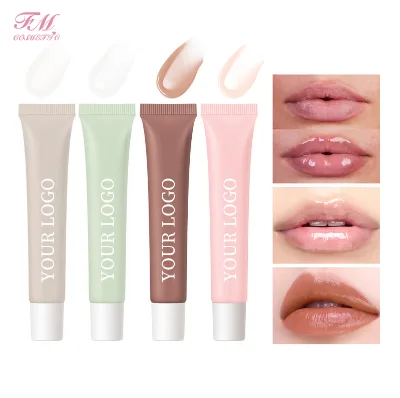
Moisturizing Lip Balm Perfect for on-The-Go Moisture and Makeup Prep Lip Balm
$0.32 - $0.44
MOQ: 12000 Pieces






Comprehensive Sourcing Guide
Strategic Sourcing Guide for Moisturizing Long Lasting Lip Balm Procurement
Understanding Product Formulations and Functional Attributes
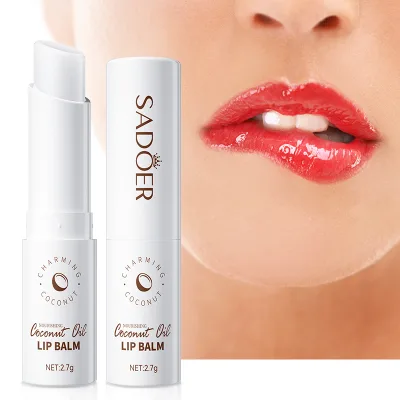
When sourcing a moisturizing long-lasting lip balm, the primary objective is to identify products that balance hydration with durability. The market offers diverse formulations, ranging from herbal-based sticks to mineral pencils and liquid butters. Based on available product data, the "Form" attribute varies significantly, with options including Stick, Pencil, and Liquid configurations. Each form serves distinct application needs; for instance, a Stick form is typically associated with direct application and portability, while a Pencil form offers precision, and a Liquid form may indicate a butter-based texture like the "Moisturizing Butter Lip Balm" observed in the supply chain.
The functional requirements for a "long-lasting" product often intersect with specific performance claims. Buyers should look for attributes explicitly stating "Waterproof" or "Repairing Chapped Dry Lip" capabilities. These functions suggest the inclusion of ingredients designed to create a barrier against environmental factors while simultaneously addressing dryness. The "Main Ingredient" is another critical differentiator. Supply data indicates the presence of both "Herbal" and "Mineral" based products. Herbal ingredients often appeal to consumers seeking natural or organic solutions, whereas mineral-based formulations may focus on sun protection or specific texture profiles. For a product labeled as "Organic Lip Balm," the sourcing team must verify the organic certification status, as the term "Organic" carries specific regulatory weight depending on the target market.
Volume and packaging standards also play a pivotal role in the user experience. Observed specifications include volumes such as 4g, 15ml, and 3g. The "Standard" attribute often mirrors these volumes, indicating that the product size is a defining characteristic of the model. Packaging formats range from "Normal Package" to "Box" or "Boxes," which influences both the retail presentation and the logistics of shipping. A "Single Package Size" of 10x10x10 cm provides a baseline for logistics planning, though actual dimensions will vary based on the specific model and quantity ordered.
Compliance, Certification, and Regulatory Standards
Navigating the regulatory landscape is essential for importing lip balms, particularly those marketed with health or cosmetic claims. The supply chain data highlights several key certifications that buyers should prioritize during supplier vetting. High-confidence facts indicate that products may carry "MSDS" (Material Safety Data Sheet), "FDA" (Food and Drug Administration), "GMP" (Good Manufacturing Practice), and "ISO" certifications. The presence of GMP and ISO certifications suggests that the manufacturing facility adheres to quality management systems, which is crucial for maintaining product consistency and safety.
The "FDA" mention is particularly significant for markets like the United States, where lip products are regulated as cosmetics. While the data lists FDA as a certification, buyers must verify the specific scope of this compliance, as it often refers to facility registration or ingredient compliance rather than pre-market approval for every product. Similarly, "MSDS" is a standard requirement for shipping hazardous materials, ensuring that the chemical composition is documented for safety during transport.
For products claiming to be "Organic" or "Herbal," additional verification is necessary. The data notes "Private Label" availability, which implies that suppliers can customize formulations. However, private labeling does not automatically confer organic status. Buyers must request specific documentation to substantiate organic claims, such as USDA Organic or equivalent regional certifications. The "Standard" attribute listed as "4g" or "15ml" refers to volume, but buyers should also inquire about the specific industry standards (e.g., ISO 22716 for cosmetics) that the manufacturer follows to ensure the product meets international safety benchmarks.
Cost Drivers and Minimum Order Quantity Analysis
The economics of sourcing lip balms are heavily influenced by the Minimum Order Quantity (MOQ) and the complexity of customization. The observed MOQ range in the market is broad, spanning from 2 units to 12,000 units. This variance allows flexibility for different business models, from small startups testing the market to large retailers stocking inventory. Specific data points show MOQs of 50 PCS, 100 PCS, and higher thresholds like ≥1000 or 3000 Pcs for custom orders.
Customization is a primary cost driver. The data confirms that "Customization" is available, with services including "Custom Formula, Design, Packing, Shooting." When a buyer opts for a private label with a custom formula, the MOQ typically increases to cover the setup costs for production lines and the sourcing of specific raw materials. For example, a standard "Sunscreen Lip Balm" might have a lower MOQ compared to a fully customized "Moisturizing Butter Lip Balm" with unique branding and packaging.
Pricing is another variable, with observed listed prices ranging from $0.18 to $10.33 USD. This wide range reflects differences in ingredient quality, brand positioning, and order volume. The lower end of the spectrum likely corresponds to bulk, generic formulations with minimal packaging, while the higher end may include premium ingredients, complex packaging (such as boxes), or specialized functions like sun protection. Buyers should anticipate that the unit price will decrease as the order quantity moves up the scale, but the initial investment for custom orders will be higher due to the setup fees and minimum thresholds.
Supplier Evaluation and Operational Capabilities
Evaluating a supplier for lip balm procurement requires a deep dive into their operational capabilities and geographic location. The supply data indicates origins in "Guangzhou," "China," and "Zhejiang, China," with a broader region noted as "Guangdong China." These regions are known for their robust cosmetic manufacturing ecosystems, offering access to a wide range of raw materials and skilled labor. However, buyers should verify the specific factory location to ensure it aligns with their logistics strategy and to assess the proximity to ports for efficient shipping.
Supplier capabilities extend beyond manufacturing to include service offerings. The data highlights "ODM/OEM" services, indicating that suppliers can handle both Original Design Manufacturing and Original Equipment Manufacturing. This flexibility allows buyers to either provide their own designs or rely on the supplier's expertise to develop a product. The "Advantage" field mentions "Samples Order," which is a critical feature for buyers to validate product quality before committing to large orders. A supplier that readily provides samples demonstrates confidence in their product and a willingness to engage in a transparent procurement process.
Payment terms are another factor in supplier evaluation. The observed terms include "T/T" (Telegraphic Transfer), "West Union," "Money Gram," and "Ect." Buyers should prefer secure payment methods that offer protection, such as letters of credit or escrow services, especially for first-time transactions. The "Lead Time" is listed as "7-10 Days" for certain products, which is relatively fast. However, this timeline may vary based on the complexity of the order, the availability of raw materials, and the customization level. Buyers must confirm the lead time for their specific order to ensure it aligns with their inventory planning and market launch schedules.
Quality Control and Technical Verification
Maintaining product quality is paramount in the cosmetics industry, where consumer trust is built on safety and efficacy. The "Function" attributes observed, such as "Moisturizing," "Makeup," and "Repairing Chapped Dry Lip," require rigorous testing to ensure the claims are accurate. Buyers should request test results or certificates of analysis (CoA) that verify the product's performance. For instance, a "Waterproof" claim should be supported by water-resistance testing data.
The "Color" attribute, noted as "Multi-Colored," introduces another layer of quality control. Consistency in color across batches is essential for brand integrity. Buyers should establish clear color standards and request sample approvals before mass production. Additionally, the "Form" of the product, whether Stick, Pencil, or Liquid, must be consistent with the design specifications. Any deviation in texture or application could lead to customer dissatisfaction.
Quality control should also encompass packaging integrity. The "prod_packing" attribute lists options like "Normal Package," "Box," and "Boxes." Buyers must ensure that the packaging protects the product from contamination and damage during transit. For liquid or butter-based balms, leakage is a significant risk, so packaging seals and materials must be robust. The "Single Package Size" of 10x10x10 cm serves as a reference, but the actual packaging dimensions and materials should be verified to ensure they meet the buyer's logistical and aesthetic requirements.
Long-Term Procurement and Market Adaptability
Sourcing a moisturizing long-lasting lip balm is not just a one-time transaction but a strategic partnership that requires long-term planning. The availability of "Private Label" services suggests that suppliers are equipped to grow with the buyer's brand. As the market evolves, buyers may need to adjust their product formulations, packaging, or branding. A supplier with strong ODM/OEM capabilities can adapt to these changes, offering new formulas or designs as consumer preferences shift.
The "Use" attribute, listed as "Everyday Makeup," indicates that the product is intended for daily wear. This implies a need for consistent supply and reliability. Buyers should establish a relationship with a supplier that can handle recurring orders and maintain inventory levels to prevent stockouts. The "Lead Time" of 7-10 days is a positive indicator, but buyers should negotiate longer-term agreements that guarantee supply chain stability, especially during peak seasons or global supply disruptions.
Furthermore, the "Advantage" of "Samples Order" and "OEM/ODM" suggests that suppliers are open to collaboration. Buyers should leverage this flexibility to test new markets or product variations. For example, if a specific color or ingredient becomes popular, the supplier should be able to pivot quickly. The "Gender" attribute, noted as "Female," highlights a specific target demographic, but buyers should consider whether the product can be marketed to a broader audience or if gender-specific marketing is essential for their strategy.
In conclusion, sourcing a moisturizing long-lasting lip balm requires a comprehensive approach that balances technical specifications, regulatory compliance, cost efficiency, and supplier reliability. By carefully evaluating the form, ingredients, certifications, and operational capabilities of potential suppliers, buyers can secure a product that meets their quality standards and market demands. The broad range of MOQs and customization options provides the flexibility needed to scale operations, while the emphasis on quality control and long-term partnership ensures sustained success in the competitive cosmetics market.
FAQs
How can I find waterproof Moisturizing Long Lasting Lip Balm options?
You can find waterproof options by filtering for products with the waterproof function attribute. The supply data confirms specific models offer this capability alongside repairing chapped dry lip functions. Buyers should verify the main ingredient type, such as herbal or mineral, to ensure it meets their specific hydration needs while maintaining durability.
What certifications are available for these lip balm products?
Available certifications include MSDS, FDA, GMP, and ISO depending on the specific manufacturer. High-confidence facts indicate that products often carry GMP and ISO marks to ensure quality management systems are in place. Buyers must verify the specific scope of FDA compliance and request documentation for any organic claims before finalizing orders.
Which minimum order quantities are typical for custom lip balms?
Minimum order quantities range widely from 50 pieces to 3000 pieces or more for custom orders. Standard models may start at 100 pieces, while fully customized private label services often require at least 1000 units. The specific MOQ depends on the customization level, such as custom formulas or unique packaging designs requested by the buyer.
Can suppliers provide samples before I place a large order?
Yes, suppliers explicitly offer sample orders as a key advantage for verifying product quality. This allows buyers to test the texture, color, and performance of items like the moisturizing butter lip balm before committing to bulk production. It is recommended to request samples early to validate the lead time and packaging integrity.
What are the common product forms for moisturizing lip balms?
Common forms include stick, pencil, and liquid configurations like moisturizing butter balms. Each form serves different application needs, with sticks offering portability and pencils providing precision. The choice of form often correlates with the main ingredient, such as herbal sticks or mineral pencils, affecting the user experience.
How long does it take to receive an order after payment?
The standard lead time for production is typically 7 to 10 days for certain products. This timeline may vary based on the complexity of customization, such as private labeling or custom formula development. Buyers should confirm the specific lead time for their order to ensure it aligns with their inventory planning and market launch schedules.
Where are these lip balm manufacturers primarily located?
Manufacturers are primarily located in Guangzhou, Zhejiang, and the broader Guangdong region of China. These areas are known for robust cosmetic manufacturing ecosystems with access to raw materials. Buyers should verify the specific factory location to align with their logistics strategy and assess proximity to ports for efficient shipping.