Find Montessori Baby Walker with Cartoon Car for play, travel, and learning
Source 30 options for the Montessori Baby Walker with Cartoon Car designed to support early walking skills. Buyers can compare features like foldability, wheel types, and load capacity across multiple models from Chinese manufacturers.
Key considerations
Products List
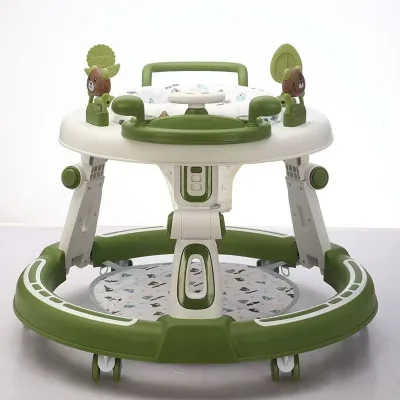
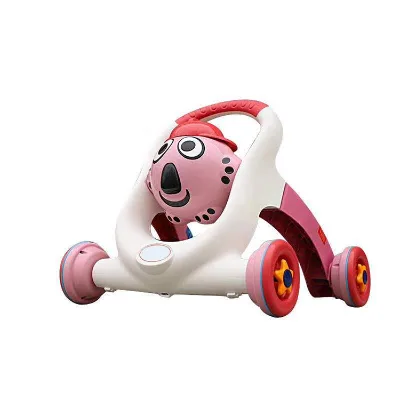
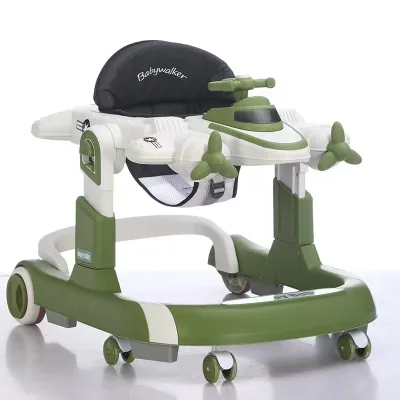
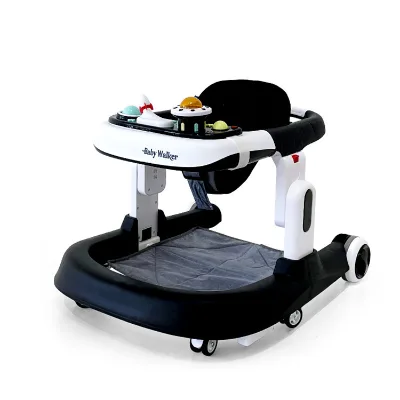
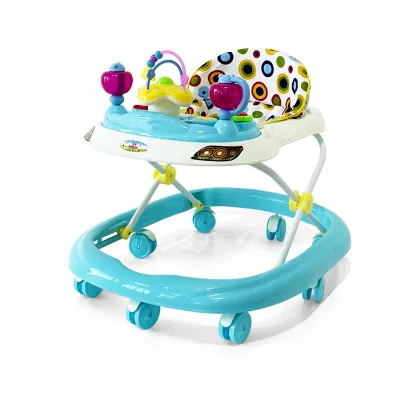
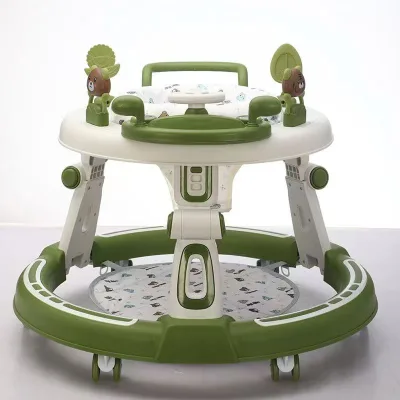
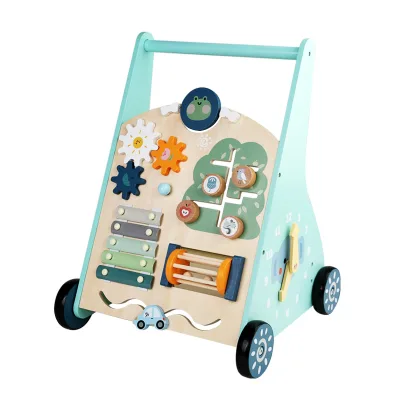

Intellectual & Educational Classic Wooden Toys Baby Walker with Car Shapes
$11.50 - $12.90
MOQ: 1000 Pieces

Infant Wooden Baby Push Walker Toy Multifunction Learning Activity Children 12month +
$13.30 - $14.50
MOQ: 1000 Pieces


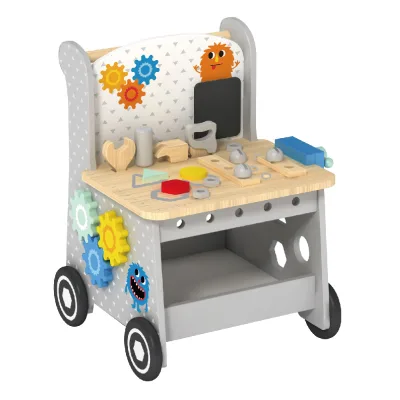


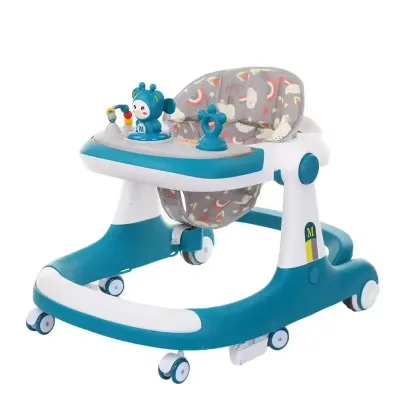
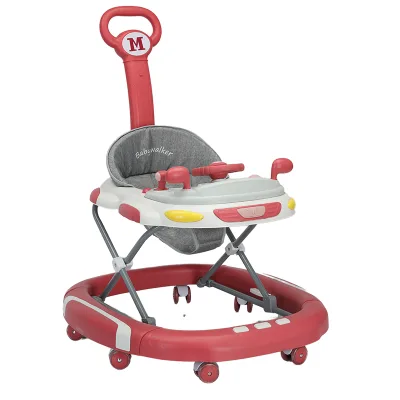

Design Multi-Functional Tollder Walking Chair Baby Learning Walker with Toy
$11.18 - $11.50
MOQ: 50 Pieces


0wholesale Easy Foldable Kids Walking Chair Baby Toys Educational Interactive Walker
$15.80 - $16.80
MOQ: 10 Pieces

Plastic 3 in 1 Toddler Trolley Multi-Functional Baby Learn to Walk Toy Walker
$8.50 - $9.00
MOQ: 50 Pieces



Comprehensive Sourcing Guide
Strategic Sourcing Guide for Montessori-Style Baby Walkers with Cartoon Car Designs
Understanding the Product Category and Design Philosophy
The search for a "Montessori Baby Walker with Cartoon Car" requires a nuanced understanding of how modern infant mobility aids intersect with educational philosophy and playful design. In the context of B2B procurement, this category often blends the structural integrity of a traditional walker with the aesthetic appeal of a ride-on vehicle. The "cartoon car" element typically refers to the visual styling of the frame, seat, or wheels, designed to engage toddlers through familiar, colorful imagery.
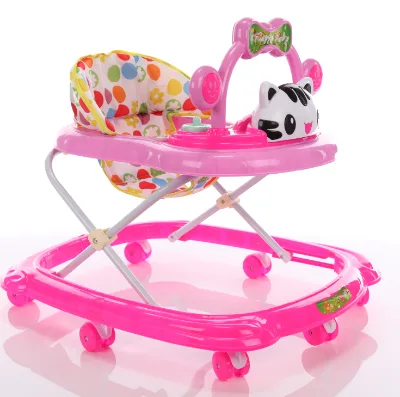
Based on current market observations, these products are not merely toys but functional mobility aids intended to support early development. The core attributes observed in the supply chain indicate a focus on "Learn Walking" as a primary function. This aligns with Montessori principles of fostering independence and motor skill development, provided the equipment is stable and age-appropriate. The visual design, often featuring bright colors like pink, green, blue, red, and orange, serves as a sensory tool to attract the child's attention, encouraging interaction and movement.
Buyers must recognize that while the term "Montessori" is often used in marketing to denote a child-centered, non-restrictive approach, the physical product must strictly adhere to safety and developmental appropriateness. The "cartoon car" aspect is a stylistic overlay on a functional frame. In the observed product data, the frame material is frequently stainless steel or wood, providing a sturdy base that supports the aesthetic shell. The presence of eight rotating or swivel wheels is a common specification, designed to facilitate smooth movement across various surfaces, which is critical for a walker intended to mimic the freedom of a car.
Technical Specifications and Functional Attributes
When evaluating potential suppliers for this specific niche, technical specifications must be scrutinized to ensure the product meets the demands of both safety and usability. The structural integrity of the walker is paramount. Data from the supply chain indicates that frame materials are predominantly stainless steel, offering high durability and resistance to corrosion, which is essential for products that may be cleaned frequently or used in humid environments. Alternatively, some variants utilize wood, which aligns closely with the natural aesthetic often associated with Montessori environments.
The load-bearing capacity is a critical technical parameter. Observed specifications list load-bearing limits ranging from 9kg to 20kg (approximately 20lbs to 44lbs). This variance suggests that buyers must verify the specific model's capacity against the target demographic. For a walker intended for infants and toddlers, the 15kg to 20kg range is generally more robust for active users, while the 9kg limit may be suitable for younger infants or lighter models. The age group specifications further refine this selection, with most products targeting the 0-6 months to 3 years (0-36 months) range. However, some listings extend the age range to 7-12 years or even up to 14 years, which indicates a broader categorization of "ride-on" or "balance car" hybrids rather than traditional walkers. Procurement teams must distinguish between a true baby walker for early mobility and a ride-on toy for older children to ensure the product matches the intended use case.
The folding mechanism is another key technical feature. The attribute "Is Foldable: Yes" is prevalent, indicating that space-saving design is a priority for both manufacturers and end-users. This feature is particularly valuable for commercial buyers supplying specialty stores or supermarkets where display space is limited, as well as for parents who need to store the item in vehicles or small apartments. The packaging details often reflect this, with options for 1, 2, or 4 pieces per carton, allowing for flexible logistics planning.
| Feature Category | Observed Specification | Procurement Consideration |
|---|---|---|
| Frame Material | Stainless Steel, Wood | Verify finish quality; steel for durability, wood for aesthetic alignment. |
| Load Bearing | 9kg, 15kg, 20kg | Match to target age group; 20kg is standard for active toddlers. |
| Wheel Configuration | 8 Rotate/swivel Wheels | Ensure smooth rotation; check for locking mechanisms if required. |
| Foldability | Yes | Confirm folding mechanism ease and stability when unfolded. |
| Age Group | 0-6 months to 3 years (primary) | Verify specific model limits; avoid models exceeding safety standards. |
| Color Options | Pink, Green, Blue, Red, Orange | Assess color fastness and safety of paints/coatings. |
Compliance, Certification, and Safety Verification
Safety is the non-negotiable foundation of any procurement decision involving infant products. While the provided data explicitly lists CE certification as a high-confidence fact, buyers must treat this as a baseline requirement rather than a comprehensive safety guarantee. The CE mark indicates conformity with health, safety, and environmental protection standards for products sold within the European Economic Area. However, the presence of a CE mark on a product listing does not automatically validate that every specific unit meets the rigorous testing protocols required for baby walkers.
Buyers should verify the specific scope of the certification. The observed data mentions standards such as EN71, ISO9001, and ISO 27001 in a low-confidence background section. It is crucial to understand that ISO 27001 relates to information security and is irrelevant to physical product safety, while ISO 9001 pertains to quality management systems. The EN71 standard, which covers safety of toys, is highly relevant. However, since the data does not confirm that every listed product has passed EN71 testing, procurement teams must request specific test reports from the supplier.
The "Montessori" aspect of the product implies a focus on natural materials and non-toxic finishes. If the product features wooden components, the finish must be free from harmful chemicals like lead or phthalates. For steel frames, the paint or coating must be non-toxic and durable enough to withstand chewing or scratching. The "Easy install" feature mentioned in the product attributes suggests that assembly instructions must be clear and that the final assembled product must not have pinch points or sharp edges.
Furthermore, the "Place of Origin" is listed as Hebei and Zhejiang, China. While these are major manufacturing hubs, buyers should not assume uniform quality across all facilities in these regions. Due diligence requires auditing the specific factory's quality control processes. The "OEM: Accepted" attribute indicates that suppliers are willing to customize products, which introduces a risk: if the buyer modifies the design or materials, the original certification may no longer apply. Any OEM customization must be re-validated against the relevant safety standards before the product can be legally sold in the target market.
Cost Drivers and Pricing Dynamics
The pricing landscape for baby walkers with cartoon car designs is influenced by several key factors. The observed price range in the market is between $4.06 and $18.80 USD. This wide variance suggests significant differences in material quality, manufacturing complexity, and brand positioning. The lower end of the price spectrum likely corresponds to basic models with minimal features, perhaps using thinner gauge steel or simpler plastic components. The higher end likely reflects models with enhanced safety features, premium materials like solid wood, or more complex designs that include additional functionalities like music or rocking mechanisms.
Material costs are a primary driver. Stainless steel frames are generally more expensive than alternative metals but offer superior longevity. Wooden frames, while aesthetically pleasing, may incur higher processing costs for sanding and finishing. The inclusion of eight swivel wheels adds to the cost compared to models with fixed wheels, as the bearing mechanisms and assembly complexity are higher.
The "Supply Ability" varies significantly, with some suppliers claiming 100,000 pieces per day and others listing 10,000 pieces per day. This disparity affects pricing; high-volume manufacturers may offer lower unit costs due to economies of scale, but they may also have higher Minimum Order Quantities (MOQs). The observed MOQ range is 2 to 1000 units. For small retailers or startups, the lower MOQ of 2 units allows for low-risk market testing. However, for large-scale procurement, negotiating an MOQ closer to the higher end of the range could yield better unit pricing.
Packaging and logistics also impact the final cost. The "Packaging Details" indicate flexible options (1, 2, or 4 pieces per carton). Optimizing carton density can reduce shipping costs, especially for sea freight. The "Port of dispatch" is listed as Tianjin Port or Xingang, China. Buyers should factor in the distance from these ports to their destination and any potential tariffs or duties that may apply to baby products in their specific region.
Supplier Evaluation and Commercial Viability
Selecting the right supplier requires a holistic evaluation beyond just price and certification. The "Brand Name" field shows entries like "LUCHEN" and "Elisyia," indicating that some suppliers operate with their own branding while others may be white-label manufacturers. For buyers seeking to build their own brand, the "OEM: Accepted" attribute is a critical filter. It confirms that the supplier is capable of customizing the product with the buyer's logo, color schemes, and potentially unique design elements.
The "Commercial Buyer" field lists Specialty Stores, Super Markets, hotels, Drug Stores, and Gifts Stores. This suggests that the product has broad market appeal and is not limited to niche baby stores. Suppliers who have experience serving these diverse channels are likely to have more robust logistics and customer service capabilities. The "Holiday Selection" and "Occasion" attributes, such as "New Baby," "Camping," and "Travel," highlight the product's versatility. A supplier who understands these usage scenarios can provide better marketing support and product positioning advice.
When evaluating suppliers, buyers should assess their "Supply Ability" claims against their actual production capacity. A claim of 100,000 pieces per day is impressive but requires verification. Buyers should request evidence of production lines, workforce size, and inventory management systems. The "Place of Origin" being Hebei or Zhejiang is standard, but the specific factory's reputation and history should be checked. References from other international buyers can provide insight into the supplier's reliability and consistency.
Quality Control and Long-Term Procurement Strategy
Implementing a rigorous quality control (QC) protocol is essential for mitigating risks in the baby walker market. Given the safety-critical nature of the product, a pre-shipment inspection is mandatory. This inspection should verify the structural integrity of the frame, the stability of the wheels, and the safety of the folding mechanism. Visual inspections should check for paint defects, sharp edges, and proper labeling.
For long-term procurement, buyers should consider the "Season" and "Room Space" attributes. The product is noted for suitability in "Fall" and spaces like "Kitchen," "Kids Room," and "Outdoor." This versatility suggests a year-round demand, but marketing strategies may need to adapt to seasonal trends. For instance, promoting the product as a "New Baby" gift during the holiday season or emphasizing its portability for "Travel" during summer months.
The "Feature" of being an "Easy install walker toy" implies that assembly instructions must be foolproof. Poor instructions can lead to customer complaints and safety incidents. Buyers should request sample kits to test the assembly process and ensure that the instructions are clear, multilingual, and include safety warnings.
Finally, the "Product name" and "Model Number" (e.g., LCBW0028, LCBW0040, LCBW0016) indicate that suppliers often have multiple SKUs. Buyers should establish a clear mapping of these model numbers to their specific requirements to avoid confusion in future orders. Maintaining a consistent relationship with a supplier who can provide stable model numbers and consistent quality over time is key to building a reliable supply chain. By focusing on these strategic elements, buyers can secure a steady supply of high-quality, safe, and engaging baby walkers that meet the demands of the modern market.
FAQs
What materials are used for the frame of these walkers?
The frames are constructed from stainless steel or wood to ensure durability and safety. Stainless steel offers high resistance to corrosion, while wood aligns with natural Montessori aesthetics. Buyers should verify the specific finish quality to ensure non-toxic coatings suitable for infants.
Which age groups can safely use these baby walkers?
Most models are designed for children aged 0 to 36 months, covering the 0-6 months and 6 months to 3 years ranges. Some variants extend to older ages as ride-on cars, so verify the specific load-bearing limits against the child's weight before purchase.
How much weight can these walkers support?
Load-bearing capacities typically range from 9kg to 20kg depending on the specific model and design. The 20kg limit is standard for active toddlers, while 9kg models suit younger infants. Always check the product specification sheet to match the capacity with the user's weight.
Can these walkers be folded for easy storage?
Yes, the majority of these walkers feature a foldable design to save space in homes or vehicles. This attribute is common across listings, allowing for convenient transport and compact storage in kitchens, kids rooms, or during travel without compromising structural stability.
What certifications do these products typically hold?
CE certification is a documented fact for many of these baby walkers, indicating conformity with European safety standards. While other standards like EN71 are relevant, buyers must request specific test reports to confirm compliance, as the presence of a mark does not guarantee every unit passes rigorous testing.
Which colors are available for these walker designs?
Available colors include pink, green, blue, red, and orange to engage toddlers through bright, familiar imagery. These options serve as sensory tools to attract attention and encourage movement. Buyers should assess color fastness and the safety of paints used on the frames and wheels.
Can suppliers accept custom branding requests?
Yes, OEM services are accepted by many suppliers, allowing for custom logos and color schemes. However, any design modifications must be re-validated against safety standards before sale. Buyers should confirm that the customization process does not void existing certifications or compromise product safety.