Source Night Sleep Nasal Strip for Snoring, Congestion, and Sleep Apnea
Source 30 night sleep nasal strip options from verified Chinese manufacturers. Compare features like drug-free ventilation, ISO and CE certifications, and OEM services to find the right solution for snoring relief and nasal congestion; compare the available evidence and request quotations based on your requirements.
Key considerations
Products List







Comprehensive Sourcing Guide
Night Sleep Nasal Strip Sourcing Guide
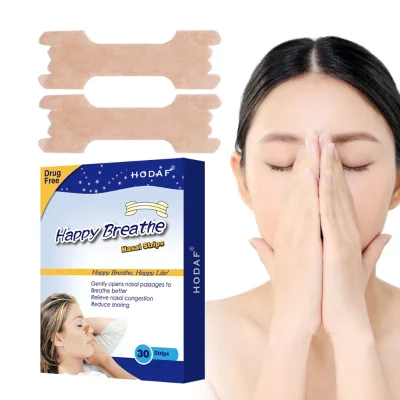
Buyers evaluating night sleep nasal strips must first distinguish between general ventilation aids and specific therapeutic devices, as the market contains diverse product types ranging from simple adhesive strips to specialized snore stoppers. The observed listings indicate a primary function of nasal patch ventilation designed to relieve congestion and improve sleep quality, often marketed as drug-free solutions for adults. Procurement teams should verify that the product type aligns with their specific clinical or consumer needs, noting that some listings explicitly categorize these items as herbal supplements while others define them strictly as external use medical devices.
The commercial landscape for these strips shows a wide variance in minimum order quantities, ranging from small trial batches of two units to massive wholesale orders exceeding fifty thousand pieces. This disparity suggests that suppliers cater to both small private label startups and large-scale distributors, requiring buyers to carefully align their volume requirements with supplier capabilities. Additionally, the availability of customized logos and OEM services indicates that branding is a significant factor in the sourcing strategy, allowing companies to create distinct market identities while leveraging established manufacturing infrastructure in regions like Hebei and Guangdong.
Product Scope and Observed Listing Signals
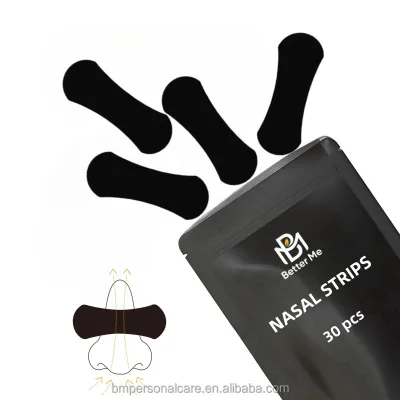
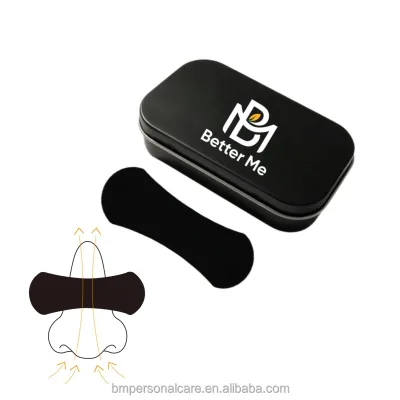
When analyzing product listings, buyers should note that the core function is consistently described as nasal patch ventilation, yet the product names vary from generic "Nasal Strips" to specific branding like "Better Breath Nasal Strips." The physical attributes observed include skin color and transparent options, with some listings specifying a wheat color, which suggests a need for clear visual differentiation during the selection process. It is critical to confirm whether the product is intended for external use only, as some data points mention conditions like "Used" or "Nature," which may imply specific manufacturing contexts or material origins that require further clarification.
The material composition is a key signal for quality assessment, with observed listings specifying spunlace fabric, hot melt glue, and release paper as standard components. These materials are essential for ensuring the strip adheres effectively to the skin without causing irritation, a crucial factor for overnight wear. Buyers must verify that the specific model numbers, such as HD-NP3 or XWY series, correspond to the desired patch dimensions, as sizes like 55x16mm or 66x19mm are available, and selecting the wrong size can compromise the ventilation efficacy and user comfort.
Technical Specifications to Verify
Technical verification begins with the precise dimensions of the adhesive patch, as the observed data lists multiple size configurations including 55x16mm and 66x19mm per piece. Procurement teams must ensure that the selected model number matches the required physical specifications for their target demographic, particularly since the age group is specified as adults. The standard packaging dimensions, such as 7.5cm x 1.2cm x 10.5cm per box, also influence logistics planning and shelf space requirements, making it essential to confirm these metrics before finalizing any purchase agreement.
Beyond physical dimensions, the functional features of the strip must be validated against the intended use case, such as nasal congestion relief or snore reduction. The observed listings highlight features like being drug-free and effective, which are critical selling points that must be substantiated by the supplier's technical data. Buyers should also check the waterproof capabilities and the specific nature of the adhesive, ensuring that the hot melt glue used provides sufficient hold throughout the night without damaging the skin upon removal, as these factors directly impact user satisfaction and repeat purchase rates.
Compliance and Safety Documentation
Navigating the compliance landscape for night sleep nasal strips requires careful attention to the various certifications listed in supplier profiles, which include ISO, CE, FDA, and GMP standards. The presence of multiple certification types, such as ISO13485 for medical devices and MSDS for material safety, indicates that different suppliers may adhere to different regulatory frameworks depending on their target markets. Buyers must verify that the specific certifications held by a supplier match the regulatory requirements of their destination country, as a product certified for one region may not automatically be compliant in another.
Safety documentation extends beyond general certifications to include specific test results and material safety data sheets that confirm the non-toxic nature of the components. The observed listings mention certifications like COA and FSC, which suggest a focus on quality assurance and environmental standards, but these must be cross-referenced with the actual product batch to ensure consistency. Procurement teams should request up-to-date documentation for every shipment to confirm that the materials, such as the spunlace fabric and release paper, meet the necessary safety thresholds for prolonged skin contact during sleep.
Cost Drivers and Commercial Terms
The cost structure for night sleep nasal strips is heavily influenced by the minimum order quantity, which ranges widely from as low as two units to as high as fifty thousand pieces. This variation allows buyers to negotiate terms that fit their cash flow and inventory strategy, but it also means that unit prices will fluctuate significantly based on volume. The observed price range of 0.01 to 2.3 USD per unit suggests that economies of scale play a major role, and buyers should calculate the total landed cost, including shipping and tariffs, rather than focusing solely on the per-unit sticker price.
Commercial terms also encompass customization services, with many suppliers offering OEM, ODM, and private label options that can add value but also increase costs. The ability to customize logos and packaging is a significant driver of price, as it requires additional setup and production time. Buyers should clarify whether the cost of samples, which are often offered as free patches, is included in the final order or if there are hidden fees for shipping these samples. Understanding the full scope of these commercial terms is essential for accurate budgeting and avoiding unexpected expenses during the procurement process.
Supplier Qualification and Quality Control
Supplier qualification for nasal strips requires a thorough review of their manufacturing origins, with observed data pointing to production in Hebei, Guangdong, and Anhui provinces in China. These regions are known for their textile and medical device manufacturing capabilities, but buyers must verify the specific factory conditions and quality control protocols in place. The presence of services like OEM and ODM indicates that suppliers have the flexibility to adapt to client needs, but this flexibility must be balanced with rigorous quality assurance measures to ensure product consistency.
Quality control processes should be validated through the supplier's adherence to standards like ISO13485 and their ability to provide Certificates of Analysis (COA) for each batch. Buyers should inquire about the shelf life of the products, which is observed to be three years, and ensure that the packaging specifications, such as bag or box packing, protect the strips from moisture and contamination during storage and transit. Establishing a clear communication channel for quality issues and defining the acceptance criteria for defects is crucial for maintaining a reliable supply chain and protecting the brand reputation.
Long-Term Procurement Checks
Sustaining a successful procurement relationship for night sleep nasal strips involves regular audits of the supplier's ability to maintain consistent quality and compliance over time. Buyers should monitor changes in certification status, such as the renewal of FDA or CE approvals, to ensure that the products remain eligible for sale in their target markets. The long-term viability of the supply chain depends on the supplier's capacity to scale production while maintaining the specific material standards, such as the use of spunlace fabric and hot melt glue, that define the product's performance.
Additionally, buyers must track market trends and consumer feedback to ensure that the product features, such as the drug-free nature and ventilation efficacy, continue to meet evolving customer expectations. The availability of free samples and the flexibility of customization services should be leveraged to test new formulations or designs periodically. By maintaining a proactive approach to supplier management and regularly reviewing performance metrics, procurement teams can mitigate risks and ensure a steady supply of high-quality night sleep nasal strips for their customers.
FAQs
What certifications do the nasal strips hold?
The products hold ISO, CE, FDA, GMP, and MSDS certifications. Some listings also include ISO13485, COA, and FSC certificates. These documents verify compliance with international safety and quality standards for medical and wellness devices.
Can I get a free sample of the strips?
Yes, suppliers offer 2 to 4 patches as free samples. This allows buyers to test the spunlace fabric and adhesive quality before placing a bulk order. Samples are available for verification of the product's drug-free and effective nature.
What is the minimum order quantity for purchase?
The minimum order quantity ranges from 2 to 50,000 pieces depending on the supplier. One specific listing requires 30,000 units as the standard MOQ. Buyers should confirm the exact threshold with the manufacturer before finalizing the transaction.
How are the nasal strips packaged for shipment?
Packaging options include bag packing, box packing, and carton shipping. Specific box dimensions vary, such as 7.5cm by 1.2cm by 10.5cm per box. The standard packing specification often lists 1 piece per bag and 10 bags per box.
Is customization available for the product logo?
Customized logo printing is available for most orders. Buyers can request OEM and ODM private label services to brand the strips. However, some specific listings may offer options without logo printing depending on the selected model number.
Where are these nasal strips manufactured?
Manufacturing locations include Hebei, Guangdong, and Anhui in China. Different models originate from these specific provinces. Buyers should verify the exact place of origin for their selected model to ensure accurate logistics planning and shipping estimates.
What materials are used to make the strips?
The strips are constructed from spunlace fabric, hot melt glue, and release paper. This combination ensures the product is waterproof and suitable for external use. The material composition supports the indication of nasal congestion relief and improved sleep quality.