Source Montessori Puzzle for Early Learning, Skill Building, and Play
Find 30 verified options for the Montessori Puzzle designed for early learning, skill building, and play. Buyers can compare specifications, certifications, and customization features across multiple suppliers to select the best fit for their needs.
Key considerations
Products List




Comprehensive Sourcing Guide
Montessori Puzzle Sourcing Guide
Sourcing high-quality wooden puzzles requires a disciplined approach that balances educational efficacy with rigorous safety standards. The global market for these items is robust, with a significant concentration of manufacturing capacity in China, particularly in regions like Zhejiang. Buyers must navigate a landscape where product attributes vary widely, from simple shape sorters for infants to complex geometric puzzles for older children. Understanding the specific material compositions, certification requirements, and commercial terms is essential for mitigating risk and ensuring that the final product meets both regulatory obligations and brand expectations.
This guide provides a structured framework for evaluating suppliers and products in the Montessori Puzzle category. It focuses on observable listing signals, technical verification, compliance documentation, cost analysis, supplier qualification, and long-term procurement strategies. By adhering to these evidence-based practices, procurement professionals can make informed decisions that align with their quality standards and budgetary constraints, ensuring a successful sourcing outcome.
Product Scope and Observed Listing Signals
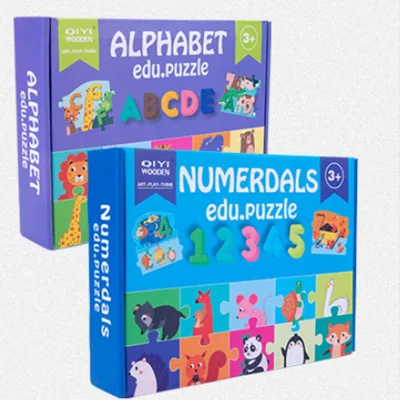
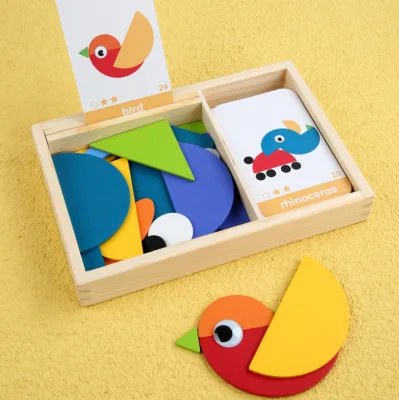
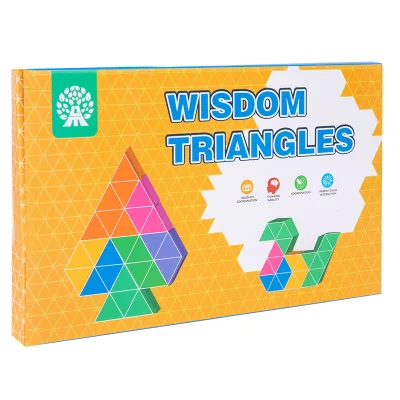
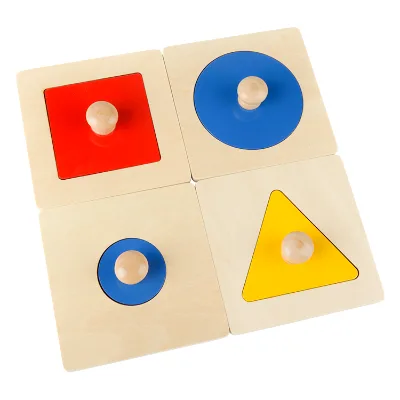
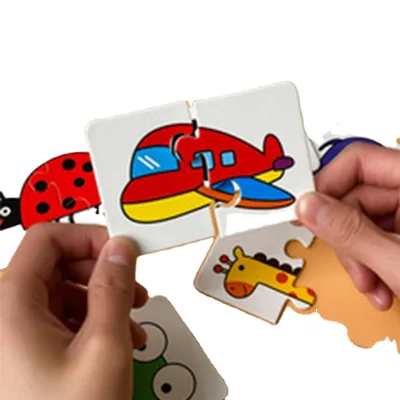
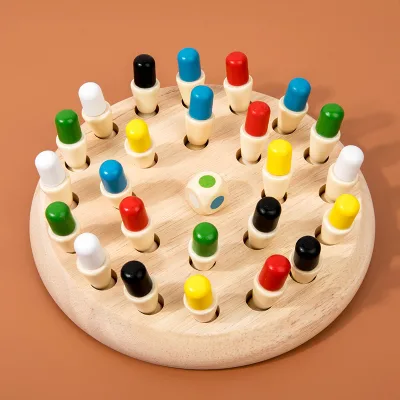
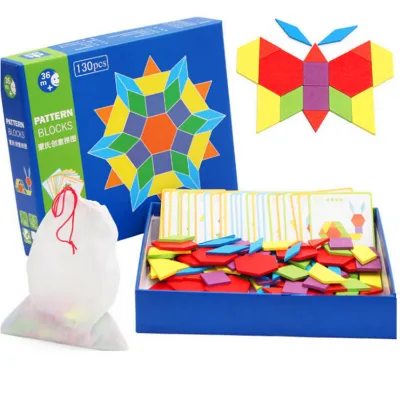
The current market for montessori puzzles exhibits a diverse range of product types, primarily categorized as pure wooden toys or other educational toys. Listings frequently highlight features such as eco-friendly materials, customization options, and specific age group targeting, ranging from infants under 24 months to children aged 14 and up. Buyers should observe that product descriptions often include keywords like "colorful triangle puzzle" or "single shape puzzles," indicating a focus on cognitive development and fine motor skill enhancement. The presence of customization support suggests that many manufacturers are equipped to handle OEM requests, allowing brands to tailor products to their specific design needs.
Observed listing data reveals a wide variance in pricing and minimum order quantities (MOQ), reflecting the heterogeneity of the supplier base. Prices for individual units can range significantly, while MOQs may start as low as one piece for samples or scale up to thousands for bulk production. Product models such as L68, L50, and HC-BB16 appear in various listings, often accompanied by specific packaging details like color boxes or paper cartons. Buyers must carefully distinguish between these observed signals and actual product capabilities, recognizing that not every listed attribute applies to every SKU. Verifying the exact product model and its associated specifications is crucial before committing to a purchase order.
Technical Specifications to Verify
Technical verification begins with a thorough examination of material composition and physical dimensions. Trusted category knowledge indicates that high-quality wooden puzzles typically utilize solid wood, plywood, or specific timber types like Schima. Buyers must confirm the exact material used, as this impacts durability, finish quality, and environmental impact. Additionally, product dimensions and single package sizes vary significantly across models; for instance, some puzzles measure approximately 30.5x19x2.5 cm, while others may be smaller, such as 17x17x6 cm. These dimensions directly influence packaging efficiency, shipping costs, and retail shelf placement, making precise verification a critical step in the sourcing process.
Weight and piece count are also key technical parameters that affect both logistics and user experience. Single gross weights can range from 0.45 kg to 0.700 kg, depending on the size and complexity of the puzzle. The number of puzzle pieces is another important factor, with some products featuring fewer than 50 pieces, suitable for younger children or simpler designs. Buyers should verify these specifications against their target market requirements, ensuring that the product’s physical characteristics align with the intended age group and educational objectives. Consistency in these technical details across production batches is essential for maintaining brand integrity.
Compliance and Safety Documentation
Compliance with international safety standards is non-negotiable for wooden toys, particularly those marketed to young children. Buyers must verify that suppliers hold valid certifications such as ASTM F963 for the US market and EN71 for Europe. These certifications ensure that the products meet rigorous requirements for mechanical, physical, and chemical safety. Additionally, some listings mention CE marking, which is mandatory for products sold in the European Economic Area. It is crucial to request and validate these certificates directly from the supplier, ensuring they are current and issued by accredited testing laboratories.
Beyond formal certifications, buyers should inquire about additional environmental and safety credentials, such as FSC certification for wood sourcing. While not always explicitly listed, FSC certification indicates responsible forest management, which is increasingly important to environmentally conscious consumers. Buyers must also verify that the products are free from harmful substances, such as lead paint or toxic adhesives, which are common concerns in wooden toy manufacturing. Requesting test reports from independent labs can provide further assurance of product safety, protecting the brand from potential liability and reputational damage.
Cost Drivers and Commercial Terms
Understanding the cost drivers in the Montessori Puzzle market is essential for effective budgeting and negotiation. Key factors influencing price include material quality, complexity of design, customization requirements, and order volume. Products with intricate designs or multiple components may command higher prices due to increased labor and manufacturing complexity. Customization, such as logo printing or unique packaging, can also add to the cost. Buyers should analyze these variables to determine the true value of each product and negotiate terms that reflect their specific needs and volume commitments.
Commercial terms, including MOQ, sample time, and payment conditions, vary widely among suppliers. Observed MOQs can range from 48 pieces to 4000 pieces, depending on the supplier’s production capacity and business model. Sample times are typically around 3-5 days, allowing buyers to evaluate product quality before placing bulk orders. Buyers should clarify these terms early in the sourcing process to avoid misunderstandings and ensure smooth transaction execution. Additionally, understanding the packaging details, such as palletization or outer carton specifications, is important for calculating total landed costs and optimizing logistics.
Supplier Qualification and Quality Control
Supplier qualification is a critical step in mitigating sourcing risks. Buyers should conduct thorough due diligence on potential suppliers, verifying their business licenses, production capabilities, and quality control systems. Suppliers located in established manufacturing hubs like Zhejiang, China, often have access to a robust supply chain and skilled labor force. However, buyers must still assess each supplier’s specific strengths and weaknesses, ensuring they align with the brand’s quality standards and ethical requirements. Requesting references or case studies from previous clients can provide valuable insights into the supplier’s reliability and performance.
Quality control measures should be integrated into the sourcing process from the outset. Buyers should establish clear quality standards and inspection criteria, covering aspects such as material integrity, finish quality, and packaging accuracy. Implementing pre-production samples and pre-shipment inspections can help identify and address potential issues before they impact the final product. Additionally, buyers should consider engaging third-party inspection agencies to conduct independent quality audits, providing an objective assessment of the supplier’s compliance with agreed-upon standards. This proactive approach ensures consistent product quality and reduces the risk of defects or non-conformities.
Long-Term Procurement Checks
Long-term procurement success depends on continuous monitoring and relationship management. Buyers should establish regular communication channels with their suppliers to stay informed about production updates, market trends, and potential challenges. Building a strong partnership with reliable suppliers can lead to better pricing, priority production, and improved service levels over time. Additionally, buyers should periodically review supplier performance metrics, such as on-time delivery rates, defect rates, and responsiveness to issues, to ensure ongoing alignment with business objectives.
As market conditions and regulatory requirements evolve, buyers must remain agile and adaptable. This includes staying updated on changes in safety standards, environmental regulations, and consumer preferences. Regularly reassessing the supplier base and exploring new sourcing opportunities can help mitigate risks and capitalize on emerging trends. By maintaining a proactive and strategic approach to procurement, buyers can ensure the long-term success and sustainability of their Montessori Puzzle product lines, delivering value to their customers and stakeholders.
FAQs
What certifications do these wooden puzzles have?
The products hold ASTM, CE, EN, EN71, and ASTM F963 certifications. These standards ensure safety for children aged 24 months and older. Packaging includes paper cartons or color boxes depending on the specific model selected for your order.
Can I customize the logo on these toys?
Yes, logo customization is supported and available for these wooden toys. You can request specific branding on the products. This service allows you to tailor the items to your brand identity while maintaining the eco-friendly wood material used in construction.
What is the minimum order quantity for these puzzles?
The minimum order quantity ranges from 1 to 4000 pieces depending on the supplier. Some specific listings require a minimum of 48 pieces per order. You should verify the exact MOQ for your chosen model before finalizing the purchase agreement.
How long does it take to get a sample?
Sample time is approximately 3 to 5 days for most items. This duration allows for quick evaluation of the product quality before placing a bulk order. The sample process supports the customization options available for these educational wooden toys.
Where are these wooden toys manufactured?
These products originate from China, specifically from the Zhejiang region. The manufacturing location ensures access to quality wood materials like plywood and Schima. Buyers can expect consistent production standards from these established sourcing locations.
What age groups are suitable for these puzzles?
The toys are designed for children ranging from 12 months up to 14 years and older. Specific models target age groups such as 2 to 4 years or 5 to 7 years. This wide range makes them versatile for various developmental stages and educational needs.