Source Moso Bamboo Poles for Garden, Decor, and Crafts
Explore 30 listings for Moso Bamboo Poles suitable for garden supports, decorative accents, and craft projects. Buyers can compare specifications like diameter, length, and finish to find the right natural bamboo solutions for their needs.
Key considerations
Products List


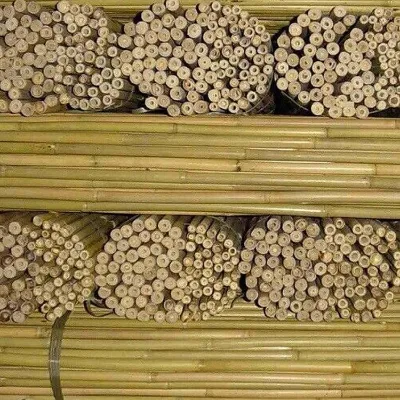
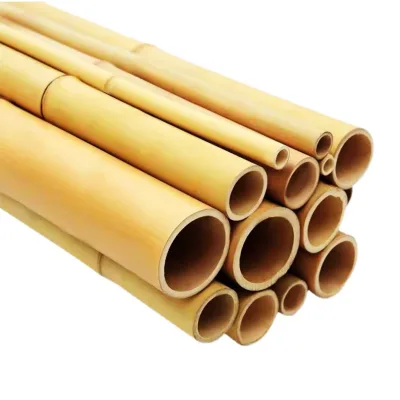
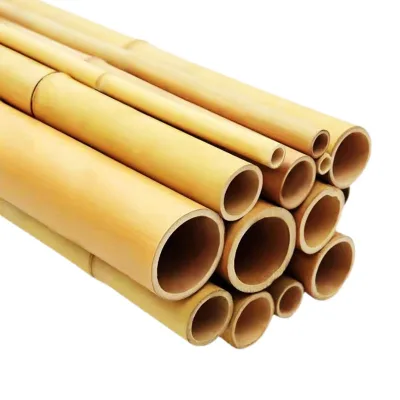
High Quality Bamboo Material Stakes Bamboo Poles Moso Raw Bamboo Poles
$0.11 - $0.13
MOQ: 30000 Pieces

High Quality Bamboo Material Stakes Bamboo Poles Moso Raw Bamboo Poles
$0.11 - $0.13
MOQ: 30000 Pieces




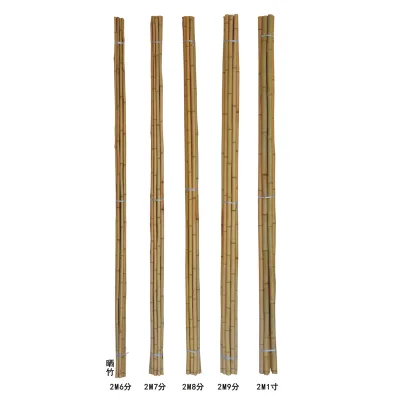

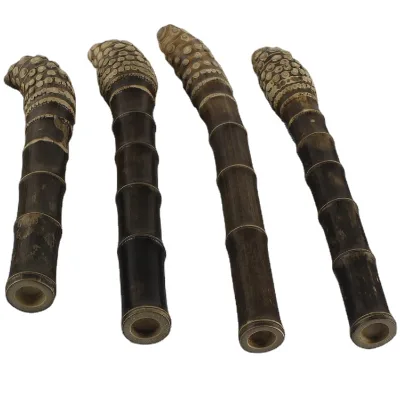

Comprehensive Sourcing Guide
Strategic Sourcing Guide for Moso Bamboo Poles
Understanding Product Specifications and Material Variability
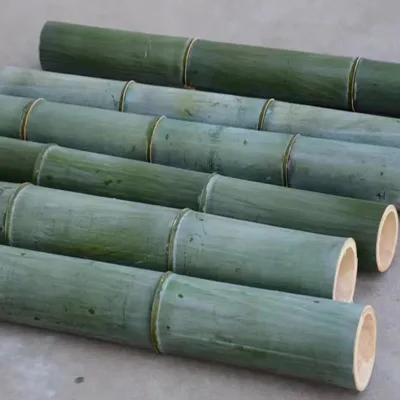
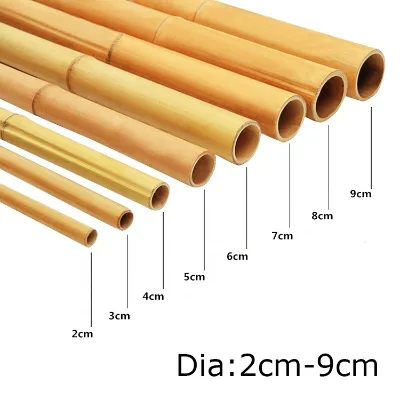
When sourcing Moso Bamboo Poles, buyers must first navigate a landscape of diverse product attributes that often appear contradictory in aggregated listings. The core material is consistently identified as bamboo, specifically the Moso variety, which is renowned for its structural integrity and rapid growth cycle. However, the specific physical dimensions and processing methods vary significantly depending on the intended application. The supplied data indicates that diameter ranges can span from 4mm to 26mm for specific trimmer line applications, while other listings suggest a broader diameter range of 6mm to 130mm for general pole applications. Length specifications are equally variable, with observed ranges extending from 20cm up to 290cm, and other data points suggesting a length range of 0.6 to 7 meters.
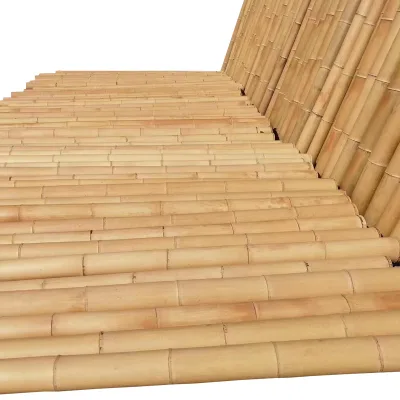
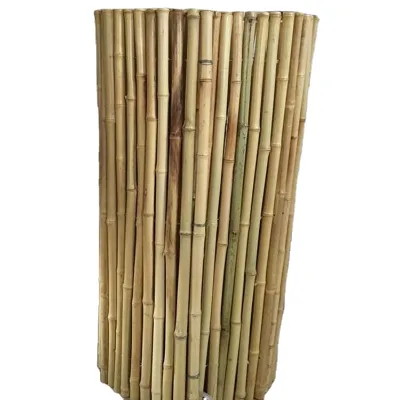
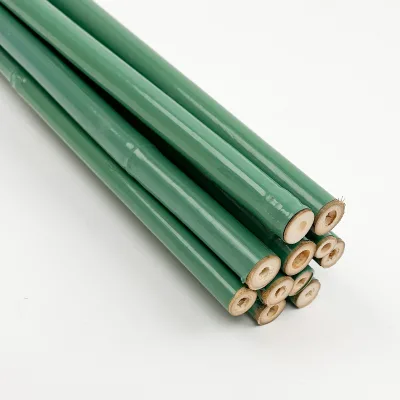
The distinction between "bamboo slats" and "poles" is critical in this context. Some product entries describe the material as woven bamboo slats, suitable for decorative purposes or flower pot supports, while others specify a "whole" part structure, indicating solid poles. The finish is typically described as smooth, achieved through specific processing techniques such as weaving or inkjet surface treatment. Color variations are also a key specification point; while the natural color is the most common, listings mention yellow, green, and natural green hues. Buyers must verify the exact diameter and length requirements against the specific model numbers provided, such as "moso," "bamboo pole," or "G010," as these identifiers often correlate with specific dimensional tolerances. The standard size of 300cm by 26-28mm appears in the data, but this should be treated as a reference point rather than a universal standard, as customized dimensions are frequently available.
Compliance, Certification, and Origin Verification
The geographic origin of the product plays a significant role in compliance and logistics planning. The supplied facts indicate production locations in Guangdong and Anhui, China. These regions are known for their bamboo cultivation and processing infrastructure. However, the presence of multiple origin points suggests a fragmented supply chain where different factories may produce similar items under different brand names, such as "SHEVEN" or "AHEVEN." Buyers must exercise caution when assuming that a specific brand name guarantees a specific origin or quality standard.
Regarding certifications and standards, the provided text mentions a "prod_standard" of 300cm X 26-28mm and 295CM 24-26mm, which are dimensional standards rather than safety or environmental certifications. There is no explicit mention of third-party certifications like FSC (Forest Stewardship Council) or ISO standards in the supplied facts. Therefore, buyers cannot assume that products labeled as "Eco-Friendly" or "Environmental Friendly" possess verified certification documents without direct inquiry. The term "Eco-Friendly" is listed as a feature, and the material is described as 100% bamboo, but the absence of specific certification data means that buyers must request proof of sustainable sourcing and chemical treatment compliance directly from the supplier. The "Sample Avaliable" attribute suggests that quality verification can be performed prior to bulk ordering, which is a crucial step in mitigating compliance risks.
Cost Drivers and Pricing Dynamics
The pricing structure for Moso Bamboo Poles is influenced by several factors, including customization, material grade, and order volume. The observed listed price range in the data is 0 to 6.61 USD, which likely represents unit prices for smaller components or specific configurations rather than bulk pole pricing. The Minimum Order Quantity (MOQ) varies drastically, ranging from 1 piece to 30,000 pieces. This wide variance indicates that the market accommodates both small-scale buyers seeking samples and large industrial purchasers.
A specific entry lists an MOQ of 1000 pieces, which serves as a benchmark for standard commercial orders. However, the ability to order as few as one piece suggests a flexible market where sample costs may be higher per unit than bulk rates. The "Customized" attribute is a significant cost driver; products with non-standard diameters, lengths, or surface treatments (such as inkjet printing) will likely command a premium over standard natural poles. Additionally, the processing method, whether it involves weaving or simple smoothing, affects labor costs. Buyers should anticipate that the final cost will be a function of the specific model number selected, the complexity of the surface treatment, and the total volume ordered. The "Shelf Life" of 360 days mentioned in the data also implies that storage and inventory management costs must be factored into the total cost of ownership, particularly for buyers who do not have immediate consumption plans.
Typical Applications and Usage Scenarios
Moso Bamboo Poles serve a wide array of applications, ranging from agricultural support to decorative arts. The data explicitly lists uses such as "Flower Pot Sticks Or Supports Or Decorations," "Garden Decoration," and "Artificial Bamboo Poles." This versatility makes the product suitable for both functional and aesthetic purposes. In an agricultural context, the poles are used to support plants, with instructions for use clearly stating "FOR PLANTS." The "Strong Straight" attribute, with dimensions like 360cm and 28/30mm, highlights the suitability of these poles for structural support in gardening and landscaping.
Beyond agriculture, the "Chinese" style and "Natural" color make these poles popular for souvenirs, gifts, and household decoration. The "Weave" processing method suggests that some products are designed for intricate decorative elements rather than simple structural poles. The "Business" suitability indicates that these items are also used in commercial settings, such as retail displays or event decorations. The "Content: BAMBOO" and "Ingredients: NO" attributes reinforce the natural composition of the product, making it a preferred choice for eco-conscious consumers. Buyers should align their procurement strategy with the specific application; for instance, structural garden supports require high straightness and specific diameters, while decorative items may prioritize color consistency and surface finish.
Supplier Evaluation and Quality Control Protocols
Evaluating suppliers for Moso Bamboo Poles requires a rigorous approach due to the variability in product descriptions and the lack of standardized certification data. The presence of multiple brand names and origin locations (Guangdong vs. Anhui) necessitates a verification process to ensure the supplier is the actual manufacturer or an authorized distributor. Buyers should request detailed product specifications that match the "prod_model" and "prod_standard" mentioned in the data. The "Sample Avaliable" feature is a critical tool for quality control; it allows buyers to physically inspect the "Smooth" finish, verify the "Natural" or "Yellow" color, and test the structural integrity of the "Strong Straight" poles.
Quality control should focus on the consistency of the diameter and length, as the data shows ranges rather than fixed values. Buyers must verify that the actual product matches the ordered specifications, particularly regarding the "Diameter Range" of 6-130mm or the specific 4/6mm to 24/26mm range. The "Surface Treatment" of inkjet or the "Processing" of weaving should be inspected for defects. Since the "Storage Type" is specified as "dry," buyers should also assess the supplier's storage facilities to ensure the bamboo is kept in conditions that prevent mold or warping. The "Shelf Life" of 360 days suggests that the product has a finite usable period, so buyers must ensure the supplier can guarantee the freshness of the stock.
Long-Term Procurement Considerations
Sourcing Moso Bamboo Poles is not merely a transactional activity but a strategic decision that impacts long-term supply chain stability. The "Customized" nature of the product means that buyers should establish clear communication channels with suppliers to maintain consistency in future orders. The "Woven Bag" packing method is noted, but buyers should consider whether this packaging is sufficient for long-distance shipping or if additional protection is required to prevent damage to the "Whole" poles.
The "Manpower" power source mentioned in the data is likely a misclassification or refers to manual processing, but it underscores the labor-intensive nature of the industry. This can lead to potential supply chain disruptions if labor costs rise or if there are seasonal variations in bamboo availability. Buyers should plan for lead times that account for the "Processing" and "Surface Treatment" steps. Furthermore, the "Instruction for use: FOR PLANTS" indicates that the product may degrade over time if not properly maintained; therefore, buyers should consider the end-user's ability to maintain the product. Establishing a long-term relationship with a supplier who can consistently deliver the "Mao Bamboo" or "Moso" variety with the required "Eco-Friendly" attributes is essential for maintaining brand integrity and product reliability.
Comparative Analysis of Product Attributes
To facilitate decision-making, the following table summarizes the key attributes observed in the market data for Moso Bamboo Poles. This comparison highlights the variability that buyers must address during the sourcing process.
| Attribute Category | Observed Variations | Key Verification Points |
|---|---|---|
| Material Type | Bamboo, Moso, Mao Bamboo, 100% Bamboo | Confirm species and purity; request material certificates. |
| Dimensions | Diameter: 4mm-130mm; Length: 20cm-7m | Match specific model numbers (e.g., G010, Moso) to needs. |
| Finish/Process | Smooth, Weave, Inkjet, Natural | Inspect samples for surface defects and color consistency. |
| Origin | Guangdong, Anhui, China | Verify factory location and logistics capabilities. |
| Packaging | Woven Bag, General Packing | Assess durability for shipping and storage requirements. |
| MOQ | 1 to 30,000 Pieces | Negotiate based on volume; check for sample costs. |
| Applications | Garden, Decoration, Business, Household | Align product specs with end-use requirements. |
By carefully analyzing these attributes and adhering to the verification protocols outlined above, buyers can navigate the complexities of the moso bamboo pole market effectively. The goal is to secure a supply chain that delivers consistent quality, meets specific dimensional requirements, and aligns with the buyer's sustainability and operational goals.
FAQs
What are the standard dimensions for Moso Bamboo Poles?
Standard dimensions vary by model, with diameters ranging from 4mm to 130mm and lengths from 20cm to 7 meters. Specific models like G010 or Moso often follow standards such as 300cm by 26-28mm, though customized sizes are frequently available for unique needs.
Can I order samples before placing a bulk order?
Yes, samples are available for Moso Bamboo Poles to verify quality and specifications before committing to large quantities. This allows buyers to inspect the smooth finish, natural color, and structural straightness to ensure the product meets their specific garden or decoration requirements.
Which locations manufacture these bamboo poles?
Manufacturing primarily occurs in Guangdong and Anhui, China, where bamboo cultivation and processing infrastructure are well-established. Buyers should verify the specific factory location as different brands like SHEVEN or AHEVEN may originate from these distinct regions with varying logistics capabilities.
What is the minimum order quantity for these poles?
The minimum order quantity varies significantly, ranging from 1 piece for samples up to 30,000 pieces for large industrial orders. A common benchmark for standard commercial orders is 1000 pieces, but flexible options exist for smaller buyers seeking specific customized dimensions.
How are the poles packed for shipping?
Products are typically packed in woven bags to protect the bamboo during transit. While general packing is mentioned, the specific packaging method may vary by supplier, so buyers should confirm if additional protection is needed for long-distance shipping to prevent damage to the whole poles.
What processing methods are used for the surface finish?
Surface treatments include smoothing, weaving, and inkjet printing depending on the intended decorative or functional use. The finish is generally smooth, but specific applications like souvenirs may require inkjet printing or weaving to achieve the desired Chinese style or color variations like yellow and green.
Are these poles suitable for supporting plants?
Yes, the poles are explicitly designed for plant support with instructions stating they are for plants. Their strong straight structure and dimensions, such as 360cm by 28-30mm, make them ideal for garden decoration and agricultural support in both household and business settings.