Source Mother of Pearl Button for Garments, Bags, and Shoes
Find 30 Mother of Pearl Button options for garments, bags, and shoes. Compare sizes, hole counts, and customization features from suppliers in China and Afghanistan to find the right fit for your textile needs; compare the available evidence and request quotations based on your requirements.
Key considerations
Products List
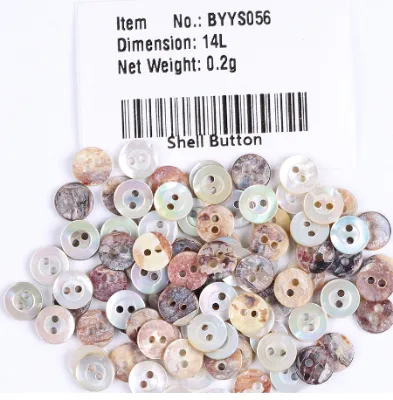
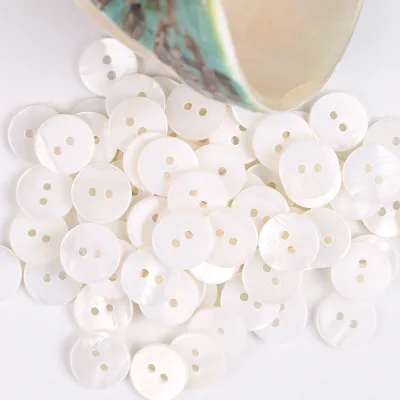
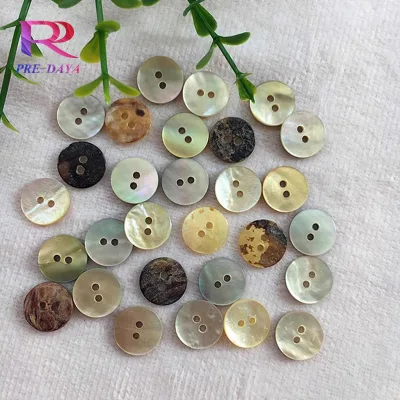


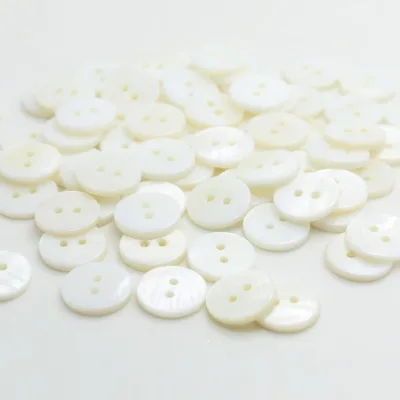
9mm 14L 4 Holes Mop Shell Button, One Side White Mother of Pearl Shell Button
$0.02 - $0.16
MOQ: 1000 Pieces


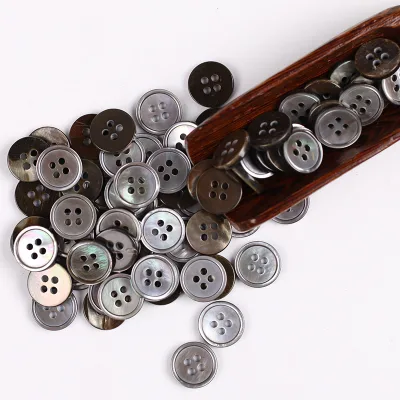
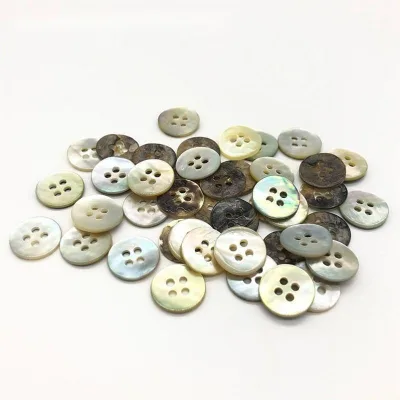
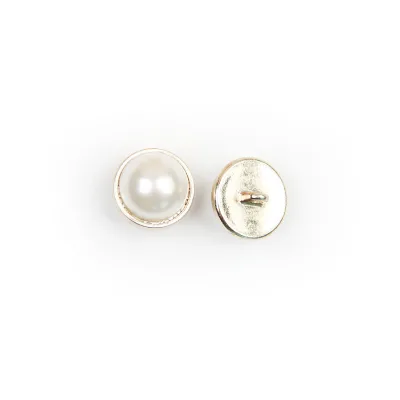
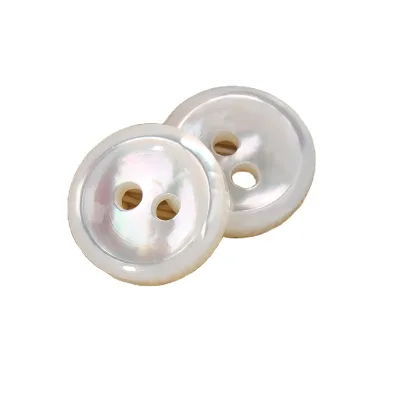
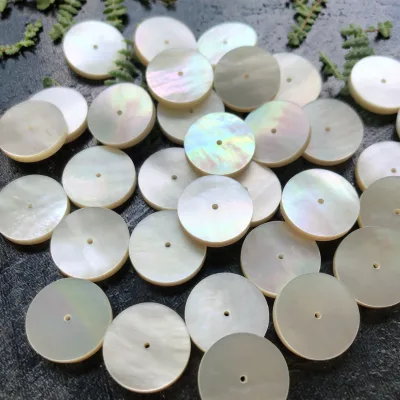
Four Holes Natural White Mother of Pearl Shell Button with Rim for Shirt
$0.02 - $0.16
MOQ: 1000 Pieces

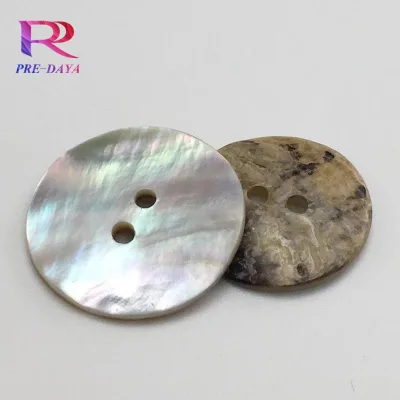
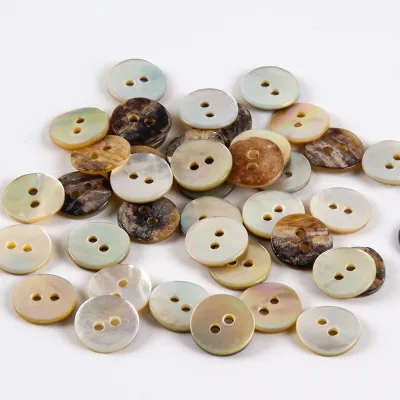
2 Holes Round High Quality Shirt River Shell Button Mother of Pearl Buttons for Shirts
$0.02 - $0.16
MOQ: 1000 Pieces





Comprehensive Sourcing Guide
Mother of Pearl Button Sourcing Guide
Buyers evaluating this category must first distinguish between the specific product variations observed in the market, such as the 2-hole and 4-hole configurations found in listings for items like BYYS056 and BYYS051. The observed data indicates a diverse range of sizes, from standard measurements like 14L to fully customized dimensions, requiring precise specification before initiating any purchase order. Understanding these physical distinctions is critical because the button type directly impacts sewing compatibility and the aesthetic finish of the final garment or accessory.
Procurement teams should also note the significant variance in minimum order quantities, which range from 500 pieces to 50,000 pieces depending on the specific model and supplier capacity. This variation suggests that small-batch buyers may need to consolidate orders or negotiate with suppliers offering lower thresholds, while large-volume purchasers can leverage the high supply capabilities of up to 3 million pieces per month. Aligning order volume with supplier constraints is essential to avoid production delays or unnecessary inventory costs.
Product Scope and Observed Listing Signals
The product scope for mother of pearl buttons encompasses a wide array of applications, including garments, bags, home textiles, and shoes, as indicated by the usage tags in current listings. The material is consistently identified as natural mother of pearl or pearl, often featuring a nature white or multi-color finish, which appeals to brands seeking eco-friendly and natural aesthetic solutions. Buyers should verify that the specific listing matches their design requirements, as some items are explicitly described as having a thin rim edge or a rectangular pattern, while others are round.
Listing signals reveal that suppliers often offer OEM and ODM services, allowing for customization in packaging and size, which is vital for private label brands. However, the data shows conflicting information regarding sample lead times, with some entries supporting a 7-day sample order while others do not, necessitating direct confirmation before planning product development. Additionally, the presence of specific keywords like "shell buttons" and "apparel accessories" helps in filtering relevant results, but buyers must ensure the listed features, such as nickel-free status, align with their specific safety and quality standards.
Technical Specifications to Verify
Technical verification must begin with the button hole configuration, as the observed listings explicitly mention both 2-hole and 4-hole options, which dictate the sewing method and thread tension required. Buyers should confirm the exact thickness, which ranges from 1.7mm to 2mm in some models, or is listed as customizable, to ensure the button sits correctly on the fabric without puckering or slipping. The size specification is equally critical, with standard sizes like 14L to 32L available, but many suppliers offer fully customized dimensions that must be clearly defined in the technical drawing.
Material consistency and surface finish are other key technical parameters, with listings describing the product as having a "Pearl" technic or "Plating" finish, which may affect durability and luster. The single gross weight and volume data, often listed as zero or specific values like 0.200 kg, are essential for calculating shipping costs and packaging efficiency. Buyers must also verify the port of dispatch, typically Shenzhen, and confirm the packaging details, which can vary from OPP bags to cartons based on the quantity and size of the shell buttons ordered.
Compliance and Safety Documentation
Safety compliance is a primary concern when sourcing natural materials, and buyers should request documentation confirming that the buttons are nickel-free and safe for dry cleaning and washing. The observed product features explicitly list "Eco-Friendly," "Nature," and "Washable" attributes, which suggests a lower risk of chemical leaching compared to synthetic alternatives, but formal test reports are still necessary to validate these claims for international markets. Ensuring that the material meets specific regional safety standards is crucial for maintaining brand reputation and avoiding regulatory hurdles.
Documentation regarding the origin of the material is also required, as the place of origin varies between Guangdong, China, and other locations like Afghanistan in the observed data. Buyers must verify the authenticity of the mother of pearl source and ensure that the supply chain adheres to ethical sourcing practices, particularly if the product is marketed as eco-friendly. While some listings mention specific certifications, the absence of explicit certification names in the provided data means buyers should proactively ask for third-party verification of the material's origin and processing methods.
Cost Drivers and Commercial Terms
Cost drivers in this category are heavily influenced by the customization level of the size and the complexity of the packaging requirements, as listings indicate that packaging modes can be tailored to the quantity and size of the shell buttons. The observed price range of 0.01 to 2 USD per unit suggests that volume and specific design features significantly impact the final unit cost, with customized sizes likely commanding a premium over standard offerings. Buyers should analyze the total landed cost, including shipping from the port of dispatch, rather than focusing solely on the unit price.
Commercial terms must be carefully negotiated, particularly regarding the minimum order quantity, which varies widely from 500 to 50,000 pieces across different suppliers. The supply ability of up to 3 million pieces per month indicates that large orders can be fulfilled quickly, but the lead time for samples is inconsistent, with some suppliers supporting 7-day delivery and others not. Clarifying the payment terms, sample costs, and the exact lead time for bulk production is essential to prevent cash flow issues and ensure timely delivery for production schedules.
Supplier Qualification and Quality Control
Supplier qualification should focus on verifying the consistency of the "Pearl" technic and the structural integrity of the buttons, as the observed data includes items with varying thicknesses and hole configurations. Buyers must assess the supplier's ability to maintain quality across large production runs, given the high supply capacity of 3 million pieces per month, which implies a need for robust quality control systems. Requesting pre-production samples and conducting random inspections during production are standard practices to ensure the final product matches the agreed specifications.
Quality control protocols should also address the packaging and handling of the buttons, as the listings note that packaging can be customized but must protect the delicate nature of the mother of pearl material. The single package size and weight data provided in some listings help in planning logistics, but buyers should verify that the packaging prevents damage during transit, especially for items with thin rim edges or specific patterns. Establishing clear acceptance criteria for defects, such as chipping or color inconsistency, is vital for maintaining the high standards expected of natural shell buttons.
Long-Term Procurement Checks
Long-term procurement strategies require regular audits of the supplier's ability to maintain consistent material quality and adherence to the agreed technical specifications over time. Buyers should monitor the consistency of the "Nature" and "Eco-Friendly" attributes, ensuring that the natural mother of pearl does not degrade or change color with age or exposure to different cleaning methods. Continuous communication with the supplier regarding any changes in the supply chain or material sourcing is necessary to mitigate risks associated with natural product variations.
It is also essential to review the supplier's responsiveness to changing market demands, such as the ability to adjust order volumes or modify designs quickly. The observed data shows a mix of support for sample orders and varying lead times, which highlights the need for a reliable partner who can adapt to fluctuating production schedules. Establishing a long-term relationship with a supplier who demonstrates flexibility and a commitment to quality will ensure a steady supply of high-quality mother of pearl buttons for future product lines.
FAQs
What materials are used for these mother of pearl buttons?
The buttons are crafted from genuine mother of pearl material, offering a natural luster and durability. They are available in various styles, including colorful and nature white options. The product features eco-friendly and nickel-free properties, making them suitable for sensitive skin. These natural shell buttons are ideal for high-quality garment accessories and home textiles.
Can I customize the size and thickness of the buttons?
Yes, customized sizes and thicknesses are available to meet your specific requirements. The product page lists standard sizes ranging from 14L to 32L, with thicknesses typically between 1.7mm and 2mm. You can request specific dimensions based on your design needs. This flexibility ensures the buttons fit perfectly into your garment or accessory projects.
What is the minimum order quantity for these buttons?
The minimum order quantity varies by product model, ranging from 500 pieces to 1000 pieces. Some listings indicate an MOQ of 500pcs, while others require 1000pcs. Bulk supply ability reaches up to 3,000,000 pieces per month. Buyers should check the specific model details to confirm the exact MOQ applicable to their order size.
Are these buttons suitable for dry cleaning and washing?
Yes, these mother of pearl buttons are designed to withstand dry cleaning and regular washing. They are labeled as washable and dry cleaning safe, ensuring longevity in care. The natural material is also eco-friendly and nickel-free. These features make them reliable for everyday wear garments, bags, and shoes that require frequent maintenance.
Where are these mother of pearl buttons manufactured?
Most of these buttons are manufactured in Guangdong, China, with some origins listed as China or Afghanistan. The port of dispatch is typically ShenZhen, facilitating efficient export logistics. Buyers can expect production from established manufacturing hubs known for quality shell button production. This location ensures reliable supply chain management for international orders.
What button hole types are available for these products?
The available button types include 2-holes and 4-holes configurations. Specific models like BYYS056 feature 2-holes, while others may offer 4-holes for different sewing preferences. The shape is primarily round, with some rectangular patterns available. These options allow for versatile attachment methods on various fabrics and accessories.