Source Motherboard Disassembly BGA Soldering Platform for repair, rework, and assembly
Find 30 options for a Motherboard Disassembly BGA Soldering Platform designed for repair, rework, and assembly tasks. Buyers can compare specifications, power ratings, and dimensions to select the right equipment for their electronic manufacturing needs.
Key considerations
Products List

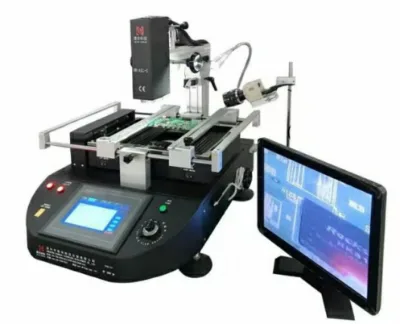
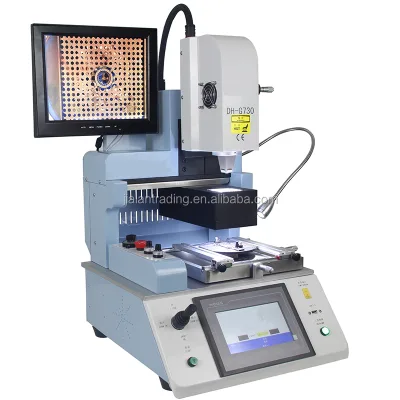
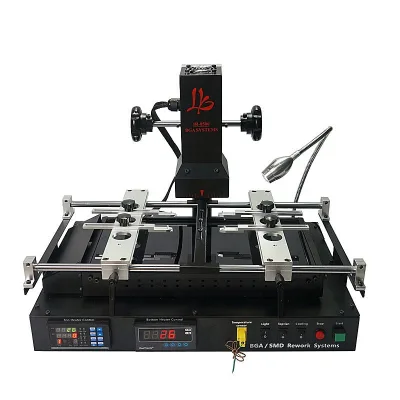
Wds-620 Motherboard Repair Machine Welding Equipment Soldering BGA Rework Station
$3080.00 - $3580.00
MOQ: 1 sets


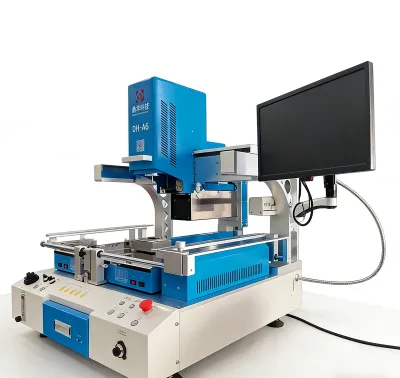
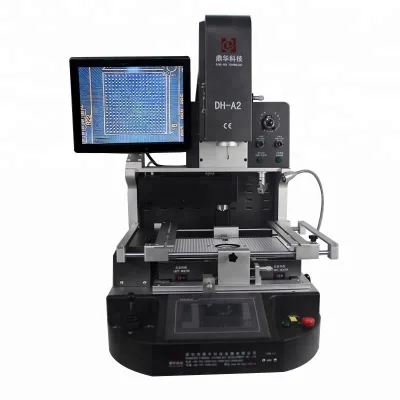
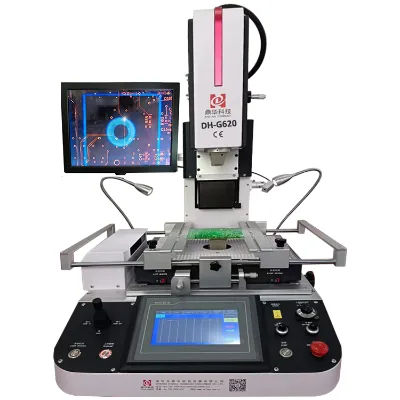
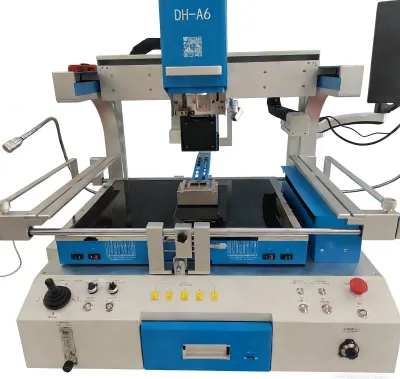
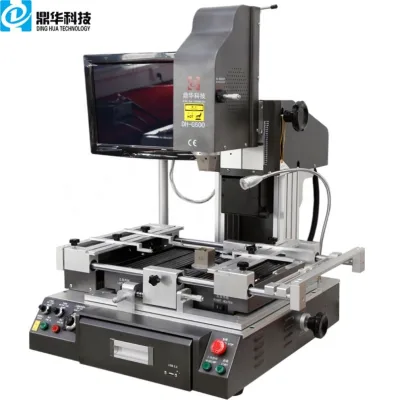
Big Power Multifunctional Automatic Optical Infrared Bga Rework Station
$3999.00 - $4580.00
MOQ: 1 pieces
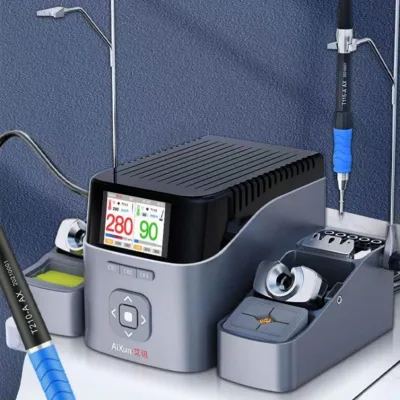




Comprehensive Sourcing Guide
Strategic Sourcing Guide for Motherboard Disassembly BGA Soldering Platforms
The global demand for advanced electronics repair and manufacturing has elevated the importance of precision BGA (Ball Grid Array) rework stations. For procurement professionals targeting motherboard disassembly and soldering platforms, the market presents a complex array of configurations ranging from manual workstations to automated manipulators. This guide synthesizes observed market data to provide a disciplined framework for evaluating potential suppliers. The focus remains strictly on verified attributes, technical specifications, and compliance requirements derived from current product listings, ensuring that procurement decisions are grounded in factual evidence rather than speculative marketing claims.
Technical Architecture and Operational Specifications
When sourcing a BGA soldering platform, the primary distinction lies in the machine type and its specific operational capabilities. Market observations indicate a divergence between dedicated "BGA Rework Stations" and broader "Welding Manipulators." A BGA Rework Station is typically engineered for high-precision thermal management required for reballing and desoldering components on printed circuit boards. In contrast, a Welding Manipulator often implies a mechanical arm or platform designed for broader welding applications, which may include laser or soft soldering modes depending on the configuration.
Voltage requirements are a critical first step in technical verification. Listings show a variance between single-phase AC 220V±10% at 50Hz and dual-voltage systems supporting 110V/220V. Procurement teams must verify the specific input voltage of the unit against the local power grid infrastructure to prevent equipment failure. Furthermore, power consumption is a significant factor in facility planning. Observed rated capacities range from 5200W to a maximum input power of 5300W. This high wattage necessitates robust electrical infrastructure and thermal management within the workspace.
The physical footprint and structural design are equally vital. Dimensions observed in the market vary significantly, with standard configurations measuring approximately 71x71x78 cm or larger industrial units reaching 1350x1300x1850 mm. The latter suggests a large-scale platform capable of handling extensive PCB sizes, with supported dimensions ranging from a minimum of 10x10 mm up to a maximum of 1200x700 mm. The structure is generally described as a "Platform" type, often utilizing a rigid mechanical design to ensure stability during the delicate process of motherboard disassembly. Weight is another key logistical parameter, with units ranging from 30 kg to as much as 1000 kg, directly impacting shipping costs and floor-load requirements.
Material Composition and PCB Compatibility
The integrity of the soldering process is heavily dependent on the materials used in the construction of the platform and the compatibility with the substrates being processed. The machine bodies are predominantly constructed from metal, providing the necessary durability and heat resistance required for industrial environments. However, the interaction with the PCB itself involves specific material properties. The market data highlights the use of Fiberglass Epoxy as a primary material for the circuit boards being processed, specifically noting Rigid Circuit Boards with FR-Flame Retardant properties.
Understanding the dielectric properties is essential for preventing short circuits and ensuring signal integrity during rework. The observed specifications indicate that the materials must possess V-Insulation properties and utilize Epoxy Resin as the base insulation material. This is standard for high-reliability applications but requires strict adherence to quality control to ensure the dielectric strength is maintained under thermal stress. The processing technology often cited involves Electrolytic Foil, which may relate to the heating elements or the surface treatment of the platform components.
For buyers targeting motherboard repair, the application scope is clearly defined. The primary function listed is "Repair Motherboards," indicating that the equipment is optimized for the intricate tasks of component removal and replacement on complex electronic assemblies. The platform must accommodate a wide range of PCB sizes, from small consumer electronics to larger industrial boards. The mechanical rigidity is a non-negotiable attribute; a "Rigid" mechanical structure is observed as the standard to prevent vibration-induced misalignment during the soldering or desoldering process.
Compliance, Certification, and Safety Standards
In the B2B procurement of industrial electronics equipment, compliance with international safety and environmental standards is a prerequisite for market access and operational safety. While specific certification statuses can vary by batch and manufacturer, the market data confirms the presence of several key certifications. Buyers should verify that the equipment carries RoHS (Restriction of Hazardous Substances) compliance, ensuring the absence of lead and other hazardous materials in the manufacturing process.
Additionally, electrical safety certifications such as UL, CE, and GS are frequently observed. The CE mark indicates conformity with health, safety, and environmental protection standards for products sold within the European Economic Area. The UL certification (Underwriters Laboratories) is a critical benchmark for electrical safety in North American markets. The GS mark (Geprüfte Sicherheit) further validates German safety standards. While ISO 9001:2015 is mentioned in background contexts as a quality management standard, buyers must request specific documentation to confirm that the manufacturing facility holds this certification, as it is not an inherent attribute of the machine itself but rather a facility-level qualification.
It is imperative to note that while some listings mention these certifications, they should not be assumed to apply to every unit without verification. Procurement contracts must explicitly require the provision of valid, current certification certificates for the specific model being purchased. This due diligence protects the buyer from liability and ensures the equipment meets the regulatory requirements of the destination country.
Cost Drivers and Procurement Economics
The pricing landscape for BGA soldering platforms is highly variable, influenced by the complexity of the machine, its power rating, and the level of automation. Observed price ranges in the market span from $0.10 to $59,999. This vast disparity reflects the difference between basic manual stations and fully automated, high-capacity rework systems. The lower end of the spectrum likely corresponds to entry-level manual units or specific components, while the upper end represents comprehensive industrial systems with advanced control modes and larger work envelopes.
Several factors drive these costs. First, the power rating is a primary cost driver; units with a rated capacity of 5200W or a maximum input of 5300W command a premium over lower-power models due to the cost of high-wattage heating elements and power supplies. Second, the customization availability significantly impacts the final price. Units offering "Customization" options allow buyers to tailor the platform to specific workflow requirements, which incurs additional engineering and manufacturing costs.
Packaging and logistics also contribute to the total cost of ownership. The standard packaging observed is the "Wooden Box" or "Wooden Case," which is essential for protecting heavy, precision equipment during international shipping. The weight of the unit, ranging from 30 kg to 1000 kg, directly influences freight charges. Furthermore, the origin of the product, predominantly from China (specifically Guangdong and Shenzhen), affects the supply chain dynamics. Buyers must factor in lead times, which are observed to range from 24 hours to 5 days for standard delivery, though this can vary based on order volume and customization requirements.
Supplier Evaluation and Quality Assurance
Evaluating suppliers for BGA soldering platforms requires a rigorous approach to verifying their capabilities and track record. The market data identifies specific brand names such as "Wisdomshow" and "Exceeding," which serve as points of reference for product lines. However, procurement teams should avoid relying solely on brand recognition and instead focus on the technical documentation provided. The model numbers, such as WDS620, S7, WDS-1250, and WDS-S7, indicate distinct product families with varying specifications.
Quality assurance should begin with the verification of the "Condition" of the product. All observed listings specify the condition as "New," but buyers must ensure this refers to factory-new, unused equipment rather than refurbished units. The warranty period is another critical metric; a standard "1 Year" or "One Year Warranty" is commonly observed. This warranty should cover both parts and labor, and the scope of coverage must be clearly defined in the purchase agreement.
After-sales support is a vital component of the supplier evaluation. The availability of "One Year Warranty" and specific after-sales services indicates the supplier's commitment to long-term support. Buyers should inquire about the availability of technical documentation, spare parts, and the responsiveness of the support team. The "Control Mode" is typically "Manual," which implies a higher reliance on operator skill. Therefore, the supplier's ability to provide training or detailed operational manuals is a key differentiator in the selection process.
Long-Term Procurement and Operational Sustainability
Sourcing a BGA soldering platform is not merely a one-time transaction but an investment in long-term operational capability. The "Customization" feature observed in the market suggests that suppliers are willing to adapt their products to specific needs, which is crucial for scalability. As a company's repair volume grows, the ability to upgrade or modify the platform becomes essential. Buyers should assess whether the supplier offers modular upgrades or if the platform can be integrated into larger automated lines.
The maintenance of the equipment is another long-term consideration. With a "Metal" construction and "Rigid" mechanical design, the equipment is built for durability, but regular maintenance is required to ensure the precision of the soldering process. The "Soft Soldering" mode observed indicates a specific thermal profile that must be maintained. Buyers should establish a preventive maintenance schedule that includes calibration of temperature controls and inspection of heating elements.
Finally, the environmental impact of the equipment should be considered. The use of "Fiberglass Epoxy" and the compliance with "RoHS" standards align with modern sustainability goals. However, the high power consumption (up to 5300W) requires energy-efficient operational practices. Procurement teams should evaluate the energy efficiency of the unit and consider the total cost of energy consumption over the lifespan of the machine. By focusing on these long-term factors, buyers can ensure that their investment in BGA soldering platforms remains viable and efficient for years to come.
Comparative Analysis of Platform Specifications
To facilitate a clearer understanding of the market offerings, the following table summarizes the key technical specifications observed across different product models. This comparison highlights the diversity in capacity, dimensions, and power requirements, aiding buyers in selecting the most appropriate unit for their specific operational needs.
| Specification | Model WDS620 | Model S7 | Model WDS-1250 | Model WDS-S7 |
|---|---|---|---|---|
| Machine Type | BGA Rework Station | Soldering Station | Welding Manipulator | Welding Manipulator |
| Voltage | AC220V | 110V/220V | N/A | N/A |
| Rated Capacity | 5200W | N/A | N/A | N/A |
| Max Input Power | 5300W | N/A | N/A | N/A |
| Dimensions (cm) | 827289 | 717178 | 135013001850 | 717177 |
| Weight (Kg) | 30 | 34 | 1000 | 52 |
| Supported PCB Size | N/A | N/A | Max 1200x700mm | N/A |
| Control Mode | Manual | N/A | N/A | N/A |
| Warranty | 1 Year | 1 Year | 1 Year | 1 Year |
| Origin | China | Guangdong, China | Shenzhen, China | China |
| Material | Metal | Metal | Metal | Metal |
This table underscores the necessity of matching the machine's physical and electrical specifications to the buyer's facility constraints. The variation in weight and dimensions, particularly the massive scale of the WDS-1250 compared to the compact S7, dictates the logistical planning required for installation. Similarly, the voltage flexibility of the S7 model offers an advantage for international operations, whereas the fixed AC220V requirement of the WDS620 necessitates careful grid assessment. By cross-referencing these specifications against internal requirements, procurement teams can make informed decisions that minimize risk and maximize operational efficiency.
FAQs
What voltage options are available for these platforms?
Units support single-phase AC 220V±10% or dual-voltage systems of 110V/220V. Buyers must verify the specific input voltage against local power infrastructure to ensure compatibility and prevent equipment failure during operation.
Can I customize the machine specifications for my needs?
Customization is available for specific configuration requirements. This allows buyers to tailor the platform to unique workflow needs, though it may impact the final price and lead time compared to standard models.
What is the maximum power capacity of these stations?
The rated capacity is typically 5200W with a maximum input power of 5300W. This high wattage requires robust electrical infrastructure and proper thermal management within the workspace to handle the load safely.
Which certifications are standard for these industrial units?
Common certifications include RoHS, UL, CE, GS, and ISO compliance. Buyers should request valid, current certificates for the specific model to ensure the equipment meets regulatory requirements for their destination country.
How long is the warranty period for new machines?
The standard warranty period is one year for new equipment. This coverage typically includes parts and labor, but the specific scope must be clearly defined in the purchase agreement to ensure full protection.
What is the typical lead time for delivery?
Delivery times range from 24 hours to 5 days for standard orders. This duration can vary based on order volume and whether the unit requires specific customization or special packaging arrangements.
Which materials are used for the platform construction?
The machine bodies are predominantly constructed from metal for durability. The platforms are designed to process rigid circuit boards made of Fiberglass Epoxy with FR-Flame Retardant properties for high-reliability applications.