Source Mosaic Kit for Bathroom, Floor, and Wall Projects
Explore 30 verified listings for Mosaic Kit options including glass and wooden DIY kits. Buyers can compare chip sizes, thickness, certifications, and customization availability for bathroom, floor, and wall applications; compare the available evidence and request quotations based on your requirements.
Key considerations
Products List





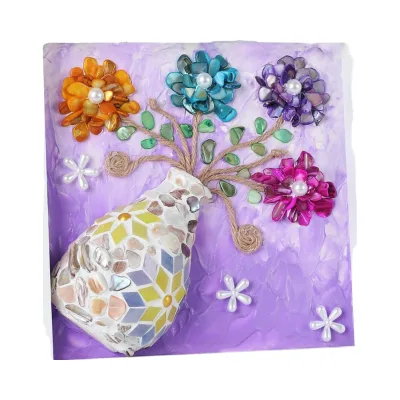
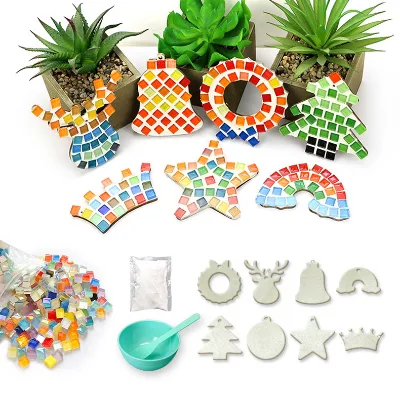
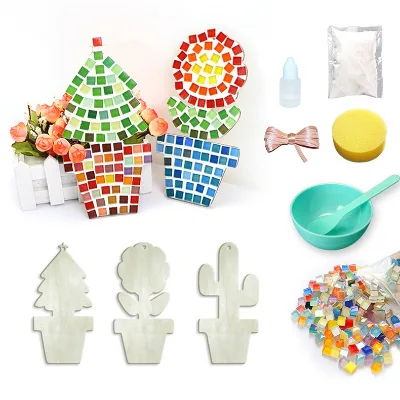
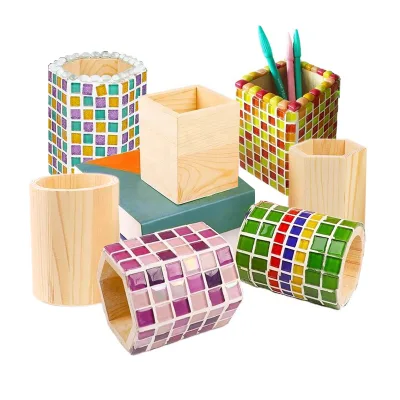



Comprehensive Sourcing Guide
Mosaic Kit Sourcing Guide
Sourcing mosaic kits requires a clear distinction between decorative craft supplies and architectural tiling solutions, as the procurement strategies for each differ significantly. Buyers must first determine whether the end-use involves DIY home decoration, educational activities, or large-scale construction projects. The market offers a wide spectrum of products, ranging from small-scale wooden or glass chip kits for individual consumers to bulk glass tiles for professional installation. Understanding this primary application dictates the necessary quality checks, packaging requirements, and supplier capabilities. For instance, a kit intended for a Christmas ornament or a small wall art project demands different aesthetic and durability standards than a floor mosaic for a bathroom or outdoor patio.
The second critical step involves aligning the product specifications with the target market’s expectations. Observed listings indicate a variety of materials, including glass and wood, with specific dimensions such as 25x25mm or 10x10mm chips. Buyers should verify if the supplier offers customization options, as many manufacturers provide tailored designs for specific branding or thematic needs. It is essential to confirm the shape, color consistency, and style, such as European or modern designs, to ensure they match the brand’s identity. Additionally, checking the production capacity and origin, such as Zhaoqing City or Jiangsu, helps assess the supplier’s ability to meet volume demands and maintain consistent quality across large orders.
Product Scope and Observed Listing Signals
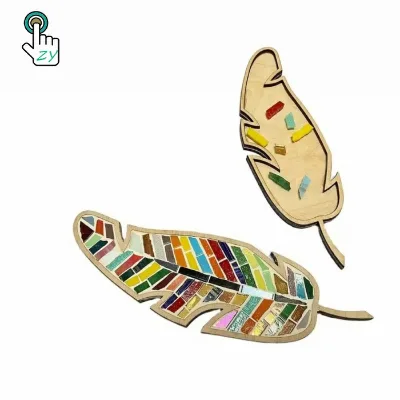
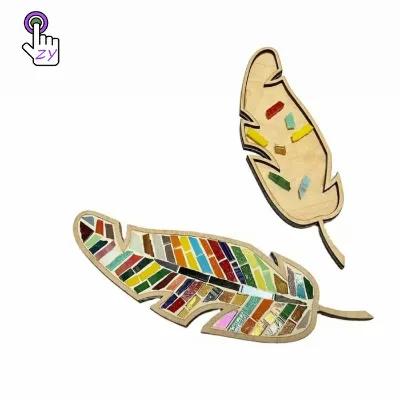
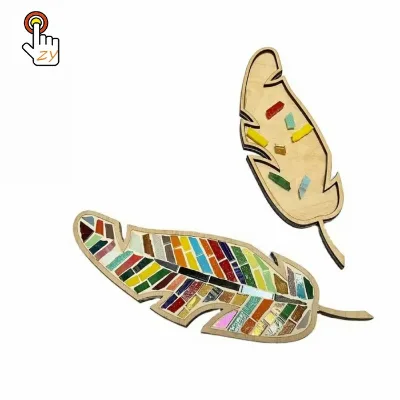
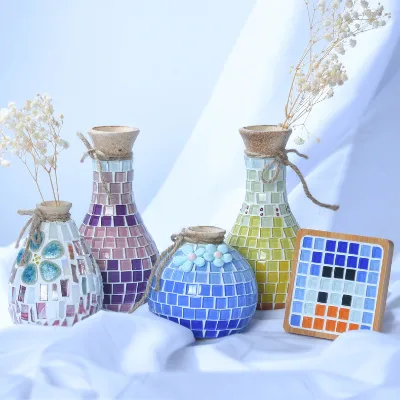
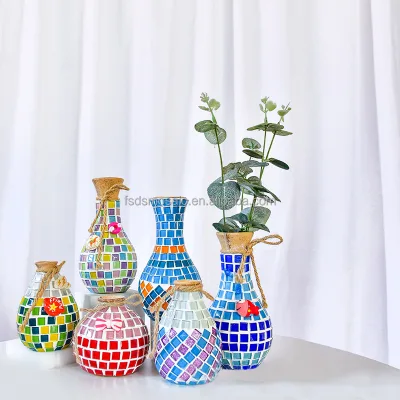
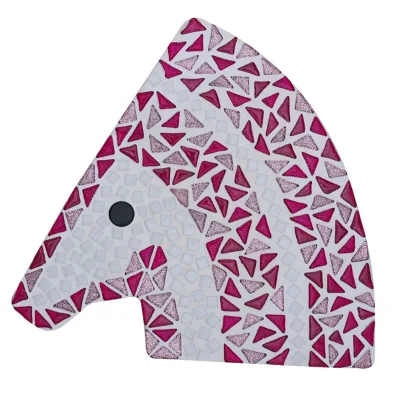
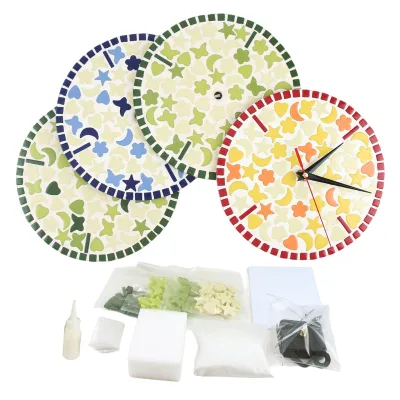
The current market landscape for mosaic kits reveals a diverse range of product types, primarily categorized by material and intended use. Glass-based kits are often marketed for wall and floor applications in bathrooms or outdoor spaces, featuring attributes like zero water absorption and a European style. These products typically come in square shapes with specific chip sizes, such as 25x25mm or 20x20mm, and are packed in cartons and wooden pallets for protection. In contrast, wooden or mixed-material kits are frequently positioned as DIY craft supplies, with features like leaf shapes, plant patterns, and modern designs. These are often sold as single items with smaller package dimensions, targeting individual consumers or small-scale decorative projects rather than architectural installations.
Listing signals also highlight significant variations in customization and branding capabilities. Many suppliers offer customized logos and color systems, allowing buyers to create unique product identities. The presence of specific model numbers, such as H24-Y706 or SK-523, indicates a structured product catalog rather than generic offerings. Buyers should note that some listings specify "First Choice" quality standards, which suggests a tiered grading system for the raw materials. Furthermore, the availability of sample times, typically ranging from two to three days, serves as a key indicator of supplier responsiveness. Understanding these signals helps buyers filter suppliers based on their ability to provide tailored solutions and maintain high-quality standards for their specific market segment.
Technical Specifications to Verify
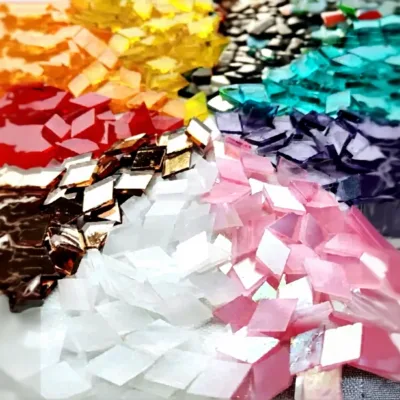
Verifying technical specifications is crucial to ensure the Mosaic Kit meets the functional requirements of the end product. For glass-based kits, buyers must confirm the chip size, thickness, and water absorption rate, as these factors directly impact durability and installation suitability. A water absorption rate of 0% is ideal for outdoor or wet area applications, preventing damage from freezing or moisture. The thickness, often listed as 4mm or 6mm, affects the structural integrity and ease of handling. Additionally, the shape and pattern, such as square chips or leaf designs, must align with the aesthetic goals of the project. Buyers should request detailed specifications for each variant, as inconsistencies in chip size or color can lead to uneven finishes and customer dissatisfaction.
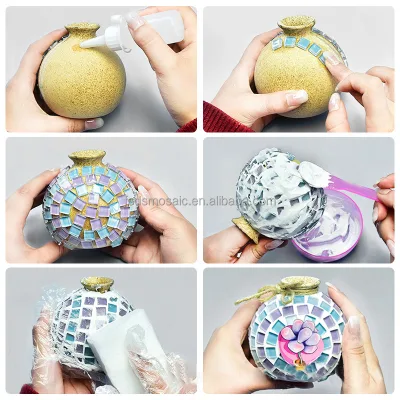
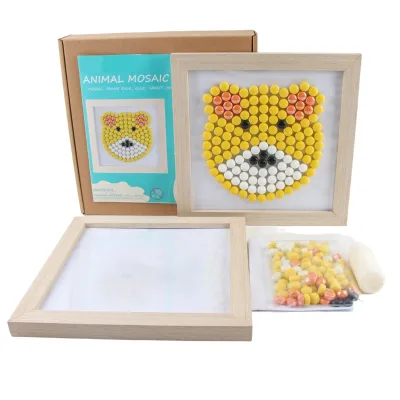
For DIY and craft-oriented kits, the focus shifts to material quality and packaging dimensions. Wooden or mixed-material kits require verification of the material grade, finish, and safety of any adhesives or components included. The single package size and gross weight are important for logistics planning, especially for e-commerce sellers who need to optimize shipping costs. Buyers should also check the model number and product name to ensure accurate inventory management. Customization options, such as accepting customized logos or specific color codes, should be clearly defined in the technical specifications. This ensures that the final product matches the brand’s requirements and avoids costly rework or returns due to mismatched designs or materials.
Compliance and Safety Documentation
Compliance with international standards is a non-negotiable aspect of sourcing mosaic kits, particularly for products intended for export. Buyers must verify that suppliers hold relevant certifications, such as CE, TUV, ISO, and SGS, which indicate adherence to quality and safety regulations. These certifications are critical for market access in regions like Europe and North America, where strict regulations govern building materials and consumer goods. For glass tiles, compliance with standards for water absorption and chemical resistance is essential to ensure long-term performance. Buyers should request copies of these certificates and verify their validity with the issuing bodies to avoid potential legal issues or product recalls.
Safety documentation is equally important for DIY kits, which may be used by children or in educational settings. Buyers should ensure that all materials, including wood, glass, and adhesives, are free from harmful substances and meet safety standards for consumer products. The "Environment-friendly" advantage mentioned in some listings should be substantiated with relevant certifications or material safety data sheets. Additionally, buyers must confirm that the packaging materials comply with international shipping regulations, such as those for wooden pallets, to prevent customs delays. Clear labeling and instruction manuals in the target language are also part of the compliance package, ensuring that users can safely and effectively assemble the Mosaic Kit.
Cost Drivers and Commercial Terms
Understanding the cost drivers for mosaic kits is essential for accurate budgeting and pricing strategies. The primary cost factors include the material type, with glass and wood having different price points based on quality and processing complexity. Chip size and thickness also influence costs, as smaller or thicker chips require more precise manufacturing processes. Customization options, such as unique patterns, colors, or logos, add to the production costs due to setup fees and additional labor. Buyers should also consider the packaging requirements, as robust packaging for fragile glass tiles or detailed craft kits can significantly impact the overall cost. Volume discounts and production capacity, such as daily outputs of 2160 or 3852 square meters, can help negotiate better pricing for large orders.
Commercial terms, including MOQ and lead times, play a crucial role in the procurement process. The observed MOQ range of 1 to 3000 units offers flexibility for both small and large buyers, but it is important to align the order quantity with the supplier’s production capabilities. Lead times, which can vary based on customization and order size, should be clearly defined in the contract to avoid delays. Buyers should also clarify payment terms, shipping methods, and return policies to mitigate financial risks. Understanding these commercial terms helps in planning inventory levels and cash flow, ensuring a smooth supply chain operation. Negotiating favorable terms based on volume and long-term partnership potential can further reduce costs and improve profitability.
Supplier Qualification and Quality Control
Supplier qualification is the foundation of a reliable supply chain for mosaic kits. Buyers should conduct thorough due diligence to assess the supplier’s manufacturing capabilities, quality control systems, and financial stability. Visiting the factory or requesting virtual tours can provide insights into the production process and equipment used. It is important to verify the supplier’s production capacity, such as daily outputs, to ensure they can meet order volumes without compromising quality. Additionally, checking the supplier’s experience in exporting to the target market and their track record with similar clients can provide confidence in their reliability. Suppliers with a strong presence in regions like Zhaoqing City or Jiangsu may have established logistics networks and expertise in handling international shipments.
Quality control measures must be implemented at every stage of production to ensure consistency and defect-free products. Buyers should establish clear quality standards and inspection protocols, including pre-production samples, in-process checks, and final random inspections. For glass tiles, this includes verifying chip size, color consistency, and surface finish. For DIY kits, it involves checking material quality, component completeness, and packaging integrity. Implementing a robust quality control system helps identify and rectify issues early, reducing the risk of costly returns or customer complaints. Regular audits and performance reviews of suppliers can further enhance quality assurance and foster a collaborative relationship focused on continuous improvement.
Long-Term Procurement Checks
Long-term procurement success depends on continuous monitoring and evaluation of supplier performance. Buyers should establish key performance indicators (KPIs) to track metrics such as on-time delivery, product quality, and responsiveness to issues. Regular communication and feedback loops with suppliers help address any emerging problems promptly and strengthen the partnership. It is also important to stay updated on market trends and technological advancements in Mosaic Kit manufacturing, as this can inform future sourcing decisions and product development. Diversifying the supplier base can mitigate risks associated with single-source dependencies, ensuring business continuity in case of disruptions.
Sustainability and ethical sourcing practices are increasingly important in long-term procurement strategies. Buyers should assess suppliers’ commitment to environmental responsibility, such as using eco-friendly materials and reducing waste. This not only aligns with global sustainability goals but also enhances brand reputation among environmentally conscious consumers. Additionally, buyers should review and update contracts periodically to reflect changes in market conditions, regulatory requirements, and business needs. By maintaining a proactive approach to supplier management and quality assurance, buyers can build a resilient and efficient supply chain that supports long-term growth and profitability in the Mosaic Kit market.
FAQs
What sizes and thicknesses are available for glass Mosaic Kit tiles?
Glass Mosaic Kit tiles commonly come in chip sizes of 10x10mm, 15x15mm, 20x20mm, and 25x25mm. Sheet thicknesses of 4mm and 6mm are offered, and the 25x25mm square chips are a standard option. Confirm the exact chip size and thickness with the supplier before ordering, since listed products may vary in available combinations and sheet dimensions.
Can Mosaic Kit products be customized with a logo or specific design?
Yes, customization is available on listed Mosaic Kit products, including accepting customized logos. Suppliers typically require artwork files and a minimum order quantity, with one listing showing an MOQ of 100 pieces and a sample time of two to three days. Discuss design files, colors, and packaging requirements with the supplier before confirming your order.
How long does a Mosaic Kit sample take to produce?
Sample time for listed DIY Mosaic Kit products is around two to three days once the design is confirmed. This timeframe covers sample preparation but not shipping transit, which varies by destination and courier choice. Request a sample before bulk production to verify colors, materials, and finish, and confirm whether sample fees apply and are deductible from later orders.
What materials are used in the Mosaic Kit products listed?
Listed Mosaic Kit products include both glass tiles and wooden components. Glass tiles offer zero water absorption and suit bathroom, wall, and floor applications, while wooden DIY mosaic kits are used for decorative crafting. Check each listing carefully, because material, chip size, and intended use differ between products, and confirm the specification in writing before purchasing.
Which certifications should Mosaic Kit suppliers hold for export orders?
Listed suppliers show certifications including CE, SGS, TUV, and ISO. CE marking is commonly requested for European buyers, while ISO relates to quality management systems. Always request current, valid certificates directly from the supplier and verify they cover the specific product batch, since certification scope can differ between factories and individual product lines.
How are Mosaic Kit orders packed for shipping?
Glass Mosaic Kit tiles are typically packed in cartons and then loaded onto wooden pallets for protection during transit. DIY craft kits may be sold as single items with small individual package sizes. Confirm carton quantities, pallet dimensions, and gross weights with the supplier, as proper packing reduces breakage risk for glass chips during long-distance freight.
Can glass Mosaic Kit tiles be used on bathroom walls and floors?
Yes, glass Mosaic Kit tiles with zero water absorption are suitable for bathroom, wall, floor, and outside applications. Their non-porous glass body resists moisture, making them practical for wet areas. Always use an appropriate adhesive and grout system, and verify slip resistance for floor installations, since surface finish and chip size affect grip underfoot.
What is the quality standard and origin of the listed Mosaic Kit tiles?
Listed glass mosaic tiles are graded as First Choice quality and originate from Zhaoqing City, with wooden DIY kits sourced from Jiangsu, China. First Choice generally indicates tiles free of visible defects with consistent color and size. Insist on pre-shipment inspection or sample approval for bulk orders, since grading terms can vary slightly between individual suppliers.