Source MPV Vehicles for Family, Business, and Transport
Explore 30 available MPV listings with varying specifications including electric and gasoline options. Buyers can compare seating capacity, power output, and dimensions to find suitable vehicles for family use, business transport, or commercial logistics; compare the available evidence and request quotations based on your requirements.
Key considerations
Products List


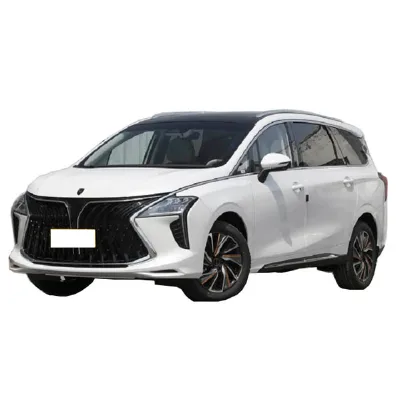
Spacious Family MPV for Comfortable Group Transport and Flexible Travel
$25000.00 - $27000.00
MOQ: 1 Unit


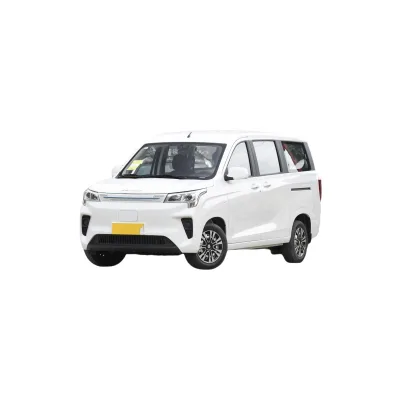
Dongfeng 7 Sears Gasoline Vehicle and Mini Bus Dfsk Mini Car MPV Glory 330s
$7050.00 - $7400.00
MOQ: 1 unit
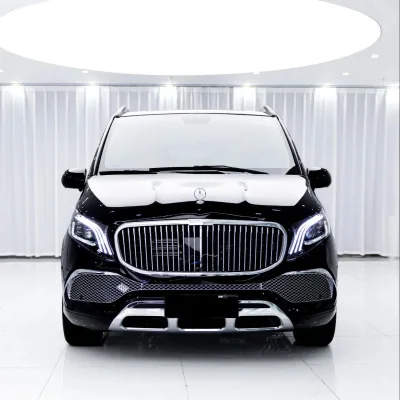
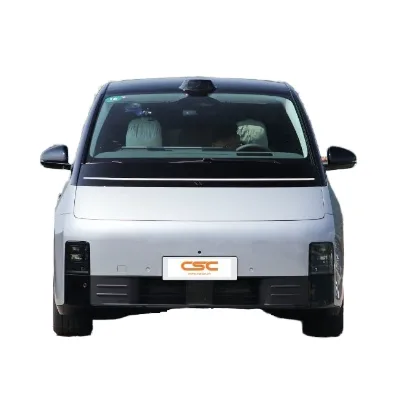


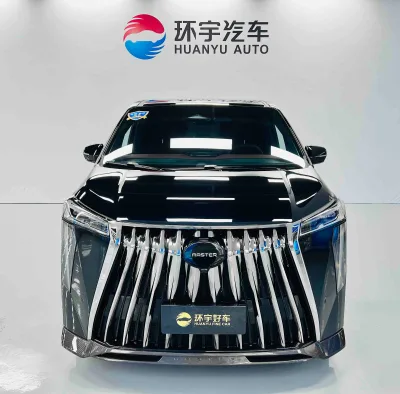
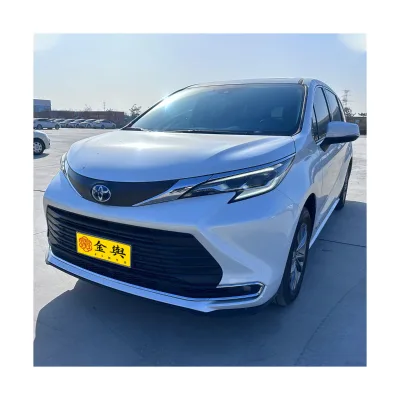
The Latest Launched Second-hand MPV, GAC MOTOR M8 2024 Model, Master Series 400T Edition
$34664.84 - $36083.29
MOQ: 1 units
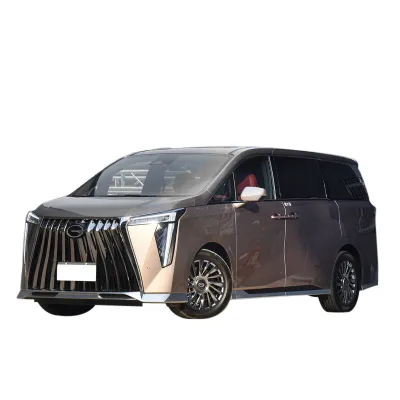
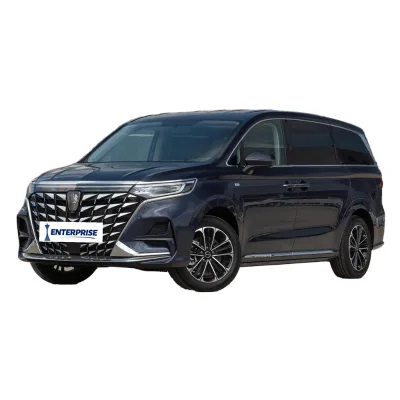
GAC Trumpchi M8 ChuanQi M8 MPV Hybrid New Energy 7 Seats MPV 390t LED Camera Made in China
$19839.41 - $35719.10
MOQ: 1 sets


Large Comfortable Space Kingstar 7-8 seats 5MT LHD/RHD MPV with ABS EBD
$6000.00 - $8000.00
MOQ: 10 Pieces

Kingstar 1.5L 7 Seater Gasoline Compact Mini MPV (Leaf springs rear suspenion)
$8000.00 - $9000.00
MOQ: 3 units

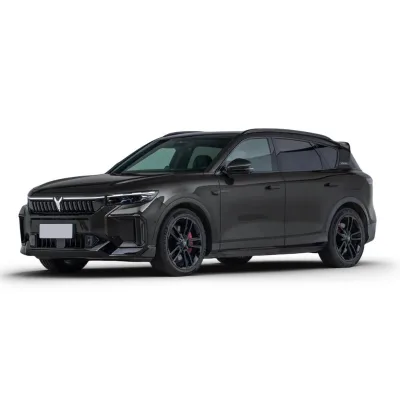
Comprehensive Sourcing Guide
MPV Sourcing Guide
The MPV market presents a diverse range of vehicles, from compact family haulers to large commercial transporters, requiring careful differentiation during the sourcing process. Buyers must first distinguish between pure electric models and internal combustion variants, as the supplied data indicates a mix of FCEV, gasoline, and pure electric options with varying ranges and capacities. Understanding these powertrain distinctions is critical for aligning procurement with specific operational needs, whether for passenger transport or light commercial duties.
Sourcing decisions should also account for the significant variance in seating configurations and dimensions observed in current listings. While some units are specified as sedans with five seats, others clearly offer seven-seat configurations suitable for larger groups. Procurement teams must verify the exact body type and interior layout against their logistical requirements, ensuring the selected vehicle meets the necessary passenger capacity without compromising on cargo space or maneuverability in target markets.
Product Scope and Observed Listing Signals
Current market listings reveal a wide price spectrum, ranging from approximately $500 to over $36,000, which reflects the diversity in vehicle condition, age, and specification levels. Buyers should treat these figures as indicative of the broad market rather than a fixed price point for a specific configuration. The presence of both new and potentially refurbished units suggests that due diligence is required to confirm the actual condition and history of any vehicle before committing to a purchase order.
The observed minimum order quantities are generally low, typically ranging from one to ten units, which facilitates flexible procurement strategies for small to medium-sized enterprises. This flexibility allows buyers to test the market with smaller batches before scaling up their fleet. However, the availability of customization options means that lead times and final costs may vary significantly depending on the specific modifications requested, such as interior upgrades or specialized branding.
Technical Specifications to Verify
Buyers must rigorously verify the powertrain specifications, as the data shows conflicting details regarding engine displacement and fuel types across different listings. Some units are listed with a 1499cc gasoline engine, while others are identified as FCEV or pure electric with a 46kWh battery capacity. It is essential to confirm the exact power output, torque figures, and range capabilities to ensure the vehicle can meet the intended operational demands without unexpected performance shortfalls.
Dimensional and weight parameters also require strict validation to ensure compatibility with local infrastructure and regulatory limits. Listings indicate varying gross weights and curb weights, with some units reaching over 3000kg, which impacts licensing and road tax requirements. Additionally, the wheelbase and overall dimensions must be checked against the intended route constraints, particularly for vehicles with a 3200mm wheelbase that may require specific parking or loading dock accommodations.
Compliance and Safety Documentation
Regulatory compliance is a primary concern, with certifications such as CCC and ISO management standards appearing in the product data. Buyers must verify that the specific unit they intend to purchase holds valid certification for their target market, as standards like Euro VI emission norms may not apply to all listed vehicles, particularly those with different fuel types or older manufacturing dates. Ensuring the correct certification is attached to the specific VIN is crucial for legal importation and registration.
Safety documentation should include detailed records of braking systems and suspension types, as the listings mention both hydraulic and electromagnetic braking options alongside Macpherson and multi-link suspensions. Procurement teams must request test reports or safety data sheets that confirm the effectiveness of these systems under various load conditions. Without verified safety documentation, the risk of non-compliance with local safety regulations increases significantly, potentially leading to costly delays or rejection at customs.
Cost Drivers and Commercial Terms
The total cost of ownership is heavily influenced by the fuel type and energy consumption profile, with listings showing both low fuel consumption gasoline models and electric variants with specific range limits. Buyers should calculate the long-term operational costs based on local energy prices, as the 200km pure electric range may necessitate frequent recharging for high-mileage operations. Understanding these operational expenses is vital for accurate budgeting and financial planning over the vehicle's lifecycle.
Commercial terms regarding packaging and shipping also play a significant role in the final landed cost. The data indicates options for standard sea transportation packages, but the specific packing method can affect freight charges and the risk of damage during transit. Buyers should negotiate clear terms regarding who bears the cost of specialized packaging and insurance, ensuring that the vehicle arrives in the condition specified without hidden logistics fees that could erode the initial price advantage.
Supplier Qualification and Quality Control
Supplier qualification should focus on the availability of overseas service centers, as this is a key differentiator for long-term support and maintenance. The presence of an overseas service center suggests a commitment to after-sales support, which is critical for minimizing downtime in commercial operations. Buyers must verify the geographic location and scope of these service centers to ensure they can provide timely repairs and parts replacement in their specific region.
Quality control processes must be validated through on-site inspections or third-party audits, particularly given the mixed nature of the product listings. The variation in specifications, such as drive types ranging from FWD to RWD and 4X2, indicates that different production lines or suppliers may be involved. Establishing a clear quality assurance protocol that includes pre-shipment inspections and verification of critical components like the transmission and battery system is essential to mitigate the risk of receiving substandard units.
Long-Term Procurement Checks
Sustainability and future-proofing are key considerations when selecting an MPV, especially given the mix of electric, FCEV, and gasoline options in the current market. Buyers should assess the long-term viability of the chosen powertrain in light of evolving environmental regulations and potential shifts in fuel availability. Selecting a vehicle with a robust electric or hybrid platform may offer better protection against future regulatory changes compared to traditional gasoline-only models.
Finally, the availability of spare parts and the longevity of the vehicle's design should be evaluated to ensure a stable supply chain for maintenance. The listings mention specific tire sizes and suspension types, which must be compatible with the local aftermarket to avoid supply chain disruptions. Procurement teams should establish a long-term relationship with the supplier to guarantee a steady supply of genuine parts, ensuring the fleet remains operational and efficient throughout its intended service life.
FAQs
What is the seating capacity of the BAW M8 MPV?
The BAW M8 MPV offers a seven-seat configuration, providing ample space for families or small groups. This layout ensures comfort for all passengers during travel. The vehicle is designed to accommodate multiple occupants efficiently, making it a practical choice for various transportation needs.
Can the BAW M8 be customized for specific business needs?
Yes, customization is available for the BAW M8 MPV to suit specific business requirements. Buyers can request modifications to interior layouts or exterior features. This flexibility allows companies to tailor the vehicle for executive transport, shuttle services, or other specialized operational roles effectively.
What is the pure electric range of the electric MPV model?
The electric variant of this MPV provides a pure electric range of 200 kilometers. This range supports daily urban commuting and short-distance trips. The 46 kWh battery capacity ensures reliable performance, making it suitable for environments where charging infrastructure is accessible and convenient for regular use.
Which certifications does the MPV hold for safety and quality?
The MPV holds CCC certification, indicating compliance with Chinese safety and quality standards. Additionally, it meets Euro VI emission standards for environmental protection. These certifications assure buyers of the vehicle's adherence to rigorous regulatory requirements, ensuring safety and reliability for domestic and international markets.
What is the maximum speed of the BAW M8 MPV?
The BAW M8 MPV has a maximum speed of 180 kilometers per hour. This performance level ensures efficient travel on highways and major roads. The vehicle balances speed with stability, providing a smooth driving experience while maintaining safety standards for both driver and passengers during high-speed operations.
How is the BAW M8 packed for sea transportation?
The BAW M8 is packed in a standard package designed for sea transportation. This packaging ensures the vehicle remains secure and protected during long-distance shipping. The robust packing method prevents damage from moisture or movement, guaranteeing that the vehicle arrives at its destination in pristine condition for immediate deployment.