Source Water Erasable Sewing Markers for tailoring, crafts, and design
Compare 30 listings of Water Erasable Sewing Markers from Guangdong suppliers. Buyers can review specifications like tip size, ink type, and packaging options to find suitable tools for fabric marking and garment design.
Key considerations
Products List
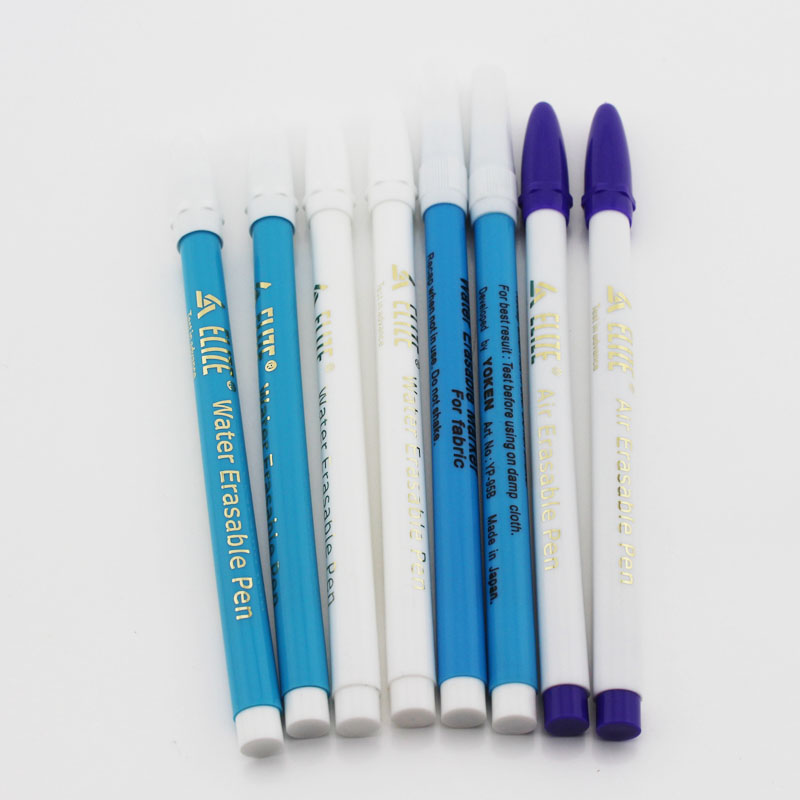
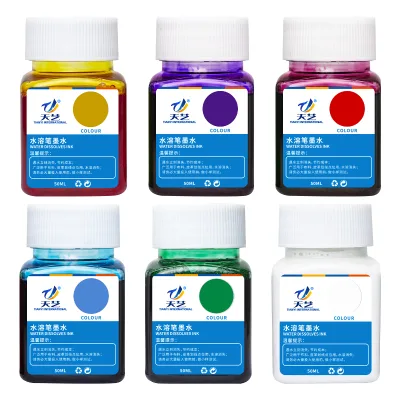
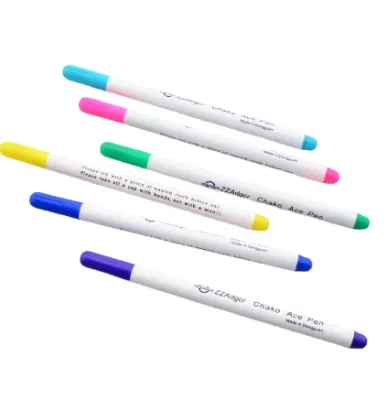
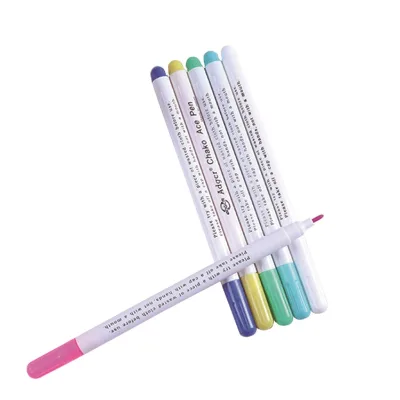
Water Erasable Fabric Marker Pen Water Soluble Fabric Marking Pen for Tailor
$0.08 - $0.10
MOQ: 100 pieces
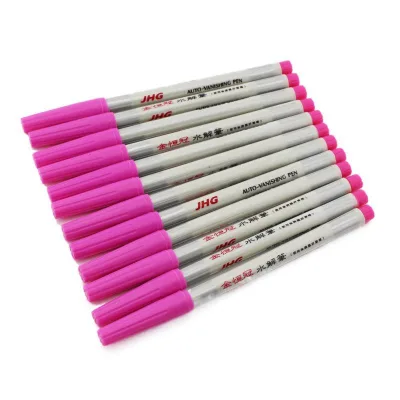
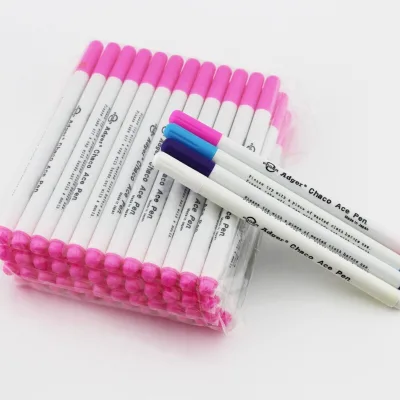
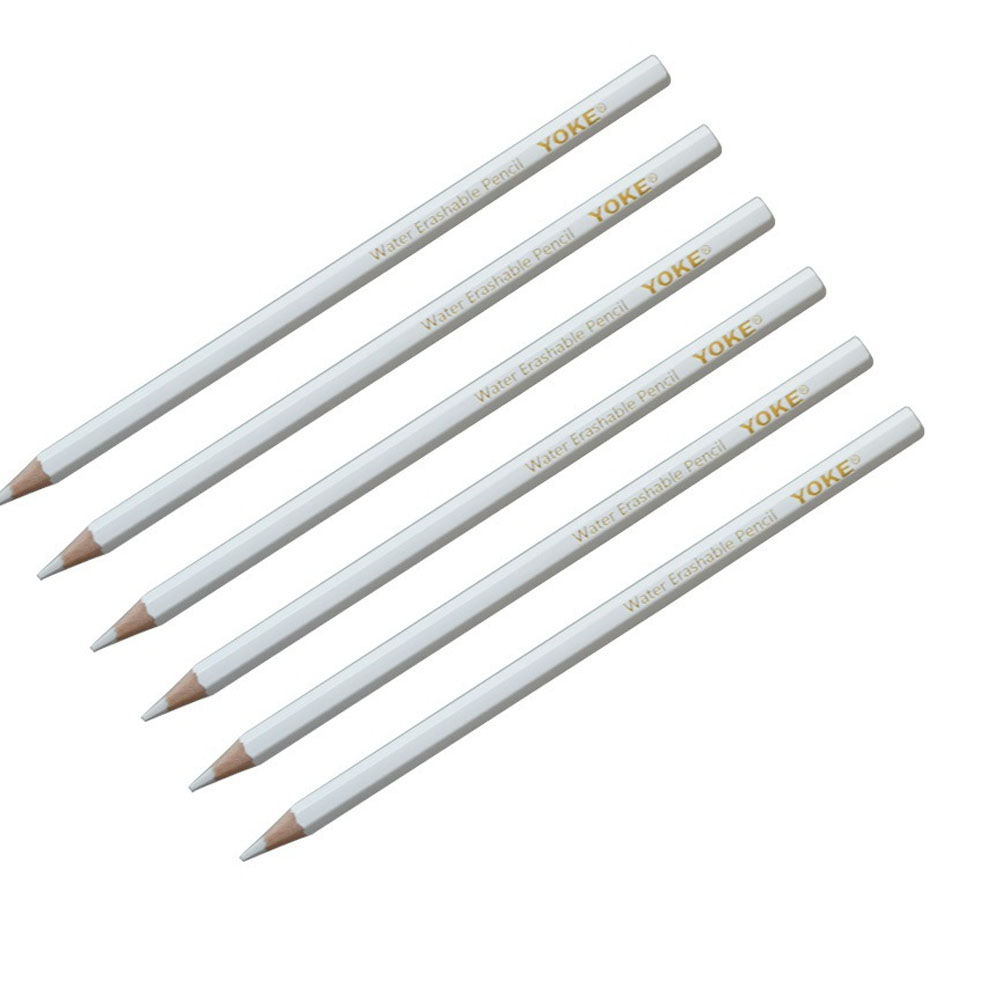
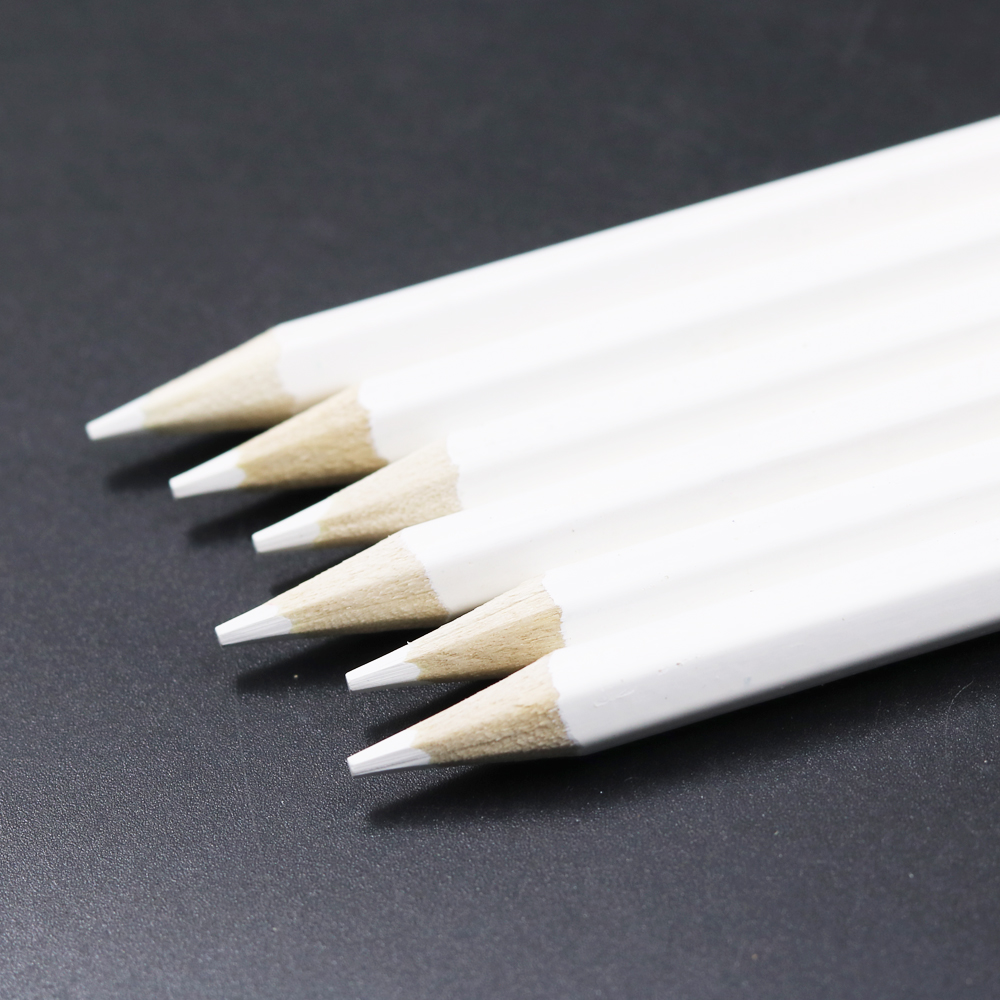
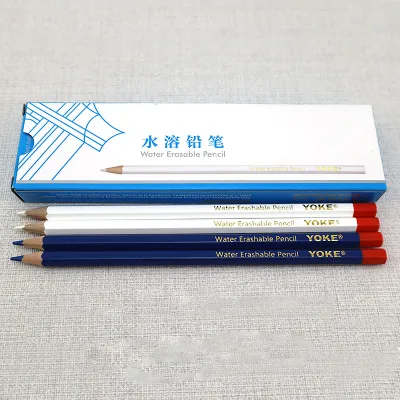
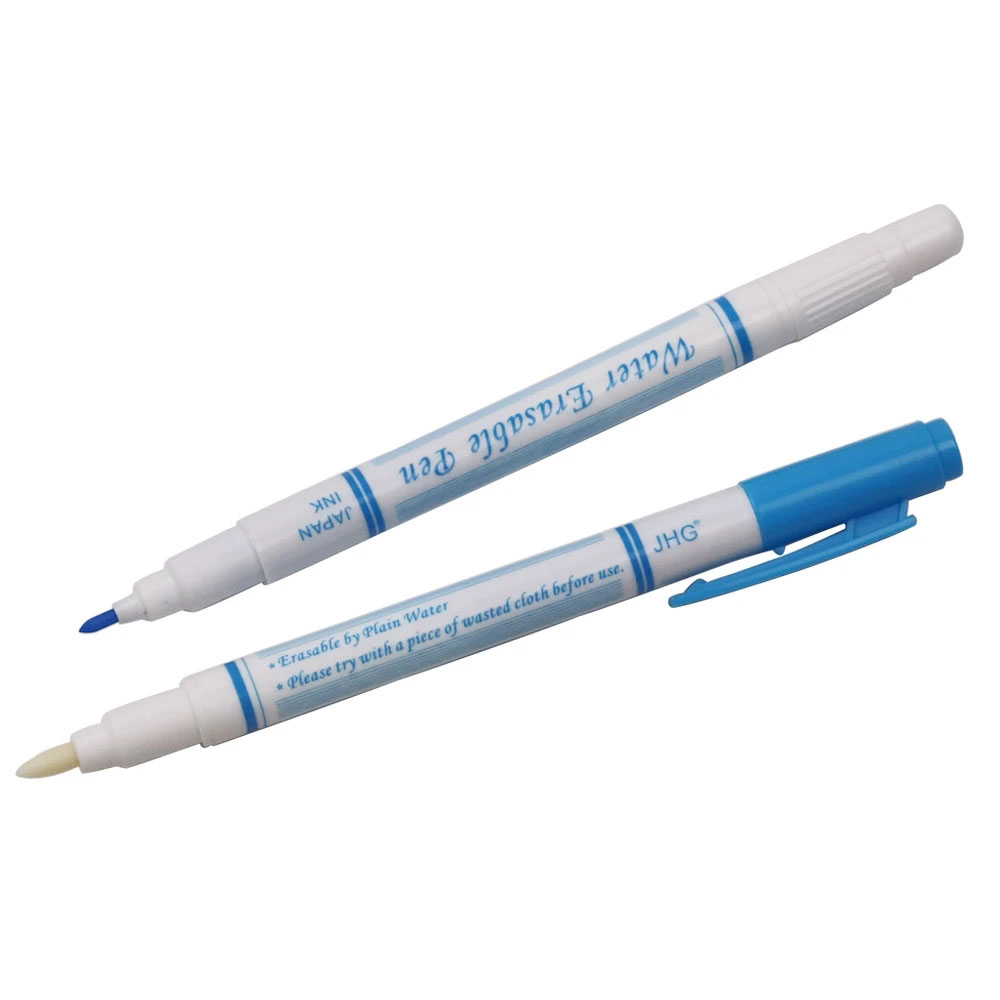
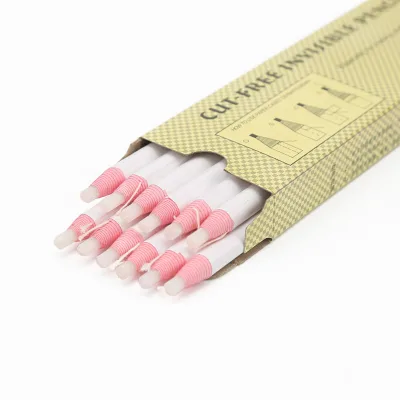
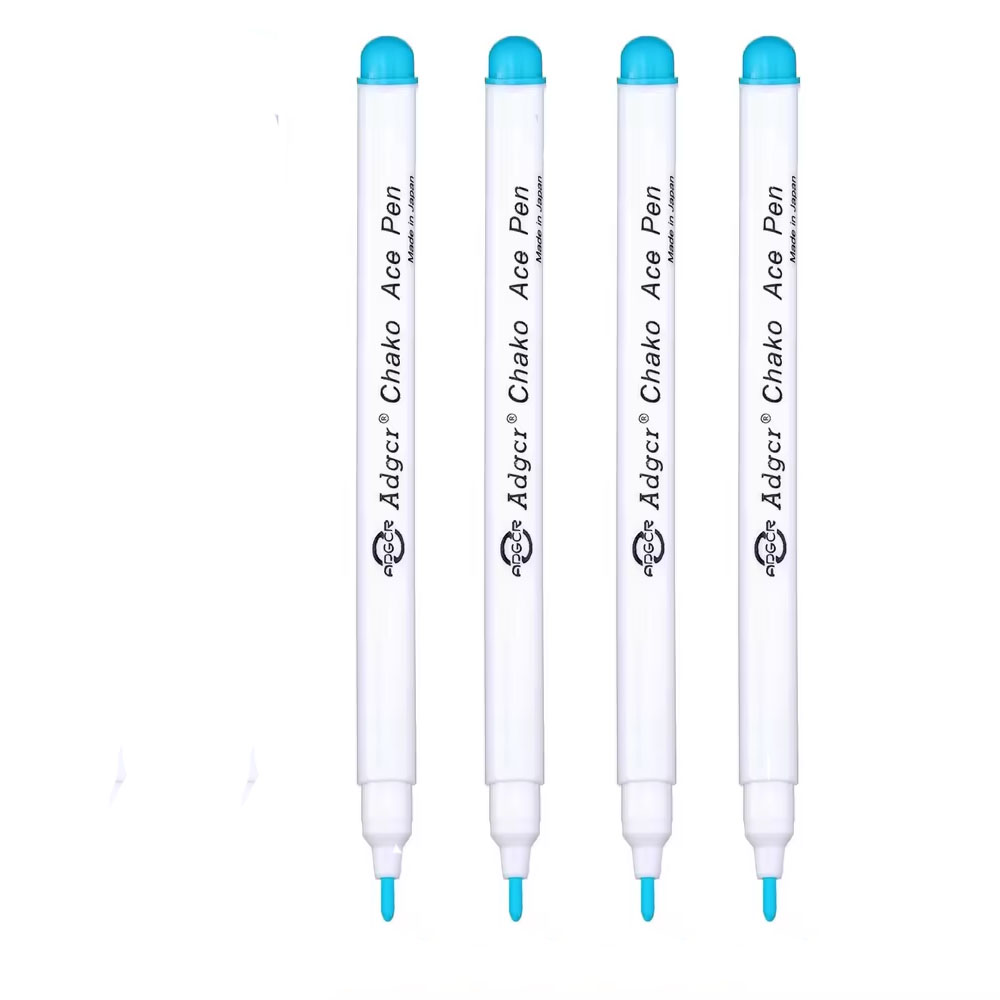


Fabric Leather Marker Sewing Tools Silver Refill Pen Water Erasable Soluble Pen
$0.01 - $0.02
MOQ: 100000 Pieces


24 Colors School Double-Headed Marker Watercolor Pen with Black Cloth Bag
$0.03 - $0.04
MOQ: 5000 Pieces


Factory Price Disappearing Ink Pen Washable Fabric Markers for Cloth Sewing
$0.08 - $0.10
MOQ: 5000 pieces

Custom Logo 24 Colors Water-Based Washable Fabric Markers Art Drawing Pens
$1.92 - $2.00
MOQ: 3000 sets

Water-Based Ink Watercolor Marker Custom 24 Colors Felt Tip Pen for Drawing
$0.10 - $0.12
MOQ: 1000 pieces


Comprehensive Sourcing Guide
Strategic Sourcing Guide for Water Erasable Sewing Markers
Understanding Product Categories and Technical Specifications
When sourcing Water Erasable Sewing Markers, buyers must first distinguish between the various product types available in the global market, as the terminology often overlaps with general art supplies. The core keyword "Water Erasable Sewing Markers" refers to specialized writing instruments designed to leave temporary marks on fabrics that can be removed with water, ensuring no permanent residue remains on the final garment. Based on observed market data, these products often fall under broader categories such as "Art Markers," "Fountain Pens," or "Painting Pens," depending on the specific formulation and tip design.
Technical specifications are the primary differentiator in this category. Buyers should expect to encounter variations in ink type, tip geometry, and packaging. For instance, some listings describe the ink as "Non-Toxic Water Based Inks," while others specify "Water erasable ink" specifically for use on "leather and garment." The physical dimensions of the product are equally critical for logistics and storage. Observed single package sizes range from compact dimensions like 10x2x3 cm to larger art marker sets measuring 12x15x1.5 cm. The tip size is another vital specification, with observed ranges spanning from 1.0 mm to 2.0 mm, and specific brush tips described as "Flat," "Oblique," or "Round Toe." These variations dictate the precision of the marking; a 1.0 mm tip is suitable for fine detailing, whereas a 2.0 mm or brush tip allows for broader strokes on fabric.
Furthermore, the material composition of the pen body influences durability and cost. Common materials observed include "Plastic," "PP Plastic," and "PET Resin." The ink packaging also varies significantly; some units come in a "Bottle" format with a capacity of 50ml, while others are sold as "Refill Type" gel pen refills or single items in an "opp bag." The color availability is another key specification, with options ranging from single colors to extensive palettes of 6, 12, or even 20 colors. Buyers must align these technical attributes with their specific sewing requirements, ensuring the chosen marker offers the correct balance of visibility, erasability, and line width for their fabric types.
Compliance, Safety, and Certification Verification
In the B2B procurement of writing instruments intended for textile marking, safety and compliance are paramount. Since these markers are used in environments where they may come into contact with clothing that is subsequently worn, the ink formulation must meet strict safety standards. The observed product data frequently mentions "Non-Toxic Water Based Inks," which is a positive indicator for general safety. However, buyers cannot rely solely on marketing terms like "Non-Toxic" without verifying specific regulatory compliance.
Buyers must verify that the products comply with relevant international safety standards for children's products and general consumer goods, such as ASTM F963 in the United States or EN71 in Europe, particularly if the markers are marketed for use in educational or craft settings. While the supplied data does not list specific certification numbers, it is essential to request documentation proving that the ink and plastic materials do not contain harmful heavy metals, phthalates, or volatile organic compounds (VOCs) beyond permissible limits.
Additionally, the "Place of Origin" is a significant factor in compliance verification. A high volume of these products originates from "Guangdong, China" or generally "Guangdong Province." While this region is a major manufacturing hub, buyers should ensure that the specific supplier adheres to the export regulations of the destination country. This includes verifying that the "Customized logo" and "Customized Accept" packaging options do not infringe on intellectual property rights and that the materials used meet the environmental standards of the importing region. For instance, if the destination market has strict regulations on plastic waste, the "PP Plastic" or "PET Resin" bodies must be evaluated for recyclability or compliance with local disposal laws.
Cost Drivers and Pricing Dynamics
The pricing of Water Erasable Sewing Markers is influenced by a complex interplay of material costs, customization requirements, and order volume. The observed price range in the market is quite broad, spanning from $0.01 to $3.56 USD per unit. This variance is not arbitrary but is driven by specific cost drivers that procurement managers must understand to negotiate effectively.
The primary cost driver is the level of customization. Products that accept a "Customized logo" or "Customized Accept" packaging typically command a higher price point due to the setup costs for printing and the additional labor involved. A standard, unbranded marker in a simple "1pc/opp bag" will be at the lower end of the price spectrum, while a fully branded set with a custom color palette and specialized packaging will be at the higher end. The "Brand Name" also plays a role; established brands like "TianYi" or "TY" may have different pricing structures compared to generic or OEM options, reflecting brand equity and perceived quality.
Order volume is the second major factor. The observed Minimum Order Quantity (MOQ) ranges from as low as 2 units to as high as 500,000 units. This wide range indicates that suppliers are willing to accommodate both small-scale trials and massive industrial orders. However, the unit price is almost inversely proportional to the order quantity. A buyer ordering 2 units will likely pay the maximum observed price, whereas an order of 500,000 units will secure the lowest possible unit cost. Buyers should also consider the "Single gross weight," which varies from 0.010 kg to 0.025 kg. While this seems negligible per unit, it accumulates significantly in large shipments, impacting freight costs and ultimately the landed cost of the product.
Typical Applications and Functional Use Cases
Water Erasable Sewing Markers serve a critical function in the textile and garment industry, primarily used for pattern marking, seam allowance indication, and fabric cutting guides. The "Special Application" field in product listings often highlights "Office," but the true utility lies in the manufacturing and design sectors. The ability to write on "leather and garment" makes these markers indispensable for tailors, fashion designers, and garment manufacturers who need temporary guides that disappear after the sewing process is complete.
The functional versatility of these markers is enhanced by their "Writing Medium" capabilities. Unlike permanent markers that would ruin the fabric, water erasable inks are designed to dissolve upon contact with water, leaving no trace. This is particularly useful for "Drawing" and "Painting" applications where the marker acts as a temporary stencil. The "Type" of marker, whether it is an "Art Marker," "Fountain Pen," or "Painting Pen," dictates the flow of the ink and the precision of the line. For example, a "Brush Tip" with "Flat, Oblique, Round Toe" options allows for artistic freehand marking, which is valuable for custom embroidery or hand-painted designs on fabric.
Furthermore, the "Ink Color" options, ranging from single colors like "blue" to "Multi-Colored" sets, allow for color-coding different pattern pieces. This is a standard practice in garment production to distinguish between front, back, and sleeve pieces. The "Refill Type" feature is also a significant functional advantage, as it allows users to replace the ink cartridge rather than discarding the entire pen, reducing waste and long-term costs. This feature is particularly relevant for high-volume users in factories who go through ink supplies rapidly.
Supplier Evaluation and Sourcing Strategy
Evaluating suppliers for Water Erasable Sewing Markers requires a rigorous approach to ensure consistency and reliability. Given the high number of observed products (30 in the sample data), buyers must be selective. The first step is to verify the "Place of Origin." While "Guangdong, China" is a common origin, buyers should confirm the specific factory location to assess the supply chain stability and logistics capabilities. A supplier located in a major industrial hub may offer better infrastructure and faster response times.
Secondly, buyers should scrutinize the supplier's ability to handle customization. The frequent mention of "Customized logo Accept" and "Customized Accept" for packaging suggests that many suppliers offer OEM/ODM services. However, buyers must verify the supplier's capacity to maintain quality during the customization process. This includes checking their quality control procedures for "Uv Printing" and ensuring that the logo application does not interfere with the ink's erasability or the pen's functionality.
Thirdly, the "Model Number" is a crucial identifier for consistency. The data shows multiple model numbers such as "TY-411," "TY-101," and "TY-001." Buyers should request samples of specific models to ensure that the specifications match their requirements. For instance, if a buyer needs a 2.0 mm tip, they must confirm that the specific model they are sourcing actually offers that size. Relying on general descriptions can lead to receiving products with incorrect specifications.
Finally, buyers should evaluate the supplier's flexibility regarding "Selling Units." Some suppliers sell in "Single item" units, while others may offer bulk packaging. The ability to negotiate packaging formats can significantly impact storage and distribution efficiency. A supplier that can provide "1pc/opp bag" or larger bulk packs based on the buyer's needs demonstrates a higher level of service and adaptability.
Quality Control and Long-Term Procurement Considerations
Quality control is the final and perhaps most critical step in the procurement process. Buyers must establish clear acceptance criteria before placing orders. Key quality checks should include verifying the "Erasable Or Not" attribute. While some products are explicitly marked as "No" for erasability, others are "Water erasable ink." It is essential to test a sample batch to ensure the ink actually erases with water within a reasonable timeframe and does not leave a stain. The "Ink Type" should be consistent across the batch; any variation in viscosity or color intensity can lead to production errors.
Long-term procurement considerations involve building a sustainable relationship with the supplier. This includes negotiating terms for "Refill Type" availability. If the markers are designed to be refilled, the supplier must guarantee a steady supply of compatible refills. This reduces the total cost of ownership and minimizes waste. Additionally, buyers should consider the "Single gross weight" and "Single package size" for long-term logistics planning. Consistent packaging dimensions allow for optimized container loading, reducing shipping costs over time.
Buyers should also monitor the "Color" consistency. With options ranging from 6 to 20 colors, maintaining color accuracy across different production runs is vital. Any deviation in the "Ink Color" can affect the branding and quality perception of the final garment. Establishing a color standard and requiring the supplier to adhere to it during production is a necessary quality control measure.
In conclusion, sourcing Water Erasable Sewing Markers requires a detailed understanding of technical specifications, compliance requirements, and supplier capabilities. By carefully evaluating the product attributes, cost drivers, and quality control measures, buyers can secure a reliable supply of high-quality markers that meet their specific sewing and manufacturing needs. The broad range of options available in the market allows for significant customization, but success depends on rigorous due diligence and clear communication with suppliers.
FAQs
Can these markers be used on leather and garment fabrics?
Yes, the ink is specifically designed for writing on leather and garment materials. The product data confirms the ink is water-based and intended for these textiles, allowing temporary marks that can be removed.
What is the available tip size range for these markers?
The tip size ranges from 1.0 mm to 2.0 mm depending on the specific model. Some models feature brush tips with flat, oblique, or round toe options to accommodate different marking widths and styles.
Which customization options are available for branding and packaging?
Customized logos and packaging are accepted for these products. Buyers can request specific branding on the pen body and choose custom packaging formats, though this may affect the unit price and minimum order quantity.
How many color options are available for these water-based markers?
Color availability varies by model, with options including 6, 12, or 20 colors. Some single items offer specific colors like blue, while others provide multi-colored sets suitable for various design applications.
What is the typical single package size for these markers?
Single package sizes range from 10x2x3 cm to 14.5x1x1 cm depending on the model. Larger sets may measure 12x15x1.5 cm, which impacts storage and shipping logistics for bulk orders.
Can buyers order these markers with a minimum quantity of just two units?
Yes, the minimum order quantity can be as low as 2 units for some suppliers. However, larger orders up to 500,000 units are also supported, with pricing varying significantly based on the volume purchased.
What material is used to construct the body of these pens?
The pen bodies are constructed from plastic materials such as PP Plastic or PET Resin. These materials are chosen for durability and cost-effectiveness while ensuring the product remains lightweight for handling.