Source Multi-Layered Skull Alloy Body Chain for Fashion, Events, and Gifts
Find and compare 30 listings for Multi-Layered Skull Alloy Body Chain options suitable for fashion styling, formal events, and promotional gifts. Evaluate variations in plating, material, and customization services to identify the best fit for your jewelry design needs.
Key considerations
Products List


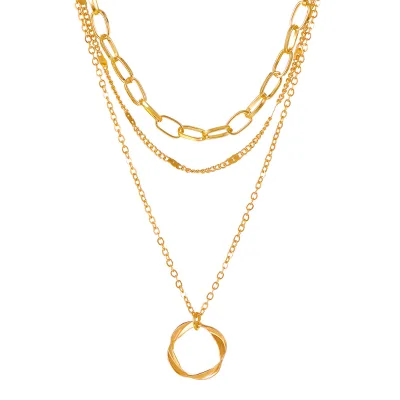


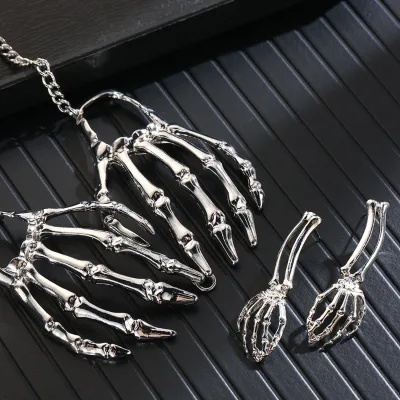



Body Jewelry Beach Style Ladies Silver Color Metal Multilayer Thigh Chain
$1.44 - $1.62
MOQ: 12 Pieces

Fashion Crystal Body Jewelry for Women Snake Multi-Layer Female Leg Jewelry
$1.36 - $1.56
MOQ: 12 Pieces


Comprehensive Sourcing Guide
Multi-Layered Skull Alloy Body Chain Sourcing Guide
Sourcing multi-layered skull alloy body chains requires a nuanced understanding of both the aesthetic demands of fashion-forward accessories and the technical constraints of wearable metal components. These items typically serve as statement pieces for formal occasions, festivals, or promotional campaigns where bold visual impact is prioritized. The core material is generally an alloy, often plated with gold, silver, rhodium, or rose gold to achieve the desired luster and color consistency. Buyers must recognize that while the visual appeal is driven by the "star fashion" or edgy skull motifs, the underlying structural integrity depends heavily on the quality of the base metal and the durability of the plating process.
The procurement landscape for these accessories is characterized by high customization potential and flexible manufacturing services. Suppliers frequently offer OEM and custom design capabilities, allowing brands to tailor the number of layers, the specific skull design, and the chain length to their unique collection needs. With observed minimum order quantities (MOQs) ranging from 2 to 100 pieces, this category is particularly accessible for small to medium-sized enterprises looking to test market response without committing to massive inventory. However, the variability in product specifications, such as weight standards ranging from 10g to 30g, necessitates rigorous verification during the sampling phase to ensure the final product aligns with brand expectations for weight and feel.
Product Scope and Observed Listing Signals
The product scope for multi-layered skull alloy body chains encompasses a variety of styles, including silver, gold, and two-tone finishes, often designed for female demographics. These items are marketed for multiple uses, including decoration, gifting, and personal adornment, with a strong emphasis on their suitability for formal occasions or high-visibility events. The observed listings indicate a diverse range of models, identified by unique product codes, which suggests a broad catalog of available designs. Buyers should note that while the core material is consistently identified as alloy, some listings may also reference stainless steel or metal variants, requiring careful distinction during the sourcing process to avoid material mismatches.
Listing signals reveal significant variation in packaging and shipping methods, which directly impacts logistics planning. Products are commonly packed in PP bags, OPP boxes, or cartons, depending on the order volume and supplier preference. Shipping options typically include major carriers such as UPS, DHL, FedEx, TNT, and EMS, indicating that suppliers are equipped to handle international B2B shipments efficiently. The observed price range of $0.49 to $6.65 USD reflects the disparity in quality, plating thickness, and design complexity. Buyers must correlate these price points with the observed MOQs and delivery times, which generally fall within 15-20 days after deposit, to accurately forecast total landed costs and inventory turnover rates.
Technical Specifications to Verify
Verifying technical specifications is critical when sourcing alloy body chains, particularly regarding the base material and plating integrity. Buyers must confirm whether the alloy is nickel-free or compliant with specific heavy metal restrictions, as this directly affects consumer safety and regulatory compliance in target markets. The plating options, which may include gold, silver, rhodium, or black finishes, should be tested for adhesion and colorfastness. It is essential to request detailed specifications on the plating thickness, as thinner platings are more prone to tarnishing and wear, especially on body chains that experience friction and exposure to skin oils and sweat.
Dimensional accuracy and weight consistency are other key technical parameters that require verification. The observed product standards vary, with some items weighing 10g, 25g, or 30g, and lengths specified at 45cm or customized. Buyers should ensure that the pendant shapes, such as square or round skulls, are proportionate to the chain links and that the multi-layered structure does not tangle easily. Additionally, the clasp mechanism and any adjustable features must be robust enough to withstand repeated use. Requesting physical samples with precise measurements and weight checks is the only reliable way to validate these specifications before committing to bulk production.
Compliance and Safety Documentation
Compliance and safety documentation form the backbone of responsible sourcing for metal jewelry and accessories. Buyers must ensure that suppliers provide relevant test reports confirming the absence of hazardous substances such as lead, cadmium, and nickel, particularly if the products are intended for markets with strict regulations like the EU or Australia. The observed product features often mention "High Quality in EU and Au," which implies adherence to regional standards, but buyers should not assume compliance without documented proof. Requesting certificates of analysis or test reports from accredited laboratories is a necessary step to mitigate legal and reputational risks associated with non-compliant materials.
Furthermore, buyers should verify that the supplier adheres to recognized quality management systems and ethical manufacturing practices. While specific certifications are not explicitly listed in the observed data, reputable suppliers often hold ISO certifications or comply with social responsibility standards. It is also important to check for any specific labeling requirements, such as country of origin markings, which are typically required for import clearance. The observed origin locations, including Guangzhou and Yiwu in China, are major manufacturing hubs, but buyers must ensure that all documentation accurately reflects the manufacturing location and material composition to avoid customs delays or penalties.
Cost Drivers and Commercial Terms
Several factors drive the cost of multi-layered skull alloy body chains, with material quality and plating being the most significant. Thicker platings and higher-grade alloys naturally command higher prices, as do more complex designs with intricate skull motifs and multiple chain layers. The observed MOQ of 30 pieces for some items suggests that smaller orders may incur higher per-unit costs due to setup and production inefficiencies. Buyers should negotiate pricing based on volume tiers, understanding that larger orders can significantly reduce the unit price, potentially bringing it closer to the lower end of the observed range.
Commercial terms, including payment methods and delivery times, also impact the overall cost structure. The standard delivery time of 15-20 days after deposit is typical for this category, but buyers should clarify whether this timeline includes production, quality control, and shipping. Rush orders may incur additional fees, so planning ahead is essential. Additionally, buyers should consider the cost of packaging and shipping, which can vary based on the chosen carrier and destination. Clear communication regarding Incoterms and responsibility for import duties will help avoid unexpected expenses and ensure a smooth transaction process.
Supplier Qualification and Quality Control
Supplier qualification is a critical step in ensuring the reliability and consistency of multi-layered skull alloy body chain orders. Buyers should assess the supplier's manufacturing capabilities, including their ability to handle OEM and custom design requests. The observed fact that the supplier offers "Yes" for factory status indicates direct manufacturing, which can offer advantages in cost control and communication. However, buyers should verify the supplier's production capacity and lead time consistency to ensure they can meet demand peaks without compromising quality.
Quality control measures should be clearly defined and agreed upon before production begins. Buyers should request a detailed quality control plan that includes in-process inspections and final random inspections based on acceptable quality limits (AQL). Given the variability in observed product standards, it is essential to establish clear acceptance criteria for defects such as plating peeling, chain breakage, or misaligned pendants. Engaging a third-party inspection service for pre-shipment inspections can provide an additional layer of assurance, ensuring that the delivered goods meet the agreed-upon specifications and quality standards.
Long-Term Procurement Checks
Long-term procurement success depends on establishing a robust supplier relationship and implementing continuous improvement processes. Buyers should regularly review supplier performance metrics, including on-time delivery rates, product quality consistency, and responsiveness to issues. Building a partnership based on transparency and mutual benefit can lead to better pricing, priority production slots, and improved support for custom designs. Regular communication and feedback loops are essential for addressing any emerging issues and ensuring that the supplier remains aligned with the buyer's evolving needs.
Additionally, buyers should stay informed about market trends and regulatory changes that may impact the sourcing of alloy jewelry. As consumer preferences shift towards more sustainable and ethically sourced materials, suppliers may need to adapt their production processes accordingly. Buyers should proactively discuss these trends with their suppliers to ensure that future orders remain competitive and compliant. By maintaining a proactive approach to supplier management and market analysis, buyers can mitigate risks and secure a reliable supply chain for multi-layered skull alloy body chains over the long term.
FAQs
Can I customize the design of the Multi-Layered Skull Alloy Body Chain?
Yes, customization is available for this product line. The supplier offers OEM and custom design manufacturing services to meet specific buyer requirements. You can request changes to the style, plating, or stamp details to align with your brand needs.
What is the minimum order quantity for the Multi-Layered Skull Alloy Body Chain?
The standard minimum order quantity is 30 pieces for this item. However, observed listings show a broader range from 2 to 100 pieces depending on the specific supplier and product model. Buyers should confirm the exact MOQ with the vendor before placing an order.
How long does it take to receive the Multi-Layered Skull Alloy Body Chain?
Delivery typically occurs within 15 to 20 days after the deposit is received. This lead time applies to the manufacturing and shipping process for the customized or standard items. Buyers should account for this duration when planning their inventory or event schedules.
Which materials are used to make the Multi-Layered Skull Alloy Body Chain?
The product is primarily made from alloy, stainless steel, or metal with various plating options like gold, silver, or rhodium. Some variations may also include crystal or pearl elements. The specific material depends on the selected model and customization request.
What plating options are available for the Multi-Layered Skull Alloy Body Chain?
Available plating choices include gold, silver, rhodium, rose gold, yellow gold, and black. These finishes are applied to the alloy or metal base to enhance durability and aesthetic appeal. Buyers can select the plating that best matches their design requirements.
Where are the Multi-Layered Skull Alloy Body Chain products manufactured?
The products originate from China, with specific manufacturing hubs located in Guangzhou and Yiwu. These locations are known for producing jewelry and fashion accessories. Buyers can expect the goods to be shipped from these regions via international carriers.
How is the Multi-Layered Skull Alloy Body Chain packaged for shipment?
Packaging options include PP bags, OPP bags with cartons, or OPP boxes depending on the specific product model. The packaging is designed to protect the items during transit while maintaining their quality. Bulk orders may utilize cartons for efficient shipping.