Source Multi Parameter Water Quality Tester for Lab, Food, Medical
Source the Multi Parameter Water Quality Tester for biochemistry, medical research, and food analysis. Compare 30 portable models with LED or digital displays, RS-232/USB interfaces, and data storage capabilities from Zhengzhou, China suppliers; compare the available evidence and request quotations based on your requirements.
Updated
Key considerations
Products List


Nanbei Instruments Portable Multiparameter Water Quality Meter Tester
$1360.00 - $1475.00
MOQ: 1 Pieces


Multiparameter Water Quality Tester for pH Do Conductivity Cod in Environmental Monitoring
$650.00 - $765.00
MOQ: 1 Pieces

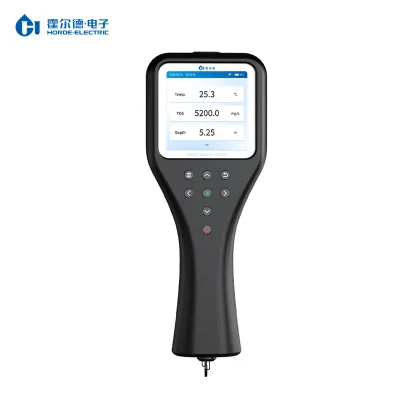
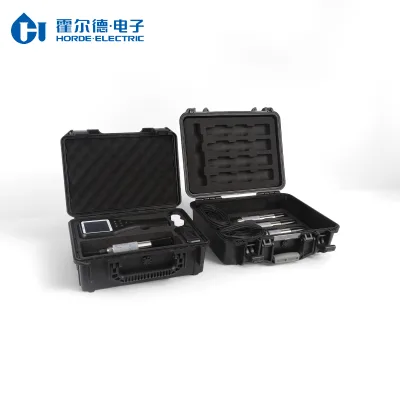
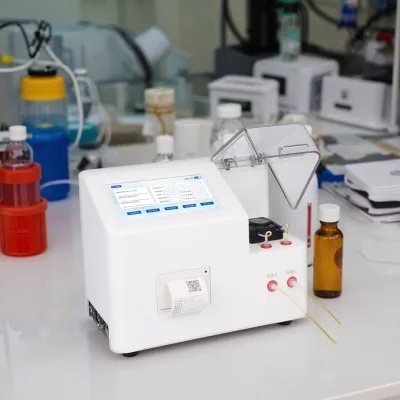
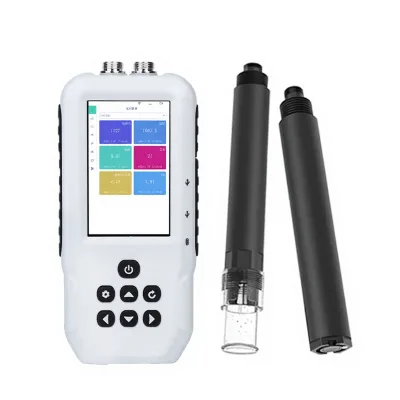
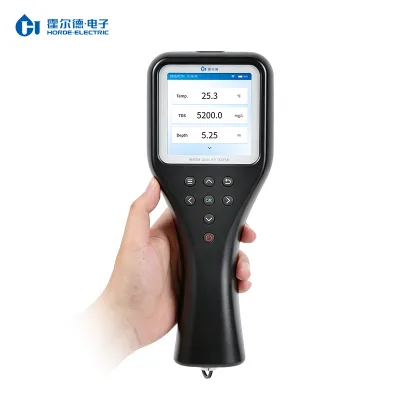


Comprehensive Water Quality Testing Multi-Parameter Meter for Professionals
$223.00 - $246.00
MOQ: 2 Pieces

Handheld Water Quality Tester with LCD and Bluetooth Multifunctional Tester
$49.00 - $53.00
MOQ: 2 Pieces

Advanced Water Quality Meter for Professionals Connect Sensors Multi-Parameter Meter
$223.00 - $246.00
MOQ: 2 Pieces

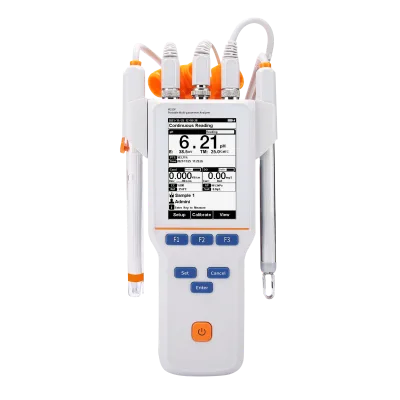
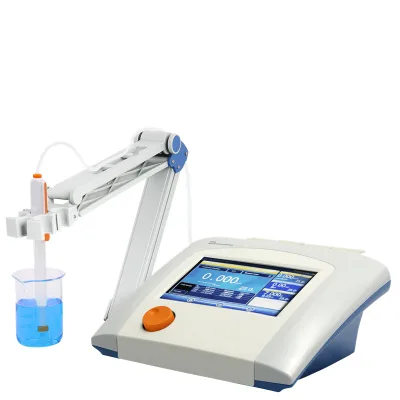
Multiparameter Water Quality Tester Temperature / DO / Conductivity / Ion Concentration / PH Meter
$1497.0307 - $1827.4104
MOQ: 1 pieces
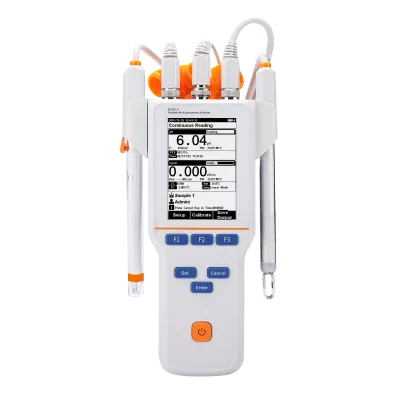
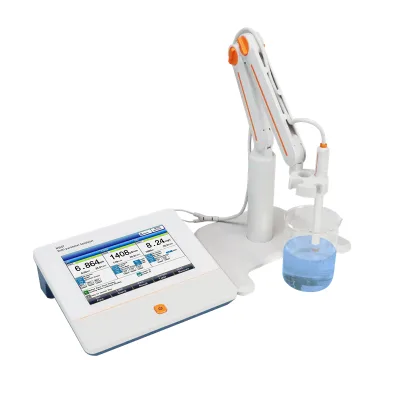

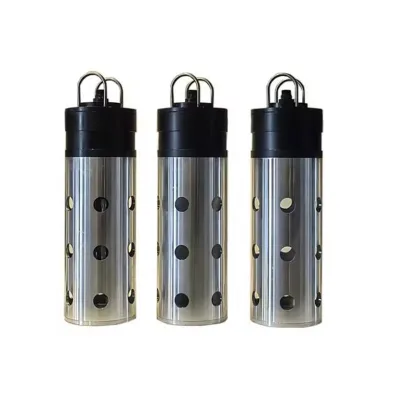


Comprehensive Sourcing Guide
Multi Parameter Water Quality Tester Sourcing Guide
Procuring multi-parameter water quality testers requires a strategic approach to align technical capabilities with specific laboratory or field requirements. These instruments are designed to measure critical water quality indicators, including pH, conductivity, dissolved oxygen, total dissolved solids, and temperature, often within a single portable unit. Buyers must first define the exact parameters needed for their biochemistry, medical research, or food analysis applications to avoid over-specifying or under-specifying the equipment. The availability of customization options allows for tailored solutions, ensuring that the selected device integrates seamlessly into existing workflows.
The market offers a variety of models, such as the M500T and M300F, each with distinct feature sets and physical dimensions. Understanding the differences between digital LED displays and other interface types is crucial for operational efficiency. Furthermore, the portability of these devices makes them suitable for on-site water pollution control and resource protection efforts. Buyers should evaluate the power requirements, ranging from DC adapters to battery operation, to ensure reliability in remote or laboratory settings without compromising measurement accuracy or data integrity.
Product Scope and Observed Listing Signals
The observed product listings indicate a diverse range of multi-parameter water quality testers with prices spanning from 49 to 3145 USD, reflecting variations in complexity and brand positioning. Minimum order quantities are typically low, ranging from 1 to 2 units, which facilitates easy procurement for small laboratories or individual researchers. The products are primarily sourced from Zhengzhou and Henan regions in China, highlighting a concentrated manufacturing hub for these scientific instruments. This geographic concentration can simplify logistics but requires careful vetting of supplier reliability and export capabilities.
Key attributes observed include support for multiple common ion modes and extensive data storage capacities, such as 2200 sets or groups, which are essential for long-term monitoring projects. The inclusion of communication interfaces like RS-232 and USB enables seamless data transfer to computers for analysis and reporting. Additionally, features such as view, delete, and print functions enhance user convenience. Buyers should verify if the specific model supports automatic or manual temperature compensation, as this significantly impacts measurement accuracy across varying environmental conditions.
Technical Specifications to Verify
Technical verification must begin with the measuring range and precision of the device. For instance, some models offer a pH range of -2.000 to 20.000 pH and an ORP range of -2000.00 to 2000.00 mV, while others may have narrower ranges. It is critical to confirm the specific parameters supported, such as pH, conductivity, dissolved oxygen, resistance, TDS, salinity, and ion concentration. Buyers should also check the temperature compensation method, whether manual or automatic, and ensure the device supports zero oxygen and full-scale calibration for accurate readings.
Physical specifications and power requirements are equally important for operational planning. Dimensions vary, with some units measuring approximately 28x22x10 cm or 250x195x100 mm, affecting portability and storage. Power sources can include 9V DC adapters drawing 800mA or four AA batteries, influencing suitability for field use. The display type, whether LED or digital, impacts readability in different lighting conditions. Additionally, the net weight, such as 2kg, and packing standards, like export standard packages or carton boxes, should be considered for shipping and handling logistics.
Compliance and Safety Documentation
Compliance with international standards is a non-negotiable aspect of sourcing scientific instruments. Many listed products claim certifications such as ISO, CE, FCC, and RoHS, which indicate adherence to quality management, electromagnetic compatibility, and environmental safety regulations. Buyers must request valid certification documents to verify these claims, as the presence of a logo does not guarantee current validity or scope. Ensuring that the device meets the specific regulatory requirements of the destination country is essential for legal importation and safe operation.
Safety documentation should also include detailed user manuals and calibration certificates. The calibration process, often involving zero and full-scale adjustments, must be clearly documented to maintain measurement accuracy over time. Buyers should inquire about the availability of replacement probes and sensors, as these are consumable items that require periodic replacement. Understanding the warranty terms and after-sales support structure is crucial, especially for devices used in critical applications like medical research or food analysis where data integrity is paramount.
Cost Drivers and Commercial Terms
Cost variations in multi-parameter water quality testers are driven by the complexity of the measurement capabilities, the quality of the display and interface, and the included accessories. Models with extensive data storage, multiple ion modes, and robust communication interfaces tend to be priced higher. The observed price range of 49 to 3145 USD suggests that buyers can find options for both basic field testing and advanced laboratory analysis. It is important to consider the total cost of ownership, including the price of replacement probes, calibration solutions, and potential maintenance contracts.
Commercial terms such as minimum order quantity, payment methods, and lead times should be negotiated clearly. While MOQs are often low, bulk purchases may offer discounts. Buyers should also consider shipping costs and import duties, which can significantly impact the final price. The origin of the product, primarily from China, may affect lead times and logistics complexity. Establishing a clear agreement on packaging standards, such as export-standard packaging, helps prevent damage during transit and ensures the device arrives in optimal condition for immediate use.
Supplier Qualification and Quality Control
Supplier qualification is critical to ensuring the reliability and longevity of the purchased equipment. Buyers should verify the supplier’s business license, manufacturing capabilities, and quality control processes. Given that many products originate from Zhengzhou and Henan, it is advisable to conduct factory audits or request third-party inspection reports to confirm production standards. Suppliers with a history of exporting to diverse markets may have more robust quality assurance systems in place.
Quality control measures should include pre-shipment inspections and functional testing of each unit. Buyers should request sample units for evaluation before placing large orders to assess build quality, display clarity, and measurement accuracy. Establishing a clear protocol for handling defective units and warranty claims is essential. Additionally, suppliers should provide comprehensive technical support and training materials to ensure that users can operate the devices correctly. Building a long-term relationship with a qualified supplier can lead to better pricing and priority support.
Long-Term Procurement Checks
Long-term procurement success depends on the availability of spare parts and ongoing technical support. Buyers should confirm the availability of replacement probes, electrodes, and batteries for the specific model purchased. The lifespan of these consumables varies, and having a reliable supply chain for replacements is crucial for uninterrupted operations. Suppliers should also provide firmware updates or software tools for data management, enhancing the utility of the device over time.
Regular calibration and maintenance are necessary to maintain measurement accuracy. Buyers should establish a schedule for routine checks and recalibration, using certified reference standards. Keeping detailed records of maintenance activities and calibration results helps in troubleshooting and ensures compliance with quality standards. Additionally, staying informed about new models and technological advancements in water quality testing can help buyers upgrade their equipment strategically. Engaging with the supplier for feedback and future needs ensures a continuous improvement in procurement outcomes.
FAQs
What parameters can the M500T Multi Parameter Water Quality Tester measure?
The M500T model measures pH, ORP, conductivity, dissolved oxygen, TDS, and temperature. It supports multiple common ion modes and offers manual or automatic temperature compensation. This device is designed for biochemistry, medical research, and food analysis applications to help control water pollution and protect resources effectively.
How much data storage does the portable water quality meter provide?
The portable meter provides substantial data storage capacity for 2200 sets or groups of measurements. Users can view, delete, and print this stored data directly from the device. The system supports data storage, query, cancel, and print functions, ensuring comprehensive record-keeping for laboratory or field testing needs.
Can the Multi Parameter Water Quality Tester connect to a computer?
Yes, the device features USB and RS-232 communication interfaces for seamless connectivity. These ports allow users to transfer measurement data to external systems for further analysis. The digital display and portable design make it suitable for various laboratory settings, including biochemistry and medical research environments requiring precise data logging.
What is the power source for the multifunction water quality tester?
The multifunction tester operates on a 9V DC power supply requiring 800mA. Some portable models may also utilize four AA batteries for flexible operation. This power configuration ensures reliable performance during field tests or laboratory sessions, supporting continuous monitoring of water quality parameters without immediate reliance on mains electricity.
Where are these multi parameter water quality testers manufactured?
These testers are manufactured in Zhengzhou, China, and Henan, China (Mainland). The products comply with CE, RoHS, and ISO standards for quality assurance. Export standard packaging or carton box packages are used to ensure safe delivery. Customization is available for specific buyer requirements, supporting diverse industrial and research applications globally.
What is the measuring range for pH on the digital tester?
The digital tester measures pH within a range of -2.000 to 20.000 pH. It also covers ORP from -2000.00 to 2000.00 mV and ISE from 1e-9 to 9.999e9. This wide range allows for accurate detection of extreme acidity or alkalinity, making it ideal for complex water quality analysis tasks.