Source For Audi Q7 Control Arm for Suspension and Repair
Find 30 listings for the For Audi Q7 Control Arm, featuring OEM-standard parts in steel and aluminum. Compare specifications from Chinese manufacturers to identify suitable front, rear, and lower suspension components for reliable vehicle maintenance; compare the available evidence and request quotations based on your requirements.
Key considerations
Products List


Auto Parts Aluminum Control Arm for Audi A6 Q5 Q7 OEM 4m0407509b 4m0407509c
$10.00 - $20.00
MOQ: 50 Pieces


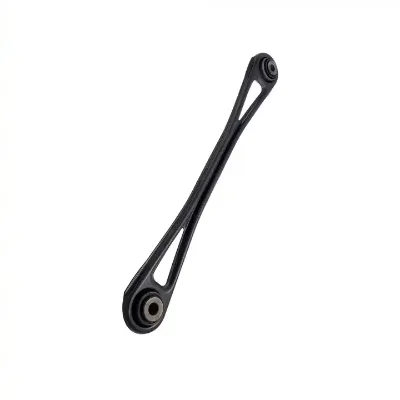

OEM 7L0407151c Front Left Lower Control Arm for Porsche Cayenne Audi Q7
$16.20 - $18.00
MOQ: 50 Pieces


Control Arm 7L0407151f/7L0407152f for Audi Q7 Porsche Cayenne VW Touareg
$10.00 - $25.00
MOQ: 50 Pieces


Comprehensive Sourcing Guide
For Audi Q7 Control Arm Sourcing Guide
Procuring control arms for the Audi Q7 requires precise alignment with specific chassis architectures, as the supply data indicates distinct models for front and rear positions. Buyers must verify that the selected component matches the exact vehicle generation, noting that listings explicitly reference models like 7L0505397 and 8K0407152A for this application. The availability of both front and rear configurations suggests a need to audit inventory lists carefully to ensure the part fits the specific axle location required for the repair.
Commercial listings reveal a wide price spectrum ranging from 2 to 120 USD, which often correlates with material composition and brand positioning. While some entries highlight high-quality aluminum construction, others specify steel or iron standards, directly influencing durability and cost. Sourcing strategies should prioritize matching the material specification to the vehicle's original engineering requirements rather than selecting based solely on the lowest unit price, as structural integrity is paramount for suspension safety.
Product Scope and Observed Listing Signals
The observed product range includes control arms designed for Audi and Volkswagen brands, with specific OEM numbers like 7L8501529A and 4M0407509B serving as critical identifiers. Buyers should expect to find parts labeled as "New" condition with high-quality ratings, yet the presence of "OEM: No" flags indicates these are aftermarket replacements rather than original manufacturer components. This distinction is vital for warranty compliance and insurance claims, requiring clear communication with suppliers regarding the nature of the replacement part.
Listing signals also highlight significant variation in packaging and shipping methods, from neutral packages to custom color boxes and sea transportation options. Some suppliers offer samples, which provides a practical method for verifying fitment before committing to larger orders. The presence of "Made in China" and "Jiangxi, China" origins suggests a concentrated manufacturing hub, but buyers must confirm that the specific batch meets the rigorous standards expected for European luxury vehicle suspension systems.
Technical Specifications to Verify
Technical verification must begin with the precise part numbers, as the data lists multiple variants including 7L0505323A and 7L8407021 for different suspension setups. Buyers need to confirm whether the component is intended for the lower position or general rear/front application, as the geometry and mounting points differ significantly between these locations. Ensuring the size matches the OE standard is essential, as deviations can lead to improper alignment and accelerated wear on other suspension components.
Material composition is another critical technical parameter, with listings specifying both aluminum and steel options. The choice between these materials affects the unsprung weight and handling characteristics of the vehicle, so the buyer must match the original equipment specification. Additionally, the bushing material, noted as natural rubber in some entries, must be verified for compatibility with the vehicle's operating temperature range and load requirements to prevent premature failure.
Compliance and Safety Documentation
Safety documentation for suspension components should include valid certifications such as IATF16949:2016, which indicates a robust quality management system for automotive parts. The presence of ISOOEM:Yes in some listings suggests adherence to specific OEM design protocols, but buyers must request physical certificates to confirm current validity. Relying on unverified claims can lead to liability issues, especially when the parts are installed on vehicles used for commercial or high-performance purposes.
Standard compliance is equally important, with references to both "Standard" and "OEM STANDARD" in the product attributes. Buyers should ensure that the supplier can provide test reports or quality assurance documents that validate the part against these standards. Without such documentation, the risk of receiving substandard components increases, potentially compromising the safety of the vehicle and its occupants during operation.
Cost Drivers and Commercial Terms
Cost drivers in this market are heavily influenced by material costs, with aluminum components typically commanding higher prices than steel or iron alternatives. The observed MOQ range of 1 to 100 pieces allows for flexibility, but buyers should be aware that lower unit prices often require higher volume commitments. Understanding the relationship between order quantity and unit cost is essential for optimizing the total procurement budget while maintaining necessary stock levels.
Commercial terms vary significantly, with payment options including TT, PayPal, Western Union, and Trade Assurance. Lead times are listed as 7 to 45 days, which introduces variability into the supply chain planning process. Buyers must factor in these delivery windows when scheduling repairs or inventory replenishment, ensuring that the payment method selected offers adequate protection against non-delivery or quality disputes.
Supplier Qualification and Quality Control
Supplier qualification should focus on verifying the stated warranty terms, which are commonly listed as 12 months for these components. A robust warranty indicates the supplier's confidence in their product quality and provides a safety net for the buyer in case of early failure. However, buyers must clarify the specific conditions under which the warranty applies, including whether it covers installation errors or only manufacturing defects.
Quality control processes must be transparent, with suppliers expected to demonstrate their ability to maintain consistent product attributes across batches. The availability of samples allows for initial quality checks, but ongoing inspections are necessary to ensure that every shipment meets the required specifications. Buyers should request evidence of their quality control procedures, such as inspection reports or third-party audit results, to validate the supplier's claims.
Long-Term Procurement Checks
Long-term procurement success depends on establishing a reliable supply chain that can consistently deliver parts matching the specific Audi Q7 requirements. Buyers should monitor the supplier's ability to maintain stock of critical part numbers like 7L0501529D and 995533104531, as these are essential for ongoing maintenance and repair needs. Consistency in product quality and delivery times is crucial for maintaining operational efficiency in fleet management or repair shop environments.
Regular performance reviews of the supplier are necessary to ensure they continue to meet the evolving standards of the automotive industry. Buyers should track metrics such as defect rates, delivery punctuality, and responsiveness to inquiries to identify any potential issues early. Building a strong relationship with a qualified supplier can lead to better pricing, priority support, and access to new product developments that benefit the long-term procurement strategy.
FAQs
What certifications do the control arms have?
The control arms hold ISOOEM and IATF16949:2016 certifications to ensure quality standards. These credentials verify that the manufacturing process meets international automotive requirements. Buyers can rely on these documented standards when sourcing parts for Audi vehicles.
Which car models are compatible with these parts?
These control arms are specifically designed for Audi Q7 models and other Audi or Volkswagen vehicles. The product specifications list multiple OEM numbers like 7L0505397 and 7L8501529A for precise fitment. Always verify the exact model year before purchasing.
Can I request custom packaging for my order?
Yes, customization is available including neutral packages or specific requirements based on customer needs. The standard options include plastic bags, color boxes, or sea transportation packaging. This flexibility allows buyers to tailor the delivery format to their logistics strategy.
What is the minimum order quantity for these parts?
The minimum order quantity is typically 10 pieces for this specific control arm product. However, some listings may allow orders starting from just one unit. Buyers should confirm the specific MOQ with the supplier before finalizing their purchase agreement.
How long does delivery take for these parts?
The standard delivery time ranges from 7 to 45 days depending on order volume and shipping method. This lead time covers production and transportation from the Jiangxi, China origin. Buyers should plan their inventory accordingly to avoid delays in vehicle repair schedules.
What materials are used to make these control arms?
The control arms are constructed from high-quality aluminum and steel materials to ensure durability. Some variants feature natural rubber bushings for better suspension performance. These material choices support the high-quality rating and standard specifications listed for the product.
Is a warranty provided for these control arms?
A 12-month warranty is provided for these control arms to protect against manufacturing defects. This coverage ensures buyers receive reliable replacement parts for their Audi vehicles. The warranty terms apply to new condition items purchased through verified channels.