Source Multi-Stage Centrifugal Submersible Water Pump for Agriculture, Industry, and Daily Life
Compare 30 multi-stage centrifugal submersible water pump options from verified manufacturers in China. Buyers can evaluate specifications like head, capacity, and material to find suitable pumps for agriculture, industry, and daily life applications.
Key considerations
Products List


High Pressure Self-Balancing Horizontal Multistage Centrifugal Water Pump
$3500.00 - $15000.00
MOQ: 1 Pieces


$50.00 - $1000.00
MOQ: 10 units


Foot-Mounted Single Stage Centrifugal Multi Stage High Pressure Water Pump
$500.00 - $5000.00
MOQ: 1 set

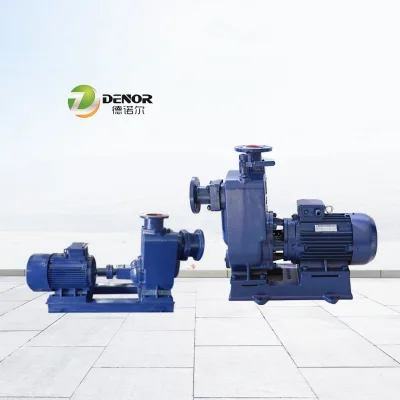
Comprehensive Sourcing Guide
Strategic Sourcing Guide for Multi-Stage Centrifugal Submersible Water Pumps
The procurement of multi-stage centrifugal submersible water pumps requires a disciplined approach to navigating a complex landscape of technical specifications, operational environments, and supplier capabilities. These pumps are engineered to deliver high head pressures by utilizing multiple impellers in series, making them critical for applications requiring deep water extraction or high-pressure distribution systems. Buyers must distinguish between various configurations, such as horizontal and vertical arrangements, and understand how material selection impacts longevity in corrosive or abrasive environments. The following guide outlines the essential factors for evaluating these assets, grounded in observed market data and technical realities.
Technical Configuration and Performance Parameters
Understanding the mechanical architecture of the pump is the first step in defining a precise requirement. The market presents distinct variations in shaft positioning and casing design. Observations indicate that horizontal centrifugal pumps are a common configuration, often featuring horizontal split casings which facilitate maintenance and inspection of internal components. Conversely, vertical pump configurations with vertical joint surface casings are also prevalent, particularly for submersible applications where space constraints or specific installation geometries dictate the orientation.
The impeller design is a critical determinant of performance. Data suggests a range of impeller types available, including single-suction, double-suction, semi-open, and closed designs. Single-stage pumps are often utilized for moderate head requirements, while multi-stage centrifugal pumps are specifically engineered for high-pressure scenarios. The maximum head observed in the current market ranges significantly, with specific models capable of delivering heads between 110m and 150m, while other high-performance variants exceed 150m. Similarly, capacity varies, with observed ranges spanning from 300-400 L/min to capacities exceeding 400 L/min.
The driving mechanism is almost universally an electric motor, ensuring reliable operation in industrial and agricultural settings. The working pressure classification often falls into the middle to high-pressure categories, depending on the specific model series. For instance, models designated with specific identifiers like TSWA or LQDL1-5 represent distinct engineering approaches to these pressure and flow requirements. Buyers must verify the specific impeller number and stage count to ensure the pump meets the exact head requirements of their system, as a single-stage unit will not suffice for deep well applications requiring multi-stage pressure buildup.
Material Integrity and Construction Standards
The longevity of a submersible pump is heavily dependent on the materials used in its construction. Stainless steel is a frequently observed material choice, offering superior resistance to corrosion and wear, which is essential for pumps operating in harsh environments or handling chemically treated water. The color of the pump casing, often observed in silver, black, or blue, serves as a visual indicator of the coating or material finish but does not inherently dictate performance.
Packing standards also reflect the robustness of the product. Products are typically shipped in wood cases, wooden crates, or wood boxes, indicating a need for heavy-duty protection during transit. This packaging choice aligns with the industrial nature of the equipment. Furthermore, the production origin plays a role in the perceived supply chain dynamics. Manufacturing hubs such as Wenzhou and Shanghai, China, are identified as key production centers, suggesting a concentration of specialized pump manufacturing capabilities in these regions.
When evaluating material specifications, buyers should look for explicit confirmation of the material grade. While stainless steel is a common attribute, the specific alloy grade (e.g., 304, 316) is not universally guaranteed across all listings and must be verified against the specific application's corrosive potential. The absence of a specific alloy grade in general descriptions necessitates a direct inquiry to the supplier to confirm compatibility with the intended fluid.
Compliance, Certification, and Regulatory Alignment
Navigating the regulatory landscape is crucial for international procurement. The supply chain for these pumps often references adherence to international standards. ISO certification is a frequently cited attribute, with specific references to ISO9001:2000 indicating a commitment to quality management systems. Additionally, the CE mark is observed as a standard compliance indicator, suggesting conformity with health, safety, and environmental protection standards for products sold within the European Economic Area.
However, buyers must exercise caution regarding the interpretation of these certifications. While "ISO" and "CE" appear in the product attributes, the specific scope and validity of these certifications for the exact model being purchased should be confirmed. Some listings may reference general standards like "120cmX100cmX60cm," which appears to be a dimension specification rather than a formal standard code, highlighting the need for careful review of documentation.
In addition to quality management, environmental compliance is increasingly important. Background information suggests the existence of ROHS compliance considerations, though this is noted with lower confidence in the general data. Buyers should explicitly request current certification documents to verify that the pump meets the specific regulatory requirements of their destination market, particularly regarding electrical safety and material restrictions.
Cost Drivers and Economic Factors
The pricing structure for multi-stage centrifugal submersible pumps is highly variable, reflecting the diversity in specifications and capabilities. The observed price range in the market spans from $10 to $15,000 USD. This vast disparity is driven by several factors, including the number of stages, the material composition, the power rating of the electric motor, and the specific head and flow requirements.
Minimum Order Quantities (MOQ) also influence the total cost of ownership. The market data indicates an MOQ range of 1 to 100 units. For buyers requiring a single unit for a pilot project or a small installation, the ability to source with an MOQ of 1 is a significant advantage. Conversely, larger industrial projects may benefit from the economies of scale associated with higher MOQs, potentially negotiating better unit prices.
Customization is a key driver in cost variation. The availability of customization options allows buyers to tailor the pump to specific needs, such as unique mounting heights, specific impeller types, or specialized casing materials. However, custom orders often come with longer lead times and higher unit costs compared to standard off-the-shelf models. Buyers should weigh the cost of customization against the operational benefits it provides, ensuring that the investment aligns with the specific demands of the application.
Application Scenarios and Operational Versatility
The versatility of multi-stage centrifugal submersible pumps makes them suitable for a wide array of applications. The observed usage categories include industrial, agricultural, domestic, and hospital settings. In the industrial sector, these pumps are utilized for condensate removal, slurry handling, and circulating duties. The agricultural sector relies on them for irrigation systems, where high head capabilities are necessary to lift water to elevated fields or long-distance pipelines.
Specific models are designed with features to handle challenging fluids. For example, the "Qw Non Clogging Centrifugal Submersible" designation highlights a focus on handling solids or debris, making these units ideal for wastewater treatment or slurry applications. The "Combined Treatment" method suggests integration into broader water treatment systems, where the pump plays a critical role in the circulation or transfer of treated water.
The installation method is another critical consideration. While vertical installation is common for submersible units, the "Combined Treatment" and "Filter" technology references suggest that these pumps are often part of a larger filtration or separation system. Buyers must ensure that the pump's design, such as the semi-open or closed impeller, matches the fluid characteristics to prevent clogging or excessive wear.
Supplier Evaluation and Quality Assurance
Selecting the right supplier is as important as selecting the right pump. The market data indicates that suppliers often provide customization services, which is a positive indicator of flexibility and technical capability. However, buyers should not rely solely on marketing claims. The presence of attributes like "Customization: Available" should be verified through direct communication to understand the extent of the customization options and the associated lead times.
Quality control should be a central part of the supplier evaluation process. The reference to ISO standards and CE certification provides a baseline, but buyers should request detailed quality assurance protocols. This includes verifying the testing procedures for the specific models, such as performance tests for head and flow, and material tests for corrosion resistance. The observation of "Main Features" like "Qw Non Clogging" should be backed by test results or performance data provided by the supplier.
Furthermore, the origin of the product, whether from Wenzhou or Shanghai, can influence the supply chain reliability. Buyers should assess the logistical capabilities of the supplier to ensure timely delivery, especially for projects with tight schedules. The packaging method, whether wood case or wooden crate, should be evaluated to ensure it provides adequate protection during international shipping.
Long-Term Procurement and Maintenance Considerations
Procuring a multi-stage centrifugal submersible pump is a long-term investment that requires consideration of maintenance and lifecycle costs. The horizontal split casing design, for instance, offers easier access for maintenance, which can reduce downtime and labor costs over the life of the pump. Buyers should evaluate the availability of spare parts, such as impellers and mechanical seals, to ensure that the pump can be maintained efficiently.
The working pressure and head requirements should be matched precisely to the system design to avoid overworking the pump, which can lead to premature failure. The observed working pressure classifications, ranging from middle to high pressure, indicate that different models are suited for different system pressures. Selecting a pump with a safety margin appropriate for the application is essential for long-term reliability.
Finally, buyers should consider the energy efficiency of the electric motor. While the specific efficiency ratings are not always listed in general product attributes, the use of electric motors as the driving type implies a need for energy-efficient models to reduce operational costs. Buyers should inquire about the motor efficiency class and ensure it aligns with their sustainability goals and energy budget. By focusing on these long-term factors, buyers can ensure that their procurement decision delivers value over the entire lifecycle of the equipment.
FAQs
What is the maximum head capacity for these pumps?
The maximum head capacity ranges from 110m to 150m, with some high-pressure variants exceeding 150m. This specification depends on whether the unit is a single-stage or multi-stage centrifugal pump configuration.
Which mounting heights are available for these units?
Mounting heights vary based on the specific design, including options for irrigation centrifugal pumps and suction centrifugal types. Buyers should verify the exact mounting height requirement against the horizontal or vertical pump configuration selected.
Can these pumps be customized for specific applications?
Yes, customization is available to tailor the pump to specific needs like unique impeller types or casing materials. This option allows buyers to adjust features such as the working pressure or impeller number to match their system requirements.
What materials are used to construct the pump casing?
Stainless steel is a frequently observed material choice, offering superior resistance to corrosion and wear. The casing color may appear in silver, black, or blue, but the material grade must be verified for specific corrosive environments.
How is the impeller designed for different fluid types?
Impellers are available in single-suction, double-suction, semi-open, and closed designs to handle various fluids. Specific models like the Qw Non Clogging type are engineered to handle solids or debris in wastewater applications.
What certifications do these pumps typically hold?
Products often adhere to ISO standards, with specific references to ISO9001:2000 indicating quality management compliance. The CE mark is also observed as a standard compliance indicator for safety and environmental protection in the European market.
What is the typical minimum order quantity for these pumps?
The minimum order quantity ranges from 1 to 100 units depending on the supplier and model. This flexibility allows buyers to source single units for pilot projects or larger quantities for industrial installations.
Where are these pumps primarily manufactured?
Manufacturing hubs such as Wenzhou and Shanghai, China, are identified as key production centers for these units. The origin influences supply chain dynamics and logistics capabilities for international procurement.