Source Multi Touch Elevator Advertising Screen for Digital Signage
Find 30 Multi Touch Elevator Advertising Screen options with varying specs like Android OS, HDMI/USB interfaces, and wall-mounted designs. Buyers can compare resolutions, touch types, and customization support for indoor digital signage needs.
Key considerations
Products List


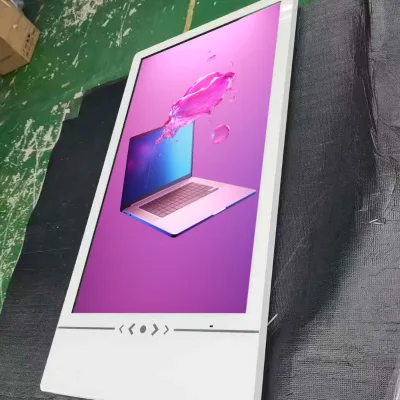

Dual Screen LCD Video Advertising Elevator Digital Signage Display Screen
$310.00 - $350.00
MOQ: 1 Pieces


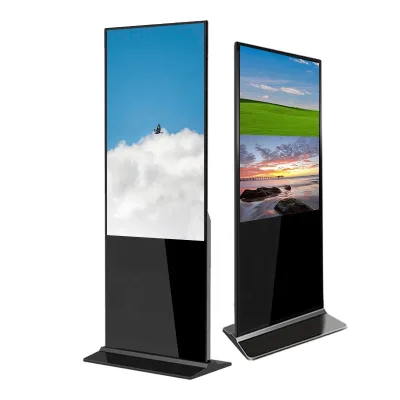
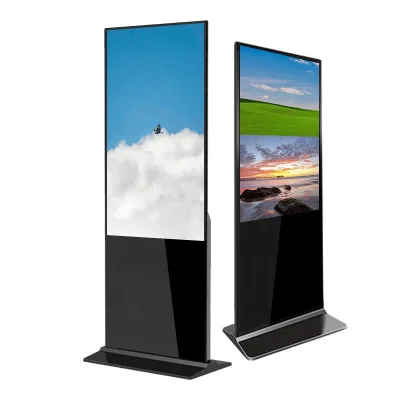
Touch Screen All-in-one Information Release Electronic Advertising Screen
$289.28 - $334.96
MOQ: 1 pieces

LCD Multimedia Digital Advertising Screen Elevator HD Advertising Display
$88.00 - $99.00
MOQ: 1 Pieces


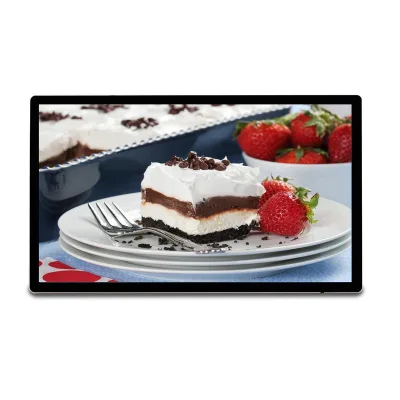
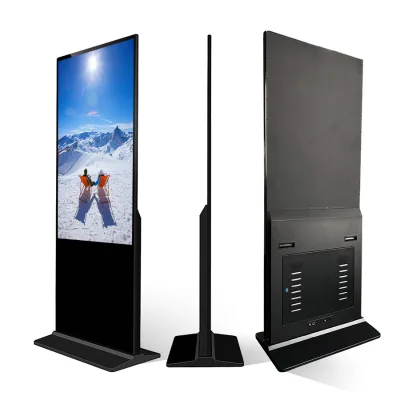


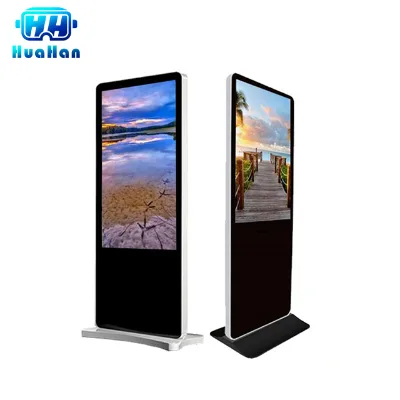
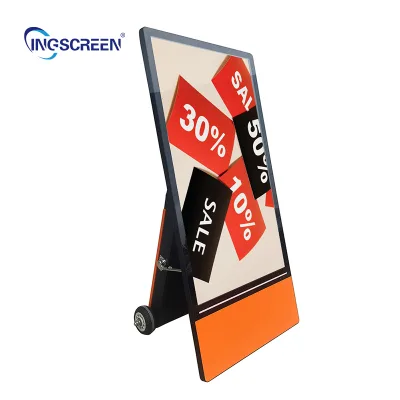
Elevator Advertising Monitor Elevator LCD Display Elevator Screen China Wholesale
$668.00 - $711.00
MOQ: 1 Pieces



Comprehensive Sourcing Guide
Multi Touch Elevator Advertising Screen Sourcing Guide
Sourcing multi-touch elevator advertising screens requires a precise understanding of the unique environmental and operational constraints inherent to vertical transportation spaces. These displays serve as critical digital signage nodes, often operating in confined, high-traffic areas where durability, ease of maintenance, and seamless content integration are paramount. Buyers must navigate a market segment that blends consumer-grade touch technology with industrial-grade mounting solutions, ensuring that the hardware can withstand the specific vibrations, temperature fluctuations, and usage patterns typical of elevator lobbies and cabins. The procurement process is not merely about selecting a display; it is about integrating a robust communication terminal that supports remote management, custom branding, and reliable uptime in a space where physical access for repairs is limited.
The core challenge for procurement teams lies in balancing the interactive capabilities of multi-touch interfaces with the structural requirements of wall-mounted installations. Unlike standard retail kiosks, elevator displays often require specialized form factors, such as slim profiles or specific aspect ratios, to fit within existing elevator car designs or lobby walls. Furthermore, the software ecosystem must support Android-based operating systems that allow for flexible content scheduling and remote device management. Buyers need to verify that the selected hardware supports the necessary connectivity options, including HDMI and USB interfaces, while also ensuring that the touch technology—whether capacitive or infrared—aligns with the intended user interaction levels, from simple tap controls to complex multi-gesture navigation.
Product Scope and Observed Listing Signals
The current market landscape for elevator advertising displays reveals a diverse range of product configurations, primarily centered around Android-based operating systems and LCD screen technologies. Observed listings indicate a strong prevalence of models with screen sizes under fifteen inches, suggesting a focus on compact installations suitable for elevator cabins or narrow lobby spaces. These units frequently feature high-intensity aluminum frames, which provide the necessary structural integrity for wall-mounted applications while maintaining a sleek, modern aesthetic. The presence of both non-touch and multi-touch variants, including capacitive and infrared touch technologies, allows buyers to select hardware based on the specific interaction needs of the target audience, ranging from passive information display to active user engagement.
Commercial signals from suppliers highlight significant variability in customization options and packaging standards, which directly impacts logistics and installation planning. Many manufacturers offer OEM and ODM services, enabling brands to tailor the visual appearance with custom colors such as black, white, or bespoke finishes to match interior design schemes. Packaging ranges from standard protective materials to wooden boxes, indicating that buyers must carefully evaluate shipping requirements to prevent damage during transit. Additionally, the observed price range of ten to 1419.84 USD reflects a broad spectrum of quality tiers, from basic digital posters to advanced touch-enabled kiosks, necessitating a clear definition of functional requirements before engaging with suppliers to avoid over-specifying or under-provisioning the hardware.
Technical Specifications to Verify
When evaluating technical specifications, the processor and memory configuration are critical determinants of system performance and longevity. Buyers should verify the CPU capabilities, with options like the Rk3568 being common, and ensure that RAM and ROM allocations meet the demands of the intended applications. Typical configurations observed include 1GB to 4GB of RAM and 8GB to 32GB of storage, with some models offering optional upgrades. The operating system is predominantly Android, with versions ranging from Android 1 to Android 11, and some units supporting OPS modules for enhanced computing power. It is essential to confirm that the OS version is supported and up-to-date to ensure compatibility with modern advertising software and security patches.
Display quality and touch responsiveness are equally vital for user experience and content clarity. Key metrics to verify include resolution, which is typically 1920x1080, and brightness levels ranging from 250 to 350 CD/M2, ensuring visibility in various lighting conditions. Contrast ratios, often cited around 1000:1 to 1400:1, contribute to image depth, while viewing angles of 178 degrees horizontally and vertically guarantee consistent visibility from multiple positions. For touch-enabled models, response times are a crucial performance indicator, with some specifications noting click response times of 8ms and continuous response times of 3ms. Buyers must also confirm the lifespan of the backlight, which can extend up to 60,000 hours, to assess the long-term operational costs and replacement frequency.
Compliance and Safety Documentation
Compliance with international safety and environmental standards is non-negotiable for elevator installations, which are subject to strict building codes and public safety regulations. Buyers must request documentation verifying that the hardware meets relevant electrical safety standards, particularly regarding input voltage ranges of AC 110-240V, which ensures compatibility with global power grids. Certifications such as CE and RoHS are commonly referenced, indicating adherence to European health, safety, and environmental protection standards. However, buyers should not assume certification status based on listing claims alone; instead, they must request valid certificates from accredited testing laboratories to ensure that the products have undergone rigorous evaluation for electromagnetic compatibility and hazardous substance restrictions.
In addition to electrical safety, documentation regarding mechanical stability and material composition is essential for wall-mounted applications. The use of high-intensity aluminum frames and metal materials suggests a focus on durability, but buyers should verify that the mounting mechanisms are designed to withstand the specific loads and vibrations associated with elevator environments. It is also important to confirm that the product packaging and materials comply with international shipping regulations, particularly regarding the use of wooden crates, which may require treatment to prevent the spread of pests. Ensuring that all compliance documentation is complete and verifiable helps mitigate legal risks and facilitates smoother customs clearance for international shipments.
Cost Drivers and Commercial Terms
The total cost of ownership for multi-touch elevator advertising screens is influenced by several key factors, including hardware specifications, customization levels, and commercial terms. The observed price range of ten to 1419.84 USD reflects significant variation based on features such as touch technology, RAM/ROM capacity, and operating system version. Buyers should carefully analyze the cost implications of optional upgrades, such as increased storage or higher brightness levels, to ensure they are paying for features that align with their specific use cases. Additionally, the availability of customization services, including branding and color options, may incur additional costs that should be factored into the budget.
Commercial terms, including minimum order quantities (MOQ) and warranty provisions, play a crucial role in procurement planning. Observed MOQs range from one to ten units, offering flexibility for small-scale deployments or pilot projects. Warranty periods vary, with some suppliers offering one year and others providing up to three years of coverage, which can significantly impact long-term maintenance costs. Buyers should negotiate clear terms regarding warranty coverage, including what components are covered and the process for claiming replacements or repairs. Understanding these commercial terms helps in forecasting total lifecycle costs and ensures that the supplier is committed to long-term support and reliability.
Supplier Qualification and Quality Control
Supplier qualification is a critical step in ensuring the reliability and consistency of multi-touch elevator advertising screens. Buyers should prioritize suppliers with a proven track record in the digital signage industry, particularly those with experience in OEM and ODM services. Verification of the supplier’s manufacturing capabilities, including their production facilities in regions like Guangdong, China, can provide insights into their quality control processes and capacity to meet demand. It is also important to assess the supplier’s ability to provide technical support and after-sales service, as these factors are crucial for maintaining operational continuity in elevator installations.
Quality control measures should be rigorously evaluated to minimize the risk of defects and ensure product consistency. Buyers should inquire about the supplier’s testing protocols, including checks for display uniformity, touch responsiveness, and structural integrity. Requesting sample units for pre-production testing can help identify potential issues before committing to large orders. Additionally, establishing clear quality acceptance criteria in the purchase agreement, including specific tolerances for brightness, resolution, and touch accuracy, ensures that the delivered products meet the required standards. Regular audits and performance reviews of the supplier can further enhance the quality of the supply chain and reduce the risk of disruptions.
Long-Term Procurement Checks
Long-term procurement success depends on establishing robust mechanisms for ongoing supplier performance monitoring and product lifecycle management. Buyers should implement regular reviews of supplier delivery times, product quality, and customer support responsiveness to ensure that the partnership remains productive and reliable. Tracking key performance indicators, such as defect rates and warranty claim frequencies, can provide valuable insights into the long-term reliability of the products. Additionally, maintaining open communication with the supplier regarding future product updates and technological advancements can help buyers stay ahead of industry trends and make informed decisions about upgrades or replacements.
It is also essential to plan for the end-of-life management of the hardware, including data security and environmental disposal. Buyers should ensure that the supplier provides guidelines for secure data wiping and recycling of electronic components to comply with environmental regulations. Establishing a clear inventory management system for spare parts and accessories, such as power cords and WiFi antennas, can reduce downtime and simplify maintenance operations. By proactively addressing these long-term considerations, buyers can maximize the value of their investment in multi-touch elevator advertising screens and ensure a seamless user experience for the end consumers.
FAQs
What screen sizes and resolutions are available for these elevator advertising screens?
Listed models include an under-15-inch LCD option with 1920x1080 resolution, and larger units with a 1140x520x95mm dimension standard. Resolution on the larger players is also 1920x1080, which suits full-motion advertising content. Exact available screen sizes can vary by model, and customization support allows buyers to request specific configurations during sourcing.
Can these elevator advertising displays be customized for my branding and hardware needs?
Yes, customization is available. Listings indicate support for custom colors such as black, white, or custom finishes, OEM and ODM branding, and configurable hardware including Rk3568 or optional CPU, 1GB, 2GB, or optional 4GB RAM, and 8GB, 16GB, or 32GB storage. Buyers should confirm customization scope, cost, and lead time with individual suppliers before ordering.
Which touch technologies are offered on the Multi Touch Elevator Advertising Screen models?
Models come with either capacitive touch or infrared touch, and some units are non-touch. Touch response is listed at 8ms for a click and 3ms for continuous input, which supports smooth interactive advertising. Confirm which touch type applies to the specific model you source, since listings include both touch screen panel players and wall-mounted non-touch players.
How is the content managed and updated on these advertising displays?
The players run Android 9, Android 11, or other Android versions, with HDMI and USB interfaces for input and content transfer. Remote content management is supported on listed models, letting operators update advertising from a central system. WiFi antenna and power cord are included as annexes, so connectivity setup is straightforward in most elevator lobbies or interiors.
What is the warranty and expected lifespan of these screens?
Listed warranties range from 1 year to 3 years depending on the model and supplier, and the display lifespan is rated at 60,000 hours. This rating corresponds to years of continuous indoor operation. Verify warranty length, coverage terms, and after-sales support directly with the supplier, since warranty terms differ across listings in this category.
Can the screens operate on standard power supplies in buildings worldwide?
Yes, the listed input voltage is AC110-240V at 50Hz-60Hz, which covers standard electrical systems in most regions. This makes installation in elevators and lobbies practical without special power equipment. Check the plug type and local electrical requirements with the supplier, and confirm whether voltage-specific configurations are needed for your installation sites.
How are the units packed and mounted for elevator installations?
Mounting is wall-mounted, with high-intensity aluminum or metal frames for durability in indoor environments. Packaging varies by listing: some units ship in standard packing while larger displays use wooden box packing. One listed single package size is 80x70x25 cm. Confirm the mounting accessories and packing method with the supplier to match your installation plan.
What display performance should I expect for advertising playback quality?
Listed brightness is 250-350 CD/M2 and contrast ratios are 1000:1 optional or 1400:1 typical, with a 178-degree viewing angle. Displays support text, graphics, and animation content on LCD screens. This performance level suits indoor elevator advertising where ambient light is controlled. For brighter environments, confirm higher-brightness options with suppliers before ordering.