Source Multifunctional Digital Clock Kit for Home, Office, and School
Explore 30 listings of multifunctional digital clock kits featuring calendar, nightlight, and alarm capabilities. Buyers can compare specifications, power consumption, and customization options from verified Chinese manufacturers to find the ideal electronic clock kit for various applications; compare the available evidence and request quotations based on your requirements.
Key considerations
Products List
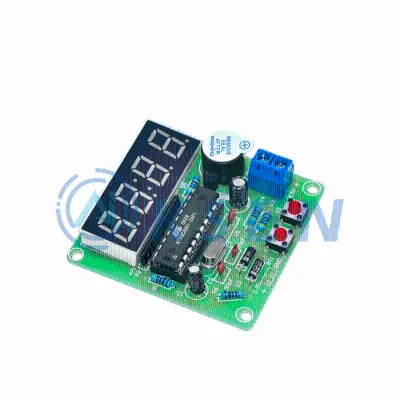


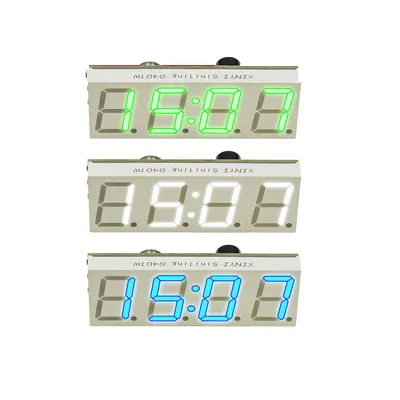
Modern Design ABS Material Large Number Digital Time Clock with Accurate Display
$1.55 - $1.68
MOQ: 3000 Pieces






Comprehensive Sourcing Guide
Multifunctional Digital Clock Kit Sourcing Guide
Sourcing a Multifunctional Digital Clock Kit requires a clear understanding of the diverse product landscape available from manufacturers, particularly those originating from China. The market offers a wide array of models, ranging from simple 4-digit electronic displays to complex units featuring calendar functions, nightlights, and color-changing features. Buyers must distinguish between basic timekeeping devices and advanced kits that include additional utilities such as alarm systems or synchronous counters. This distinction is critical for aligning procurement with specific end-user needs, whether for home use, educational purposes, or specialized industrial applications.
The observed product range indicates significant variation in power consumption, physical dimensions, and functional capabilities. Some units operate on standard AA or AAA batteries, while others may utilize different cell types, directly impacting long-term operational costs and convenience. Furthermore, the inclusion of features like backlighting, multifunctional displays, and specific movement structures such as alarm systems adds layers of complexity to the sourcing decision. Procurement teams must carefully evaluate these attributes to ensure the selected kit meets both technical requirements and aesthetic preferences, avoiding over-specification that drives up costs unnecessarily.
Product Scope and Observed Listing Signals
The current market listings reveal a broad spectrum of digital clock kits, with observed prices ranging from $0.10 to $539 USD, reflecting the disparity between basic components and fully featured units. Minimum order quantities (MOQs) vary significantly, starting from as low as one unit for sampling up to 3,000 units for bulk production, allowing flexibility for both small-scale testers and large-volume distributors. This wide range suggests that buyers can find suitable options regardless of their scale, but it also necessitates careful negotiation to secure favorable terms that align with inventory management strategies and cash flow requirements.
Product descriptions highlight key attributes such as digital display methods, simple styles, and multifunctional capabilities including calendar tracking and alarm systems. Specific models like the T-963, T-902, and T-971S demonstrate the variety in form factors, with dimensions ranging from compact 130x100x70mm units to larger 290x197x24.5mm packages. Buyers should note that while some kits include battery packs, others may require separate procurement, which affects the total landed cost. Understanding these listing signals helps in filtering suppliers and identifying products that match specific project specifications without unnecessary complexity.
Technical Specifications to Verify
When evaluating technical specifications, buyers must prioritize power consumption and battery type, as these factors influence both initial cost and long-term maintenance. Some kits require two AA batteries, while others may use AAA cells or single-cell configurations, each with distinct availability and lifespan characteristics. Additionally, the physical dimensions and weight of the unit, such as the 125g weight of the T-971S or the 208g weight of the T-902, are crucial for packaging and shipping calculations. Verifying these details ensures that the product fits within logistical constraints and meets the physical requirements of the end-user environment.
Functional features such as alarm systems, nightlights, and color-changing capabilities add value but also introduce potential points of failure. Buyers should verify the timing accuracy, with some specifications indicating a daily error of less than three seconds, which is vital for applications requiring precise timekeeping. The presence of additional functions like addition counters or synchronous counters in certain models, such as the T-981, requires careful assessment to ensure these features are necessary and reliable. Confirming the movement structure and display method helps in predicting user experience and potential support issues, ensuring that the selected kit performs as expected in real-world conditions.
Compliance and Safety Documentation
Compliance with safety standards is paramount when sourcing electronic devices, particularly those intended for home use or educational settings. Buyers must ensure that suppliers provide necessary documentation, such as CE, FCC, or RoHS certifications, depending on the target market. These certifications verify that the product meets regional safety and environmental regulations, reducing the risk of legal liabilities and product recalls. Without proper documentation, even a technically sound product may face barriers to entry in regulated markets, making it essential to verify compliance status before finalizing any purchase agreement.
In addition to regulatory compliance, buyers should assess the quality of materials and construction, especially for kits that may be assembled by end-users. The presence of sharp edges, non-toxic materials, and secure battery compartments are critical safety considerations. Suppliers should be able to provide test reports or quality assurance records that demonstrate adherence to these safety standards. By prioritizing compliance and safety, buyers protect their brand reputation and ensure that the products they distribute are safe for consumers, thereby fostering trust and long-term customer loyalty in a competitive market.
Cost Drivers and Commercial Terms
Cost drivers for multifunctional digital clock kits include the complexity of features, battery requirements, and packaging specifications. Units with additional functions like nightlights, color-changing displays, or calendar features typically command higher prices due to increased component costs and assembly complexity. Buyers should also consider the impact of packaging, as carton packing versus individual unit packaging can affect shipping efficiency and costs. Understanding these variables allows for more accurate budgeting and helps in negotiating better terms with suppliers, ensuring that the total cost of ownership remains within acceptable limits.
Commercial terms such as MOQs, lead times, and payment conditions significantly influence the procurement strategy. Suppliers may offer flexible MOQs for new customers but require larger commitments for customized orders, which can impact inventory management. Lead times can vary based on production capacity and order volume, so buyers should establish clear expectations and contingency plans to avoid supply chain disruptions. By carefully evaluating these commercial terms, buyers can optimize their procurement process, balancing cost efficiency with supply reliability and operational flexibility.
Supplier Qualification and Quality Control
Supplier qualification is a critical step in ensuring the reliability and consistency of multifunctional digital clock kits. Buyers should assess suppliers based on their production capabilities, quality control processes, and track record in the industry. Verifying the supplier’s ability to handle OEM/ODM requests is essential for those seeking customized solutions, as it indicates flexibility and technical expertise. Additionally, suppliers should demonstrate robust quality control measures, including incoming material inspections, in-process checks, and final product testing, to minimize defects and ensure consistent product quality.
Quality control extends beyond the supplier’s internal processes to include third-party inspections and audits. Buyers may engage independent inspection agencies to verify product quality before shipment, providing an additional layer of assurance. This is particularly important for large orders or when entering new markets with strict regulatory requirements. By establishing clear quality standards and conducting regular audits, buyers can maintain high product quality, reduce the risk of defects, and build a strong relationship with reliable suppliers, ensuring long-term procurement success.
Long-Term Procurement Checks
Long-term procurement success depends on continuous monitoring of supplier performance and market trends. Buyers should regularly review supplier metrics, such as on-time delivery rates, defect rates, and responsiveness to issues, to identify potential problems early. Establishing key performance indicators (KPIs) and conducting periodic supplier evaluations helps in maintaining high standards and driving continuous improvement. By staying proactive in supplier management, buyers can mitigate risks and ensure a stable supply chain, even in the face of market fluctuations or geopolitical challenges.
Additionally, buyers should stay informed about technological advancements and changing consumer preferences in the digital clock market. This includes monitoring innovations in battery technology, display features, and smart home integration, which may impact product relevance and competitiveness. By aligning procurement strategies with market trends, buyers can ensure that their product offerings remain attractive to end-users and maintain a competitive edge. Regularly updating product specifications and exploring new supplier options helps in adapting to market changes and sustaining long-term growth in the Multifunctional Digital Clock Kit segment.
FAQs
What is the power consumption for the T-963 model?
The T-963 model consumes power equivalent to two AA batteries. This specification ensures reliable operation for home use without requiring external power adapters. The kit includes three No. 5 battery packs to facilitate immediate setup and testing upon delivery to your location.
Can I customize the Multifunctional Digital Clock Kit?
Yes, customization is available for this Multifunctional Digital Clock Kit. The product supports OEM and ODM services to meet specific branding or functional requirements. Buyers can request modifications to the simple style or calendar features while maintaining the core electronic movement structure.
Which models feature nightlight and color changing capabilities?
The T-971S model features nightlight and color changing capabilities alongside multifunctional attributes. This specific unit weighs 125g and operates on two AAA batteries. It offers a distinct visual experience compared to other models that lack backlight or color changing features entirely.
What is the single package size for the clock kit?
The single package size for the standard kit is 10 by 6 by 2 centimeters. This compact dimension facilitates efficient shipping and storage. The gross weight of the single package is 0.250 kg, ensuring manageable handling during logistics operations from the origin in China.
How accurate is the timing for the timer switch model?
The timing accuracy for the timer switch model maintains a daily error of less than three seconds. This precision is achieved through its electronic mechanism and synchronous counter carry mode. The device operates reliably within relative humidity conditions below 80 percent for consistent performance.
What is the product weight for the T-902 model?
The product weight for the T-902 model is 208 grams. This unit features a standard dimension of 130 by 100 by 70 millimeters. It is designed for home use with a simple style and includes calendar and multifunctional features for versatile daily applications.
Which models include calendar functionality?
The T-963 and T-908A models include calendar functionality. The T-908A also adds nightlight features and weighs 176 grams. These models utilize a digital display method and are powered by cell batteries to ensure continuous operation of the calendar and timekeeping systems.