Source Multifunctional Extra Long Allen Wrench for Home, Auto, and Industrial Use
Compare 30 listings for the Multifunctional Extra Long Allen Wrench from verified Chinese manufacturers. Buyers can evaluate specifications like material, size, and customization options to find the right tool for various applications.
Key considerations
Products List
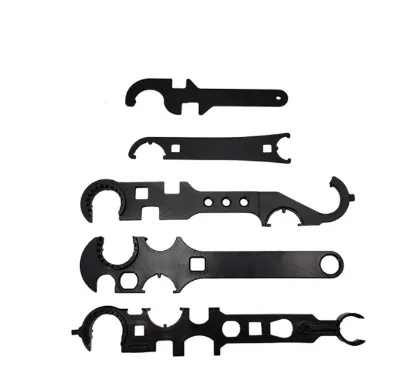


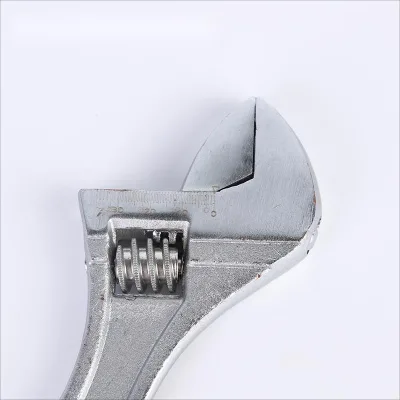


Comprehensive Sourcing Guide
Multifunctional Extra Long Allen Wrench Sourcing Guide
Sourcing high-quality hex keys and multi-bit tools requires a clear understanding of the distinction between standard Allen wrenches and specialized extra-long variants. The term "multifunctional" often implies tools that combine different drive types, such as hex, Torx, or Phillips, into a single unit, or tools designed with extended reach for deep-set fasteners. In the context of industrial procurement, buyers must distinguish between simple carbon steel hex keys and complex ratchet systems or combination wrenches that may be listed under similar keywords. The observed market data indicates a wide variance in product models, ranging from basic daily-use items like model 4963D to professional-grade tools like model WAW01 and #8476S. This diversity necessitates a rigorous verification process to ensure the selected tool meets the specific mechanical and dimensional requirements of your assembly or maintenance operations.
Procurement decisions for these tools are heavily influenced by the intended application environment, whether it be indoor mechanical assembly, outdoor construction, or industrial maintenance. The observed listings highlight applications ranging from general DIY tasks to professional industrial use, with some products explicitly designed for anti-explosion environments. Buyers must align their purchasing strategy with the operational demands of their workforce. For instance, tools marketed with "anti-explosion" features are critical for hazardous environments, while those labeled for "daily use" may suffice for light maintenance. Understanding these distinctions prevents over-specification for simple tasks or under-specification for critical infrastructure work, ensuring that the procurement budget is allocated efficiently without compromising safety or performance.
Product Scope and Observed Listing Signals
The current market landscape for hex keys and related wrenches shows a significant variation in material composition and functional design. Observed listings include tools made from carbon steel, chrome-vanadium steel, aluminum alloy, and alloy steel, each offering different trade-offs between durability, weight, and cost. For example, chrome-vanadium steel is often associated with higher tensile strength and resistance to wear, making it suitable for high-torque applications, while aluminum alloy options may be preferred for lightweight, portable kits. The presence of "custom color" and "metallic" handle options suggests that branding and visual identification are important for many buyers, allowing for color-coding systems to organize tools by size or function in busy workshops.
Functional attributes also vary widely, with some products offering manual operation while others feature ratchet mechanisms for increased efficiency. The observed data includes "combination wrenches," "hex wrenches," and "ratchet wrenches," indicating that the term "allen wrench" may be used broadly to describe various hex-drive tools. Additionally, features such as "folded" versus "unfolded" designs and "ordinary" versus "anti-explosion" classifications highlight the need for precise specification. Buyers should note that some listings offer "customized" packing and logos, which can be advantageous for corporate gifting or internal inventory management, but requires closer coordination with the supplier to ensure packaging integrity and brand consistency.
Technical Specifications to Verify
When evaluating technical specifications, the measurement system is a critical decision point. The observed market supports both Metric and Imperial (Inch) standards, with specific references to DIN, ANSI, and JIS standards. Buyers must verify which standard applies to their existing equipment and fasteners to avoid compatibility issues. For metric applications, the observed range includes sizes from M3 to M30, which covers a broad spectrum of common industrial fasteners. However, it is essential to confirm the exact dimensional tolerances and length-to-diameter ratios, especially for "extra long" variants, as these dimensions directly impact the tool's leverage and ability to reach recessed fasteners without slipping.
Material grade and hardness are equally important factors that determine the tool's lifespan and safety. Listings mention quality grades ranging from "DIY" to "Professional Level," which often correlates with the heat treatment process and steel purity. For instance, alloy steel and chrome-vanadium steel are typically associated with professional-grade durability, while carbon steel may be used for more economical, lower-stress applications. Buyers should request material test reports or hardness specifications (e.g., Rockwell C scale) to verify that the tool can withstand the torque requirements of their specific tasks. Additionally, the handle material, such as stainless steel or colored coatings, should be evaluated for corrosion resistance and grip comfort, especially in outdoor or humid environments.
Compliance and Safety Documentation
Safety certifications are paramount, particularly for tools used in specialized or hazardous environments. The observed listings include various certifications such as ISO, SGS, GS, CE, CCC, and RoHS. ISO and SGS certifications generally indicate adherence to international quality management and testing standards, providing a baseline assurance of manufacturing consistency. However, for tools used in explosive atmospheres, the "anti-explosion" feature must be backed by specific safety certifications like ATEX or IECEx, which are not explicitly listed in the observed data but are critical for such applications. Buyers must verify that the supplier can provide valid, up-to-date certificates for the specific product model being purchased, as certifications may vary between product lines.
Regulatory compliance also extends to environmental and material safety standards. RoHS certification, for example, ensures that the tool is free from certain hazardous substances, which is important for companies with strict environmental policies or those operating in regions with stringent regulations. Similarly, CE marking indicates conformity with health, safety, and environmental protection standards for products sold within the European Economic Area. Buyers should ensure that the supplier’s documentation aligns with the regulatory requirements of their target market. It is also advisable to check for any additional industry-specific certifications, such as those required for automotive or aerospace applications, to ensure full compliance and avoid potential legal or operational liabilities.
Cost Drivers and Commercial Terms
Pricing for multifunctional extra long allen wrenches varies significantly based on material, complexity, and order volume. The observed price range spans from $0.12 to $22.62 USD, reflecting the diversity from basic single-item tools to complex, professionally graded kits. Several factors drive this variance, including the type of steel used, the presence of additional features like ratcheting mechanisms or custom handles, and the level of customization requested. Buyers should consider the total cost of ownership, which includes not only the unit price but also the durability and replacement frequency of the tool. Higher-priced tools made from premium materials may offer better long-term value by reducing downtime and replacement costs.
Commercial terms such as Minimum Order Quantity (MOQ), payment methods, and lead times also impact the procurement strategy. The observed MOQ ranges from 1 to 5000 units, offering flexibility for both small-scale purchases and large industrial contracts. Payment options include T/T, PayPal, Credit Card, and Mastercard, providing various methods for securing transactions. Lead times are observed to be between 3 and 15 days, which is relatively fast but can be extended for customized orders involving specific logos, packaging, or non-standard sizes. Buyers should negotiate clear terms regarding customization costs and potential delays, ensuring that production schedules are not disrupted by unexpected lead time extensions.
Supplier Qualification and Quality Control
Supplier qualification is a critical step in ensuring the reliability of the supply chain. The observed data indicates that many suppliers offer OEM services and customization options, which suggests a level of manufacturing flexibility. However, buyers must verify the supplier’s production capabilities and quality control processes. The mention of "All Inspection" as a quality control measure is a positive indicator, but buyers should seek more detailed information on the inspection protocols, such as incoming material checks, in-process inspections, and final random sampling. Understanding the supplier’s defect rate and return policy is essential for mitigating the risk of receiving substandard products.
Additionally, the location of production, primarily Guangdong, China, is a known hub for tool manufacturing, offering access to a robust supply chain and skilled labor. Buyers should leverage this by conducting factory audits or requesting third-party inspection reports to verify the supplier’s operational standards. It is also important to assess the supplier’s communication and responsiveness, especially for customized orders that require close coordination. Establishing a clear point of contact and regular update schedules can help prevent misunderstandings and ensure that the final product meets the buyer’s specifications. Building a strong relationship with a qualified supplier can lead to better pricing, priority production, and improved support for future orders.
Long-Term Procurement Checks
Long-term procurement success depends on continuous monitoring of product performance and supplier reliability. Buyers should implement a feedback loop from the end-users, such as mechanics or assembly line workers, to gather insights on the tool’s durability, ease of use, and any issues encountered during operation. This feedback can inform future purchasing decisions, allowing for adjustments in specifications or supplier selection. Regularly reviewing the performance of different tool models and materials can help identify trends and optimize the product portfolio for cost and efficiency.
Furthermore, buyers should stay informed about changes in industry standards and regulations that may affect the procurement of hex keys and related tools. As safety and environmental regulations evolve, suppliers may need to update their certifications and manufacturing processes. Maintaining open communication with suppliers regarding these changes ensures that the procurement strategy remains compliant and competitive. Additionally, exploring opportunities for bulk purchasing or long-term contracts can provide cost savings and supply chain stability, provided that the supplier continues to meet quality and delivery expectations. By adopting a proactive and data-driven approach, buyers can maximize the value of their procurement investments in multifunctional extra long allen wrenches.
FAQs
What materials are used for multifunctional extra long allen wrenches?
These tools are commonly made from carbon steel, chrome-vanadium steel, aluminum alloy, or alloy steel. The specific material depends on the model, such as the Daily use-4963D or WAW01, which offer different durability levels for DIY or industrial applications.
Can I customize the logo and color of these wrenches?
Yes, customization is available for logos, colors, and packaging. Buyers can request custom colors like metallic or colorful handles, and suppliers offer options for customized packing such as CTN plus pallet or wooden cases to meet specific branding needs.
What certifications do these wrenches typically hold?
Products often carry ISO, SGS, GS, CE, CCC, and RoHS certifications. These standards ensure quality and safety, with some models meeting specific requirements like DIN, ANSI, or JIS standards for metric and imperial measurement systems.
How long is the delivery time for these tools?
The standard delivery time ranges from 3 to 15 days after order confirmation. This lead time applies to various models and sizes, ensuring timely supply for both single items and bulk orders with customized specifications.
What is the minimum order quantity for these wrenches?
The minimum order quantity varies from 1 to 5000 units depending on the supplier and product type. Buyers can source single items or place larger orders, with pricing and terms adjusted based on the specific quantity and customization requirements.
Which payment methods are accepted for these purchases?
Accepted payment methods include T/T, PayPal, Credit Card, and Mastercard. These options provide flexibility for international buyers, ensuring secure transactions for orders ranging from small custom batches to large industrial shipments.