Source Multifunctional Flour Grain Grinder for Wheat, Rice, and Corn
Explore 30 listings of the Multifunctional Flour Grain Grinder suitable for processing wheat, rice, and corn. Buyers can compare specifications like voltage, capacity, and customization options to find the right machine for their milling needs; compare the available evidence and request quotations based on your requirements.
Key considerations
Products List


$9900.00 - $22000.00
MOQ: 1


Electric Small Grain Mill Grinder Flour Grinding Machine Corn Grinder for Sale
$46.00 - $124.00
MOQ: 10 Sets
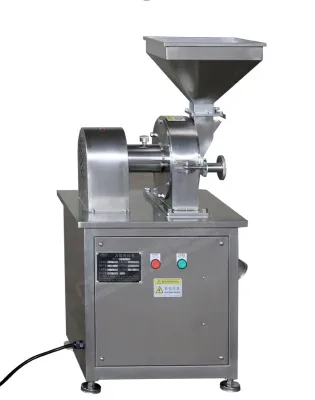


Versatile Corn Grinding Machine for Diverse Flour Production Applications
$13000.00 - $19000.00
MOQ: 1 Pieces

Reliable Corn Grinding Machine for Efficient Wheat Flour Processing
$9000.00 - $11000.00
MOQ: 1 Pieces

Efficient Corn Grinding Machine for Wheat and Grain Flour Processing
$9000.00 - $11000.00
MOQ: 1 Pieces

High-Performance Corn Grinding Machine for Flour Production Efficiency
$32000.00 - $39000.00
MOQ: 1 Pieces


Comprehensive Sourcing Guide
Multifunctional Flour Grain Grinder Sourcing Guide
Procuring a Multifunctional Flour Grain Grinder requires careful alignment of machine capabilities with your specific production volume and raw material characteristics. The market offers a diverse range of units, from small-scale vertical grinders suitable for home or boutique use to large industrial horizontal mills capable of processing tons of wheat, rice, or beans daily. Buyers must first determine whether their primary need is high-precision fine milling for commercial flour production or versatile grinding for spices, herbs, and coarse grains. Understanding this distinction is critical because the mechanical design, motor power, and feed size requirements vary significantly between these categories.
When evaluating listings, observe the physical orientation and voltage specifications to ensure compatibility with your facility’s infrastructure. Some models are designed as vertical units operating on standard 220V power, making them ideal for smaller workshops or locations with limited electrical capacity. In contrast, larger industrial systems often feature horizontal configurations and require 380V three-phase power to handle higher throughput demands. Additionally, consider the customization options available, as many suppliers offer tailored solutions for specific applications such as starch extraction or specialized grain processing. Verifying these foundational attributes early in the sourcing process prevents costly mismatches between equipment capabilities and operational requirements.
Product Scope and Observed Listing Signals
The observed product landscape reveals a wide spectrum of capacities, ranging from small units producing 250kg per hour to industrial systems capable of processing up to 500 tons per day. This vast range indicates that buyers must clearly define their daily output targets before engaging with suppliers. Smaller machines, often labeled as grain grinders or corn flour mills, typically feature compact dimensions and lower power ratings, such as 3HP electric motors, making them suitable for niche markets or pilot production runs. These units often come with standardized packing like carton cases, facilitating easier logistics for smaller orders.
Conversely, larger industrial mills, identified by models like YBWM or YUBEI, are designed for high-volume commercial operations. These systems often boast higher flour extraction rates, such as 75%, and support continuous processing of diverse materials including wheat, rice, beans, and even chemicals or plastics. The presence of detailed technical specifications, such as spindle speeds ranging from 1800 to 7200 r.p.m., suggests a focus on precision and versatility. Buyers should note that some listings highlight specific applications like chili, turmeric, or cumin powder grinding, indicating that certain machines are optimized for spice processing rather than bulk grain milling.
Technical Specifications to Verify
Motor power and rotational speed are critical technical parameters that directly influence grinding efficiency and final product texture. Buyers should verify the rated power of the electric motor, ensuring it matches the intended throughput and material hardness. For instance, smaller units may operate at standard motor speeds of 2800 r.p.m., while more advanced pin disc mill machines offer variable spindle speeds up to 7200 r.p.m. to accommodate different grinding fineness requirements. Confirming these specifications helps prevent underpowered installations that could lead to bottlenecks or excessive wear on core components like bearings and motors.
Dimensional constraints and feeding size requirements are equally important for facility planning and operational safety. The physical footprint of the machine, such as dimensions around 1.6m x 1.1m x 1.4m, must fit within your available workspace while allowing for maintenance access. Additionally, verify the maximum feeding size, which typically ranges from 10 to 100 mm, to ensure compatibility with your raw material preparation processes. Machines designed for coarse grains may require pre-crushing, whereas those for fine flour milling might accept smaller inputs. Understanding these mechanical limits ensures smooth integration into your existing production line.
Compliance and Safety Documentation
Certification status is a primary indicator of manufacturing quality and regulatory compliance in the global machinery market. Buyers should prioritize suppliers who provide recognized certifications such as ISO and CE, which signify adherence to international quality management and safety standards. Some listings explicitly mention ISO2008 or similar standards, indicating a structured approach to production consistency. Verifying these certifications helps mitigate risks associated with substandard materials or unsafe electrical components, ensuring that the equipment meets the legal requirements for operation in your target market.
Machinery test reports and warranty terms provide additional layers of assurance regarding product reliability and after-sales support. Reputable suppliers often provide detailed test reports that document performance metrics under controlled conditions, offering transparency into the machine’s actual capabilities. A standard one-year warranty on core components like the motor and bearing is common, but buyers should clarify the scope of coverage and the process for claiming repairs. Understanding the warranty terms and the availability of spare parts is essential for minimizing downtime and maintaining long-term operational efficiency.
Cost Drivers and Commercial Terms
Pricing for multifunctional flour grain grinders varies significantly based on capacity, automation level, and customization requirements. Observed price ranges span from approximately $46 for basic small-scale units to over $5,000,000 for large industrial complexes. This disparity reflects the difference between simple mechanical grinders and fully integrated processing lines with advanced control systems. Buyers should align their budget with their production volume needs, avoiding over-investment in high-capacity machinery for low-volume operations or under-investing in equipment that cannot meet demand.
Minimum Order Quantities (MOQ) and shipping terms also impact the total cost of acquisition. Many suppliers offer flexible MOQs, starting from just one unit, which is beneficial for small businesses or testing phases. However, larger orders may qualify for volume discounts or more favorable shipping arrangements. Packaging methods, such as container sea shipping for large units or carton cases for smaller ones, affect logistics costs and handling requirements. Buyers should request detailed quotations that include all associated costs, such as freight, insurance, and customs duties, to accurately assess the total landed cost.
Supplier Qualification and Quality Control
Supplier capability and production capacity are key indicators of reliability and long-term partnership potential. Buyers should assess the supplier’s supply ability, with some manufacturers offering up to 50 sets per month, indicating a robust production infrastructure. Verifying the supplier’s location, such as Henan, China, a known hub for machinery manufacturing, can provide insights into the local supply chain and expertise. Additionally, checking the supplier’s history and customer feedback helps gauge their reputation for delivering quality products and providing responsive support.
Quality control processes and customization options are vital for ensuring the machine meets specific operational needs. Suppliers offering customization services can tailor machines to handle unique materials or fit specific spatial constraints. Buyers should inquire about the customization process, including design approval stages and prototype testing, to ensure the final product aligns with expectations. Furthermore, verifying the availability of machinery test reports and the supplier’s willingness to provide pre-shipment inspections can enhance confidence in the product’s quality and performance before delivery.
Long-Term Procurement Checks
After-sales support and spare parts availability are critical for maintaining machine uptime and extending equipment lifespan. Buyers should establish clear communication channels with suppliers for technical support and inquire about the availability of replacement parts such as bearings, motors, and grinding discs. A reliable supplier should offer comprehensive training materials or on-site support to ensure operators can maintain the machine correctly. Understanding the warranty claim process and the cost of routine maintenance helps in budgeting for long-term operational expenses.
Continuous evaluation of machine performance and energy efficiency is essential for optimizing production costs. Buyers should monitor key performance indicators such as flour extraction rate, energy consumption per ton of output, and maintenance frequency. Regularly reviewing these metrics against initial specifications helps identify any deviations in performance that may require adjustment or repair. Additionally, staying informed about technological advancements in milling technology can provide opportunities for upgrades or replacements that enhance productivity and reduce operational costs over time.
FAQs
What capacity options are available for a Multifunctional Flour Grain Grinder?
Listed machines span small vertical units rated around 250kg/h up to larger pin disc mills covering 10 to 2100 kg/h, and complete flour mill lines range from 200-500kg/h systems to 10-500 ton per day setups. Choose based on whether you need a single grinder or an integrated milling line. Customization is available, so capacity can be matched to your production plan.
Can the grinder process materials other than wheat flour?
Yes. Applications cover wheat, corn, rice flour, beans, starch, and all-purpose grain milling, while some models also grind spices and herbs such as cloves, fennel seeds, chili, black pepper, cumin, turmeric, and coffee. Confirm the specific model before purchasing, because spice grinding typically requires different screen sizes and spindle speeds than flour production.
Which certifications and documentation come with these machines?
Relevant listings reference ISO certification, with some machines also carrying CE certification, and a machinery test report is provided. A one-year warranty is listed on certain models. Always request current certificates and the test report for the exact model and serial number you intend to buy, since certification coverage can differ between configurations within the same product family.
How is the Multifunctional Flour Grain Grinder packed and shipped?
Packaging depends on machine size: smaller grinder units ship in carton cases, while larger flour milling machines and complete lines are packed in containers for sea shipping. Origin is China, with production based in Henan. Ask the supplier to confirm container dimensions, loading quantity, and port of loading so you can budget freight and customs clearance accurately.
What voltage and power requirements should buyers expect?
Listed machines use either 220V or 380V, with smaller vertical grinder models driven by a 3HP electric motor running at a standard 2800 r/min. Verify your local power supply and wiring before ordering, and confirm whether the motor can be configured for your regional voltage and frequency, since factory defaults in China may differ from your installation site.
Can the machine be customized for specific flour or grain applications?
Customization is available, and listings note customized options alongside configurations for flour, rice flour, beans, wheat, and all-purpose use. Typical customization requests include capacity adjustments, voltage matching, screen or disc changes, and layout planning for complete milling lines. Provide your target material, daily output, and site conditions so the supplier can propose a suitable configuration.
What is the typical minimum order quantity and supply capability?
Listings show MOQ values starting from one unit, making trial purchases feasible, and one supplier lists a supply ability of 50 sets per month. Larger complete milling lines may carry higher MOQ requirements depending on configuration. Confirm the exact MOQ, current production lead time, and delivery terms in writing before placing an order for any model.